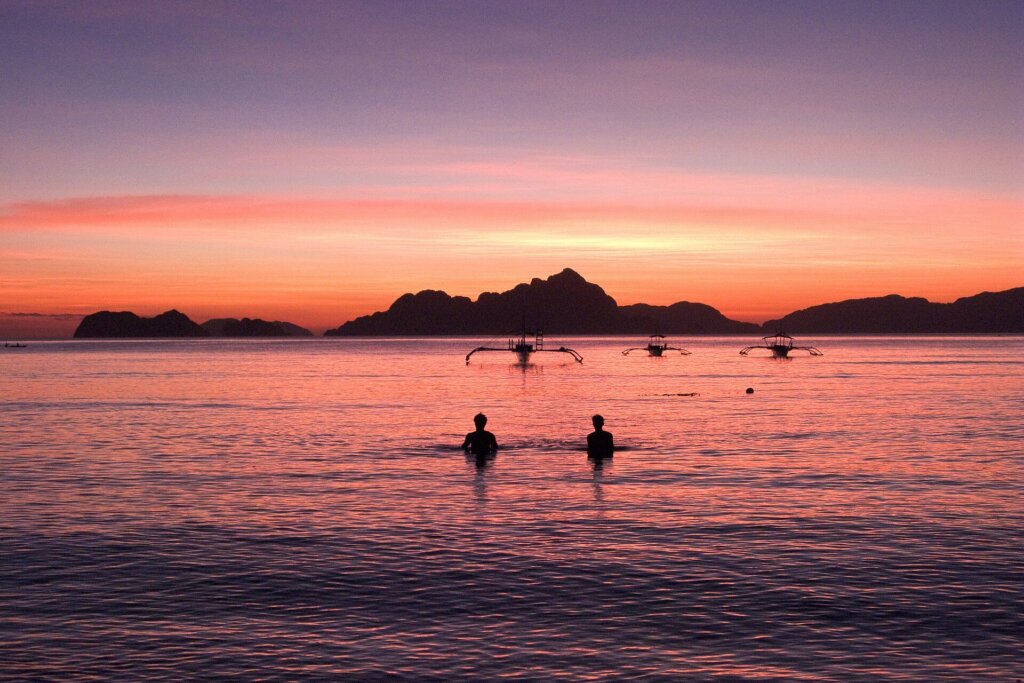
TL;DR: Pick El Nido if you want lagoons, limestone cliffs, many tour options and real hotels; pick Calaguas if you want one huge, quiet white-sand beach, tent camping and a genuinely off-grid weekend from Manila.
Calaguas, a group of islands off Vinzons in Camarines Norte, keeps showing up on Filipino travelers’ bucket lists as the “untouched” alternative to famous beach towns. El Nido, on the northern tip of Palawan, is the country’s best-known limestone-and-lagoon destination. They are often mentioned in the same breath, yet they deliver very different trips. This guide focuses on El Nido vs Calaguas specifically for travelers deciding between a comfortable island-hopping holiday and a rugged, offline beach-camping escape.
Our unique angle: instead of only comparing “which beach is prettier”, we look at what the two places demand from you — travel time, comfort tolerance, weather risk and cash — because those factors decide whether your trip feels like paradise or an endurance test.
Quick Comparison Table: El Nido vs Calaguas
| Factor | El Nido (Palawan) | Calaguas (Camarines Norte) |
|---|---|---|
| Signature scenery | Limestone karsts, hidden lagoons, many small beaches | One long, powdery beach (Mahabang Buhangin) with grassy hills |
| Access from Manila | About 1 hr 20 min flight to Lio airport, or fly to Puerto Princesa + 5–6 hr van | Overnight bus or flight to Naga/Daet, land transfer, then 1.5–2.5 hr boat |
| Accommodation | Hostels to luxury private-island resorts | Tents, simple cottages and a few basic resorts |
| Electricity & signal | Grid power (with brownouts), 4G in town | Generator/solar only, patchy or no signal |
| Activities | Tours A–D, kayaking, diving, nightlife, restaurants | Swimming, hiking to viewpoints, camping, stargazing |
| Best months (typical) | November–May (dry season) | March–May (calmest Pacific-side seas) |
| Crowds | Busy in peak season | Busy on long weekends, very quiet midweek |
Getting There: The Biggest Difference
El Nido is easy if you are willing to pay for it. Direct flights from Manila land at the small Lio airport, about 15–20 minutes from town by tricycle or van. The cheaper alternative is to fly into Puerto Princesa and take a shared or private van north for roughly five to six hours; our Puerto Princesa to El Nido bus guide walks through those options.
Calaguas has no airport and no road connection. The usual route is an overnight bus from Manila to Daet, then a jeepney, tricycle or van to the fish port in Vinzons or Paracale, and finally a hired or shared boat across open water to Mahabang Buhangin. Some travelers fly to Naga to save road time. In practice you lose most of a day each way, which is why many people join packaged weekend trips that bundle the bus, boat and camping fees.
The boat leg is the deal-breaker. El Nido’s island tours stay mostly inside sheltered Bacuit Bay, while the Calaguas crossing faces the Pacific side of Luzon. When the northeast monsoon (amihan) is blowing, crossings are frequently suspended by the Coast Guard, and even on “OK” days the ride can be wet and bumpy.
Beaches and Scenery Compared
Calaguas is about one thing: Mahabang Buhangin, a long arc of fine, pale sand with shallow, clear water and grassy hills behind it. Climb the hill at one end for the classic view over the bay. There are other beaches around the islands, but most visitors spend the whole stay on this single stretch.
El Nido offers variety rather than one hero beach. On a single day you might swim inside the Big Lagoon, snorkel at a reef, eat lunch on a sandbar and end at a cove framed by cliffs. On land, Nacpan, Las Cabanas and Marimegmeg give you long-beach energy without a boat. If your idea of a perfect trip is “a different view every few hours”, El Nido wins clearly. See our Tour A guide and Tour C guide for what those days look like.
If your idea of perfection is “the same beach, empty, at sunrise, with nothing else to do”, Calaguas often delivers that better — especially midweek.
Comfort, Power and Connectivity
This is where expectations matter most. In Calaguas, most visitors sleep in tents (their own or rented) or in very simple cottages. Electricity typically comes from generators or solar panels and may run only in the evening. Toilets and showers are basic, often bucket-style, and fresh water can be limited. Mobile data is unreliable, so download offline maps and let people know you will be unreachable.
El Nido gives you the full range: dorm hostels, mid-range hotels with air-conditioning, and some of the most celebrated island resorts in Asia. Power does cut out occasionally — read our guide to hotels with backup power during brownouts — but you can still expect fans, aircon, Wi-Fi and hot showers at most mid-range properties.
If you have never camped, or you travel with small children or older relatives, El Nido is the lower-risk choice. If you are comfortable roughing it, the lack of distractions in Calaguas becomes a feature.
Budget: What Each Trip Really Costs
On paper Calaguas looks cheaper because accommodation is a tent. In reality the boat is the main cost: a private banca is commonly quoted in the low thousands of pesos per boat round trip, so solo travelers pay a lot unless they join a group. Add bus fares, the land transfer, environmental and camping fees, and food carried in from the mainland.
El Nido has a wider spread. Backpackers can manage on a modest daily budget with dorm beds and group tours, while couples at boutique resorts can easily spend many times more. Island-hopping tours are priced per person and include lunch, so costs are predictable. Flights are the swing factor: book early and El Nido can be surprisingly affordable; book late in peak season and it gets expensive fast.
| Cost item | El Nido | Calaguas |
|---|---|---|
| Transport from Manila | Flight (variable) or flight + van | Bus + transfer + boat share |
| Night’s sleep | Dorm to luxury resort | Tent fee or simple cottage |
| Daily activity | Group tour per person, lunch included | Mostly free (beach, hikes) |
| Food | Restaurants for every budget | Bring your own or limited local cooking |
Weather and Best Time to Go
El Nido’s best season generally runs from about November to May, with the calmest, sunniest days typically from January to April. The southwest monsoon (habagat) brings more rain and some tour cancellations from around June to October. Our explainer on PAGASA wind signals for El Nido travelers explains how tour suspensions work.
Calaguas faces a different wind pattern. Because the crossing is exposed to the northeast, the amihan months (roughly November to February) can be rough. Many experienced travelers aim for March to May, when the sea is usually flatter and the sand is at its brightest. Typhoons can affect both destinations, so always check the forecast from PAGASA before you go.
Who Should Choose Which?
Choose El Nido if you:
- Have limited vacation days and want to fly in and start swimming the same afternoon.
- Want varied scenery: lagoons, caves, reefs and cliffs.
- Need reliable beds, food and some nightlife.
- Are planning a honeymoon or a family trip — see our El Nido honeymoon guide.
Choose Calaguas if you:
- Live in Luzon and want a long-weekend adventure without flying.
- Enjoy camping, stargazing and being offline.
- Prefer one spectacular beach over a busy tour schedule.
- Are traveling with a group that can split the boat cost.
Still weighing other Palawan options? Our El Nido vs Coron vs Port Barton comparison covers the rest of the province.
Sample Itineraries
Calaguas long weekend (2 nights): Friday night bus from Manila; Saturday morning transfer to the port and boat crossing; afternoon swim and hill hike for sunset; Sunday free beach day and stargazing; Monday early boat back and bus to Manila.
El Nido classic (4 nights): Day 1 fly in, sunset at Corong-Corong; Day 2 Tour A; Day 3 Tour C or a private boat; Day 4 scooter to Nacpan Beach; Day 5 fly out. Add a weekend extension from Manila plan if you are short on leave.
Responsible Travel in Both Places
Both destinations rely on fragile ecosystems. In Calaguas, carry all trash back to the mainland, use reef-safe sunscreen and keep noise down at night — sound carries far on a quiet beach. In El Nido, pay the environmental fee, follow lagoon rules and avoid touching coral. The Department of Tourism publishes current advisories, and background on both areas is available on Wikipedia’s Calaguas Islands page and El Nido, Palawan page.
Key Takeaways
- El Nido is about variety and comfort; Calaguas is about one beach and total disconnection.
- Calaguas has no airport — budget a full travel day each way, including an open-sea boat crossing.
- Expect generator power and weak signal in Calaguas; El Nido has hotels at every price level.
- Calaguas is calmest around March–May; El Nido’s dry season runs roughly November–May.
- Solo travelers usually save money in El Nido; groups splitting a boat can do Calaguas cheaply.
Final Verdict
For most international visitors and first-timers, El Nido is the safer, richer choice: easier to reach, more to do and accommodation for every budget. For Luzon-based travelers who want a raw, social camping weekend and are flexible about weather, Calaguas is a memorable alternative. Ideally, do both on separate trips — they scratch completely different itches.
Frequently Asked Questions
Is Calaguas better than El Nido?
Neither is objectively better. Calaguas is better for raw, off-grid camping on one long white-sand beach; El Nido is better for lagoons, limestone scenery, variety of tours and comfortable hotels.
How long does it take to reach Calaguas from Manila?
Expect roughly 9 to 12 hours door to door by overnight bus to Daet plus a land transfer to Vinzons or Paracale port and a boat ride of about 1.5 to 2.5 hours. Flying to Naga can shorten the road portion.
Is there electricity and phone signal in Calaguas?
Power is limited to generators and solar at camps and small resorts, usually for a few hours in the evening. Mobile signal is patchy, so treat Calaguas as an offline trip.
When is the best time to visit Calaguas?
The calmest seas are usually from about March to May. From roughly November to February the northeast monsoon can make the boat crossing rough and trips are often cancelled.
Can I combine Calaguas and El Nido in one trip?
Yes, but they are on opposite sides of the country. Most travelers do Calaguas as a weekend from Manila and fly to El Nido separately, allowing at least 4 to 5 nights for El Nido.
About the Author
This guide was compiled by the El Nido Hotels Ranking editorial team, with input from local operators and ongoing on-the-ground updates.