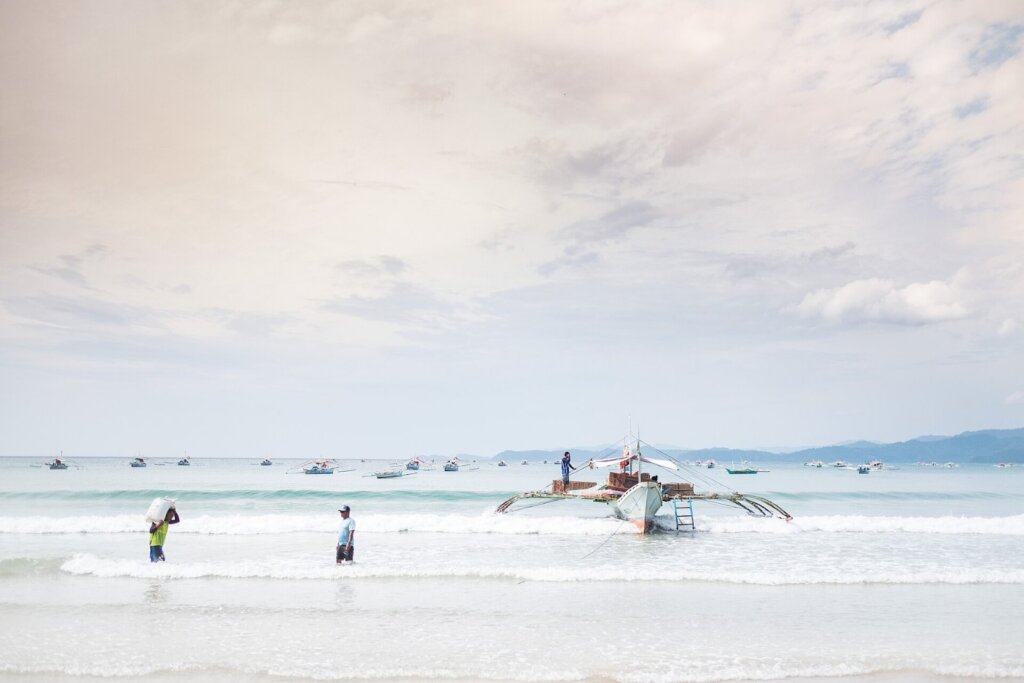
Almost every visitor to El Nido faces the same decision: Tour A or Tour C. Both are classic island-hopping routes, but they feel very different once you are on the water. This guide focuses on the choice specifically for first-time visitors with only one or two tour days, who want to know which route delivers the most for their time and money. We compare the stops, the crowds, the swimming, the physical effort, and the booking details so you can decide with confidence.
- What Tour A Includes
- What Tour C Includes
- Side-by-Side Comparison
- Crowds and Timing
- Swimming, Snorkeling and Kayaking
- Physical Effort and Accessibility
- Cost, Fees and Booking Tips
- Which Should You Pick?
- Packing for Your Island-Hopping Day
- Tide, Weather and Season Effects
- Photography and Scenery
- Lunch, Food and Facilities
- Private Boat Versus Shared Tour
- Reading Weather and Safety Signals
- Common Mistakes When Choosing a Tour
- Frequently Asked Questions
What Tour A Includes
Tour A is the most popular route and centers on the lagoons. Typical stops are the Small Lagoon, the Big Lagoon, Secret Lagoon, Shimizu Island for the beach lunch, and the 7 Commandos Beach. The route stays mostly within the sheltered inner bay, which makes it a gentle introduction to the archipelago.
Highlights are kayaking or swimming through the lagoons, the dramatic limestone walls, and the shallow turquoise water. You can paddle in the Small Lagoon, swim into Secret Lagoon through a narrow rock opening at suitable tides, and snorkel around Shimizu Island.
What Tour C Includes
Tour C visits more secluded spots, typically the Hidden Beach, Matinloc Shrine, Helicopter Island, Secret Beach, and Star Beach. The route covers more distance, and the scenery feels wilder: tucked-away coves, cliff-ringed beaches, and a quiet lookout over the bay.
The Hidden Beach requires a short swim or wade between rocks, while Secret Beach is reached through a small gap that can be tricky when the sea is high. Boat rides are longer, which matters if you are sensitive to motion; see our seasickness guide.
Side-by-Side Comparison
The table below summarizes how the two routes differ in the factors that matter most to visitors. Conditions vary by day, so ask your operator for the latest.
Tour A vs Tour C at a glance
| Factor | Tour A | Tour C |
|---|---|---|
| Main stops | Small Lagoon, Big Lagoon, Secret Lagoon, Shimizu, 7 Commandos | Hidden Beach, Matinloc Shrine, Helicopter Island, Secret Beach, Star Beach |
| Crowds | High, especially midday | Moderate, queues at Secret Beach |
| Water conditions | Calm, sheltered lagoons | Variable, deeper, rocky entries |
| Best for | First-timers, families, kayakers | Adventurers, photographers, snorkelers |
| Effort level | Easy to moderate | Moderate |
| Boat time | Shorter hops | Longer rides |
Crowds and Timing
Tour A attracts the highest traffic, particularly at the Big Lagoon and Small Lagoon, where dozens of kayaks can crowd the water at midday. Tour C is generally calmer, though Secret Beach and Hidden Beach still draw queues when many boats arrive together.
The best way to beat crowds on either route is to take the first departure and ask the boatman to reverse the order of stops. In peak season, mid-week departures are noticeably less busy than weekends. For month-by-month planning, read our December peak season plan and November guide.
Swimming, Snorkeling and Kayaking
Tour A offers the easier water: calm lagoons, shallow depths, and kayaks for beginners. Snorkeling around Shimizu Island is pleasant, with small fish and patches of coral. Tour C is better for adventurous swimmers, with deeper water, rocky entries, and some of the clearest snorkeling spots when conditions are favorable.
Non-swimmers can still enjoy both routes by wearing a life jacket and staying close to the boat. Always ask for fitted jackets, and follow your guide’s instructions near rocks and currents. Learn about safe diving and snorkeling standards at PADI if you plan to go further.
Physical Effort and Accessibility
Neither tour requires fitness, but Tour C asks for slightly more: climbing into and out of the boat at rocky landings, wading across uneven coral rubble, and short swims. Tour A includes more time in kayaks, which puts moderate strain on the arms and shoulders but is otherwise straightforward.
Travelers with limited mobility or small children may find Tour A easier. Anyone with joint or balance concerns should speak to the operator ahead of time about landing conditions and boat steps.
Cost, Fees and Booking Tips
Tour prices are broadly standardized across licensed operators, with Tours A and C costing roughly the same. Expect a base price per person, plus an environmental or eco-tourism fee collected separately, and a small charge for lunch gear or kayak rental on some trips. The price list shows current ranges.
Book through a licensed operator rather than a street tout, confirm the route in writing, and check what lunch includes. Carry cash for fees, since many boats cannot take cards; our cash and ATM guide explains how to prepare. Official tourism guidance is posted by the Department of Tourism.
Which Should You Pick?
If you have only one day, choose Tour A for its signature lagoons, easy water, and convenient group logistics. If you want fewer people and a more adventurous feel, pick Tour C. With two days, do both, starting with Tour A to enjoy the lagoons at their most photogenic, then moving to Tour C for the remote beaches.
Consider your tolerance for crowds, boat rides, and rough conditions before deciding. If you also want to compare El Nido with other islands, see our El Nido vs Coron dive comparison.
Packing for Your Island-Hopping Day
Bring a dry bag, reef-safe sunscreen, water shoes, a towel, a hat, polarized sunglasses, a refillable bottle, and cash for fees. Wear swimwear under quick-dry clothes, and protect your phone in a waterproof pouch. Pack a light layer for breezy boat rides, and bring snacks if you have dietary requirements.
Tide, Weather and Season Effects
Both tours are shaped by tide and weather. Low tide can make entrances like Secret Lagoon difficult or impossible, while high tide may cover small sandbars and narrow beaches. Guides plan stops around tide tables, so be flexible when they adjust the order. Rough seas can cancel Tour C more often than Tour A because it covers more exposed water.
Dry season, roughly December through May, offers the best visibility and the calmest mornings. Wet season brings occasional cancellations and cloudier water. Compare month-specific conditions in our November guide before locking in dates.
Photography and Scenery
Tour A is rich in dramatic wide shots: the Big Lagoon’s limestone walls rising from emerald water, kayaks gliding through the Small Lagoon, and the sweeping beach at Shimizu. Tour C trades scale for intimacy, with narrow rock gaps, tiny coves, and pastel sunsets from the Matinloc area.
Photographers should bring a waterproof pouch or housing, a microfiber cloth, and spare batteries. Early morning light is softest, and midday sun creates harsh glare on the water. If you plan to fly a drone, check the rules first in our drone photography guide, since protected zones restrict flights.
Lunch, Food and Facilities
Lunch on both tours is usually a grilled-fish or chicken spread with rice, vegetables, and fruit, served on a beach or on the boat. Vegetarians and those with allergies should tell the operator when booking, since last-minute substitutions are limited. Facilities at the stops are basic: a few toilets on Shimizu Island and almost none elsewhere, so use the restroom before boarding.
Carry a refillable bottle to reduce plastic waste, and take all trash back to town. Respecting these small rules helps keep the lagoons clean and protects the marine life that makes the tours worthwhile.
Private Boat Versus Shared Tour
Shared tours are the cheaper option, with groups of 10 to 20 on one boat. Private boats cost more but give control over the stops, timing, and pace, and let you start earlier or linger where you like. If you are a group of four to six, splitting a private boat can be surprisingly affordable and well worth it in peak months.
Whichever you choose, confirm the departure time, the stop order, the fees, and the cancellation terms before paying. Reputable operators will gladly provide these details in writing.
Reading Weather and Safety Signals
On the morning of your tour, check the sea and sky. Strong wind, tall waves, or dark clouds near the horizon are signs to ask the guide about alternatives. Licensed operators follow Coast Guard advisories and will reschedule when conditions are unsafe, so avoid pressuring a boatman to sail anyway. Make sure life jackets fit snugly, and note where the first-aid kit is stored.
Common Mistakes When Choosing a Tour
Travelers often pick a tour by name alone and then discover it does not match their expectations. Do not assume the route is fixed: operators adjust stops for tide, wind, and crowds. Do not book a tour on arrival day if your flight may be delayed, and avoid scheduling the route you care about most on your last day, when a cancellation would leave no second chance.
Another mistake is ignoring the weather. Rainy mornings can still turn into beautiful afternoons, but only if you remain flexible. Finally, do not skimp on sun protection or hydration, because the open boat offers little shade.
Frequently Asked Questions
Is Tour A or Tour C better for first-timers?
Tour A is generally the better first choice because of its easy lagoons and sheltered water, though Tour C rewards those seeking quieter spots.
Do Tour A and Tour C cost the same?
Typically yes, since licensed operators use standardized rates. Fees and lunch inclusions may differ slightly.
Can I do both tours in one day?
No. Each tour takes a full day, so plan two separate days if you want both.
Which tour is better for snorkeling?
Tour C often has clearer and more varied snorkeling, while Tour A offers gentler conditions for beginners.
Are the tours suitable for children?
Yes, with life jackets and shorter time in the water. Tour A is usually easier for young kids.