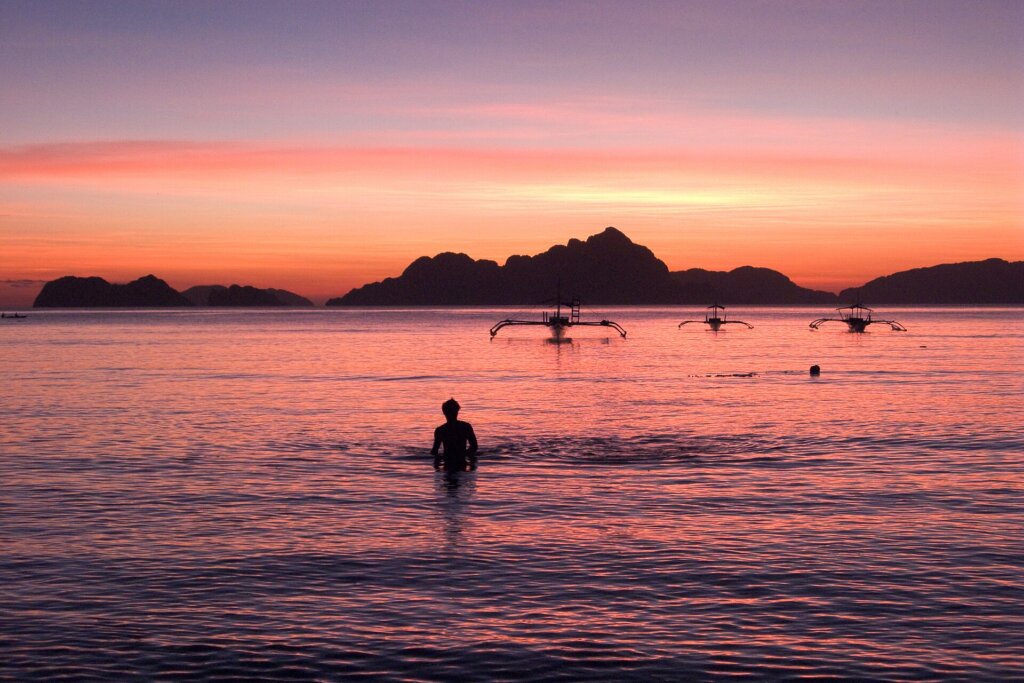
El Nido is famous for turquoise lagoons, but its clear night skies are an underrated bonus. This calendar focuses on meteor showers specifically for travelers who want to plan a trip, or a single night, around falling stars rather than just hoping to catch one by luck. You will find peak dates for each major annual shower, how visible each one is from Palawan’s latitude, which months give the best weather odds, and practical tips for finding dark skies and keeping your phone and camera safe on the beach.
- How Meteor Showers Work in Plain Language
- Why El Nido Is a Good Place to Watch
- The Annual Meteor Shower Calendar
- Best Showers for an El Nido Trip
- Best Dark-Sky Spots Around El Nido
- Weather Odds and Cloud Cover
- Sample One-Night Plan
- Planning a Whole Trip Around the Sky
- Gear Checklist
- How to Watch: A Step-by-Step Routine
- Photography Tips
- Combining Meteor Nights With Other Experiences
- Safety and Etiquette at Night
- Frequently Asked Questions
How Meteor Showers Work in Plain Language
A meteor shower happens when Earth passes through the trail of dust left behind by a comet or asteroid. The tiny grains burn up in the upper atmosphere, creating streaks of light. Each shower seems to radiate from one point in the sky, called the radiant, and is named after the constellation containing it. The rate you see depends on the shower’s strength, the height of the radiant above the horizon, the brightness of the Moon and how dark your location is.
Peak dates shift by a day or so from year to year, so always confirm exact timing with trusted references such as the International Meteor Organization or the time and date astronomy pages. Treat the dates in this guide as the usual window, not a guarantee.
Why El Nido Is a Good Place to Watch
Palawan sits at about 11 degrees north of the equator. That latitude lets you see showers whose radiants are in both the northern and southern sky, and it gives you long nights year-round. Beaches face open horizons, and outside the town center there is relatively little artificial light. The main drawbacks are humidity haze, clouds in the wet season and bright lights from town and boats.
If you want more general night-sky advice, see our El Nido stargazing guide, which covers constellations, the Milky Way and safe viewing spots.
The Annual Meteor Shower Calendar
The table lists the main showers visitors can plan around. Rates are the typical best-case numbers under perfect dark skies, so expect fewer in practice.
| Shower | Usual peak | Typical best-case rate | Best viewing time | Season fit for El Nido |
|---|---|---|---|---|
| Quadrantids | Around January 3 to 4 | Up to about 80 per hour | Pre-dawn | Dry season, good odds |
| Lyrids | Around April 22 to 23 | About 15 to 20 per hour | Pre-dawn | Dry season, good odds |
| Eta Aquariids | Around May 5 to 6 | About 30 to 50 per hour near the tropics | Pre-dawn | Hot, humid but often clear |
| Southern Delta Aquariids | Around late July | About 20 per hour | After midnight | Wet season, patchy |
| Perseids | Around August 12 to 13 | Up to about 100 per hour | After midnight | Wet season, clouds likely |
| Orionids | Around October 21 to 22 | About 20 per hour | After midnight | Transition season |
| Leonids | Around November 17 to 18 | About 15 per hour | After midnight | Early dry season, decent odds |
| Geminids | Around December 13 to 14 | Up to about 120 per hour | Evening to pre-dawn | Dry season, good odds |
| Ursids | Around December 22 | About 10 per hour | Pre-dawn | Dry season, good odds |
Best Showers for an El Nido Trip
Geminids in December
The Geminids are the standout. They are often among the strongest of the year, produce bright, slow meteors and become active earlier in the evening than most showers. December also brings the start of the drier, calmer season, which improves your chance of clear skies. Book early because this is peak travel time; our December peak season survival plan explains how to handle crowds and prices.
Leonids in Mid-November
The Leonids are modest in most years, but November is a pleasant month with calmer seas and fewer crowds than December. Pair a clear-night watch with daytime island tours, and see our November planning guide for details.
Eta Aquariids in May
This shower favors observers in tropical and southern latitudes, so Palawan is well placed. The radiant rises shortly before dawn, so the best window is the last hour or two of darkness. The weather is hot, so bring water and insect repellent.
Quadrantids in Early January
A short but sharp peak that can produce many meteors in just an hour or so, although the radiant is lower for tropical observers. Worth trying if you are in town for the New Year break.
Best Dark-Sky Spots Around El Nido
The best viewing places share three traits: a wide open horizon, little direct light, and safe, easy access. Start by walking away from the brightest streets in town, then look for a stretch of beach or a resort terrace that turns off its lights. A guided boat or beach trip arranged through your accommodation can reach darker areas, but only travel at night with licensed operators who carry lights, life jackets and communication gear.
Avoid cliff edges and unlit trails. Do not swim in the dark. Let your accommodation know where you are going and when you plan to return. Respect private property and ask before using any resort beach after hours.
Weather Odds and Cloud Cover
The drier months from roughly November to April generally give the highest chance of clear nights, while the wetter months from about June to October bring frequent cloud cover and storms. Even in the dry season, thin clouds and haze can appear, so check forecasts from PAGASA and a cloud-cover app on the day. Have a backup night within a day or two of the peak, because showers often produce good rates for a few nights around the maximum.
Sample One-Night Plan
This simple routine works for any shower on the calendar and keeps risk low.
- Late afternoon: Check the weather and cloud forecast, charge your phone and camera, and choose a viewing spot in daylight so you know the terrain.
- Evening: Eat an early dinner, pack water, a mat, repellent and a light layer, and tell your accommodation your plan.
- Before midnight: Walk to the spot as a group, let your eyes adapt and start counting meteors.
- After midnight: Keep watching until the best period passes, then head back together.
- Next morning: Sleep in or book a late tour so you are not exhausted.
Planning a Whole Trip Around the Sky
If meteors are the main reason for your trip, choose dates within two nights of a peak and close to a new moon. Book accommodation with an unobstructed sky view, such as a rooftop or beachfront terrace, and ask whether the property dims outdoor lights. Plan daytime activities that are not exhausting, because late-night sky watching and early-morning boat tours do not mix well. Stay at least three or four nights to give yourself a backup if clouds appear on the first evening.
Remember that the sky is a shared resource. Light pollution grows with development, and individual choices matter. Use warm, shielded lights, avoid flash photography and encourage hosts to reduce unnecessary lighting. Responsible visitors help keep El Nido dark enough to enjoy.
Gear Checklist
- Red-light headlamp or a phone with a red-screen mode
- Beach mat, light blanket or reclining chair
- Insect repellent and a light long-sleeve layer
- Refillable water bottle and a small snack
- Dry bag and silica gel to protect electronics
- Tripod and remote shutter for photographers
- Power bank and a printed or offline note of your accommodation address
How to Watch: A Step-by-Step Routine
- Check the moon. A bright Moon washes out faint meteors. New moon or thin crescent nights are best.
- Arrive early. Reach your spot at least 30 minutes before you want to watch so your eyes can adapt to the dark.
- Avoid screens. Use a red light, and dim your phone to the lowest setting.
- Lie back. Use a mat or beach chair and look at a wide patch of sky rather than staring at the radiant.
- Stay for an hour or more. Meteors come in bursts, with quiet gaps in between.
- Dress for comfort. Bring a light layer, repellent and water.
Photography Tips
You can capture meteors with a camera that has manual controls and a tripod. Use a wide lens, a wide aperture, a high ISO and exposures of roughly 10 to 20 seconds, and shoot a continuous series. Frame the sky above a beach or limestone silhouette for a striking composition. Protect gear from salt air and humidity with a dry bag and silica gel, and clean lenses with a soft cloth. A phone with night mode can also work if you stabilize it on a tripod. For more on capturing the Milky Way, our stargazing guide lists suitable settings.
Combining Meteor Nights With Other Experiences
A dark-sky evening pairs naturally with other nocturnal highlights. Try a firefly tour on a different night, or enjoy a quiet dinner and then head to a beach after the bars close. If you are visiting for a festival, check our festival and events calendar to avoid nights with loud celebrations and fireworks that disturb the sky. Keep one rest night between late-night viewing sessions so you are fresh for tours.
Safety and Etiquette at Night
Safety comes first. Go in a group, carry a flashlight with a red filter, and keep your phone charged. Do not drink heavily before swimming or walking in the dark. Keep voices low out of respect for other guests, and pack out all trash. If you are using a resort beach, follow its rules about lights and noise. Wild animals and stray dogs may roam beaches at night, so keep food sealed and give animals space.
Frequently Asked Questions
What is the best meteor shower to see in El Nido?
The Geminids in mid-December are usually the best choice because they are strong, start early in the night and fall in the drier season.
Do I need a telescope to watch meteors?
No. Meteors are best seen with the naked eye, since a telescope or binoculars narrows your field of view.
When is the best time of night to watch?
After midnight and before dawn is usually best for most showers, because the Earth turns into the stream of debris.
Does the Moon matter?
Yes. A bright Moon hides fainter meteors, so new moon or thin crescent nights give the best results.
Is it safe to watch on the beach at night?
It is generally safe if you go in a group, avoid swimming, use a red light and tell your accommodation your plan.
Which months are cloudiest?
The wetter months from about June to October are the cloudiest, while November to April offers better odds of clear skies.