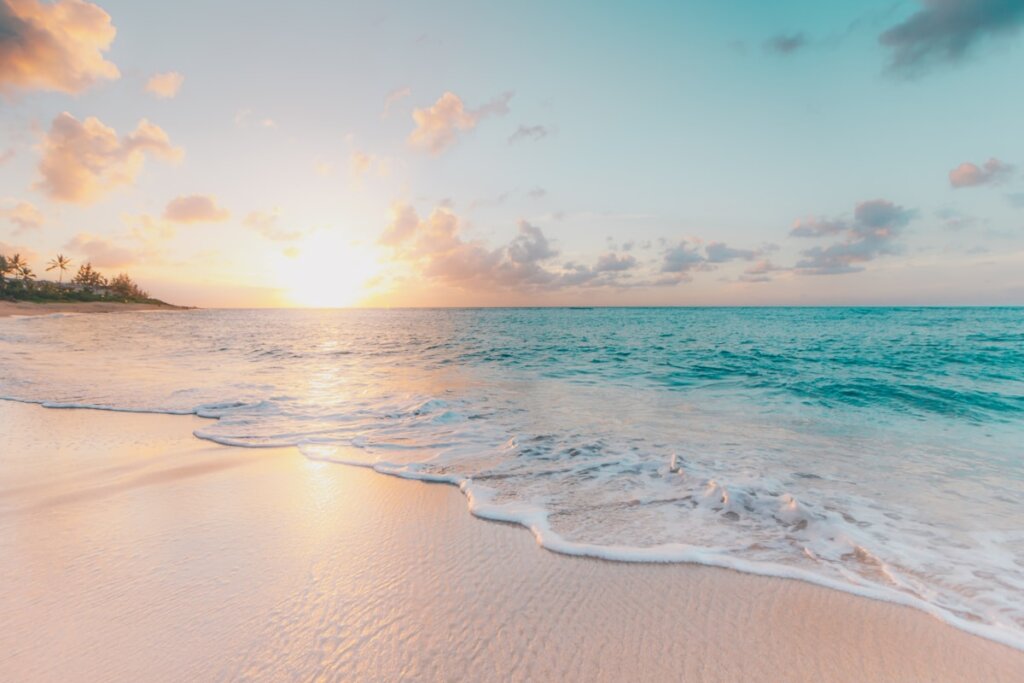

February is one of the very best months to visit El Nido. It sits in the heart of the dry season, delivering sunny skies, calm seas, and excellent underwater visibility for island hopping and snorkeling. This guide covers February weather, sea conditions, crowds and prices, the top things to do, what to pack, and a suggested itinerary so you can plan a trip that makes the most of Palawan’s peak-season sweet spot.
El Nido February Weather at a Glance
February falls squarely within the amihan (northeast monsoon) dry season. Expect daytime highs around 30–32°C (86–90°F), warm nights near 24°C (75°F), very low rainfall, and long hours of sunshine. Humidity is noticeably lower than in the wet months, and the steady trade winds keep afternoons feeling pleasant rather than oppressive. Brief showers are possible but uncommon, so most days are dominated by clear blue skies, which is exactly what you want for boat tours, beach time, and photography.
Sea conditions are typically calm on the sheltered inner islands of Bacuit Bay, though the northeast wind can raise a light chop on more exposed routes in the morning, easing by midday. Underwater visibility is among the best of the entire year, frequently exceeding 15 metres, which makes February a standout month for both diving and snorkeling. The reliable weather also means fewer tour cancellations, so you are unlikely to lose a planned island-hopping day to rough seas.
Crowds, Prices, and Booking
Because the weather is so dependable, February is firmly high season. You will share the famous lagoons with more boats, especially between mid-morning and early afternoon, and the town buzzes in the evenings with a lively restaurant and bar scene. Accommodation and tour prices sit near their annual peak, and the best resorts book out weeks in advance, particularly around Valentine’s weekend and Chinese New Year, when demand from both international and domestic travelers spikes further.
To get the trip you want, book flights, boat transfers, and hotels as early as you can, and reserve permit-limited tours such as the Big Lagoon well ahead of arrival. Starting island-hopping tours at the first departure of the day is the single most effective way to enjoy the lagoons before the crowds arrive. If you are traveling on a tighter budget, our budget 7-day itinerary shows how to enjoy peak season without overspending.
February vs Other Months
The table below compares February with a shoulder month and a wet month so you can weigh the trade-offs at a glance.
| Factor | February (Peak Dry) | June (Shoulder) | September (Wet) |
|---|---|---|---|
| Rainfall | Very low | Moderate | High |
| Sea conditions | Calm, clear | Variable | Often choppy |
| Crowds | High | Moderate | Low |
| Prices | Peak | Mid | Lowest |
| Best for | Island hopping, diving | Value + decent weather | Solitude, green scenery |
For the complete month-by-month picture, see our best time to visit El Nido guide. In short, if clear skies and calm water top your list and you can accept peak prices and crowds, February is hard to beat.
Top Things to Do in El Nido in February
With the weather cooperating, February is the month to prioritize the water. Island Hopping Tour A covers the Big Lagoon, Small Lagoon, and Secret Lagoon, while Tour C reaches Hidden Beach, Matinloc Shrine, and the dramatic Secret Beach. Snorkeling is excellent thanks to high visibility, and divers enjoy some of the calmest, clearest conditions of the year. Beyond the boats, February is ideal for kayaking the Big Lagoon at your own pace, hiking to the Taraw Cliff viewpoint in the cooler morning hours, and relaxing on the long golden sweep of Nacpan Beach. Sunsets are reliably vivid this month, so build in at least one evening for a drink on the sand or a sunset cruise across Bacuit Bay.
Where to Stay in February
Because rooms are in high demand, decide early which base suits your trip. Staying in El Nido town puts you steps from restaurants, tour operators, and the pier, which is convenient but livelier at night. Corong-Corong, just south, is quieter and known for its sunsets, while beachfront resorts on Bacuit Bay and the Lio area offer a more secluded, upscale feel. Whichever you choose, reserve well ahead, as the best-value and best-located properties disappear first during peak season.
What to Pack for February
Pack light, breathable clothing, swimwear, a rash guard for sun protection during long boat days, reef-safe sunscreen, a hat, and sunglasses. Water shoes help on rocky beach entries, and a dry bag protects your phone and camera on tours. Evenings are mild, so a single light layer is plenty. Because the February sun is strong, prioritize UV protection over rain gear. Our what to wear in El Nido guide has a full seasonal checklist.
Suggested 4-Day February Itinerary
Day 1: Arrive, settle in, and catch sunset from the town beach or Corong-Corong. Day 2: Tour A for the Big and Small Lagoons and Secret Lagoon, taking the earliest departure to beat the crowds. Day 3: Tour C for Hidden Beach, Matinloc Shrine, and Secret Beach, or a private charter for flexibility. Day 4: A relaxed morning at Nacpan Beach or Las Cabanas before departure. This pace balances the marquee lagoons with quieter beach time and leaves room for a spontaneous private boat charter if you want to escape the busiest hours.
Frequently Asked Questions
Is February a good time to visit El Nido?
Yes. February is peak dry season with sunny skies, calm seas, and top underwater visibility, making it one of the best months for island hopping, though it is also one of the busiest and priciest.
Does it rain in El Nido in February?
Rarely and only briefly. February has very low rainfall and is dominated by clear, sunny days.
Is the sea calm in February?
Generally yes on the sheltered inner islands, though the northeast wind can create a light morning chop on more exposed routes.
Should I book in advance for February?
Definitely. February is high season and the best resorts and permit-limited tours sell out weeks ahead, especially around Valentine’s Day and Chinese New Year.