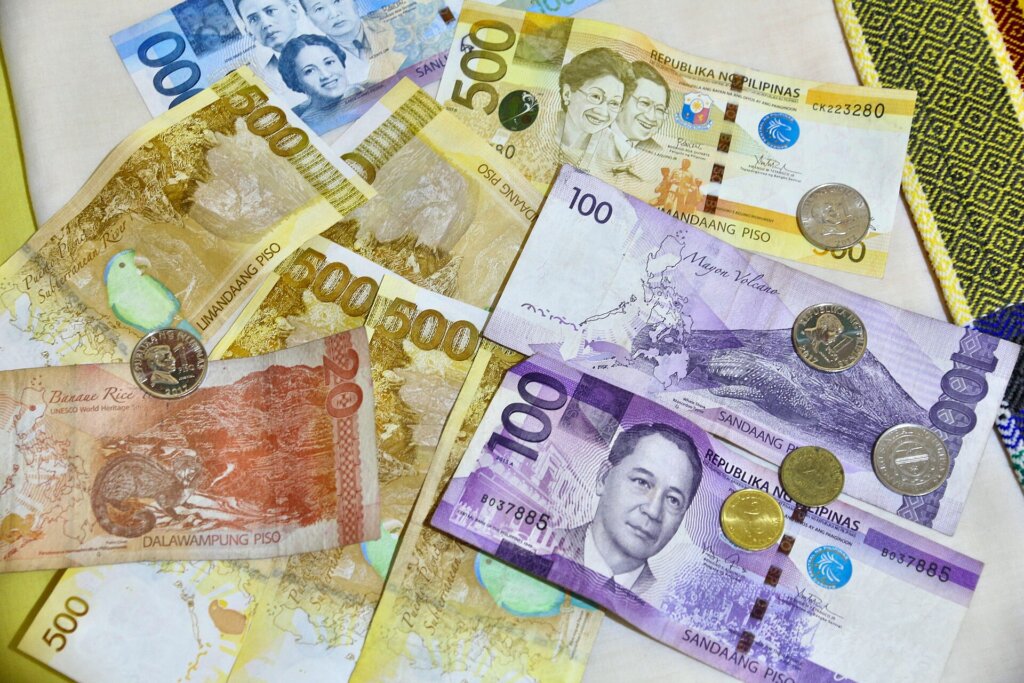
If you need money sent to you in El Nido, the fastest options are a cash-pickup remittance (collected at a pawnshop or remittance outlet in town with your passport and reference number) or a transfer into a GCash or Maya wallet; ask the sender to use your name exactly as it appears on your passport.
El Nido has ATMs, but not many, and they are known for running out of cash on busy weekends, rejecting some foreign cards and going offline during power or network outages. Add a lost wallet, a blocked card or a phone that fell into Bacuit Bay, and travelers sometimes find themselves needing money sent from home — fast.
This guide focuses on receiving money specifically for travelers who are already in El Nido and have run short of cash, whether because of a lost card, ATM problems or an unexpected expense such as a medical bill or a rebooked flight. It explains the realistic options, what you need to collect funds, and how to avoid the scams that target stranded travelers.
The unique angle: in the Philippines, remittances are a huge everyday industry — millions of families receive money from relatives working abroad — so the infrastructure to collect cash exists even in small towns. Knowing how to use it can save a trip.
When You Might Need a Remittance in El Nido
Most visitors never need this guide. But a few situations come up again and again:
- Lost or stolen cards. If your only card is gone, you may not be able to withdraw cash until a replacement arrives — which can take weeks. See our El Nido police report and insurance claim guide for the first steps.
- ATM problems. Machines in town can run dry during peak periods or reject certain foreign cards. Our El Nido ATM and withdrawal fees guide explains the typical issues.
- Unexpected costs. Clinic bills, a cancelled flight, an extra night when boats are suspended for weather, or a deposit hold that ties up funds.
- Cash-only payments. Some small guesthouses, tricycle drivers and tour stalls only accept cash or local e-wallets.
Your Three Main Options
1. Cash pickup at a remittance outlet. International services such as Western Union and other money-transfer companies let the sender pay online or at an agent abroad, after which you collect pesos in cash at a partner location. In the Philippines, partner locations are often pawnshops and remittance centers — large local chains operate widely across Palawan. Always check the provider’s branch locator for current El Nido outlets and opening hours before you walk over.
2. Transfer to a local e-wallet. If you already have a verified GCash or Maya account — which requires a Philippine mobile number and identity verification — some international transfer services, such as Wise and others, can deliver directly to the wallet. You can then pay merchants by QR code or cash out at partner outlets. Our comparison of Maya vs GCash vs cash in El Nido explains where each works.
3. Bank transfer to a Philippine account. Useful for long-stay visitors or anyone with a local account, but usually too slow and too complicated for a short-term emergency.
Step-by-Step: Collecting a Cash Pickup
- Ask the sender to use your exact name. It must match your passport, including middle names if they appear. Mismatches are the most common reason payouts are refused.
- Get the reference number. Each service issues a tracking or control number (Western Union calls it an MTCN). Ask the sender to message it to you, along with the exact amount and their full name and country.
- Bring your passport. Foreign visitors should present a valid passport. Photocopies or phone photos are generally not accepted.
- Go during business hours. Outlets keep shop hours and may close early on Sundays and holidays. Go in the morning to avoid queues and cash shortages.
- Fill out the receive form. You may be asked for the sender’s details, your local address (your hotel) and your phone number.
- Count your cash before leaving the counter, and put it away before you step outside.
The table below compares the main options at a glance.
Receiving Money in El Nido: Option Comparison
| Option | What You Need | Typical Speed | Best For |
|---|---|---|---|
| Cash pickup (international) | Passport, reference number, exact name | Often same day once sent | Lost cards, urgent cash |
| Transfer to GCash or Maya | Verified wallet, local SIM | Often fast; varies by provider | Paying merchants, QR payments |
| Bank transfer | Philippine bank account | Usually one or more business days | Long-stay visitors |
| Domestic remittance (within PH) | Valid ID, reference number | Usually quick | Money from friends in Manila or Cebu |
| Card cash advance at ATM | Working credit card, PIN | Instant if ATM works | When at least one card still works |
Fees, Limits and Exchange Rates
Remittance costs come from two places: the transfer fee and the exchange-rate margin. The sender usually pays the fee, but the rate determines how many pesos you actually receive, so compare the final peso amount rather than the advertised fee alone. Online-funded transfers tend to be cheaper than those paid by credit card.
Services set their own limits per transaction and per day, and larger amounts may trigger additional identity checks. In the Philippines, remittance and money-service businesses are regulated by the Bangko Sentral ng Pilipinas, which is why ID checks and recordkeeping are strict even for small transfers.
If you are comparing remittance with simply exchanging foreign cash, our guide to money changers vs ATMs in El Nido covers rates in town.
Sending Money Out of El Nido
The same outlets usually handle outgoing transfers too — useful if you need to pay a deposit to a resort or a boat operator elsewhere in the Philippines, or settle a debt with a travel companion. Domestic remittances are generally quick and inexpensive, and paying a Philippine business via GCash or Maya is often easiest of all.
For deposits, always verify the recipient through the business’s official website or verified social media page before sending. Once a cash-pickup transfer is collected, it is extremely difficult to reverse.
Building a Backup Plan Before You Arrive
The best remittance is the one you never need. Before you fly to Palawan, set up a few safeguards that make a cash emergency much less likely — and much easier to fix if it happens anyway.
- Carry a cash buffer. Withdraw enough pesos in Manila, Cebu or Puerto Princesa to cover several days of expenses, since El Nido’s ATMs are fewer and less reliable than those in cities.
- Split your cards. Keep one debit card and one credit card on different networks, stored in different bags, so a single theft does not cut you off.
- Save key numbers offline. Write down your bank’s international hotline, your card numbers’ last digits and your passport number, and keep a copy away from your wallet.
- Prepare a trusted sender. Agree in advance with a family member or friend that they will send money if needed, and share the exact spelling of your passport name.
- Consider a local e-wallet early. If you are staying several weeks, buying a local SIM and setting up an e-wallet gives you another channel. Our GCash in El Nido guide walks through how it is used in town.
With these basics in place, a lost card becomes an inconvenience rather than a crisis, and a remittance becomes a straightforward errand instead of a stressful scramble.
Avoiding Remittance Scams
Stranded travelers are targets. Keep these rules in mind:
- Never share your reference number with anyone except the sender and the counter staff. Anyone holding it, plus a matching ID, may be able to collect your money.
- Be suspicious of strangers offering to “help” you collect funds or to receive money on your behalf.
- Do not send money to people you met online who claim to be stuck in El Nido, and be wary of “tour deposits” requested by unverified pages.
- If a message from a friend or family member asks you to send money urgently, call them to confirm — account takeovers are common.
Tell your bank about your travel dates before you leave so that your cards are less likely to be blocked in the first place, and carry two cards from different networks kept in separate bags.
Key Takeaways
- Cash-pickup remittances are the most reliable emergency option for foreign visitors in El Nido.
- The sender must use your name exactly as it appears on your passport.
- Bring your original passport and the reference number; copies are usually refused.
- Compare the final peso amount, not just the fee, because exchange margins vary.
- GCash or Maya transfers work well only if your wallet is already verified.
- Never share your reference number and verify any request for money by phone.
Frequently Asked Questions
Can a foreigner receive Western Union money in El Nido?
Generally yes, at partner locations in town, using a valid passport and the transfer reference number. Check the provider’s locator for current El Nido outlets and hours.
What ID do I need to collect a remittance?
Foreign visitors should present an original, valid passport. The name must match the name the sender entered.
How fast can money reach me in El Nido?
Cash-pickup transfers are often available the same day once sent and paid, but timing depends on the service, payment method and outlet hours.
Can I receive money into GCash as a tourist?
Only if you have a verified GCash account, which requires a Philippine mobile number and identity verification. Some international services can then deliver to your wallet.
What if the outlet runs out of cash?
It can happen on busy days. Go in the morning, and if needed, try another outlet in town or wait until the next business day.
About the Author
This guide was compiled by the El Nido Hotels Ranking editorial team, with input from local operators and ongoing on-the-ground updates.