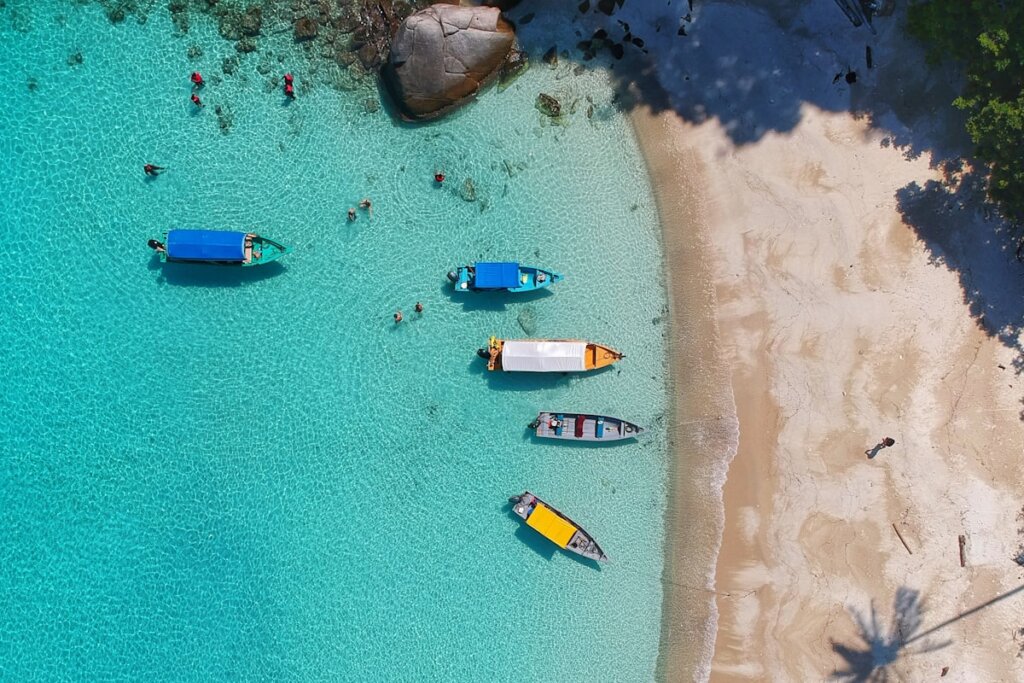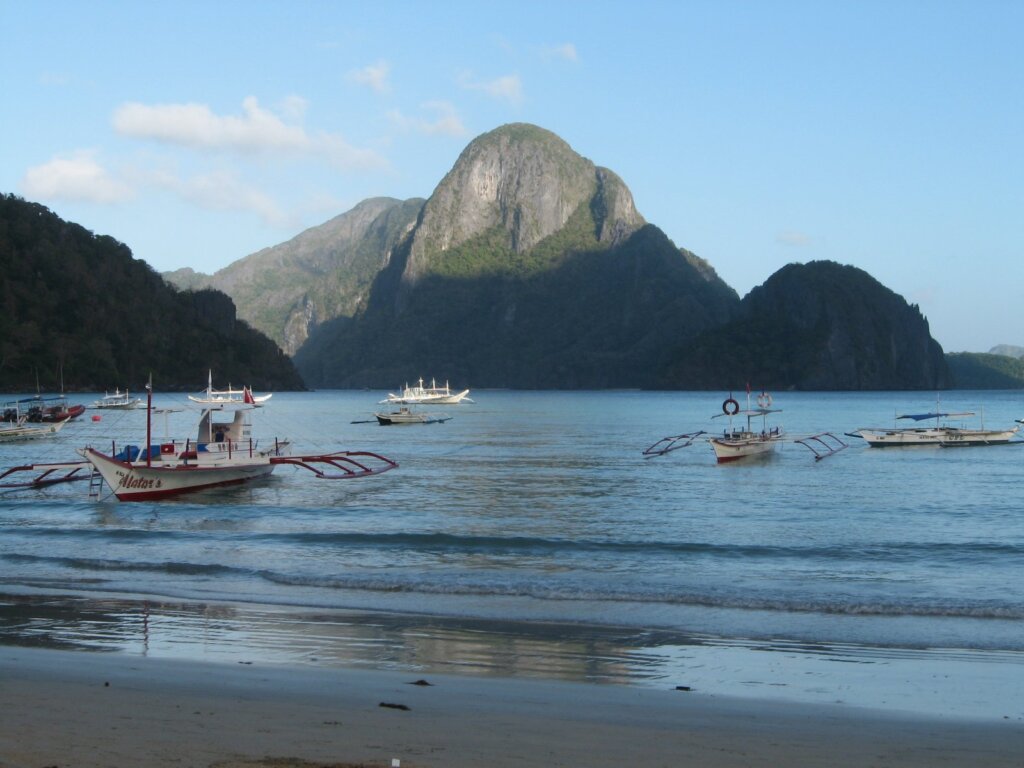

El Nido is one of the most photogenic places on earth, and it is tempting to send a drone soaring over the limestone islands of Bacuit Bay. Before you do, it pays to understand the rules, the etiquette and the practical limits of flying here. This guide covers Philippine drone regulations, where you can and cannot fly around El Nido, tour-boat etiquette and simple tips for capturing safe, legal and stunning aerial footage.
Philippine drone regulations in brief
Drones in the Philippines fall under the Civil Aviation Authority of the Philippines (CAAP). For most travelers with a small consumer drone flown purely for personal enjoyment, casual recreational flying is generally tolerated without a permit. However, commercial use, such as paid photography or content that earns money, and heavier drones typically require CAAP registration and, in some cases, a permit to operate.
Because aviation rules evolve, treat any single online source, including this one, as a starting point rather than the final word. Check CAAP guidance close to your travel date, carry proof of ownership, and keep your drone’s firmware and no-fly databases updated. If you are visiting for a big shoot, budget extra time for paperwork.
Where you can and cannot fly around El Nido
El Nido town and the surrounding Bacuit Bay sit inside a managed protected area, and the region has a small commercial airport. Two hard rules follow from this. First, never fly near the airport or its flight paths. Second, respect protected-area restrictions on certain islands and lagoons, where drones can disturb nesting birds and other visitors.
General open beaches such as Nacpan or Las Cabanas at quiet times are usually the most relaxed places to fly, provided no crowds are below. Inside the famous lagoons, however, expect restrictions and heavy boat traffic. When you are unsure, the safe default is simple: do not fly.
Quick reference: fly or no-fly
| Location | Drone friendliness | Notes |
|---|---|---|
| Near El Nido airport | No-fly | Airports and approaches are off-limits |
| Big and Small Lagoon | Restricted | Protected area, crowds, often not allowed |
| Open beaches (quiet times) | Usually OK | Keep clear of people and wildlife |
| Resort grounds | Ask first | Private property, guest privacy |
| Island hopping boats | Ask guide | Depends on operator and other guests |
Etiquette on island hopping tours
Shared boats are the heart of an El Nido trip, and a buzzing drone can quickly annoy other passengers. Ask your guide and boatmates before launching, keep flights short, and avoid hovering over people or swimmers. Launching and landing from a rocking boat is also genuinely risky, so many photographers save aerial work for stable beaches. If you want more control over your schedule and flying opportunities, consider a private boat, as explained in our guide to island hopping vs private boat charter.
Best conditions for aerial photography
Light and weather make or break aerial shots. The golden hours just after sunrise and before sunset give warm tones and long shadows across the limestone cliffs, while midday sun flattens the scene. Calm, clear mornings in the dry season deliver the glassiest water and the safest flying. Our best time to visit guide explains the seasonal patterns, and for ground-level composition ideas see the sunrise and sunset photography guide.
Wind is the aerial photographer’s main enemy here. Sea breezes pick up through the day, so plan flights early. Always keep line of sight, watch your battery in humid heat, and land with margin to spare rather than pushing to the last percent.
Practical tips and packing
Bring more batteries than you think you need, plus a fast charger, because power can be intermittent in town. Pack propeller guards, ND filters for bright tropical light and plenty of storage. Salt air and sand are hard on gear, so wipe your drone down after beach sessions and store it with silica gel. Register your gear details and keep receipts in case customs or officials ask.
Finally, fly like a guest. El Nido’s beauty is fragile and its community values a calm atmosphere. New visitors often underestimate the crowds and the rules, so it is worth reading our list of first-timer mistakes to avoid before you arrive. A little courtesy keeps drones welcome for everyone who comes after you.
Choosing the right drone and camera settings
For travel to El Nido, a compact, foldable drone in the sub-250-gram class is the sweet spot. Lighter drones face fewer registration hurdles in many countries, pack easily into a day bag and handle the region’s breezes reasonably well, though they can struggle in stronger afternoon gusts. Whatever model you bring, make sure it has GPS positioning, obstacle sensing and a reliable return-to-home function, all of which matter when you are flying over water with no safe emergency landing spot below.
On the settings side, shoot in the highest resolution your card can handle, drop the shutter with ND filters to tame the fierce tropical light, and expose slightly for the highlights so the bright water does not blow out. Flying low and slow over the limestone karsts produces the most dramatic reveals, while a straight-down top-down shot of a turquoise lagoon is the classic El Nido frame. Always keep the horizon level and give yourself plenty of battery margin for the flight home.
Respecting wildlife, privacy and the community
El Nido’s appeal rests on a fragile balance of protected reefs, nesting seabirds and a community that prizes a calm atmosphere. Never fly low over wildlife, chase birds or hover above swimmers and sunbathers, all of which cause real stress and can prompt local bans. Resorts and private beaches expect you to ask before flying, and pointing a camera into villas or pool areas is an obvious privacy breach that gives visiting pilots a bad name.
Think of every flight as a small ambassadorial act. Responsible pilots keep drones welcome, while a handful of careless ones can trigger blanket restrictions that ruin it for everyone. Fly early when beaches are empty, keep sessions short, pack out everything you bring and follow the same courtesy you would want from a stranger overhead. That mindset, more than any gadget, is what lets you leave with breathtaking footage and a clear conscience.
Frequently asked questions
Do I need to register my drone to fly in El Nido?
If you fly recreationally with a small consumer drone, registration is generally not required, but any commercial use, or heavier drones, must be registered with the Civil Aviation Authority of the Philippines (CAAP). Rules change, so confirm current requirements before you travel.
Can I fly a drone on El Nido island hopping tours?
Sometimes, but not always. Many boat operators and other guests prefer no drones, and some tour stops inside the protected area restrict them. Always ask your guide first and keep flights short and considerate.
Is it legal to fly near El Nido airport?
No. El Nido has a small commercial airport, and flying near any airport or its approach paths is prohibited. Keep well clear and check for other airstrips before launching.
Are there no-fly zones in Bacuit Bay?
El Nido sits within a protected area, so some lagoons and islands limit or ban drones to protect wildlife and visitor experience. When in doubt, do not fly, and never chase birds or fly low over people.