Most beach guides rank sand by colour and crowd size, but anyone who has hobbled across coral rubble in bare feet knows texture matters just as much. This comparison focuses on sand specifically for travelers who care about how a beach feels underfoot: families with toddlers, barefoot walkers, sunbathers who want to lie flat, and swimmers who dislike sharp entries. Conditions shift with storms and tides, so treat the descriptions as typical patterns rather than guarantees.
- Why sand texture is worth comparing
- The three texture types you will meet
- Beach-by-beach comparison
- Best sand for families with young children
- Best sand for sunbathing and lying flat
- Best sand for walking, jogging and photography
- Accessibility, strollers and mobility
- Seasonal changes in sand and shoreline
- Swimming, snorkeling and entry points
- Practical checklist before you go
- Frequently asked questions
Why sand texture is worth comparing
El Nido sits on limestone and coral reef, so its beaches are built from a different recipe than a volcanic or granite coast. Fine, pale sand is usually ground-up shell and coral, while darker or grittier stretches may include rock fragments carried down from the karst. The mix changes metre by metre: a beach can be powdery above the high-tide line and rubbly in the shallows. Seasons matter as well, because heavy swells in the wet months strip sand in some places and pile it up in others.
That is why a single “best beach” ranking rarely helps. A photographer wants golden light and long lines, while a parent wants a gentle, soft entry into the water. If you are still choosing between bases, our Nacpan versus Las Cabanas comparison and the Seven Commandos versus Las Cabanas guide explain the wider trade-offs, and this article adds the underfoot detail.
The three texture types you will meet
Soft, fine sand
This is the powder that squeaks slightly and stays cool when it is damp. It is comfortable to sit and lie on, easy on toddlers and gentle in the shallows. The downside is that it clings to everything and finds its way into bags and cameras.
Coarse shell grit
Coarse sand contains broken shell fragments and small pebbles. It drains well and rarely turns into mud, but it can feel scratchy on sensitive skin and uncomfortable to lie on without a mat. It is usually fine to walk on but less pleasant to sit on for an hour.
Coral rubble and rock
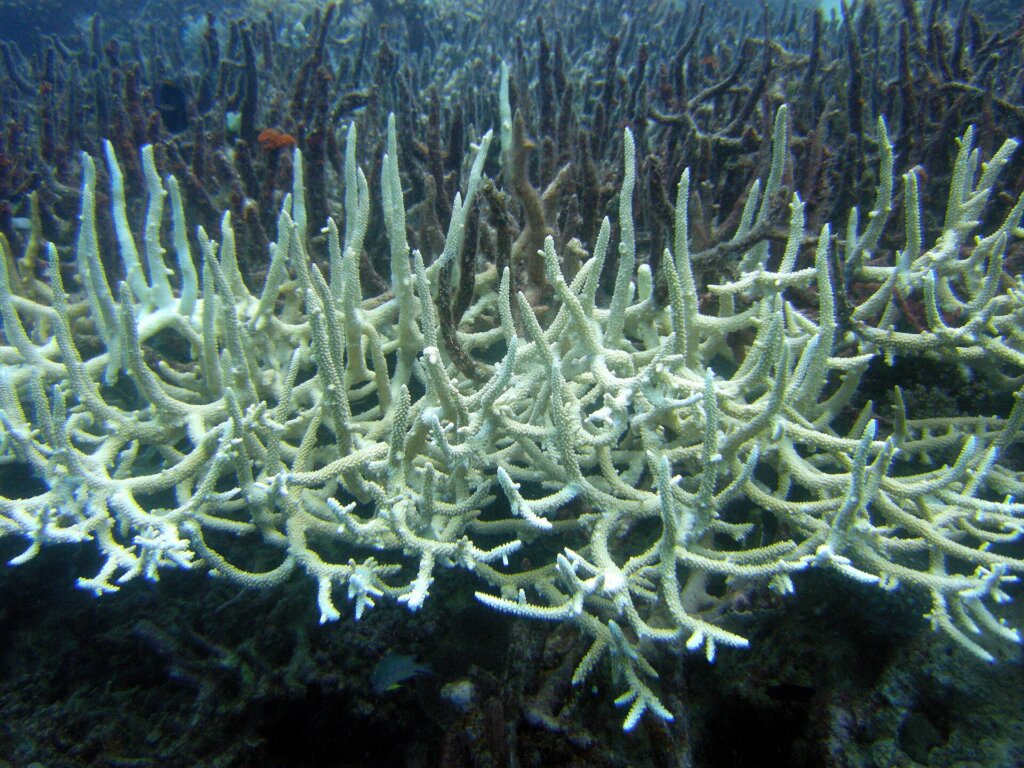
Rubble beaches are made of larger broken coral and stones. They are great for snorkeling access in some places, because the reef is close, but they are the hardest on bare feet and the most likely to hide sea urchins. Reef shoes are strongly recommended, and our guide to sea urchin stings explains why.
Beach-by-beach comparison
| Beach | Typical sand feel | Water entry | Best for |
|---|---|---|---|
| Nacpan | Soft to medium, golden, long and open | Gradual, waves can be strong | Long walks, sunbathing, photos |
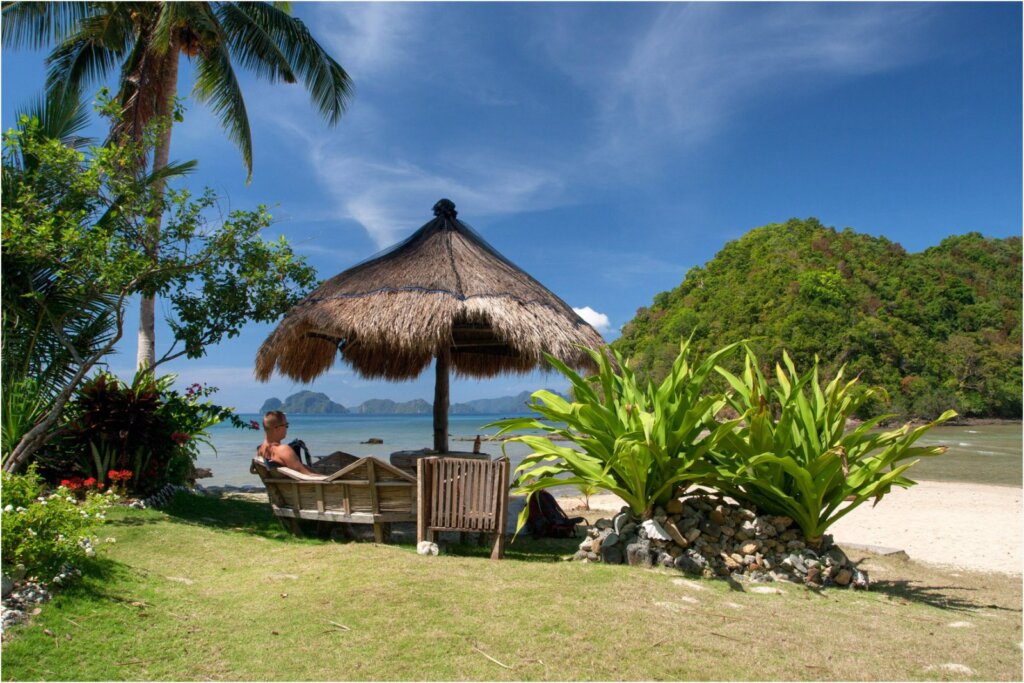
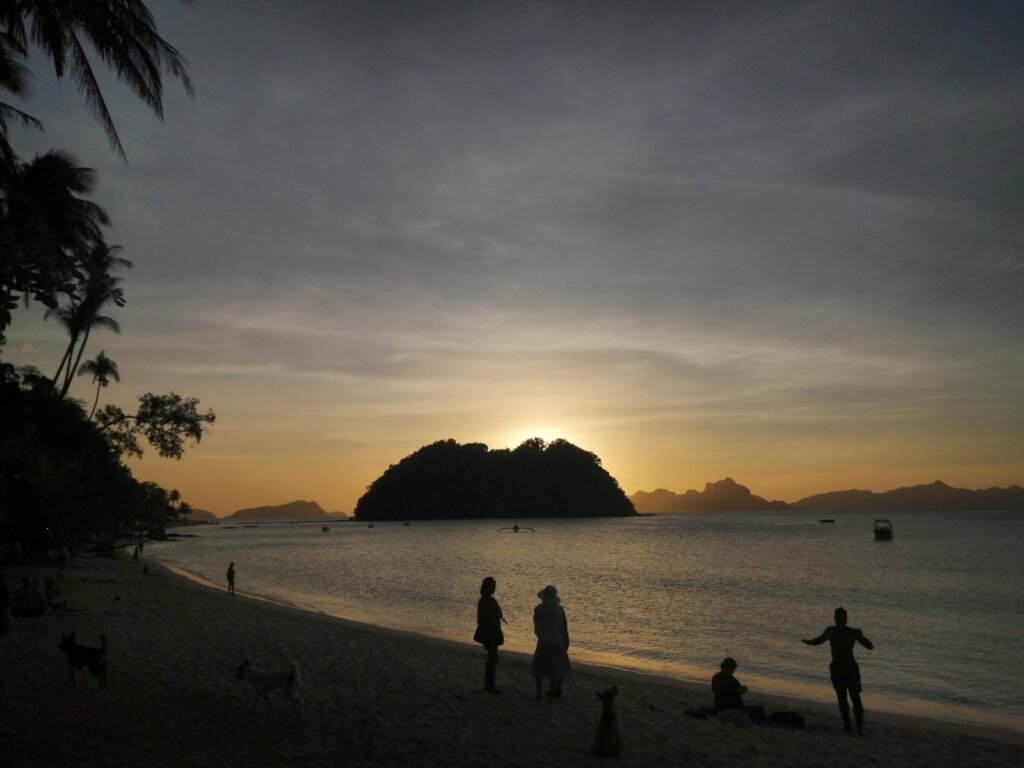
| Las Cabanas | Soft near the shore, some shell grit | Shallow and gentle | Sunset viewing, casual swims |
| Marimegmeg | Mixed sand with rocky patches | Uneven, rocky in places | Quiet afternoons, reef shoes needed |
| Duli | Medium sand with rocky edges | Variable, can have surf | Swimmers who like some waves |
| Corong-Corong | Softer sand, tidal flats at low water | Shallow, muddy at very low tide | Kids at high tide, sunsets |
These are general patterns, not measurements. Check recent photos or ask your hotel on arrival, particularly after storms.
Best sand for families with young children
For toddlers, prioritise a soft base and a slow-rising seabed. Beaches with fine sand and a shallow entry let little ones play at the water line without stumbling on rock. Corong-Corong at high tide, parts of Las Cabanas and quieter stretches of Nacpan fit this profile better than rubble beaches. Still, bring reef shoes for everyone, a sun shelter, and plenty of fresh water; see our Corong-Corong neighborhood guide for places to stay close to calm sand.
Always check the tide before heading out. A shallow bay that looks perfect at high water can turn into muddy flats a few hours later, and the reverse can happen on beaches with shoreline reef. The tide times guide makes planning easy.
Best sand for sunbathing and lying flat
If you want to nap on the sand, look for the softest, driest zone above the high-tide line. Nacpan and the upper part of Las Cabanas are strong choices, because the sand is deep and fairly even. Bring a woven mat or a large sarong so you are not lying on shell fragments, and shake it out before you pack; damp sand holds sandflies. Our sandfly and insect bite guide covers prevention, and a good reef-safe sunscreen is essential because pale sand reflects UV upward onto your face and neck.
Midday sand can become hot enough to burn bare soles. Keep a pair of sandals within reach, and try to reserve beach time for early morning or late afternoon.
Best sand for walking, jogging and photography
Long, firm stretches are best for walks. Wet sand near the waterline is firmer than dry sand and gentler on joints, and low tide reveals even more walkable ground. Check the low-tide beach walks schedule to line up your outing, and keep an eye on the incoming water so you are not cut off by rocks at the far end.
Photographers should remember that colour changes with the time of day. Soft morning light makes pale sand glow, while late sun adds gold. Avoid placing gear on damp sand, protect lenses from blowing grains, and wipe equipment down after each session.
Accessibility, strollers and mobility
Soft sand is lovely to look at but hard work for wheels. Strollers sink, walking aids slip, and anyone with knee or ankle problems will find deep, dry sand tiring. Firm damp sand close to the waterline is far easier, and some hotel frontages have packed paths or boardwalks that make the first stretch simpler. If mobility is a concern, choose a beach with a short, level approach and ask your accommodation whether staff can help carry bags or set up chairs on firm ground. Our Payag versus Las Cabanas comparison also gives a sense of how access differs between neighbouring beaches.
For travelers who prefer to skip the sand entirely, many restaurants and beach clubs have raised decks and shaded seating where you can enjoy the view with no walking at all. That is a perfectly good way to experience a beach, and it keeps both strollers and sore joints comfortable.
Seasonal changes in sand and shoreline
Beaches here breathe with the monsoon. During the calmer months the sea deposits sand and builds out the beach, so shorelines tend to feel wider and softer. During stormier periods, waves can cut steps into the sand, expose rock and wash seaweed and debris onto the shore. None of this is a problem; it is simply part of how the coast works, but it does change what you will experience underfoot.
If you are travelling in the wetter months, plan flexible days and check conditions each morning. Local lifeguards, hotel staff and boat crews are usually the best source of up-to-date information, and they will happily point you to the calmest, softest stretch of the day. When the sea is rough, swim only where it is clearly safe and stay out of the water if red flags or warnings are posted.
Swimming, snorkeling and entry points
Sand is only half the story; what lies beneath the surface decides your comfort in the water. Soft sand bottoms are the easiest to enter but offer little to see. Rubble and rock bottoms often sit close to reef and snorkeling, yet they punish bare feet and surf can drag you across them. If you plan to snorkel from the shore, wear reef shoes or fins, enter at a calm spot, and look before you step. Our tide chart guide for sandbars and lagoons also helps you spot when sandbars appear and disappear.
Ask the staff at your hotel or beach hut which entry is the softest. Locals know exactly where the shell grit turns to sand, and they will often point you to a more comfortable stretch only metres away.
Practical checklist before you go
A few small items make any beach more comfortable. Pack reef shoes or sturdy water sandals, a lightweight mat or sarong, a dry bag for valuables, plenty of drinking water, and a small mesh bag for shells you must leave behind. Respect the environment by taking all rubbish with you and leaving natural materials where they lie; the Department of Environment and Natural Resources shares conservation rules at denr.gov.ph, and the Philippine Department of Tourism lists local guidance at tourism.gov.ph. For broader context on coastal protection, UNESCO profiles Palawan’s protected marine sites at whc.unesco.org.
Finally, remember that beaches are living landscapes. A spot that feels soft in November may look very different after a storm in August, so use this guide as a starting point, check local conditions on arrival, and enjoy the differences rather than chasing a single perfect shoreline. If a beach turns out coarser than expected, move along the coast; a better stretch of sand is usually only a short ride away.
Frequently asked questions
Which El Nido beach has the softest sand?
Nacpan and parts of Las Cabanas are commonly described as having the softest, most comfortable sand, though conditions vary by season and by the part of the beach you choose.
Do I need reef shoes at El Nido beaches?
Yes at rocky or rubble beaches such as Marimegmeg and some Duli shoreline stretches. They also protect against sea urchins, so bringing a pair is sensible almost everywhere.
Is the sand hot at midday?
Dry sand can become hot enough to burn bare feet, so carry sandals and visit in the morning or late afternoon whenever possible.
Which beach is best for toddlers?
Choose a soft, shallow entry such as Corong-Corong at high tide or a quiet stretch of Las Cabanas, and always check tides and bring sun protection.
Does the sand change with the seasons?
It can. Wet-season swells and storms move sand around, so a beach that is soft in one month may be rockier or narrower in another.