TL;DR: Most El Nido car rentals start in Puerto Princesa; self-drive is possible with a valid foreign license for up to 90 days after arrival, but a car with driver is often simpler for the 5–6 hour highway trip, and a scooter or tricycle is better once you are in town.
Most visitors reach El Nido by van, bus or a direct flight, then get around by tricycle and boat. But a growing number of travelers — families with young children, groups of friends, and road-trippers combining Port Barton, San Vicente and El Nido — want their own wheels. This guide focuses on car rental specifically for travelers who want to drive to or around El Nido, and helps you decide between self-drive and hiring a car with a driver.
Our unique angle is decision-first: we start with whether a car actually makes sense for your trip, then walk through licenses, booking, insurance and the road itself. If you would rather skip driving entirely, compare this with our El Nido private transfers guide and Puerto Princesa to El Nido bus guide.
Do You Actually Need a Car in El Nido?
El Nido town is compact, and the main attractions — Bacuit Bay’s islands and lagoons — are reached by boat, not by road. For a classic three- to five-day stay based in town or Corong-Corong, a car is usually unnecessary; tricycles are cheap and plentiful (see our tricycle fares guide).
A car starts to make sense when:
- You are traveling with young children and car seats.
- You are a group of four or more splitting costs.
- You want to explore the northern beaches (Nacpan, Duli, Bucana and beyond) on your own schedule.
- You are doing a multi-stop Palawan road trip from Puerto Princesa via Port Barton or San Vicente.
- You are staying in a remote resort far from the town center.
Self-Drive vs Car with Driver vs Other Options
| Option | Best for | Pros | Cons |
|---|---|---|---|
| Self-drive rental car | Confident drivers, road-trippers | Full flexibility, stop anywhere | Navigation, night driving, parking, damage liability |
| Car or van with driver | Families, first-timers, groups | No driving stress, local knowledge, door-to-door | Higher cost, less spontaneity |
| Shared van | Solo travelers, budget trips | Cheap, frequent departures | Fixed schedules, cramped, multiple stops |
| Scooter rental | Short trips around El Nido | Cheap, easy to park | Weather exposure, license and helmet rules |
| Tricycle | Town and nearby beaches | No planning, affordable | Slow for longer distances |
For scooters specifically, our scooter rental, license and checkpoint guide covers the rules in detail.
Driver’s License Rules for Foreign Visitors
According to the Land Transportation Office (LTO), tourists with a valid foreign driver’s license may drive in the Philippines for up to 90 days from their date of arrival. Beyond that, you need a Philippine license. Practical tips:
- Carry your physical license and your passport (showing your arrival stamp) whenever you drive.
- If your license is not in English, carry an International Driving Permit or an official translation.
- Rental companies usually require a minimum age (often 21 or older) and may ask for a security deposit.
- Seatbelts are mandatory, and the Child Safety in Motor Vehicles Act requires appropriate child restraints for young children; request a car seat when booking.
- Using a phone while driving is prohibited under the Anti-Distracted Driving Act; mount your phone for navigation before you set off.
Step-by-Step: How to Rent a Car for El Nido
Step 1: Choose where to pick up
Puerto Princesa has the widest range of rental companies, and many deliver to the airport. Inside El Nido, self-drive cars are scarce, though hotels and transport operators can arrange vans and cars with drivers. If you fly into El Nido’s Lio Airport, ask your hotel in advance.
Step 2: Compare quotes carefully
Check what is included: unlimited mileage, insurance, driver’s meals and accommodation (for multi-day hires with driver), fuel policy, and one-way drop-off fees if you plan to return the car somewhere else.
Step 3: Ask about insurance
Compulsory Third Party Liability (CTPL) insurance is required for all registered vehicles in the Philippines, but it only covers injury to third parties. Ask whether the rental includes comprehensive coverage, what the deductible is, and how accidents should be reported. Many travel insurance policies exclude rental car damage, so read yours.
Step 4: Inspect the vehicle
Photograph and video every side of the car, the interior, the fuel gauge and the odometer before leaving. Test the air-conditioning, lights, wipers and horn — you will use the horn more than you expect, as a polite “I’m passing” signal.
Step 5: Plan your drive
Leave Puerto Princesa early in the morning. The national highway runs north through Roxas and Taytay and is paved, but it includes winding stretches, road works and slow vehicles. Refuel in Roxas or Taytay, take breaks every couple of hours, and aim to arrive in El Nido before dark.
Step 6: Sort out parking
Parking in El Nido’s town center is tight, with narrow streets and heavy tricycle traffic. Confirm parking with your hotel before arrival, and plan to leave the car parked for in-town trips.
What Drives the Cost of a Car Rental
Prices change with season and demand, so rather than quoting numbers that go out of date, here are the factors that move your total up or down:
- Season: rates and availability tighten from December to May, especially around Christmas, New Year and Holy Week. Book several weeks ahead for those dates.
- Vehicle type: compact sedans are cheapest, while SUVs and 10- to 14-seat vans cost more but split well across a group.
- Self-drive vs driver: a driver adds a daily fee, and for overnight trips you may also need to cover their meals and lodging. Ask whether this is included.
- One-way fees: picking up in Puerto Princesa and dropping off in El Nido usually adds a repositioning charge, because the car has to be driven back.
- Fuel policy: most companies use full-to-full; returning the car with less fuel is charged at a premium.
- Deposit: expect a refundable cash or card hold for self-drive rentals; get a written receipt.
For groups of four or more, a van with driver from Puerto Princesa often costs about the same per person as separate shared-van seats, with far more comfort and the freedom to stop at viewpoints along the way.
Road Conditions and Driving Tips in Northern Palawan
- Drive on the right. Overtake on the left, and expect motorbikes to pass on both sides.
- Watch for slow traffic. Tricycles, bicycles, pedestrians, dogs, chickens and the occasional carabao share the road.
- Avoid night driving. Street lighting is limited outside towns, and unlit vehicles are common.
- Expect checkpoints. Police and local checkpoints occur in Palawan; slow down, open your window, be polite and have documents ready.
- Respect the weather. Heavy rain in the southwest monsoon (roughly June to October) can reduce visibility and create potholes. Check PAGASA advisories before long drives.
- Fuel up when you can. Stations are reliable in towns, but sparse on some rural stretches.
Popular Self-Drive Routes from El Nido
Northern beaches loop: Nacpan and Calitang twin beaches, then Duli Beach and quiet coastal villages. Roads have improved, but some access lanes remain rough.
Lio and Sibaltan: visit the Lio tourism estate, then continue east toward Sibaltan on the other side of the peninsula for a quieter coastline.
Palawan road trip: combine Puerto Princesa, Port Barton or San Vicente’s Long Beach, and El Nido over five to seven days. The Department of Tourism has useful regional information.
For a broader comparison of in-town transport, read our bicycle vs scooter vs tricycle guide.
Key Takeaways
- Rent in Puerto Princesa for the widest choice; self-drive options inside El Nido are limited.
- A valid foreign driver’s license can be used for up to 90 days from arrival; carry your passport and an International Driving Permit if your license is not in English.
- The Puerto Princesa–El Nido drive takes roughly 5–6 hours on the paved national highway via Roxas and Taytay.
- A car with driver costs more but removes navigation, night-driving and parking stress.
- Confirm insurance coverage and the deductible, and photograph the car before departure.
- In El Nido town, park at your hotel and use tricycles or a scooter for short hops.
Frequently Asked Questions
Can tourists rent a car in El Nido?
Yes, but most rental cars are based in Puerto Princesa and delivered to the airport. Inside El Nido, self-drive cars are limited, while vans and cars with drivers are widely available through hotels and transport operators.
Can I drive in the Philippines with a foreign license?
Generally yes. Under Land Transportation Office rules, a valid foreign license can be used for up to 90 days from your arrival date. If your license is not in English, carry an official translation or an International Driving Permit along with your passport.
Which side of the road do they drive on in the Philippines?
The Philippines drives on the right-hand side of the road, with left-hand-drive vehicles, similar to the United States and most of continental Europe.
How long is the drive from Puerto Princesa to El Nido?
Typically about 5 to 6 hours without long stops, covering roughly 230 to 270 kilometers depending on your starting point. Allow extra time for meals, road works and checkpoints.
Is a car with driver worth it in El Nido?
For most first-time visitors, yes. Drivers know the road, handle checkpoints and parking, and can wait while you visit beaches such as Nacpan. Self-drive suits confident drivers who want maximum flexibility for a Palawan road trip.
About the Author
This guide was compiled by the El Nido Hotels Ranking editorial team, with input from local operators and ongoing on-the-ground updates.
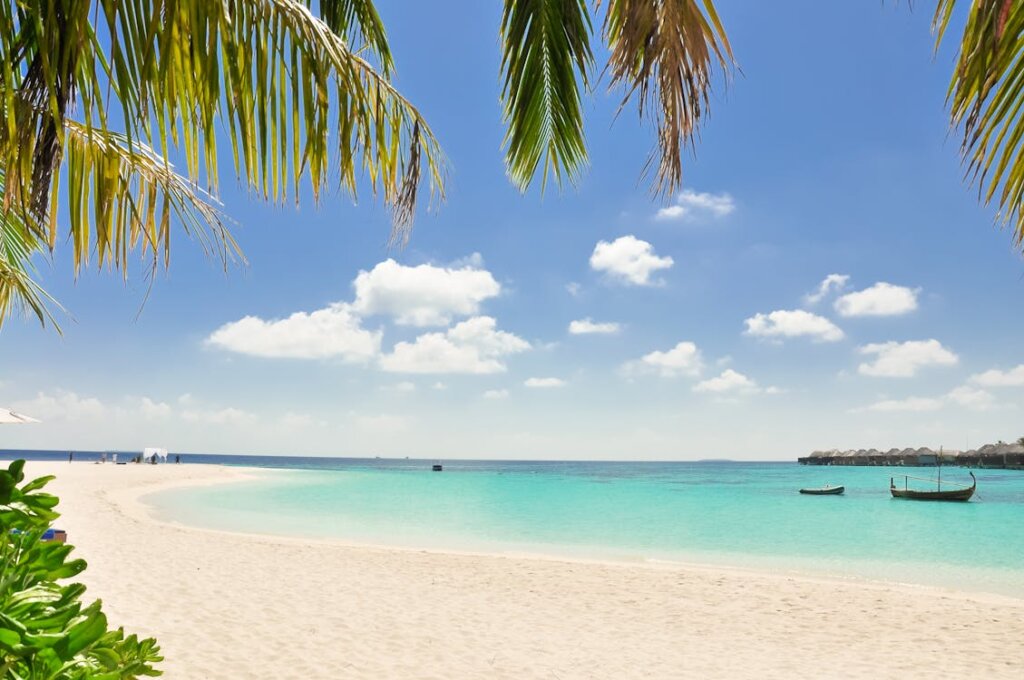
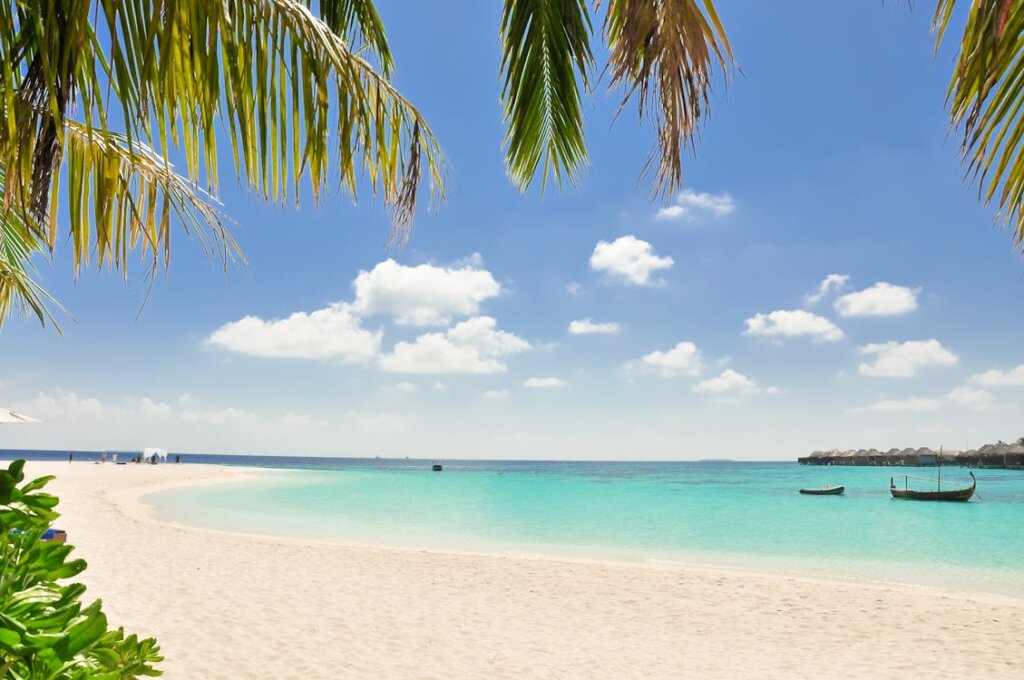
Featured photo: Tuderna (CC BY 3.0), via Wikimedia Commons.