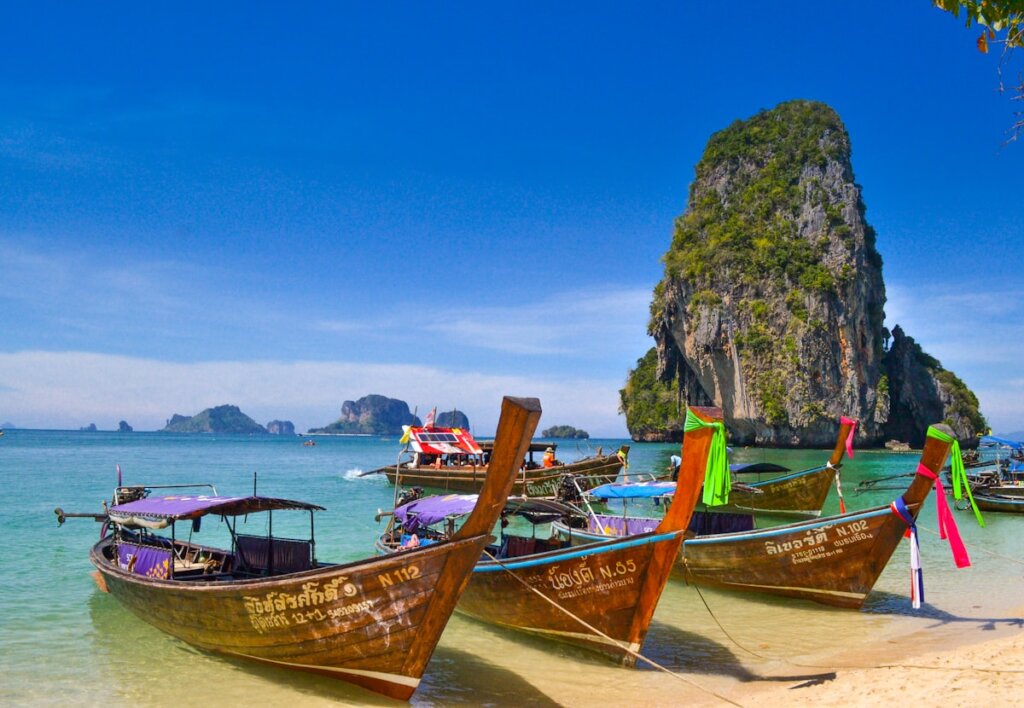

Duli Beach is El Nido’s off-the-radar escape: a long, wild sweep of golden sand on the northern coast where the crowds thin out, the waves roll in, and the pace slows right down. While most visitors funnel into the Bacuit Bay island-hopping tours, Duli rewards those willing to make the drive north with space, surf and a genuinely laid-back atmosphere. This 2026 guide covers where Duli is, how to get there, when the waves work, and what to expect from one of the region’s most peaceful beaches.
Where is Duli Beach?
Duli Beach lies on the northern coast of the El Nido municipality, roughly 30–40 km from the town proper and not far beyond the famous Nacpan Beach. Unlike the west-facing beaches around town, Duli faces the open sea, which is exactly why it picks up swell during the right months. The setting is rural and undeveloped: a handful of small resorts and eco-camps, coconut palms behind the sand, and long stretches where you may have the beach almost to yourself. If Nacpan is on your list too, our Nacpan Beach guide pairs naturally with a Duli day trip since they sit on the same northern run.
How to get to Duli Beach
Duli takes real effort to reach, and that is a big part of its appeal. Here are the main options from El Nido town.
| Option | Approx. cost (round trip) | Time (one way) | Best for |
|---|---|---|---|
| Scooter rental | ₱500–700/day + fuel | 60–90 min | Independent, confident riders |
| Tricycle (chartered) | ₱1,500–2,500 | 75–100 min | Couples and pairs without a bike |
| Van / private car | ₱2,500–4,000 | 60–80 min | Families or groups, comfort |
The road north is mostly paved but has rough and unsealed sections near the coast, plus a bumpy final approach to the sand. If you ride a scooter, go slowly, fill up in town, and avoid returning after dark when the road is unlit. Chartering a tricycle or van removes the stress and is well worth it if you are not comfortable on two wheels. Either way, treat Duli as a half- or full-day commitment rather than a quick stop.
Surfing at Duli Beach
Duli is the best-known surf beach in the El Nido area. It is a beginner-to-intermediate friendly break, with mellow, forgiving waves that are ideal for learning rather than for experts chasing barrels. A small surf camp culture has grown up here, and you can usually rent boards and arrange lessons on the spot during the season.
When do the waves work?
The surf season broadly aligns with the northeast monsoon (amihan), roughly from around November to March, when consistent swell reaches the north coast. Outside those months the sea is often flat and Duli becomes a calm swimming and lounging beach instead. If surfing is your main goal, plan your trip for the cooler, windier months and check conditions locally, as swell varies week to week.
What to expect: swimming, sand and solitude
Duli is a long, wide beach with soft golden sand and very few structures — the emphasis is firmly on nature. During calm months the swimming is pleasant, though as an open-ocean beach it can have shore break and currents when the swell is up, so assess conditions before going in and keep a close eye on children. There is limited shade beyond the tree line and only a scattering of small eateries, so it is not a beach with rows of bars like Las Cabanas. That is precisely the point: you come to Duli for space and quiet, not amenities. For a broader plan of land-accessible beaches, our El Nido beach hopping guide shows how Duli fits alongside the region’s other mainland shores.
Where to stay and eat near Duli
A few laid-back eco-resorts and surf camps sit right behind the beach, ranging from simple fan cabanas to more comfortable rooms. Staying a night lets you catch both a sunrise-side calm and the afternoon surf without the long round-trip drive twice in a day, and it is a favourite move for travelers who want a slower, more rustic contrast to the town. Dining is basic — a handful of small restaurants and resort kitchens serving Filipino staples and fresh seafood — so bring cash and don’t expect a wide selection. If you would rather be based near the action and day-trip out, compare neighbourhoods in our where to stay in El Nido guide.
How Duli fits into your El Nido trip
Duli is for travelers with time to spare. If you have three or four days, spend the first couple on the classic island-hopping tours in Bacuit Bay, then dedicate a full day — or better, an overnight — to the northern coast, combining Nacpan and Duli. Surfers should build the trip around the swell season; everyone else can enjoy Duli year-round as a quiet swimming and sunset-walking beach. Either way it offers a different, wilder side of El Nido that most day-trippers never see.
Practical tips
Leave early to make the most of the day and beat the afternoon heat on the drive. Carry enough cash for fuel, food and any board rental, as there are no ATMs nearby. Pack water, snacks, reef-safe sunscreen and a rash guard, and download an offline map since signal can drop on the northern roads. Finally, respect the surf: if the waves and currents look strong and you are inexperienced, stay in the shallows and enjoy the beach instead.
Duli Beach vs Nacpan Beach
Because they sit on the same northern stretch, Duli and Nacpan Beach are often compared — and often visited on the same day. Nacpan is the more famous of the two: a longer, photogenic golden-sand beach with a growing line of beach bars, easier swimming and more day-trip infrastructure. Duli is wilder, quieter and swell-focused, with a surf-camp feel and far fewer visitors. If you want a classic postcard beach with amenities, lead with Nacpan; if you want surf, solitude and a rougher-edged escape, prioritise Duli. Doing both back-to-back gives you the fullest picture of El Nido’s north coast, and the drive between them is short compared with the trip out from town.
Which should first-timers choose?
First-timers short on time usually pick Nacpan for its easy swimming and reliable food options, then add Duli only if they surf or crave quiet. Repeat visitors and surfers tend to flip that order, treating Duli as the highlight and Nacpan as the warm-up stop on the way.
Frequently asked questions
Is Duli Beach worth the trip from El Nido town?
Yes, if you value space, surf and a quiet, natural beach over amenities and convenience. It is a longer journey than the town beaches, so plan a half or full day for it.
When is the surf season at Duli?
Roughly November to March, aligned with the northeast monsoon, is when consistent swell reaches the north coast. Outside those months Duli is usually a calm swimming beach.
Can beginners surf at Duli Beach?
Yes. Duli is known as a beginner-to-intermediate friendly break, and board rentals and lessons are typically available during the season.
How do I get to Duli Beach?
Most visitors rent a scooter (60–90 minutes) or charter a tricycle or van from El Nido town. The road has some rough sections, so ride carefully and avoid returning after dark.