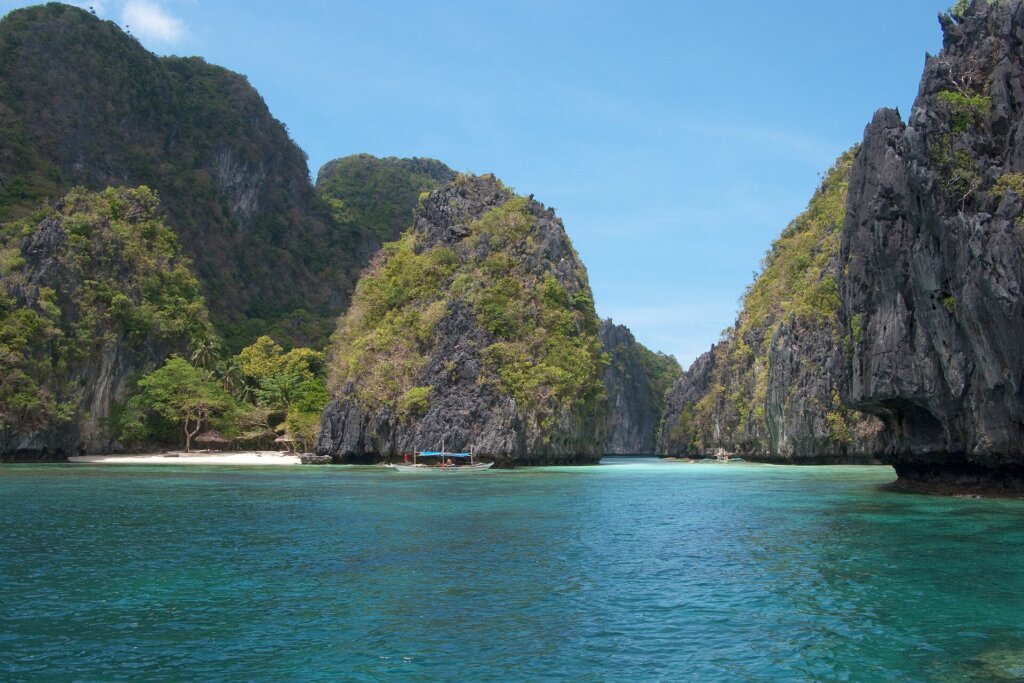

El Nido Mangrove Kayaking Guide 2026: Routes, Tours & What to Expect
Beyond the famous lagoons and island-hopping tours, El Nido harbours one of the Philippines’ most intact mangrove ecosystems — a tangle of salt-tolerant trees whose arching root systems create sheltered, shadowy waterways teeming with wildlife. Kayaking through El Nido’s mangroves is one of the destination’s most underrated experiences: quiet, intimate, and genuinely ecological in a way that open-sea island hopping simply isn’t. You’ll paddle through cathedral-like root tunnels, spot kingfishers perched overhead, hear the crackle of fiddler crabs, and occasionally startle a monitor lizard from a sunbathing root. This guide covers every mangrove kayaking option in and around El Nido.
- Why Kayak the Mangroves?
- Best Mangrove Kayaking Locations Near El Nido
- Wildlife You’ll See in El Nido’s Mangroves
- Self-Guided vs. Guided Mangrove Kayaking
- Practical Tips for Mangrove Kayaking in El Nido
- How to Book a Mangrove Kayaking Tour
- Combining Mangrove Kayaking with Other Activities
- Related El Nido Guides
Why Kayak the Mangroves?
- Completely different from island hopping — sheltered, calm, and peaceful; a counterpoint to open-sea boat travel
- Wildlife richness — mangroves support dense populations of birds, reptiles, crustaceans, and juvenile fish that are rarely seen on reef tours
- All-weather activity — mangrove waterways are protected from wind and waves; often paddleable on days when sea tours are cancelled
- Low physical demand — kayaking is accessible for most fitness levels; tandem kayaks allow less confident paddlers to participate
- Eco-tourism value — mangroves sequester carbon at rates far exceeding rainforests; visiting supports awareness of their conservation value
- Photography — the light filtering through mangrove canopy creates extraordinary images; drone footage of the sinuous root channels is spectacular
Best Mangrove Kayaking Locations Near El Nido
1. Corong-Corong Lagoon Mangroves (Most Accessible)
Distance from town: 15-min walk south | Access: Kayak rental on-site | Guided: Optional
The shallow tidal lagoon at Corong-Corong — the local fishing village just south of El Nido town — is fringed by dense mangrove stands accessible directly from shore. Several small outfitters rent kayaks from the lagoon edge, and you can self-guide through the mangrove channels at your own pace. The lagoon is calm and shallow (0.5–2m at high tide, much less at low tide), making it ideal for beginners. The mangroves here are not as extensive as the Cadlao or Bacuit systems, but the convenience and accessibility make this the most practical option for a casual paddle.
Best for: Beginners, solo travelers, those short on time; excellent at sunrise or sunset when herons and egrets are active
Kayak rental: ₱300–₱500/hour; ₱800–₱1,200/half day
2. Cadlao Island Mangroves (Tour D)
Distance from town: 30-min bangka ride | Access: Via Tour D or private charter | Guided: Yes (tour guide included)
Cadlao Island — El Nido’s largest offshore island — has an extensive mangrove system on its sheltered eastern side, adjacent to Cadlao Lagoon. Tour D includes a kayak section through these mangroves as part of the lagoon visit, giving you access to a richer and more pristine system than the Corong-Corong lagoon. The kayaks provided on Tour D are typically sit-on-top singles or tandems; paddling time is usually 30–45 minutes. The mangroves here shelter monitor lizards, sea eagles, kingfishers, and provide nursery habitat for the fish populations of the surrounding reef.
Best for: Those combining mangrove kayaking with a full island hopping day; best mangrove experience accessible without private charter
→ See our El Nido Island Hopping Guide for Tour D details
3. Bacuit Bay Mangrove Fringe (Custom Private Charter)
Distance from town: 20–60 min bangka ride (varies by destination) | Access: Private bangka charter only | Guided: Recommended
The northern and eastern shores of Bacuit Bay — including sections of Miniloc Island, the Dibuluan Island area, and the mainland Palawan coast north of El Nido — have substantial mangrove systems rarely visited by tourists. Accessing these requires a private bangka charter with a captain willing to anchor while you kayak; some operators will tow an inflatable kayak or bring folding kayaks specifically for mangrove exploration. This is the premium mangrove experience — remote, pristine, and completely uncrowded.
Best for: Serious nature photographers, wildlife watchers, those on multi-day private charters
Cost: Included in private charter day rate (₱4,000–₱8,000 for the full boat)
4. Snake Island / Pinasil Area (Tour B)
Distance from town: 40-min bangka ride | Access: Tour B or private charter
The area around Snake Island and Pinasil Island (Cathedral Cave) has mangrove-fringed shores along the approach channels. While Tour B doesn’t include a dedicated mangrove paddle, private charter guests can arrange to kayak these channels on approach or departure. The interplay of limestone karst walls and mangrove root systems here is visually striking.
Wildlife You’ll See in El Nido’s Mangroves
Birds
- Collared kingfisher — the most commonly sighted mangrove bird; brilliant turquoise-and-white; perches on exposed roots
- Great-billed heron — massive grey heron; stands motionless in shallows waiting for fish
- Striated heron — smaller, streaked brown; very common in El Nido’s mangroves
- Brahminy kite — chestnut-and-white sea eagle; soars overhead; feeds on fish and crabs from the canopy edge
- Oriental darter — cormorant-like bird; dives for fish and often seen drying wings on exposed branches
- Common sandpiper — bobs along the mudflats at mangrove edges; year-round resident
Reptiles
- Water monitor lizard (Varanus salvator) — can reach 2m+ in length; commonly seen swimming between mangrove roots or basking on exposed branches; harmless to humans but impressively large
- Saltwater crocodile — present in very low numbers in remote Palawan mangrove systems; extremely unlikely to encounter in El Nido’s regularly visited areas, but worth noting for remote charter explorations
Marine Life at Mangrove Edges
- Fiddler crabs — ubiquitous on mudflats; males wave oversized claws in territorial displays
- Mangrove snapper / red snapper juveniles — juvenile fish use mangrove root systems as nursery habitat; look for small schools in the shallows
- Mudskippers — amphibious fish that breathe through their skin; common on exposed mudflats at low tide
- Sea anemones and small coral — at the mangrove-to-reef transition zones
Self-Guided vs. Guided Mangrove Kayaking
| Factor | Self-Guided | Guided Tour |
|---|---|---|
| Cost | Lower — kayak rental only (₱300–₱500/hr) | Higher — tour fee includes guide, safety briefing (₱800–₱2,000/person) |
| Flexibility | High — paddle at your own pace | Fixed itinerary and group pace |
| Navigation | Your responsibility — bring a map or GPS | Guide handles all navigation |
| Wildlife knowledge | Limited to what you already know | Good guides identify species and share ecology |
| Safety | You manage your own safety | Guide monitors conditions; better for beginners |
| Best for | Experienced kayakers; solo explorers; short sessions near town | First-timers; those wanting natural history context; children |
Practical Tips for Mangrove Kayaking in El Nido
- Paddle at high tide for the best access. Many mangrove channels are too shallow to kayak at low tide — check tide tables before you go. The Corong-Corong lagoon is particularly tide-sensitive.
- Go early morning. Bird activity is highest between 6–9 AM. Heat and humidity make afternoon paddling less pleasant.
- Move slowly and quietly. Mangrove wildlife is easily startled. Stop paddling and drift when wildlife is nearby — you’ll see far more.
- Wear long sleeves. Mangrove canopy provides good shade, but gaps let in fierce tropical sun. Sandflies and mosquitoes can be active near mangrove edges — insect repellent is useful.
- Protect your electronics. Kayaking involves splashing — use a waterproof camera or a dry bag for your phone.
- Don’t touch the mangrove roots. Mangrove root systems are delicate; grabbing them to steer or stabilise damages the trees.
- No littering — mangrove areas are particularly vulnerable to plastic pollution, which kills the wildlife that depends on them.
How to Book a Mangrove Kayaking Tour
In El Nido Town
Ask at any tour agency on Real Street or Hama Street for mangrove kayaking packages. Specific tours vary by operator — some include it as part of a half-day combination tour (e.g., mangrove + firefly watching at dusk); others offer dedicated mangrove paddles.
At Corong-Corong
Walk south from town along the beach road to the Corong-Corong lagoon — you’ll find small outfitters renting kayaks directly from the shore. No advance booking needed for self-guided sessions.
Through Your Resort
Most upmarket resorts in El Nido can arrange private mangrove kayaking sessions, often with a naturalist guide. El Nido Resorts properties are particularly strong on guided nature experiences.
Combining Mangrove Kayaking with Other Activities
Mangrove kayaking pairs beautifully with:
- Firefly watching: Evening firefly tours in El Nido typically combine a short mangrove paddle at dusk with anchoring to watch bioluminescent fireflies light up the mangrove canopy after dark — one of El Nido’s most magical experiences. Book through any town tour operator (₱600–₱1,000/person).
- Birdwatching: Bring binoculars and pair your mangrove paddle with El Nido’s inland birdwatching trails for a full wildlife day.
- Tour D: The Cadlao Lagoon stop naturally combines mangrove kayaking with open-water island hopping.
Related El Nido Guides
- El Nido Kayaking Guide: Open Water & Lagoon Routes
- El Nido Island Hopping Complete Guide
- El Nido Water Activities Guide
- El Nido Local Culture & Eco-Tourism Guide
- El Nido Turtle Watching Guide
Mangrove kayaking in El Nido is one of those experiences that sneaks up on you — quieter and less dramatic than the lagoon tours, it rewards patience with extraordinary wildlife encounters and a sense of genuine wilderness. In a destination that can sometimes feel crowded with bangka boats, the mangroves offer silence, shade, and a reminder of what this archipelago looks like when left undisturbed.