
Many visitors treat El Nido and Coron as separate trips, yet the two sit at opposite ends of the same northern Palawan archipelago and combine beautifully. This how-to guide focuses on travellers with seven to ten days who already plan to visit El Nido and want to add Busuanga and the Calamian Islands without wasting days in transit. You will get a step-by-step plan, transport options, a cost comparison and a sample route that balances lagoons, wrecks and rest days.
- Why Pair El Nido with the Calamian Islands
- Step 1: Choose Your Direction and Season
- Step 2: Pick Your Transport Between the Two
- Step 3: Compare Options in One Table
- Step 4: Build a Sample 8-Day Route
- Step 5: Budget Your Combined Trip
- Step 6: Pack, Prepare and Avoid Common Mistakes
- Frequently Asked Questions
Why Pair El Nido with the Calamian Islands
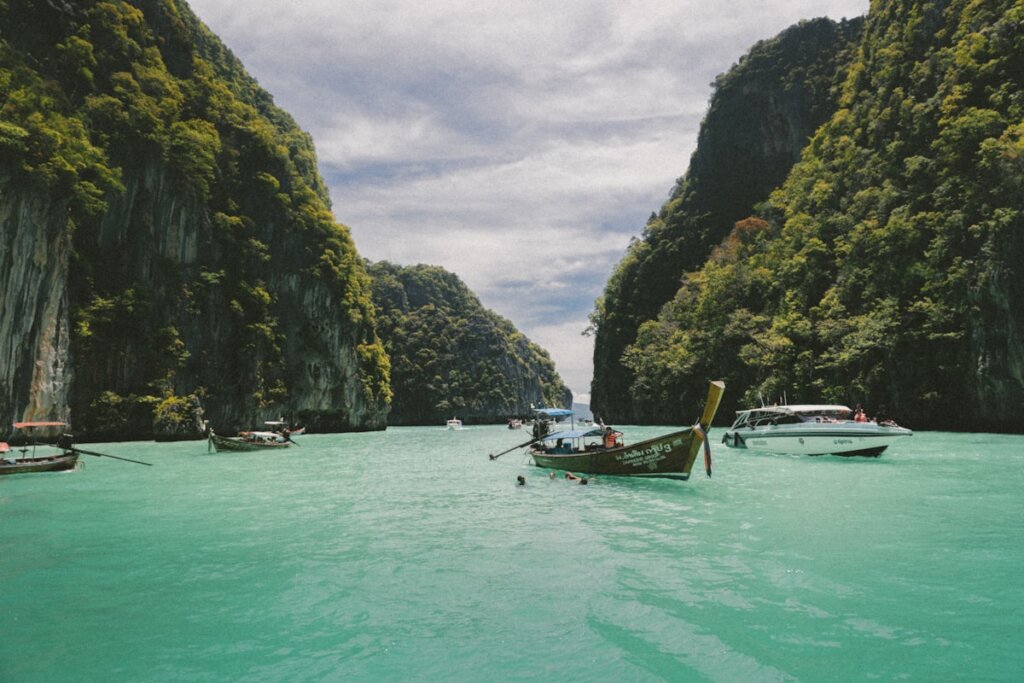
El Nido is famous for limestone lagoons and beach-hopping in Bacuit Bay. The Calamian group, which includes Busuanga, Coron, Culion and Linapacan, offers a different flavour: deep freshwater lakes, WWII shipwrecks, hot springs and dramatic karst peaks. Seeing both gives you variety that neither place provides alone.
The scenery overlaps just enough for the trip to feel coherent, but the activities differ. El Nido is about kayaking and island hopping, while Coron leans toward diving, lake swims and sunrise hikes. If you are still deciding which destination to prioritise, read our El Nido vs Coron comparison first.
The main trade-off is time. Even with the fastest options, the transfer costs half a day, so you need at least seven nights in total to avoid feeling rushed. Ten nights is comfortable, and two weeks lets you slow down and add Culion or Linapacan.
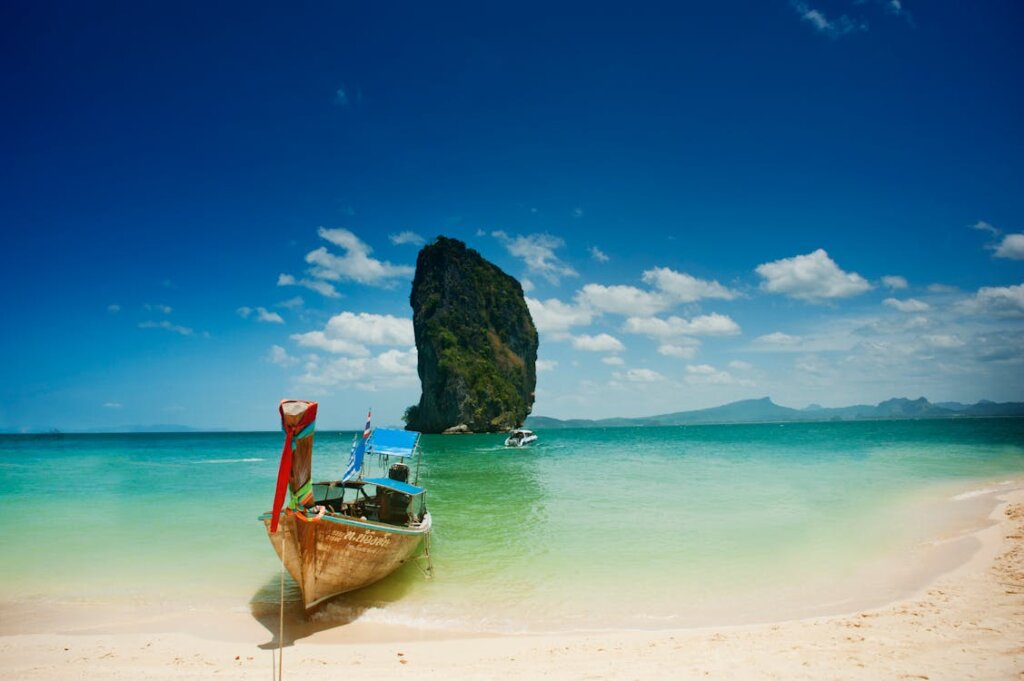
Think of the combination as a two-act story. Act one is the soft, turquoise lagoon scenery of Bacuit Bay, easy and photogenic. Act two is the rugged, deeper-water drama of the Calamians, where sheer cliffs plunge into dark lakes and wrecks rest on the seabed. Together they give a fuller picture of northern Palawan than either does alone, and the contrast keeps a long trip from feeling repetitive.
Step 1: Choose Your Direction and Season
Most travellers fly into Puerto Princesa or Busuanga and travel one way, avoiding backtracking. Entering through Busuanga and leaving through El Nido, or the reverse, saves a day. The alternative, flying into Manila and out of Puerto Princesa, works if you add a van leg from El Nido.
The best weather runs from December to May, with March and April offering the calmest seas for the ferry. Typhoon season from July to October can cancel ferries and flights, so check forecasts at PAGASA before committing. Our best time to visit El Nido guide covers the monthly details.
If you are a diver, schedule the Coron wrecks in the middle of your trip rather than the end, so you have a safe margin before your flight home. If you are not, finish in whichever town has the better airport connection for your onward flight, because missing a connection costs more than any ferry saving.
Another useful rule: always fly home from the airport that has the most frequent connections, and treat the other end of the trip as flexible. Puerto Princesa has the widest choice of departures, so finishing there gives you more options if a flight is delayed or cancelled. Keep your final night close to the airport and avoid scheduling any boat travel on the same day as an international flight.
Step 2: Pick Your Transport Between the Two
You have three realistic options. The fast ferry connects El Nido and Coron several days a week and takes roughly four to six hours depending on conditions. Flights are possible via Manila or Cebu but add connections and cost. Private boat charters exist for groups and can include stops at islands, though they are weather-dependent.
For a deeper breakdown of schedules, prices and booking tips, our ferry versus flight guide from Coron walks through each choice, and the El Nido getting there guide covers arrival from Puerto Princesa.
Book ferry tickets through the operator or a trusted agent a few days ahead in peak months, and keep a screenshot of your confirmation. Arrive at the pier at least an hour early, since check-in and baggage handling can be slow, and pack seasickness tablets, a light jacket for the air-conditioned cabin and snacks because onboard food is limited. Keep valuables and medication in your day bag rather than the stowed luggage.
Step 3: Compare Options in One Table
Prices and durations are typical planning figures and change with fuel costs, season and operator.
| Option | Approx. cost (PHP) | Travel time | Best for |
|---|---|---|---|
| Fast ferry | 1,800-2,600 | 4-6 hours | Backpackers and couples |
| Flight via Manila | 5,000-12,000 | 6-10 hours with connections | Tight schedules |
| Private boat charter | 25,000-60,000 (shared by group) | 5-8 hours | Groups and honeymooners |
| Van plus ferry combination | 2,500-3,500 | 8-10 hours | Budget travellers |
| Shared minibus to Puerto Princesa | 600-900 | 5-6 hours | Travellers returning home |
Whichever option you choose, build in a buffer. Ferries can cancel with little notice, and having a spare day before an international flight is cheap insurance. Consider a travel policy that covers trip disruption; our El Nido travel insurance guide explains what to look for.
Step 4: Build a Sample 8-Day Route
Here is a balanced eight-day plan that starts in El Nido and finishes in Coron. Swap the order if your flights dictate it.
Days 1 to 4: El Nido
Arrive, rest and spend two days on island hopping, ideally one lagoon route and one beach route. Add a scooter day to Nacpan and a slow morning for coffee and snorkelling. Our El Nido itinerary offers day-by-day structures you can copy.
If you want more time on the water, replace the scooter day with a second boat tour or a private kayak session at sunrise. Travellers with limited mobility can skip hikes and still enjoy lagoon swimming and beach lunches, which are the real highlights.
Day 5: Transfer day
Take the morning ferry to Coron. You will lose most of the day, so keep it light. Check in, walk the town and book your tours for the following days.
Days 6 to 8: Coron and Busuanga
Spend one day on a classic island-hopping route with Kayangan Lake and Twin Lagoon, one day diving or snorkelling WWII wrecks, and one day on a quieter outing such as Maquinit hot springs or a Calauit wildlife visit. Divers should read our Coron wreck diving guide before booking.
On the Coron side, tours are usually grouped into numbered routes similar to El Nido. Kayangan Lake is a must for the clear, layered water and the short climb to the viewpoint. Twin Lagoon lets you swim through a gap between warm and cool water layers. Barracuda Lake is best for divers because of its dramatic thermoclines. Arrive early to beat crowds, and carry water shoes for the rocky entries.
Step 5: Budget Your Combined Trip
A mid-range traveller can expect to spend around 4,500 to 7,000 pesos a day in each destination, covering accommodation, meals, tours and local transport. Add your transfer cost and any additional hotel nights. Coron tours tend to be slightly cheaper per day than El Nido, while accommodation is similar.
To save money, join shared tours instead of private boats, eat at local carinderias for lunch, and book accommodation with included breakfast. To splurge, charter a private boat for one day in each destination, choose beachfront rooms and add a sunset dinner cruise.
Remember to reserve a small contingency fund of at least ten percent of your total budget. Unexpected costs such as rebooked ferries, extra hotel nights or last-minute boat fees are common in remote destinations, and a cushion turns them from stress into a minor inconvenience.
Step 6: Pack, Prepare and Avoid Common Mistakes
Both destinations are remote, so bring cash, a small first-aid kit, reef-safe sunscreen and a dry bag. ATMs exist in both towns but occasionally run out of cash, especially on holiday weekends. Bring a power bank for boat days and download offline maps in case of poor signal.
Respect local rules. Many lagoons and lakes charge entrance fees, and some sites restrict sunscreen or single-use plastics to protect water quality. The Department of Environment and Natural Resources provides conservation updates at DENR, and the Department of Tourism posts travel advisories at tourism.gov.ph.
The most frequent error is cramming too much into too few days, spending half the trip in transit. Second is booking tight onward flights right after a ferry, which risks missing your plane if the sea is rough. Third is skipping the rest day after the transfer. Finally, travellers often underestimate cash needs and have to leave sightseeing early to find an ATM. Give yourself slack, keep bookings flexible where possible, and treat the transfer as part of the adventure rather than an obstacle.
Finally, check the entry requirements and any local advisories before you travel. Environmental fees, vaccination guidance and visa rules can change, and the official channels are always the best source. A little preparation up front means you spend your holiday on the water instead of in a queue.
Frequently Asked Questions
How long does the El Nido to Coron ferry take?
Usually four to six hours depending on sea conditions and the vessel. Check the latest schedule because services run only on certain days.
Is it worth adding Coron to an El Nido trip?
Yes if you have at least seven nights and enjoy variety. Coron adds lakes, wrecks and hot springs that El Nido does not offer.
Can I fly directly from El Nido to Coron?
There are no regular direct commercial flights between the two. Most travellers use the ferry or fly via Manila or Cebu.
Which direction is better, El Nido to Coron or the reverse?
Either works. Travelling into the destination where your international flight lands usually saves a day, so match the direction to your flights.
What is the best month for the combined trip?
March and April offer the calmest seas and driest weather for ferries and island hopping.