TL;DR: El Nido’s most memorable stays use vernacular Filipino design (bamboo frames, nipa or cogon roofs, raised floors and cross-ventilation) or modern eco-resort architecture on stilts; when booking for design, look for natural materials, passive cooling, sensitive siting and honest photos of the actual room.
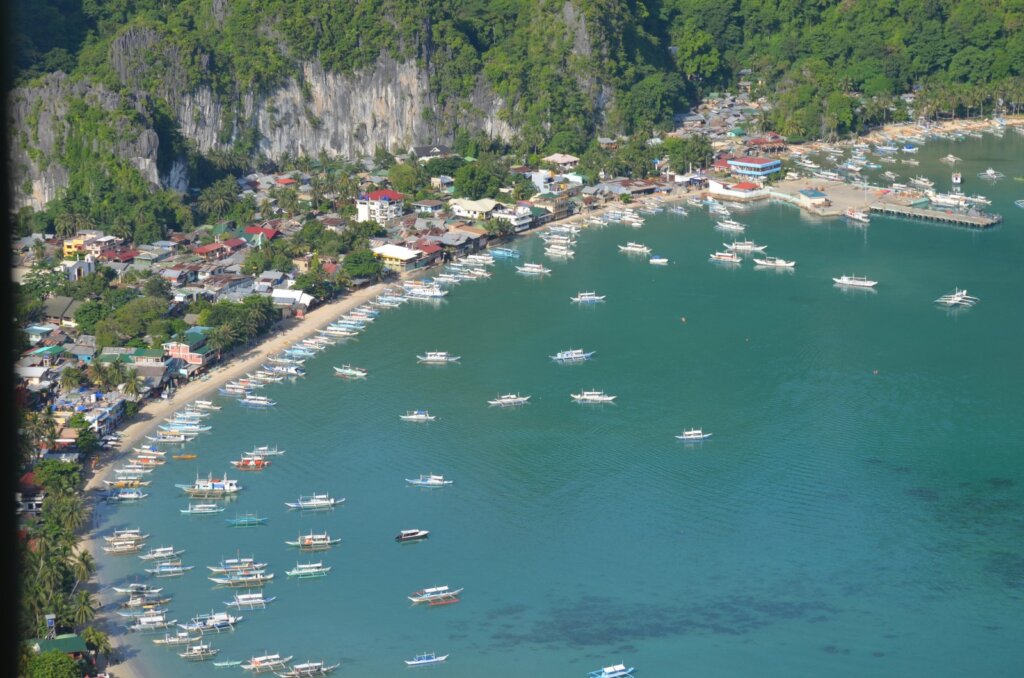
Most El Nido guides rank hotels by price, beach and breakfast. But for many travelers, the building itself is part of the trip: waking up under a woven bamboo ceiling, hearing rain on a thatched roof, or stepping from a stilted villa straight into a lagoon. El Nido has a surprisingly varied architectural mix, from traditional-style cottages to luxury eco-resorts and cramped concrete guesthouses in town.
This guide focuses on El Nido’s architecture specifically for design-minded travelers, architects and photographers who want to choose a stay for its character and craft, not just its location. We explain the main building styles you will see, how they cope with the climate, what to look for (and avoid) when booking, and how design ties into conservation in the Bacuit Bay area.
The Vernacular Roots: Bahay Kubo and Island Building
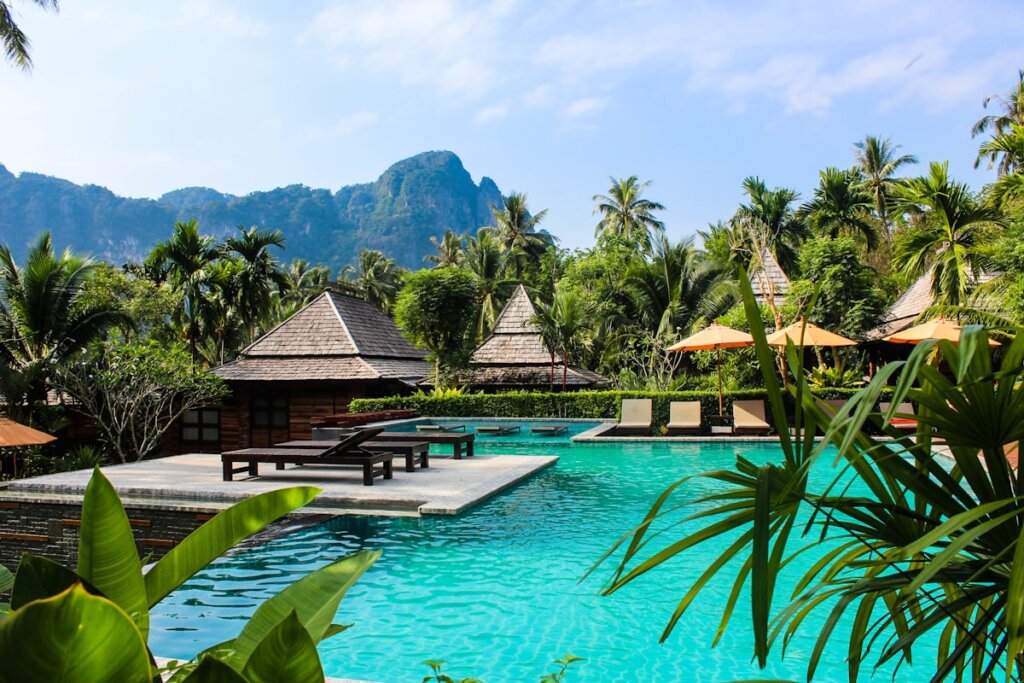
The starting point for much of El Nido’s resort design is the Filipino bahay kubo, the traditional rural house. Its logic is climate-driven: a raised floor on posts to stay dry and catch breezes, walls of woven bamboo or palm that let air through, and a steep roof of nipa palm or cogon grass that sheds heavy rain and insulates against heat. You can read more about the form in this overview of the bahay kubo.
Many beach cottages in El Nido, particularly in the north and at smaller eco-stays, still follow this pattern. The modern versions add mosquito screens, concrete footings, proper bathrooms and sometimes air-conditioning, but the bones are the same. When done well, these rooms feel cool even without AC, and they age beautifully against the limestone and palms.
Main Architectural Styles You Will Find
| Style | Typical materials | Comfort profile | Where you will see it |
|---|---|---|---|
| Vernacular cottage | Bamboo frame, woven walls, nipa or cogon roof | Naturally ventilated; can be warm at midday and less sound-proof | Beach stays in the north, smaller eco-lodges |
| Stilt and overwater villa | Hardwood or treated timber posts, thatched or shingled roofs | Breezy and atmospheric; higher price | Private-island resorts in Bacuit Bay |
| Contemporary tropical | Concrete structure with timber, stone and large glazing | AC-dependent but quiet and robust | Mid-range and upscale hotels near Corong-Corong and Lio |
| Town guesthouse | Reinforced concrete, multi-storey on narrow plots | Practical; can be noisy and dark | Poblacion, Calle Hama and surrounding streets |
| Glamping and tented camps | Canvas, timber decks, light frames | Close to nature; dependent on weather | Beachfront and hillside sites outside town |
If you are torn between the first and fourth styles, our bamboo cottage vs concrete room comparison covers comfort, noise and value in detail.
How the climate shapes every building
Whatever the style, El Nido buildings answer the same three pressures: heat, heavy rain and salt air. Deep roof overhangs shade walls and keep monsoon rain off verandas. Raised floors protect against flooding and let air move underneath. Salt spray corrodes metal fixings quickly, which is why well-run resorts favour timber joints, stainless or galvanised hardware and regular repainting. Typhoons are less frequent in northern Palawan than in parts of the eastern Philippines, but strong winds still happen, so good builders tie roofs down firmly and avoid fragile cantilevers. When you see a cottage that has clearly weathered several seasons gracefully, it usually means someone has thought hard about these details. When you see rusted rails, sagging thatch and water stains on the ceiling, it is a sign that maintenance has not kept up, regardless of how good the original design was.
Stilt Villas and Island Resorts
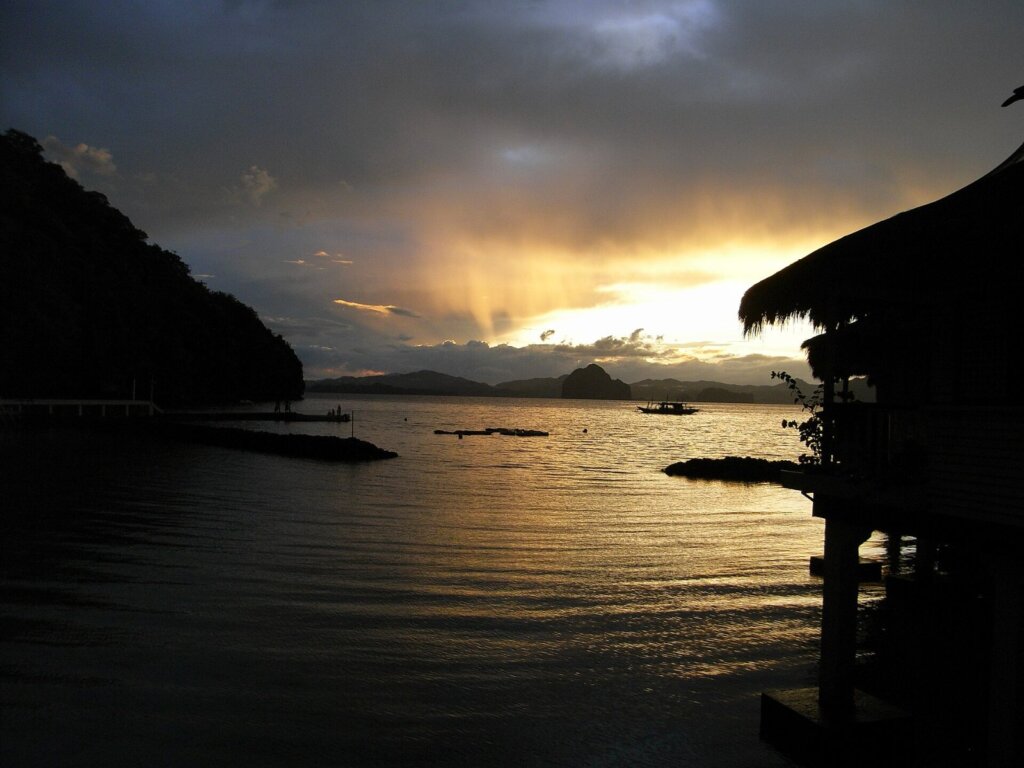
The most famous architecture in El Nido belongs to the island resorts in Bacuit Bay. Miniloc Island is known for cottages raised on stilts above a cove framed by sheer cliffs, Lagen Island for its overwater rooms facing a protected lagoon, and Pangulasian Island for villas set along a long beach. They show how buildings can sit lightly within dramatic karst landscapes, using timber, thatch-like roofing and careful placement rather than height.
For a side-by-side look at those resorts, see our Miniloc vs Lagen vs Pangulasian comparison, and if sleeping over water is your priority, read about overwater stays and water cottages.
Design and Conservation in Bacuit Bay
El Nido sits within a protected area, the El Nido Managed Resource Protected Area, overseen with national environment agencies. That shapes what is built and how. The most thoughtful properties manage their own water and waste, use solar power, avoid clearing vegetation, and keep buildings low so they do not break the skyline of the cliffs. The geology itself is part of the design story; our explainer on Bacuit Bay karst and limestone geology shows why the cliffs look the way they do.
Infrastructure is a real constraint. Fresh water, sewage and electricity are stretched in peak season, and some hotels rely on wells and tanks. If this matters to you, read our guide to hotel water supply in El Nido and ask properties direct questions about their systems. For national policy on protected areas, the Biodiversity Management Bureau publishes background information.
How to Choose a Stay With Real Design Character
- Look past the hero shot. Ask for photos of the exact room category, including the bathroom and the view from the bed.
- Check orientation. West-facing rooms get sunsets but also hot afternoon sun; east-facing rooms are cooler in the evening.
- Ask about ventilation. High ceilings, roof vents and operable louvres matter more than a big AC unit.
- Consider sound. Natural materials breathe but also carry noise. Light sleepers should read our guide to quiet rooms in El Nido.
- Value craft. Locally woven panels, hand-finished timber and native roofing support local makers and tend to last when maintained.
- Ask about maintenance. Thatch and bamboo need regular care; recent renovation dates are a good sign.
Questions to ask before you book
Send a short message to the property before paying. Useful questions include: When was this room category last renovated? Is the roof thatch, shingle or metal, and how does it sound in heavy rain? Does the room have screens on all windows, a ceiling fan as well as AC, and a backup generator for power cuts? Where does the water come from, and is hot water solar or electric? Is the bathroom open-air or enclosed? How far is the room from the bar, the generator and the road? A property that answers clearly and quickly is usually one that takes care of its buildings. Vague replies, or photos that look very different from recent guest reviews, are worth treating with caution.
An Architecture-Lover’s Day Out
Combine your stay with a design-themed day. Start with the karst views on an island-hopping tour, noting how resorts are tucked into coves. Back on land, walk through Poblacion to see how narrow lots and concrete guesthouses have grown around the old fishing town. If you have a spare day, the colonial-era fort in neighbouring Taytay is a reminder of older building traditions; our Taytay Fort Santa Isabel day trip guide explains how to get there. End at a beach bar built from bamboo and driftwood to watch the sunset light up the cliffs. For general tourism information, check the Department of Tourism.
Key Takeaways
- El Nido’s best-loved stays draw on the bahay kubo: raised floors, woven walls and steep thatched roofs.
- Island resorts in Bacuit Bay show how stilt and overwater architecture can sit lightly in a karst landscape.
- Vernacular cottages are breezy and characterful but less sound-proof than concrete rooms.
- Ask for real room photos and details on ventilation, orientation and maintenance before booking.
- Thoughtful properties manage water, waste and energy responsibly within the protected area.
- Town guesthouses are practical but rarely the place for architectural character.
Frequently Asked Questions
What is a bahay kubo?
It is the traditional Filipino rural house, raised on posts with walls of bamboo or palm and a steep roof of nipa or cogon grass. Many El Nido beach cottages are modern versions of it.
Are bamboo cottages in El Nido comfortable?
Well-built ones are cool, airy and atmospheric, especially with mosquito screens and good fans. They can be warmer at midday and noisier than concrete rooms, so check reviews and ask about AC if you need it.
Which El Nido resorts are known for their architecture?
The island resorts in Bacuit Bay, such as Miniloc, Lagen and Pangulasian, are known for stilt and overwater buildings that blend into the karst scenery. Smaller eco-lodges in the north also use vernacular materials.
Is it eco-friendly to stay in a thatched cottage?
Natural materials can have a lower footprint, but sustainability depends more on how a property handles water, waste and energy. Ask about solar power, water sources and waste treatment.
Where should design lovers stay in El Nido?
Look outside the town centre, in Corong-Corong, the northern beaches or on an island resort, where there is space for buildings with character and views.
El Nido is not only about what you see from the boat. The places you sleep can be just as memorable when they are designed for the climate and the landscape. Use the styles and checklist above to choose a stay that matches your taste, and you will appreciate the islands from a whole new angle. Ask questions, look closely at recent photos, and favour properties that treat their buildings, and the bay around them, with care.
About the Author
This guide was compiled by the El Nido Hotels Ranking editorial team, with input from local operators and ongoing on-the-ground updates.