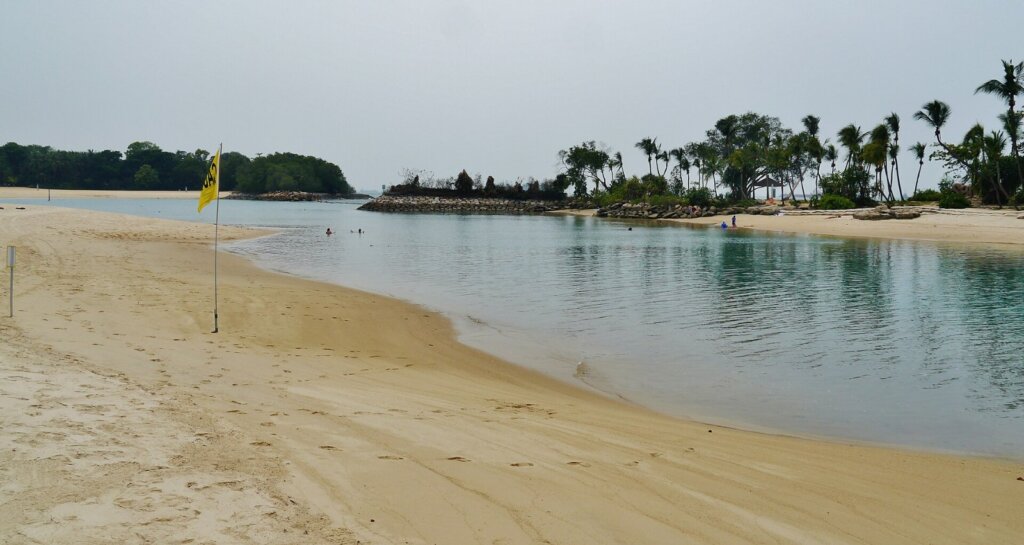

An infinity pool facing Bacuit Bay is the photo most travelers imagine when they book El Nido, yet very few guides explain how to tell a genuine sea-edge pool from a small plunge pool with a good filter on the photo. This guide focuses on infinity pool stays specifically for couples and photo-minded travelers who want to spend real daylight hours at the pool rather than only pass it on the way to the boat. We cover pool types, how views change with the tide and weather, safety, and a checklist to verify before you pay. For the wider room decision, see our sea view vs garden view rooms comparison.
- What “Infinity Pool” Actually Means in El Nido
- Pool Types Compared
- Where the Best Views Are Found
- Safety and Swimming Etiquette
- Booking Checklist: What to Verify
- Price Expectations and Value
- Planning Your Pool Time Around Island Hopping
- Common Mistakes to Avoid
- Final Recommendations
- Frequently Asked Questions
What “Infinity Pool” Actually Means in El Nido
In marketing copy, “infinity pool” is stretched to cover almost anything with a visible edge. In El Nido the term is used for at least four different designs, and they deliver very different experiences. A true infinity edge sits on a slope or cliff so that the water line appears to merge with the bay below. A “view pool” is a normal rectangular pool built on a terrace with the sea visible beyond a railing. A plunge pool is a small private dip pool, usually attached to one villa. A rooftop pool sits above the building line and often has the best outlook in town, but is usually small.
Because El Nido town is built along a narrow strip between steep limestone karst and the water, flat land is limited. That is why the best pool views often belong to properties set on the hillsides above town or along the quieter coves toward Corong-Corong and Lio. Properties directly in the town center rarely have the space for a long edge pool, so treat a central pool claim with extra care and ask for a recent photo with the date.
The practical takeaway is that the label tells you very little. What matters is the pool footprint, the direction it faces, how much shade it gets and whether it is open to day visitors. The sections below show how to check each of these before you commit.
Pool Types Compared
The table below summarizes what you can realistically expect from each pool type in El Nido. Sizes are approximate ranges based on typical small-resort construction rather than measured figures for any specific property.
| Pool type | Typical size | Best for | Main drawback |
|---|---|---|---|
| True infinity edge on a slope | Medium to large | Sunset views, photos, long swims | Usually costs more and sits uphill from town |
| Terrace view pool | Small to medium | Relaxed afternoons with a sea outlook | Railing or glass often blocks the “edge” effect |
| Private plunge pool | Very small | Couples wanting privacy | Too small for actual swimming laps |
| Rooftop pool | Small | Sunset drinks and skyline views | Little shade, can be crowded at golden hour |
| Shared garden pool | Medium | Families and budget stays | Little or no sea view |
Where the Best Views Are Found
El Nido sits on the northern edge of Palawan, facing the islands of Bacuit Bay to the west and north. Sunsets fall over the water for most of the year, so west-facing pools collect the warmest light between roughly 5 and 6 pm. If a property faces east, you will see the karst walls glow in the morning instead, which is arguably a calmer experience with fewer people around.
Corong-Corong, a short ride from the center, is the area travelers most associate with sunset-facing stays. Lio Beach, further north, offers wider open views and a more resort-style layout with more space for larger pools. Hillside properties above the town can have the most dramatic outlooks over the rooftops and bay, but you trade walkability for the view. Our guide to where to stay in El Nido Town, Corong-Corong and Nacpan explains the trade-offs of each area in more detail.
Sunrise vs sunset pools
If you plan to be out on island-hopping boats from roughly 8 am to 4 pm, a sunset-facing pool is the one you will actually use. Sunrise-facing pools suit travelers who stay in on a recovery day or who like early swims before the tours depart.
Tide and weather effects
The sea beyond the pool edge is rarely a flat sheet of turquoise. Cloud, haze and the amount of sediment in the water all change its color. During the wetter months the bay can look grayer and the horizon softer, while the drier season usually brings the clearest blues. Check our El Nido in October guide for what shoulder-season conditions look like.
Safety and Swimming Etiquette
Infinity pools have a vanishing edge, which means a drop on the far side. Good properties build a catch basin behind that edge, but you should still avoid sitting on the wall, especially with children. Most small hotels in El Nido do not employ a dedicated lifeguard, so supervision is your own responsibility. Ask whether the pool has marked depths and whether it has a shallow zone for kids.
Pool hygiene is another practical concern. Salt-water systems and chlorine are both used in the Philippines, and either is fine if properly maintained. A cloudy pool, a strong chemical smell or visible algae near the steps are all signs the maintenance is poor. If the pool is not clean on arrival, ask staff to confirm the last treatment time or move to a different property.
Finally, remember sun exposure. The tropical sun at the pool is strong even when the sky is overcast. Use sunscreen that does not harm the reef when you later swim in the sea; our reef-safe sunscreen guide explains what to look for.
Booking Checklist: What to Verify
Photos can be misleading, particularly in a destination where wide-angle lenses and drone shots are standard. Before you pay a deposit, ask the property these questions in writing so you have a record.
- Is the pool open to hotel guests only, or also to day visitors who buy a drink or meal?
- What direction does the pool face, and is there a time of day when the building shades it?
- Is the pool shared among all rooms, or does a room come with private access?
- What are the pool hours, and is it lit at night?
- Is there a safety fence or shallow zone for children?
- Has the pool been recently cleaned and treated, and is there a maintenance day when it is closed?
- Is there generator backup for the pump during outages? See our notes on power outages and brownouts.
Price Expectations and Value
A pool is one of the most expensive features a small property can offer, so expect it to be reflected in the nightly rate. Rooms with direct pool access or a private plunge pool will usually cost noticeably more than a similar room without one, while guest-only shared pools can add less. As a rule, you pay most for the combination of pool, view and location together, and a property strong in only one of these may not justify its price.
Budget travelers can still enjoy a pool without paying for a stay. Some properties allow day-pass access with a minimum food and drink spend, which is often more affordable than booking a night. Always confirm the policy before you go and arrive early on weekends. If you plan to pair your pool afternoon with a sunset drink, compare options in our rooftop bars and sunset decks guide.
Check current rates directly with the properties or on booking platforms, because pricing varies widely by season and by how far ahead you reserve.
Planning Your Pool Time Around Island Hopping
Most visitors come to El Nido for the boat tours, so the pool should be planned as a recovery tool rather than a competing activity. A typical day on Tour A or Tour C runs from morning to mid-afternoon, which leaves a late afternoon window for a swim before dinner. If your hotel has a west-facing pool, return in time to catch the final hour of sunlight.
On a rest day, consider splitting the time: a morning swim when the pool is quiet, lunch in town, then a second session at golden hour. If you are choosing between itineraries, our Tour A vs Tour C comparison helps you decide which route leaves you the energy to enjoy the pool. For conditions and typhoon alerts, the national weather agency PAGASA publishes official updates, and the Philippine Department of Tourism lists accredited accommodation.
Common Mistakes to Avoid
The most frequent mistake is paying for a pool and then finding the property is a long, steep ride from the center, which makes spontaneous dinners and early boat meetups tiring. Check the walking distance and ask about shuttle service. A second common mistake is assuming the pool will be quiet; at peak hours, small pools can feel crowded, so ask about guest numbers.
A third is booking purely on a photo. Look for guest-submitted pictures from different dates and read reviews that mention the pool specifically. Finally, travelers often forget that tide, haze and clouds affect the view; a sunset in clear weather is spectacular, but a rainy afternoon is not, so keep the plan flexible. For accessibility needs, review the wheelchair accessibility guide because pool areas often involve steps and uneven paths.
Final Recommendations
Decide first what you want the pool for: photos, swimming, privacy or a social atmosphere. Then choose the location that supports it, confirm facts in writing and keep your expectations realistic about size. An honest small pool with a sea outlook and good maintenance will give you more enjoyment than a famous photo that does not match reality. Combine your stay with a sunset plan and a sensible tour schedule, and you will get far more out of your time on the bay.
Frequently Asked Questions
Do all El Nido hotels with infinity pools allow day visitors?
No. Policies vary by property. Some allow non-guests with a minimum spend, while others restrict access to guests only. Always confirm in advance.
Which side of El Nido has the best sunset pool views?
Properties facing west toward Bacuit Bay, commonly around Corong-Corong and Lio, tend to catch the best sunsets. Check each property’s orientation before booking.
Is an infinity pool safe for children?
It can be, but the vanishing edge needs supervision. Ask about shallow zones, fencing and depth markings, and never leave children unattended.
Are private plunge pools big enough to swim in?
Usually not. They are designed for cooling off and relaxing, not for laps.
Does rain ruin the pool experience?
Light rain is fine for swimming, but views flatten and some properties close pools during lightning. Keep a backup plan.
When is the best time to use a pool in El Nido?
Late afternoon after tours is the most popular window, while early mornings are quieter.