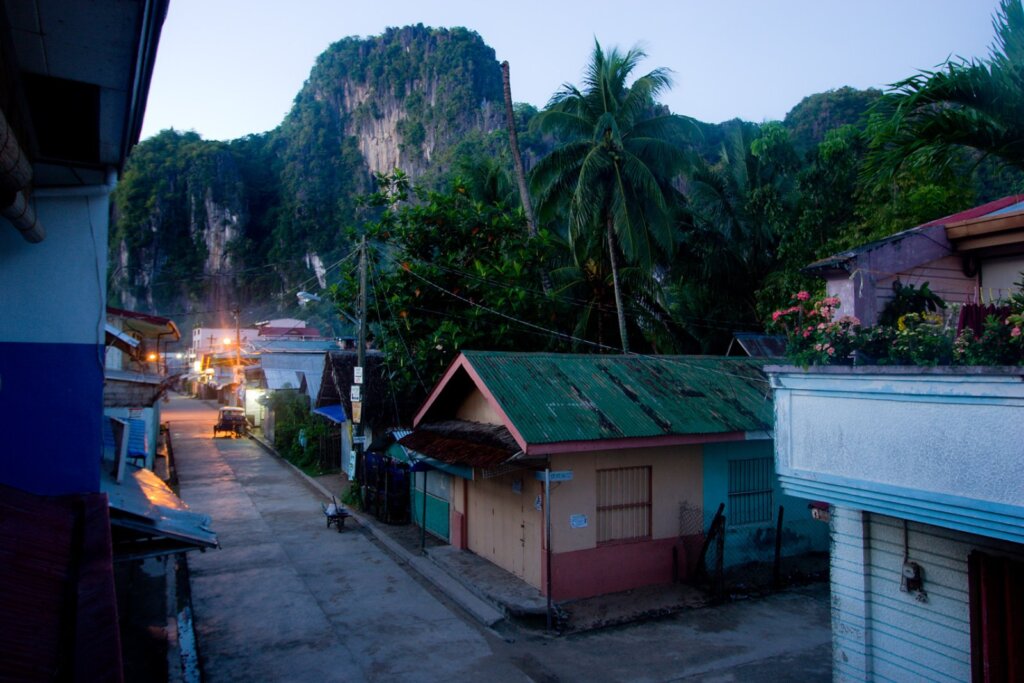

Running out of cash in El Nido is one of the most common and most avoidable travel headaches. This guide focuses on how to handle cash, ATMs and cards in El Nido specifically for visitors who are arriving from Puerto Princesa with a card-only habit and a short trip they cannot afford to waste. You will learn how much cash to carry, where to withdraw, how to reduce fees, and how to keep your money safe on boat days.
- Why cash is still king in El Nido
- How to withdraw cash step by step
- Comparison: ways to pay in El Nido
- How much cash should you carry?
- Fees and fines to keep in mind
- Keeping your money safe on boat days
- Common mistakes to avoid
- A simple cash plan for a five-day trip
- Final tips
- Exchanging foreign currency in El Nido
- Tipping and small payments
- Scams and security basics
- Frequently asked questions
Why cash is still king in El Nido
El Nido is a small coastal town with strong tourism but limited banking infrastructure. Cards work at some hotels, dive shops and larger restaurants, but plenty of everyday purchases are cash only: tricycle rides, market food, beach shack lunches, environmental fees, souvenirs and many tour add-ons. Even businesses that take cards may add a surcharge or have a weak connection that fails during storms and power cuts.
The practical rule is simple: use cards where convenient, but always keep enough cash to cover at least two to three days of costs. That cushion protects you from machines that are empty, offline or simply out of service.
How to withdraw cash step by step
Step 1: Check your card before you fly
Tell your bank you are traveling, confirm your daily withdrawal limit, and make sure your PIN is a standard four- or six-digit code that works abroad. Ask what foreign transaction and ATM fees apply. If your card charges a percentage on every foreign transaction, consider a travel-friendly card with lower fees.
Step 2: Withdraw in Puerto Princesa when you can
Puerto Princesa has more ATMs and banks, so it is the best place to withdraw before the long road to El Nido. Taking out a good chunk of cash there reduces the number of fee-bearing withdrawals and removes the risk of arriving to an empty machine.
Step 3: Use the El Nido ATMs wisely
In town, look for ATMs attached to banks or well-lit shops, and withdraw during the day. Keep an eye out for queues, because machines can empty quickly during peak season and holidays. If one machine declines your card, try another before assuming your card is the problem.
Step 4: Break large notes early
Small vendors often cannot change large bills, especially early in the morning. Break big notes at a restaurant or convenience store, and carry a stash of small denominations for tricycles, tips and snacks.
Comparison: ways to pay in El Nido
| Method | Where it works | Pros | Cons |
|---|---|---|---|
| Cash (Philippine pesos) | Everywhere, including markets and tricycles | Universally accepted, no fees at the point of sale | Theft risk, need to plan withdrawals |
| ATM withdrawal | A few machines in town, more in Puerto Princesa | Convenient when working | Fees, limits, machines can be empty or offline |
| Credit or debit card | Some hotels, dive shops, larger restaurants | Safer than carrying cash, good for big bills | Surcharges, weak connections, not accepted at small shops |
| Bank transfer or e-wallet | Some operators and local businesses | Fast and cashless | Hard for tourists to set up, needs a local account |
| Foreign cash exchange | Money changers in town, banks | Useful backup | Rates vary, limited hours |
How much cash should you carry?
Costs depend on your style, but budget for daily spending on food, a tricycle or two, activities, and fees. Add the cost of any island tours you plan to pay for on the day, because some operators prefer cash at the booking desk. A reasonable approach is to withdraw enough to cover about three days at a time, then top up as needed. For ideas on stretching your pesos, our guide to budget travel and discounts in El Nido breaks down typical spending, and our mid-range hotel guide helps you decide how much to allocate to accommodation.
Fees and fines to keep in mind
Your trip may include environmental or entrance fees collected in cash. Tourism fees in the Philippines and Palawan are set by local authorities and can change, so check the latest information on the Philippine Department of Tourism website and the Palawan provincial government site. Keep receipts for these payments, because boat operators and checkpoints may ask for proof.
Keeping your money safe on boat days
Island hopping means sun, spray and a lot of wet gear. Bring only the cash you need, split it between two pockets or pouches, and keep the rest locked at your accommodation. A small dry bag or waterproof pouch protects your notes from salt water, and a zip-lock bag works in a pinch. Our boat tour packing guide covers what else to bring, and the power bank article helps you keep your phone alive for payments and photos.
What if your tour is cancelled?
Weather can cancel boats, and refunds are often handled in cash or by credit toward another day. Read the policy at booking, and keep your voucher. See our explainer on cancelled tours and refunds for what to expect.
Common mistakes to avoid
Arriving with only one card and no backup is the biggest mistake. Others include withdrawing small amounts repeatedly and paying a fee each time, relying on a single ATM, forgetting to notify your bank, and carrying all your money in one place. Another is converting currency at the airport at poor rates when a bank or reputable changer in town would give you better value.
A simple cash plan for a five-day trip
Withdraw a larger amount in Puerto Princesa before you leave. On arrival in El Nido, pay your first night or tour deposit if required, and keep small notes for transport. Midway through the trip, check how much you have left, and decide whether you need another withdrawal. Keep the final day’s departure costs, including the van or flight transfer, set aside in an envelope so you never have to scramble on the way out. If you must exchange foreign currency, do it in one transaction at a bank or reputable money changer rather than several small ones, and always count your pesos before leaving the counter.
Final tips
Treat cash planning as part of your itinerary, not an afterthought. Carry a backup card stored separately, keep a small emergency reserve, and watch machine availability on holiday weekends. With a bit of foresight, you can spend your time on the water instead of hunting for a working ATM.
Exchanging foreign currency in El Nido
Philippine pesos are the only currency you can count on for everyday purchases. If you arrive with US dollars, euros or another currency, exchange at a bank or a reputable money changer in town and compare rates at two places before committing. Rates in town are usually less favorable than in big cities, so exchange only what you need to bridge until you can use an ATM. Bring clean, undamaged notes, because torn or heavily marked bills are often refused. The Bangko Sentral ng Pilipinas publishes reference exchange rates that you can use as a benchmark, and it also explains how to recognize genuine banknotes, which is useful if you receive change from a street vendor.
Tipping and small payments
Tipping is appreciated but not compulsory. Boat crews, guides and hotel staff usually welcome a small cash tip, and having coins and small notes makes this easy. A service charge is sometimes already added to restaurant bills, so check before adding extra. For tricycle fares, agree on the price before you board and keep exact change ready, since drivers rarely carry much. When you pay for tours, ask for a written or messaged confirmation of the amount and what it includes, such as lunch, fees and equipment, so there is no confusion at the end of the day.
Scams and security basics
Be cautious around anyone who offers to withdraw cash for you or asks for your PIN. Cover the keypad when typing, avoid machines with loose card slots, and withdraw during daylight in busy areas. If your card is swallowed or you suspect skimming, contact your bank immediately and use its emergency number to block the card. Photograph your card details and keep them separately so that you can report a loss quickly, and avoid keeping all your cards together in the same bag.
One last habit worth building: check your wallet each evening and plan tomorrow’s cash needs before the shops close, so you are never caught short on a tour morning.
Frequently asked questions
Are there ATMs in El Nido town?
Yes, there are a few ATMs in the town center, but they can run out of cash or go offline, especially on weekends and holidays. Do not plan to rely on a single machine.
How much cash should I bring to El Nido?
Bring enough for several days of tours, meals and fees, plus a buffer. Many smaller restaurants, tricycles, markets and beach stalls accept cash only.
Do hotels and tour operators accept cards?
Some larger hotels and operators take cards, often with a surcharge, but many small businesses prefer cash or bank transfers. Always confirm the payment method when you book.
Can I use GCash or other e-wallets?
E-wallets are popular in the Philippines, and some shops accept them, but foreign visitors may not be able to set one up easily. Do not count on it as your main method.
What is the best way to avoid ATM fees?
Withdraw larger amounts less often, check your home bank’s foreign fee, and use a card with no foreign transaction charges. Local ATMs also add their own per-withdrawal fee.
What should I do if the ATM does not work?
Try another machine, then ask your accommodation about a cash-advance option or the nearest bank. Withdrawing in Puerto Princesa before you travel north avoids the problem.