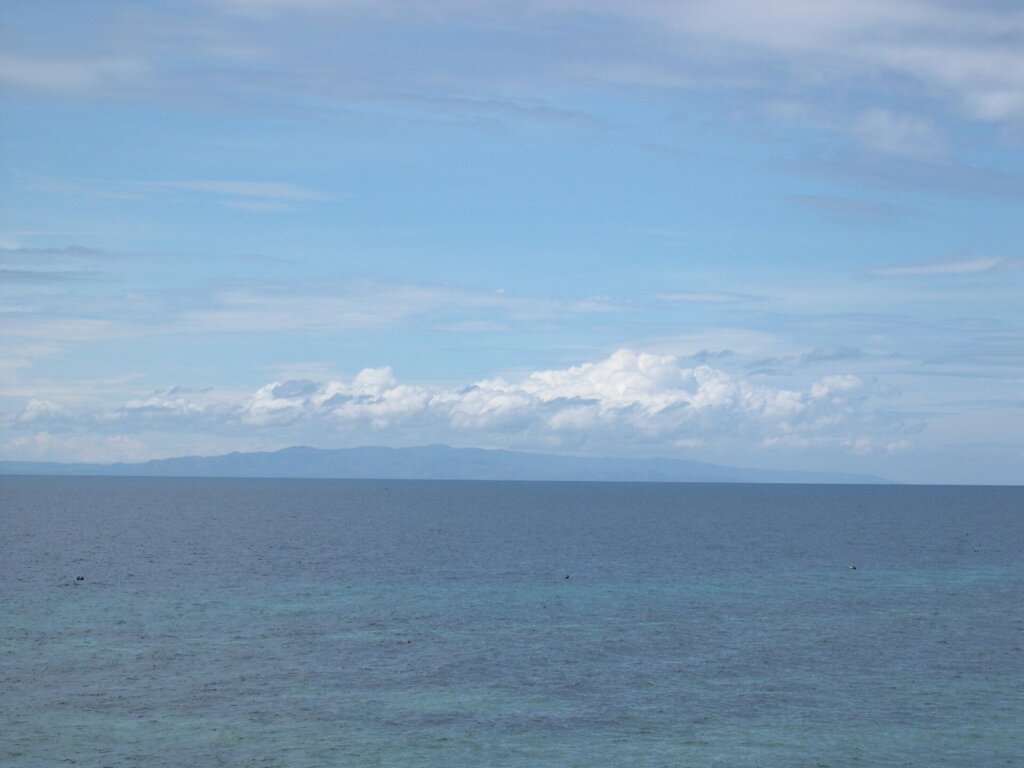

El Nido has a reputation as a place for honeymooners and luxury island resorts, but it is also one of the most rewarding destinations in the Philippines for students on a tight budget. Dorm beds are affordable, group island tours are shared by dozens of travelers your age, and the best views — lagoons, limestone cliffs, golden beaches — cost the same for everyone.
This guide focuses on El Nido specifically for students: university travelers, gap-year backpackers, exchange students in the Philippines and recent graduates on a shoestring. We cover realistic daily budgets, which discounts actually exist (and which don’t), the cheapest ways to get there, and how to plan around semester breaks. For a broader overview of costs, see our general El Nido budget guide.
- Student Discounts in El Nido: What Is Real
- Realistic Daily Budget for Students
- Getting to El Nido Cheaply
- Where Students Should Stay
- How to Do Island Hopping on a Student Budget
- Free and Nearly Free Things to Do
- Eating Well for Less
- Sample 4-Day Student Itinerary
- Timing Your Trip Around Semester Breaks
- Safety and Money Tips for Young Travelers
- Final Thoughts
- Frequently Asked Questions
Student Discounts in El Nido: What Is Real
Let’s clear up a common misconception first. International student cards (such as ISIC) are rarely recognized by tour operators, restaurants or hotels in El Nido. Don’t count on them.
What does exist:
- Filipino student fare discounts: under Republic Act No. 11314 (the Student Fare Discount Act), students enrolled in Philippine schools are entitled to a 20% discount on fares for public land, sea and rail transport, with a valid school ID. Exchange students enrolled in a Philippine university should ask whether their school ID qualifies. The discount does not generally apply to private tours or tourist vans.
- Group tour pricing: the standard shared island tours are already priced for budget travelers; the “discount” is simply joining a group rather than hiring a private boat.
- Low-season rates: hostels and guesthouses often drop prices significantly between June and October, which overlaps with some university breaks.
- Long-stay deals: many hostels offer a cheaper nightly rate for stays of a week or more, or volunteer-for-bed arrangements (always check visa rules before working in exchange for accommodation).
Realistic Daily Budget for Students
Here is what a frugal student can expect to spend per day in 2026. Figures are approximate and in Philippine pesos.
| Expense | Shoestring | Comfortable budget | Notes |
|---|---|---|---|
| Accommodation (dorm bed) | ₱500–800 | ₱900–1,500 | Fan dorm vs air-con dorm or shared private room |
| Food (3 meals) | ₱400–600 | ₱800–1,200 | Carinderias vs cafés |
| Island tour (averaged per day) | ₱0–1,400 | ₱1,400–1,800 | Group Tours A–D; lunch included |
| Local transport | ₱50–150 | ₱150–400 | Walking and shared tricycles |
| Drinks and extras | ₱100–200 | ₱300–600 | Sunset beers, snacks, laundry |
| Daily total | ~₱1,050–3,150 | ~₱3,550–5,500 | Excludes flights and environmental fee |
Don’t forget the Eco-Tourism Development Fee charged to visitors who join island tours in the protected area, collected once and valid for several days. Ask your tour operator for the current amount, and keep the receipt or wristband for the duration of your stay.
Getting to El Nido Cheaply
Transport is usually the biggest single expense for students. Your main options:
- Fly to Puerto Princesa, then van or bus north. This is the cheapest route for most travelers. Budget airlines such as Cebu Pacific run frequent flights from Manila, and seat sales can make tickets very affordable if you book early. From Puerto Princesa, shared vans take roughly 5–6 hours; public buses are cheaper but slower.
- Fly direct to El Nido (Lio Airport). Much faster, but fares are typically several times higher. Rarely worth it on a student budget unless you catch a promotion.
- Ferry from Coron. If you are doing a Palawan loop, the fast boat between Coron and El Nido is convenient but not cheap; factor it into your total route cost.
Tip: if you are a Filipino student, take public buses rather than tourist vans so your fare discount applies.
Where Students Should Stay
El Nido town proper is the student sweet spot. It is walkable, close to the tour boat departure beach, full of cheap eateries and home to most of the social hostels. Corong-Corong, a short tricycle ride south, is quieter and has great sunsets but means more tricycle fares.
When choosing a hostel, consider:
- Fan vs air-con dorms: fan dorms save money but can be very hot from March to May.
- Party vs chill: some hostels run nightly events and group tours — great for meeting people; others are quieter for those who need sleep before 8 am tours.
- Lockers and Wi-Fi: essential if you carry a laptop for coursework or remote study.
Our budget hostel guide and resort vs hostel comparison go deeper on choosing the right base.
How to Do Island Hopping on a Student Budget
Island hopping is the reason most people come to El Nido, and it should be your main splurge. To get the most out of it:
- Choose one or two tours rather than all four. Tours A and C are the most popular; our Tour A vs Tour C comparison helps you pick.
- Book through your hostel or compare a few shops. Prices for group tours are fairly standardized, but inclusions (snorkel gear, kayak fees) vary.
- Bring your own snorkel mask if you have one, to avoid rental fees and hygiene concerns.
- Pack water and snacks. Drinks sold on boats and beaches cost more than in town.
- Consider a combo tour if it offers better value than two separate days.
Free and Nearly Free Things to Do
Some of El Nido’s best experiences cost little or nothing:
- Sunset at Las Cabañas or Corong-Corong: only the tricycle fare.
- Exploring the town beach at dawn: watch boats being loaded with the cliffs behind.
- Swimming and lounging at Marimegmeg or Caalan beaches.
- Night market and street food: grilled skewers for a few pesos each.
- Group motorbike trip to Nacpan Beach: split the cost of rentals or a tricycle with hostel friends.
- Hiking viewpoints: some require a small fee and a guide, but they are still far cheaper than a boat.
Eating Well for Less
Skip the tourist cafés for most meals and look for carinderias — small local eateries that display ready-cooked dishes in pots. A plate of rice with one or two viands costs a fraction of a café meal. Other tips:
- Buy fruit and snacks from the public market and sari-sari stores.
- Use the hostel kitchen if available — our self-catering guide lists where to shop.
- Refill water bottles at refill stations rather than buying single-use plastic.
- Save café brunches for one treat day.
Sample 4-Day Student Itinerary
Here is how a four-day trip can look for a student keeping costs low while still seeing the highlights:
- Day 1 — Arrive and settle in: take the morning van from Puerto Princesa, check into a dorm in town, and walk the town beach at sunset. Dinner at a carinderia, then meet people at the hostel common area to find tour buddies.
- Day 2 — Tour A: the classic lagoons-and-beaches tour with lunch included. Back by late afternoon; cheap grilled skewers for dinner.
- Day 3 — Beach day on land: split a tricycle or rent motorbikes with friends to Nacpan Beach. Pack a picnic from the market to avoid beach-side prices, and be back before dark.
- Day 4 — Tour C or a slow morning: if your budget allows a second boat day, join Tour C for hidden beaches and snorkeling. Otherwise, enjoy a sunrise swim, a café breakfast treat and an afternoon van back south.
Total cost for this plan, excluding flights, typically lands in the ₱8,000–14,000 range depending on how many tours you take, whether you choose air-con dorms, and how often you treat yourself. Splitting transport with two or three hostel friends is the single easiest way to bring the number down, and it also makes long rides to the northern beaches safer and more fun.
If you have more time, adding extra days is surprisingly cheap: a dorm bed plus local meals and a free beach afternoon costs far less than the first days, since the big-ticket items (transport and tours) are already covered.
Timing Your Trip Around Semester Breaks
The best time to go depends on where you study:
- Philippine university breaks (roughly June–August): wetter season, lower prices, fewer foreign tourists, but some tours may be cancelled on rough days.
- Christmas break (December–early January): beautiful weather but the most expensive and crowded period of the year. Book everything early.
- Northern-hemisphere summer (June–August): overlaps with the southwest monsoon. Build flexibility into your plans.
- Spring break (March–April): excellent weather and calm seas, but Holy Week is extremely busy with domestic travelers.
Check conditions with PAGASA before you travel, and see the official Philippine Department of Tourism site for entry information and travel advisories.
Safety and Money Tips for Young Travelers
- Carry enough cash: ATMs in town can run out of money or go offline during peak periods.
- Get travel insurance that covers water activities and motorbike use (if you ride).
- Use the buddy system at night and on solo beach walks.
- Agree on tricycle fares before getting in — see our tricycle fares guide.
- Respect local culture: dress modestly away from the beach and ask before photographing people.
Final Thoughts
El Nido does not have to be a luxury destination. With a dorm bed, carinderia meals and one or two well-chosen boat tours, students can experience the same lagoons and beaches as resort guests for a fraction of the cost. Plan around your semester break, carry cash, travel in a group when you can — and save your splurge for the water.
Frequently Asked Questions
Do student cards like ISIC get discounts in El Nido?
Rarely. Most tour operators, hotels and restaurants in El Nido do not recognize international student cards, so plan your budget without them.
How much does a student need per day in El Nido?
A frugal student can manage on roughly ₱1,000–3,000 per day in 2026, depending on tours, accommodation type and food choices, excluding flights.
Do Filipino students get transport discounts to El Nido?
Students enrolled in Philippine schools are entitled to a 20% fare discount on public transport under the Student Fare Discount Act, with a valid school ID. It generally does not apply to private tourist vans or tours.
What is the cheapest way for students to get to El Nido?
Fly to Puerto Princesa on a budget airline seat sale, then take a shared van or public bus north. Flying directly to El Nido is faster but usually much more expensive.
Which island tour should students choose if they can only afford one?
Tour A is the most popular all-rounder with lagoons and beaches, while Tour C offers hidden beaches and snorkeling. Compare both before booking.