
Packing for El Nido with a baby or toddler raises one question again and again: do you actually need a stroller? This guide focuses on baby gear, strollers and carriers specifically for parents travelling with children under about four, with honest advice about what works on sand, boats and uneven roads.
- The Short Answer on Strollers
- Stroller vs Carrier vs Rental: Quick Comparison
- Getting There With Little Ones
- Where to Stay With a Baby or Toddler
- Island Hopping With Young Children
- Feeding, Water and Food Safety
- What to Bring, Rent or Skip
- Health and Insurance for Families
- A Realistic Daily Rhythm
- Sleep, Routine and Rainy Days
- Small Comforts That Make a Big Difference
- Pool, Beach and Water Safety Basics
- Frequently Asked Questions
- Final Thoughts
The Short Answer on Strollers
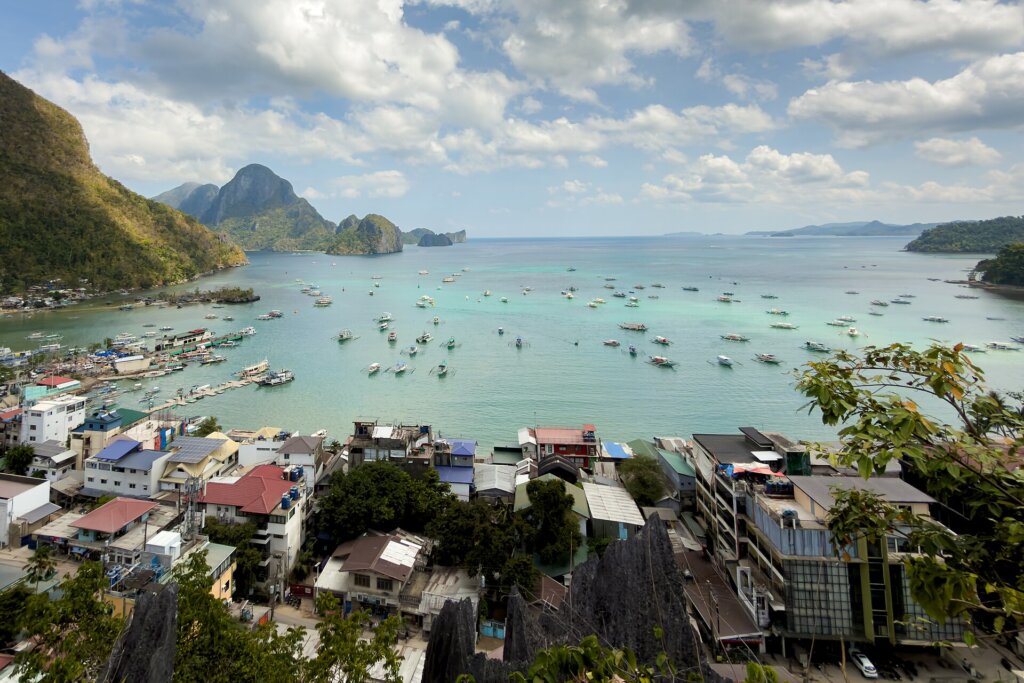
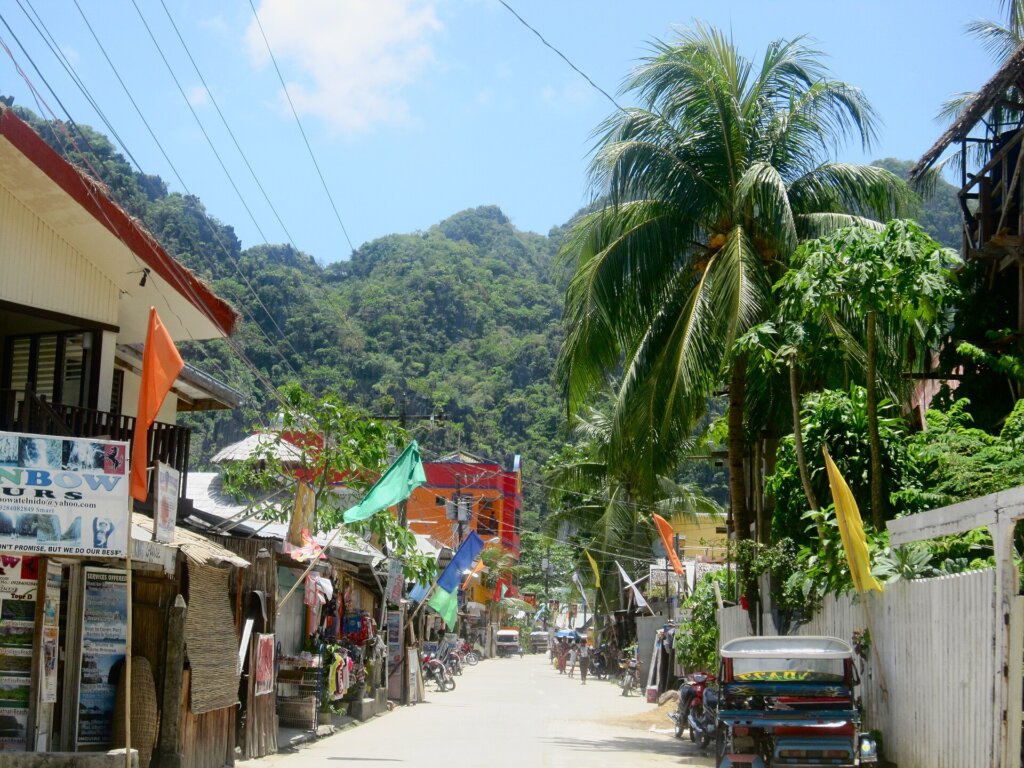
A stroller is useful but not essential. El Nido is a small coastal town with a mix of paved roads, broken pavement, steps and sandy lanes. Wheels cope with some of this, but not all of it. Most families find that a lightweight stroller handles hotel-to-restaurant trips, while a soft carrier does the heavy lifting everywhere else, from boarding boats to crossing beaches.
If you must choose one, choose the carrier. If you can bring both, pick a compact folding stroller rather than a full travel system, and expect to lift it over curbs and steps.
Stroller vs Carrier vs Rental: Quick Comparison
| Option | Best For | Weak Spots |
|---|---|---|
| Lightweight folding stroller | Naps, short town walks, restaurant dinners | Sand, steps, uneven pavement, cramped boats |
| Soft structured carrier | Beaches, boats, stairs, crowded areas | Heat against your body; shoulder fatigue |
| Travel system or jogging stroller | Not recommended | Heavy, bulky, hard to lift or store |
| Local rental or borrowed gear | Short stays; reducing luggage | Limited availability; quality varies |
Getting There With Little Ones
The transfer to El Nido can be long, so plan around naps and feeding times. Flying directly cuts travel time considerably, while road transfers from Puerto Princesa involve hours of winding roads that can upset small stomachs. Our guide to getting to El Nido and transportation overview compare each route.
Ask for a private vehicle with room for a car seat if your child needs one, because many vans in the Philippines do not supply them. A bring-your-own travel seat can solve this, but check weight and airline rules first. Keep snacks, water, wipes and a change of clothes in your hand luggage, not in checked bags.
Where to Stay With a Baby or Toddler
Hotel choice matters more with children than with any other kind of traveller. Prioritise these features:
- Air conditioning and a quiet room: sleep makes or breaks a family trip.
- A kitchenette or fridge: useful for milk, snacks and warming bottles.
- Ground-floor or easy access: hauling a stroller up stairs is exhausting.
- A safe layout: check for open balconies, steep steps and pool fencing.
- Close to restaurants and a pharmacy: short walks reduce meltdowns.
Ask whether a cot or extra bed can be arranged and whether linen is changed daily. If you are bringing a travel cot, confirm that there is space for it.
Island Hopping With Young Children
Boat days are the highlight and also the riskiest day for families. A few principles keep things manageable. Book a private boat so the schedule, stops and lunch timing follow your child’s rhythm. Compare options in our island hopping tour comparison.
Life jackets and safety
Insist on properly fitting child-sized life jackets and keep them on whenever your child is near water or on the boat. If the operator does not have the right size, consider bringing your own, or choosing another company. Never assume one size fits all.
Sun and heat protection
Babies and toddlers are far more vulnerable to heat and sunburn. Use a wide hat, UV-protective clothing and shade at every stop. Paediatric guidance, such as the advice on HealthyChildren.org, recommends special care with sunscreen on young infants, so speak with your doctor before the trip.
Choose gentle days
Rough water and long crossings are hard on small bodies. Pick calm days, shorter routes and fewer stops. Check forecasts and our water temperature by month for planning.
Feeding, Water and Food Safety
Use bottled or purified water for formula, brushing teeth and washing bottles. Our tap water guide explains why. For solids, choose well-cooked foods from busy restaurants, peel fruit yourself and wash your hands often. Bring a small supply of any familiar snacks, because picky eaters appreciate something known after a long day.
Carry a compact thermos or insulated bottle for boat days. Hot water for formula can be requested at many restaurants, and a small cooler bag helps keep milk safe for short periods.
What to Bring, Rent or Skip
| Category | Bring | Buy or Rent Locally | Skip |
|---|---|---|---|
| Mobility | Soft carrier, compact stroller | Borrowed gear from your hotel | Heavy travel system |
| Sun | Hats, UV swimwear, tested sunscreen | Umbrella or beach shade | Dark, heavy fabrics |
| Health | Medicines, thermometer, rehydration salts | Basic pharmacy items | Large stocks of everything |
| Feeding | Bottles, sterilising tablets, specialty food | Diapers, wipes, some formula | Glass containers |
| Sleep | Portable blackout cover, white noise | Cots from hotels | Bulky bassinets |
For a wider list, see our El Nido packing list.
Health and Insurance for Families
Medical care in El Nido is limited to small clinics, so serious cases may involve transfer to a bigger city. Buy travel insurance that explicitly covers children, medical evacuation and trip interruption, and read the terms about boat activities. Our travel insurance guide lists the main points. Check your child’s vaccination status with your doctor, and consult the CDC’s travel health pages for tropical advice.
A Realistic Daily Rhythm
Children thrive on routine, and the tropics reward early starts. Plan outings in the morning, return for lunch and a long nap in air conditioning, then head out again in the late afternoon when the heat softens. Dinner by early evening keeps overtired meltdowns to a minimum and gets you back to the room before dark on uneven streets.
Aim for one main activity per day and treat everything else as a bonus. A beach morning, a pool afternoon and a quiet dinner can be a great day when you are travelling with a toddler. The Department of Tourism lists accredited operators that can help with child-friendly bookings.
Sleep, Routine and Rainy Days
Travel disrupts sleep, and a tired child can make every plan harder. Bring a familiar comfort object, a light blanket and, if your child is sensitive to light, a portable blackout cover for hotel windows. A small white noise app on a phone can mask town noise. Aim to keep bedtimes within an hour of normal, and expect the first two nights to be rough while everyone adjusts to the time zone and the heat.
Weather can change plans quickly. On rainy days, keep a small bag of quiet activities ready: stickers, a few picture books, colouring pages and a tablet loaded with downloaded shows. Many hotels have a restaurant or lounge where children can play while adults rest. Do not feel guilty about a slow day, because tropical rain often clears within hours and the next morning is usually bright.
Small Comforts That Make a Big Difference
A few inexpensive items pay off all trip. Pack a roll of zip bags for wet clothes and used diapers, a travel-size laundry soap for quick washes, and a small first-aid pouch with child-safe plasters and any medicines your doctor recommends. Mosquito protection matters too, so ask your paediatrician which repellents are suitable for your child’s age. Keep a light long-sleeved cover-up handy for evenings, and bring a simple torch for walking back along unlit streets after dinner.
Finally, share a simple plan with your travel partner: who handles the bottles, who watches the water, and who packs the bag each morning. Clear roles prevent stress when you are tired, and they keep the trip enjoyable for both adults and children.
Pool, Beach and Water Safety Basics
Small children can get into trouble in water very quickly and quietly, so assign one adult as the dedicated water watcher at any beach or pool. Stay within arm’s reach of babies and toddlers, avoid distractions such as phones while that duty is on, and swap roles every half hour so attention stays sharp. Choose beaches with gentle entry and little current, and always check hotel pools for fencing and shallow areas. Rinse sand and salt from sensitive skin after swimming, and dry skin folds well to prevent heat rash. These habits cost nothing and make beach time far more relaxing for everyone in the family.
Frequently Asked Questions
Can you use a stroller in El Nido town?
A stroller works on some stretches of the main road but struggles on uneven pavement, sand and unpaved side streets. A lightweight, compact stroller with big wheels is manageable; a bulky travel system is not.
Is a baby carrier better than a stroller in El Nido?
For most families, yes. A comfortable carrier handles beaches, boat boarding, steps and short walks far better than wheels, and it keeps your hands free.
Are diapers and baby formula available in El Nido?
Basic diapers and some formula brands are sold in town, but selection and sizes can be limited and prices higher than in Manila. Bring a buffer for the first days and any specialty items.
Is island hopping safe with a baby or toddler?
Many families do it, but you should choose a private boat, make sure life jackets in the right size are available, shade the child at all times and pick calm sea days. Ask your paediatrician about timing and sun protection.
What is the best time to travel to El Nido with young children?
The drier months, generally December to May, tend to offer calmer seas. Avoid peak heat in April and May for very young children, and always check the forecast before boat days.
Final Thoughts
You can absolutely visit El Nido with a baby or toddler, and many families do. Pack light, lean on a carrier, choose private boats on calm days, and give your child plenty of rest. A compact stroller is a handy extra, but the carrier is the real hero. With a little planning, the lagoons are as good as ever, and the memories are well worth the extra logistics.