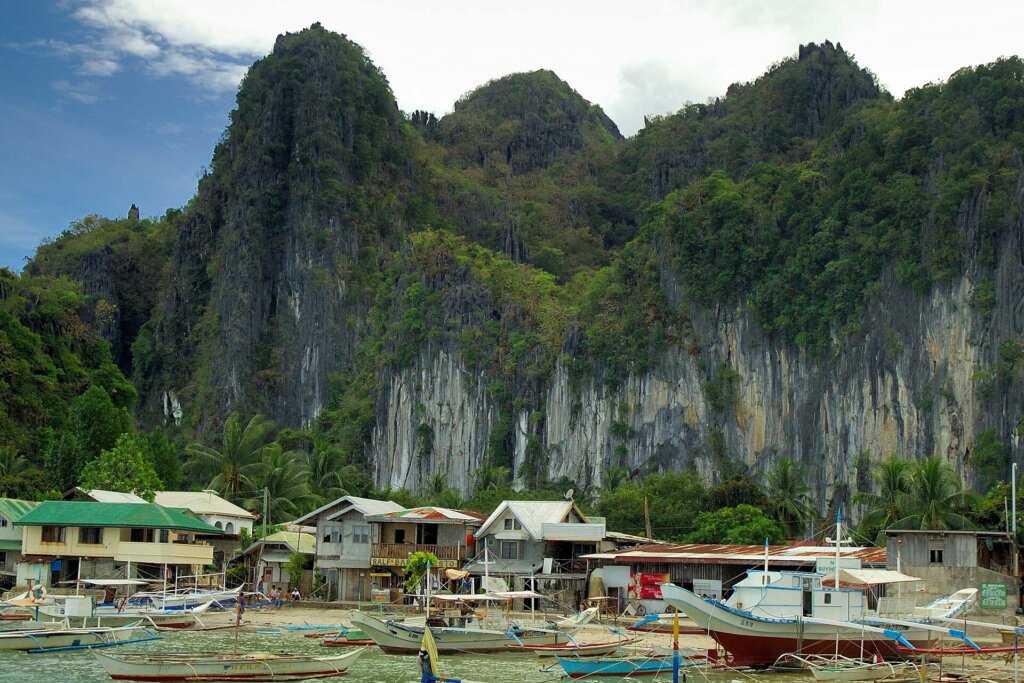

If you are packing for Palawan and wondering whether you will need a wetsuit, the short answer is that El Nido’s sea is warm all year. The longer answer matters more if you plan to snorkel for hours, freedive, or log several scuba dives a day, because a few degrees and a steady breeze change how comfortable you feel. This guide focuses on sea water temperature specifically for snorkellers, freedivers and scuba divers planning which month to visit and what to wear in the water.
The figures below are typical ranges drawn from long-term sea surface patterns for northern Palawan. Real conditions shift year to year, so treat them as a planning baseline and check a live forecast a few days before your trip.
El Nido Sea Temperatures at a Glance
El Nido sits in the South China Sea side of northern Palawan, in a tropical belt where the ocean rarely drops below the mid-twenties Celsius. The Bacuit Archipelago’s shallow reefs, lagoons and sandy coves heat up quickly under strong sun, so surface water inside lagoons is often a degree warmer than open-water dive sites a short boat ride away.
Two big weather systems shape the year. The northeast monsoon (Amihan) blows roughly from November to April and brings cooler, drier air. The southwest monsoon (Habagat) runs roughly from June to October and brings more rain and choppier seas on exposed coasts. If you want the full picture of how those winds work, read our explainer on Amihan vs Habagat monsoons in El Nido.
Month-by-Month Water Temperature Table
Use this table to match your travel dates with the likely water conditions and the right exposure protection.
| Month | Typical sea surface (°C) | What it feels like | Suggested in-water layer |
|---|---|---|---|
| January | 26.5–27.5 | Coolest of the year, breezy on boats | Rash guard; 3 mm suit for multi-dive days |
| February | 26.5–27.5 | Refreshing, often very clear water | Rash guard; 3 mm suit for divers |
| March | 27–28 | Warming up, calm mornings | Rash guard or 2 mm shorty |
| April | 28.5–29.5 | Warm and inviting | Rash guard; thin shorty for divers |
| May | 29–30 | Warmest stretch, bath-like lagoons | Rash guard only for most people |
| June | 29–30 | Very warm, first Habagat rains | Rash guard; thin shorty for divers |
| July | 28.5–29.5 | Warm, seas can be choppy | Rash guard; 3 mm shorty for diving |
| August | 28.5–29 | Warm, rainy spells | Rash guard; 3 mm shorty for diving |
| September | 28.5–29 | Warm, variable visibility | Rash guard; 3 mm shorty for diving |
| October | 28.5–29 | Warm, weather transitioning | Rash guard; 3 mm shorty for diving |
| November | 28–28.5 | Pleasant, Amihan returning | Rash guard; 3 mm suit for divers |
| December | 27–28 | Comfortable, breezy afternoons | Rash guard; 3 mm suit for divers |
For air temperature, rainfall and sunshine by month, pair this table with our El Nido weather month-by-month guide.
Why 27°C Can Still Feel Cold
Many visitors are surprised to feel goosebumps in 27°C water. The body loses heat to water roughly 25 times faster than to air of the same temperature, so an hour of floating over a reef slowly cools you down even when the sea is warm. Three factors make it worse in El Nido:
- Wind on the boat. During Amihan months, the ride between Tour A or Tour C stops can be breezy. Wet skin plus wind is what really chills people, not the water itself.
- Repeated immersion. A typical island-hopping day has four or five stops. Each swim takes a little more heat from your core, and there is little time to warm up between stops.
- Thermoclines. Divers and freedivers sometimes drop through a thermocline, a layer where the temperature falls by a degree or two. It is more noticeable at deeper sites outside the sheltered lagoons.
Children and lean adults feel the cold first. If you are travelling with kids, pack a long-sleeve rash guard for each of them even if the forecast looks hot.
Best Months by Activity
Snorkelling
Snorkellers can enjoy El Nido in any month, but the combination of calm seas and good sunshine is strongest from roughly March to May. The water is warm, the northeast wind eases, and shallow reefs glow in afternoon light. Our list of the best snorkelling spots in El Nido shows which lagoons and coral gardens to prioritise.
Freediving
Freedivers care about calm surface conditions and visibility more than a degree of temperature. Many local schools find late dry season (March to May) the most comfortable for training, because a thin suit keeps you warm through long sessions without adding much buoyancy. Read our El Nido freediving guide for course options and training sites.
Scuba diving
Diving runs year-round, though operators may shift to sheltered sites when Habagat swells build on the west side of the bay. January and February often bring excellent visibility along with the coolest water, which is why many divers pack a 3 mm full suit for those months. If you are curious about after-dark dives, see our night diving in El Nido guide, since night dives feel colder than day dives at the same temperature.
How Water Temperature Affects Marine Life
Warm water is part of what makes El Nido’s reefs so rich, but sustained heat also stresses coral. When sea temperatures stay about 1°C above the usual summer maximum for several weeks, corals can bleach, expelling the algae that give them colour. The United States National Oceanic and Atmospheric Administration tracks this risk through its Coral Reef Watch programme, which publishes heat-stress alerts for reefs worldwide, including the Philippines.
For visitors, this means two things. First, the warmest months are also the months when reefs are most sensitive, so fin carefully, never stand on coral and avoid touching anything. Second, water temperature influences seasonal visitors: some plankton blooms and jellyfish sightings are linked to warmer, calmer periods. Our El Nido jellyfish season guide explains when to wear full-length coverage.
What to Wear in the Water
The right layer depends less on the month and more on how long you stay in. Here is a simple rule of thumb that works for most travellers:
- Under an hour of casual swimming: swimwear plus a rash guard for sun protection.
- A full island-hopping day: long-sleeve rash guard and, if you chill easily, swim leggings. Bring a dry towel or light windbreaker for the boat.
- Two or more scuba dives: 3 mm shorty from April to October, 3 mm full suit from December to February.
- Freediving training: a 1.5–3 mm freediving suit, depending on session length and how quickly you cool.
Most dive centres include a wetsuit in their rental package, so you rarely need to fly with one. For everything else you should pack, from dry bags to footwear, see our what to wear in El Nido guide.
Checking Real-Time Conditions Before You Go
Average temperatures are a starting point, but real conditions depend on the week you arrive. Before your trip, check three sources:
- PAGASA, the Philippine weather bureau, for tropical cyclone advisories and gale warnings. Visit pagasa.dost.gov.ph. If a storm signal is raised for Palawan, the Coast Guard may suspend boat tours.
- A marine forecast app that shows sea surface temperature, wind and swell for the Bacuit Bay area.
- Your dive centre or tour operator, who will know which sites are sheltered that day.
Tides also shape your in-water experience, especially in the lagoons, where low tide can mean walking a kayak over shallow reef. Our El Nido tides and sea conditions guide explains how to read the tide table.
Staying Warm and Safe Between Swims
A few simple habits keep you comfortable through a long day on the water:
- Change out of a wet rash guard during lunch if the boat is breezy, then put it back on before the next swim.
- Drink water regularly. Dehydration makes you feel the cold more and can lead to cramps.
- Eat a proper lunch. Your body burns extra energy keeping warm, even in tropical water.
- If you start shivering and cannot stop, skip the next stop. Shivering is the body’s warning that it is losing more heat than it can make.
Divers should also follow standard safety guidance on hydration, rest and ascent rates. The Divers Alert Network publishes free resources on thermal protection and dive health that are worth reading before a multi-day dive trip. For broader trip planning, the Philippine Department of Tourism maintains up-to-date entry and travel information.
Bottom Line
El Nido’s sea stays warm enough for swimming every month of the year, usually somewhere between 27°C and 30°C. The water is coolest in January and February and warmest from April to June. Snorkellers can get by with a rash guard all year, while divers and freedivers should match their suit thickness to the season and to how long they plan to stay under. Pick your month for the weather and sea state you want, then pack the right layer and enjoy some of the most beautiful water in Southeast Asia.
Frequently Asked Questions
What is the average water temperature in El Nido?
Sea surface temperatures in El Nido typically sit between about 27°C and 30°C all year. The coolest water usually arrives in January and February, and the warmest from April to June.
Do I need a wetsuit to snorkel in El Nido?
Most snorkellers do not need a wetsuit. A long-sleeve rash guard is enough for warmth and sun protection. If you chill easily or spend several hours in the water, a thin 1–2 mm top helps on breezy January days.
What wetsuit thickness should divers use in El Nido?
A 3 mm shorty or full suit is the common choice for scuba. Divers doing three or more dives a day, or diving in January and February, often prefer a 3 mm full suit because repeated immersion cools the body even in warm water.
When is the sea warmest in El Nido?
April, May and June usually bring the warmest water, often around 29–30°C at the surface. Shallow lagoons can feel even warmer by mid-afternoon.
Is El Nido water too cold in December or January?
No. Even in the coolest months the sea usually stays around 27°C, which feels refreshing rather than cold. The bigger factor in those months is the northeast wind, which can make boat rides feel chilly after you leave the water.
Featured image: Photo: Vyacheslav Argenberg / Wikimedia Commons, CC BY 4.0 (source).