For many Filipino families abroad, a trip home is packed with reunions, fiestas, errands and long lunches. Squeezing in a few days of pure vacation can feel impossible, yet El Nido is one of the most rewarding places to bring the whole clan. This guide focuses on El Nido specifically for balikbayans and OFW families planning a side trip during their homecoming, often with lolo and lola, cousins from the province and kids who grew up overseas.
Our angle: we plan around the realities of a homecoming — mixed ages, mixed budgets, limited time, lots of luggage and relatives who may not have traveled much — rather than around a solo backpacker’s itinerary.
- Why El Nido Works for a Homecoming Trip
- Getting the Whole Family There
- Paperwork, Money and Connectivity
- Where a Big Family Should Stay
- Budgeting a Mixed-Income Family Trip
- A Relaxed Four-Day Family Itinerary
- Etiquette and Family Tips
- Frequently Asked Questions
- Can balikbayans use the balikbayan privilege for an El Nido trip?
- What is the easiest way to get a big family from Manila to El Nido?
- Do senior citizen discounts apply in El Nido for balikbayans?
- How many days should a balikbayan family spend in El Nido?
- Should we bring balikbayan boxes to El Nido?
- Explore our El Nido Rankings
Why El Nido Works for a Homecoming Trip
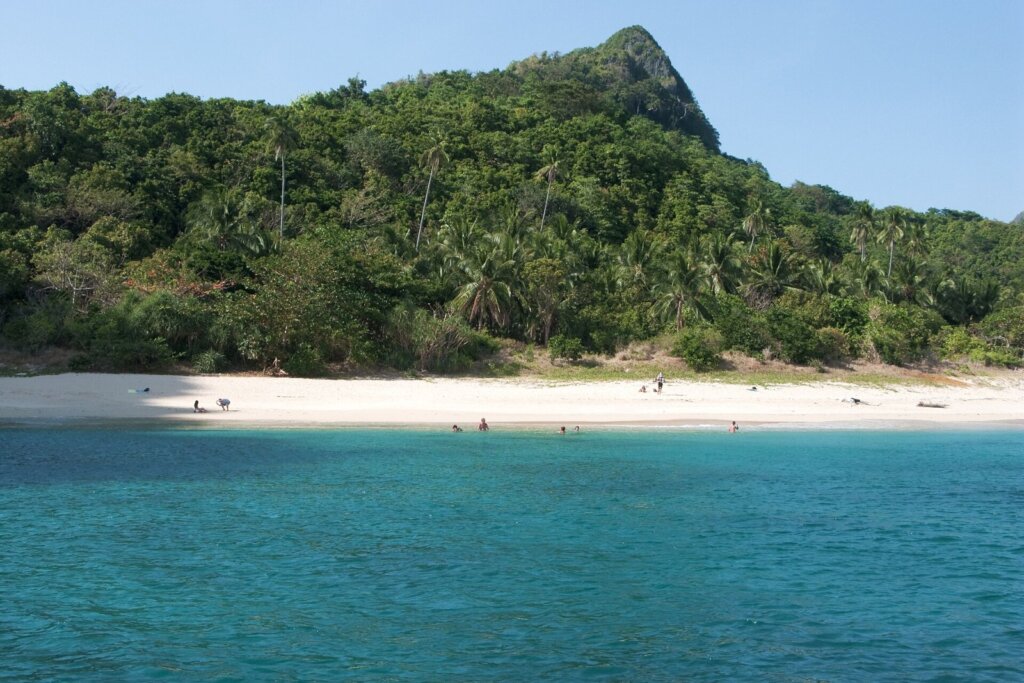
El Nido gives overseas-born kids a vivid, proud memory of the Philippines: limestone cliffs, clear lagoons and islands that look like postcards. For parents who left years ago, it is often a place they always wanted to see but never could afford. For lolos and lolas, the shared boat tours are gentle enough to enjoy, with long beach lunches and plenty of shade.
It is also a manageable distance from Manila. With a direct flight to Lio Airport, you can leave Manila in the morning and be on a beach by early afternoon, making a three- or four-night side trip realistic even in a busy homecoming schedule. Families traveling with grandparents should also read our guide to multigenerational El Nido trips.
Getting the Whole Family There
There are two main routes from Manila. The first is a direct flight to Lio Airport, a few kilometers north of El Nido town. It is the fastest and most comfortable option, but fares are higher and baggage allowances on the smaller planes can be strict. The second is a flight to Puerto Princesa, followed by a five- to six-hour road trip. Shared vans are cheap but cramped; for a family of six or more, a private van is usually worth it, letting you stop for meals and bathroom breaks whenever lolo needs one. Our Puerto Princesa to El Nido guide covers both approaches.
Route Comparison for Families
| Option | Travel time from Manila | Best for | Watch out for |
|---|---|---|---|
| Manila → Lio direct flight | About 1.5 hours flying | Seniors, small kids, short trips | Higher fares, strict baggage |
| Manila → Puerto Princesa + private van | About 7–8 hours door to door | Big groups splitting costs | Long road, motion sickness |
| Manila → Puerto Princesa + shared van | About 7–9 hours door to door | Budget-conscious adults | Tight seats, fixed stops |
| Coron → El Nido ferry | Roughly 4 hours by fast ferry | Families already in Coron | Rough seas in monsoon months |
Paperwork, Money and Connectivity
Returning Filipinos and their foreign-born family members should check entry requirements before flying home, including the online arrival registration through the official eTravel portal; our eTravel registration how-to walks through it. Former Filipinos traveling with Filipino spouses or children may qualify for the balikbayan privilege, explained by the Bureau of Immigration. For domestic flights, every family member needs valid ID, so keep passports handy even for the short hop to Palawan.
Money is the most common surprise. El Nido has ATMs, but they can run out of cash during holidays, and many small eateries, tricycles and tour add-ons accept only cash. Withdraw pesos in Manila before you fly and read our El Nido ATM and cash guide. For mobile data, a local SIM is cheaper than roaming; our Globe vs Smart vs DITO comparison shows which network works best around town and on the islands.
Where a Big Family Should Stay
Homecoming groups often include eight to fifteen people, and that changes how you book. Look for:
- Family rooms and villas that sleep four to six, so you need fewer keys and fewer separate check-ins.
- Kitchens or kitchenettes, letting tita cook breakfast and saving money for the island tours.
- Ground-floor or elevator access for seniors; many El Nido hotels are on hillsides with steep stairs.
- Locations close to the boat pick-up, such as El Nido town or Corong-Corong, to avoid long early-morning tricycle rides with sleepy kids.
Book early for December and Holy Week, when domestic tourists also flood Palawan. Ask hotels directly about group rates; for ten or more guests, many will discount or add free breakfasts. For larger groups, see our group travel planning guide.
Budgeting a Mixed-Income Family Trip
One of the delicate parts of a homecoming trip is money. Often the balikbayan family pays for most of the trip, while relatives in the Philippines contribute what they can. A few tips help keep things smooth:
- Agree on what is covered before you book: flights, rooms, tours, meals or all of the above.
- Choose shared tours rather than private boats if the group is large; a shared tour is still a memorable day, and the savings are significant.
- Use a simple shared fund in pesos for tricycles, snacks and tips, topped up as needed.
- Plan one splurge, such as a sunset dinner or a private boat for the final day, instead of upgrading everything.
Resident senior citizens with an official senior ID are often entitled to discounts at restaurants and on some transport, so relatives living in the Philippines should bring theirs. Non-resident balikbayans should not assume the same discounts apply to them.
A Relaxed Four-Day Family Itinerary
Day 1 – Arrival and sunset: Fly to Lio or arrive by van, check in and rest. In the late afternoon, gather everyone on Las Cabanas Beach or a seaside restaurant for the first sunset.
Day 2 – Tour A: The classic lagoon tour is perfect for families. Kids kayak in the Small Lagoon, grandparents enjoy the boat ride and shaded lunch, and everyone gets the iconic photos.
Day 3 – Beach day: Hire vans to Nacpan Beach for a long, easy day of swimming, coconuts and naps. This rest day is important for seniors and young children.
Day 4 – Tour C or a private boat and departure: Adventurous members take an island tour in the morning while others shop for pasalubong in town. Leave light: if you have extra bags, our luggage storage guide explains where to leave them before a late flight.
Helping First-Time Flyers in the Family
Some relatives joining from the province may be flying for the first time. Walk them through the process the night before: arriving at the airport at least two hours early, what can and cannot go in hand-carry luggage, and how boarding works on smaller planes. Print or screenshot everyone’s booking references, assign one organized cousin as the “group leader” for each airport stage, and keep IDs in one pouch. On the boat tours, make sure non-swimmers wear life vests at every stop, even in shallow water, and tell the crew who needs help getting in and out of the boat. Tour crews in El Nido are used to families and are usually very patient.
Timing Around Fiestas and Holidays
Many balikbayans come home for Christmas, New Year, Holy Week or a town fiesta. These are also the busiest periods in El Nido, when rooms sell out, boat stops are crowded and prices peak. If your schedule allows, slot the El Nido side trip just before or after the big holiday rather than right on it. Early December, mid-January and the weeks after Easter often bring calmer beaches, better rates and the same dry-season weather. If you must travel during peak days, book flights and rooms months ahead and take the earliest boat departures to beat the crowds at popular lagoons.
Etiquette and Family Tips
Overseas-born kids may not speak Tagalog, but locals in El Nido are warm and welcoming; a simple “salamat po” goes a long way. Remind relatives that the islands are protected, so collecting shells or coral is not allowed and an environmental fee applies to visitors. Bring reef-safe sunscreen, hats and plenty of water for elders. Most of all, leave room in the schedule. The best homecoming memories often happen at a long beach lunch when nobody is rushing to the next stop.
For broader trip planning, the Philippine Department of Tourism publishes up-to-date visitor information.
Frequently Asked Questions
Can balikbayans use the balikbayan privilege for an El Nido trip?
The balikbayan privilege concerns entry into the Philippines, such as visa-free stays for qualifying former Filipinos and their families. Once you have entered, domestic travel to El Nido works the same as for any traveler; carry your passport for flights and hotel check-in.
What is the easiest way to get a big family from Manila to El Nido?
The easiest route is a direct flight from Manila to Lio Airport near El Nido. If the budget is tight or you have heavy luggage, fly to Puerto Princesa and hire a private van, which comfortably fits a family and its bags.
Do senior citizen discounts apply in El Nido for balikbayans?
Senior discounts under Philippine law generally require a senior citizen ID issued to resident Filipino seniors. Relatives living in the Philippines who hold this ID can often use it; non-resident balikbayans should not count on it.
How many days should a balikbayan family spend in El Nido?
Three to four nights is ideal. It allows two boat tours, one beach day and buffer time for weather, without taking too much time away from family visits elsewhere.
Should we bring balikbayan boxes to El Nido?
No. Send boxes to your family home and travel to El Nido light. Small planes to Lio have strict baggage limits, and many hotels have limited storage space.