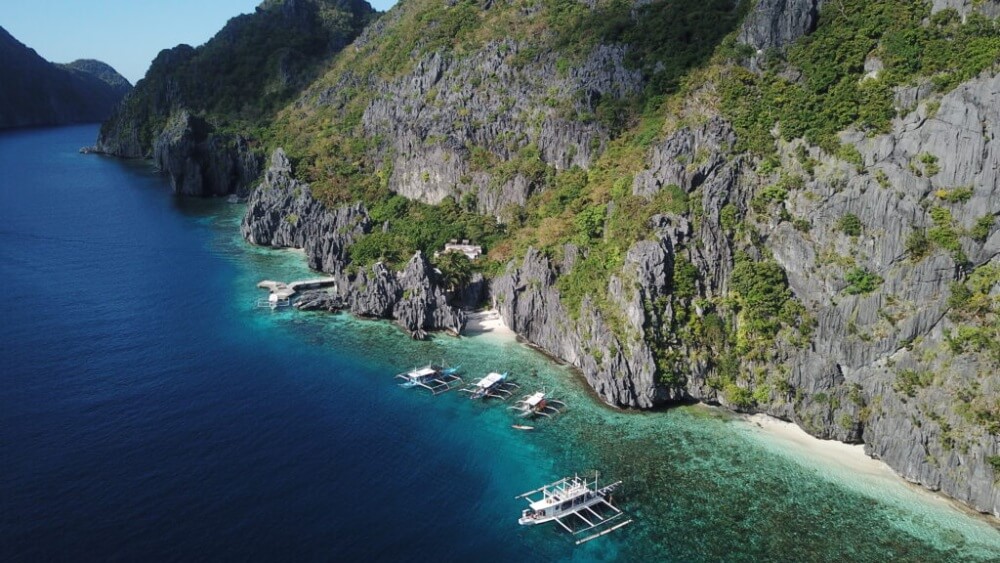

For adrenaline seekers visiting El Nido, cliff jumping offers one of the most thrilling ways to experience the stunning limestone karst landscape. With towering cliffs rising dramatically from crystal-clear turquoise waters, El Nido provides some of the best cliff jumping spots in the Philippines. Whether you’re a first-timer looking for a safe 3-meter jump or an experienced jumper seeking 15-meter drops, this guide covers the best cliff jumping spots in El Nido for 2026, safety tips, what to expect, and how to access each location.

| Spot | Height | Difficulty | How to Access | Best For |
|---|---|---|---|---|
| Entalula Island | 3-5m | Beginner | Tour A boat | First-timers, families |
| Shimizu Island | 5-8m | Intermediate | Tour A boat | Confident swimmers |
| Helicopter Island | 8-12m | Advanced | Tour C boat | Experienced jumpers |
| Matinloc Shrine | 10-15m | Advanced | Tour C boat | Thrill seekers |
| Taraw Cliff | 15-20m | Expert | Private boat + climb | Expert jumpers only |
Table of Contents
- 1. Entalula Island — Best for Beginners
- 2. Shimizu Island — Intermediate Challenge
- 3. Helicopter Island — Advanced Jumpers
- 4. Matinloc Shrine — Thrill Seekers’ Paradise
- 5. Taraw Cliff — Expert Only
- Cliff Jumping Safety Guide
- What to Bring for Cliff Jumping
- Best Tours for Cliff Jumping in El Nido
- Cliff Jumping vs Other El Nido Adventures
- Frequently Asked Questions
- Plan Your El Nido Cliff Jumping Adventure
- 1. Entalula Island — Best for Beginners
- 2. Shimizu Island — Intermediate Challenge
- 3. Helicopter Island — Advanced Jumpers
- 4. Matinloc Shrine — Thrill Seekers’ Paradise
- 5. Taraw Cliff — Expert Only
- Cliff Jumping Safety Guide
- What to Bring for Cliff Jumping
- Best Tours for Cliff Jumping in El Nido
- Cliff Jumping vs Other El Nido Adventures
- Frequently Asked Questions
- Plan Your El Nido Cliff Jumping Adventure
1. Entalula Island — Best for Beginners
Entalula Island is the perfect introduction to cliff jumping in El Nido. The jump points here range from 3 to 5 meters — high enough to be exciting but low enough to feel safe for first-timers. The water is deep (10+ meters), crystal clear, and free of rocks or coral, making it one of the safest spots in the archipelago. Most Tour A operators stop here specifically for cliff jumping.
How to get there: Book Tour A from El Nido town (₱1,200-1,500 shared boat). Entalula is typically the second or third stop.
Jump heights: 3m (low platform), 5m (higher ledge)
Water depth: 10-15 meters — safe for jumping
Best time: Mid-morning (10am-12pm) when the sun is high and water visibility is best.
Safety notes: Always check the landing zone before jumping. Watch where others jump and follow the same path. Wear a life vest if you’re not a strong swimmer — most tour operators provide them.
Tip: The boat crew will often demonstrate the jump first and point out the safest entry point. Don’t feel pressured to jump if you’re uncomfortable — there’s no shame in sitting this one out.
2. Shimizu Island — Intermediate Challenge
Shimizu Island offers a step up from Entalula with jump heights ranging from 5 to 8 meters. The island features multiple jump points at different heights, allowing you to work your way up gradually. The underwater scenery here is spectacular — after jumping, you can snorkel around the island to see vibrant coral gardens and tropical fish.
How to get there: Tour A boat stop (same tour as Entalula).
Jump heights: 5m (main platform), 8m (higher cliff edge)
Water depth: 12-18 meters
Difficulty: Intermediate. Requires confidence in water and ability to swim back to the boat (20-30 meters).
Best time: Late morning (11am-1pm) for optimal lighting and calm seas.
Safety notes: The 8-meter jump requires a running start from a narrow ledge. Only attempt if you’re comfortable with height and have jumped from 5 meters successfully. Always jump feet-first unless you’re an experienced diver.
3. Helicopter Island — Advanced Jumpers
Helicopter Island (named for its distinctive shape resembling a helicopter) is one of El Nido’s most iconic cliff jumping spots. The main jump point is 8-12 meters high, offering a genuine adrenaline rush. The approach involves climbing up the rocky cliff face — not technically difficult but requires some scrambling and comfort with heights.
How to get there: Tour C boat from El Nido town (₱1,200-1,500 shared).
Jump heights: 8m (lower platform), 12m (top of cliff)
Water depth: 15-20 meters — very deep, safe for high jumps
Difficulty: Advanced. The climb up is exposed and can be intimidating. The 12-meter jump is high enough that proper form matters.
Best time: Morning (9-11am) before afternoon winds pick up.
Safety notes: The climb up involves loose rocks — wear water shoes with good grip. At 12 meters, you’ll be in the air for about 1.5 seconds — keep your body straight, arms crossed over chest, and enter feet-first. Clench your glutes to prevent water entry (painful at this height).
Tip: Watch several people jump before you go. Note the exact spot they jump from and where they land. The landing zone is clear, but you want to avoid drifting toward the rocks.
4. Matinloc Shrine — Thrill Seekers’ Paradise
Matinloc Shrine offers one of the highest accessible cliff jumps in El Nido at 10-15 meters. The shrine itself is a beautiful abandoned Spanish-era chapel perched on a cliff overlooking the sea. The jump is from the cliff edge next to the shrine — a spectacular setting that makes for incredible photos (before you jump, not during!).
How to get there: Tour C boat stop. The shrine requires a short climb up stairs from the boat landing.
Jump heights: 10m (lower cliff), 15m (top edge near shrine)
Water depth: 20+ meters — extremely deep
Difficulty: Advanced to expert. The 15-meter jump is serious — only for experienced jumpers.
Best time: Mid-morning (10am-12pm) when seas are calmest.
Safety notes: At 15 meters, you’ll be falling for about 2 seconds and hit the water at roughly 60 km/h. Proper form is critical: body straight, arms crossed tightly over chest, legs together, toes pointed. Enter feet-first only. The impact can be jarring — expect it to sting. Do NOT attempt if you have back, neck, or joint issues.
Important: Some tour operators discourage or prohibit jumping here due to liability concerns. Always ask permission and never jump if the crew advises against it.
5. Taraw Cliff — Expert Only
Taraw Cliff is El Nido’s most extreme cliff jumping spot, with jumps reaching 15-20 meters. This is not part of standard tours — you’ll need to arrange a private boat and be prepared for a challenging climb to the jump point. The cliff face is steep and exposed, and the jump itself is only for highly experienced jumpers who understand the risks.
How to get there: Private boat charter (₱3,000-5,000 for half day) to Taraw Cliff area. The climb to the jump point takes 20-30 minutes and involves rock scrambling.
Jump heights: 15-20 meters (varies by exact jump point)
Water depth: 25+ meters
Difficulty: Expert only. Serious risk of injury if done incorrectly.
Safety notes: At 20 meters, you’re falling for 2+ seconds at speeds over 70 km/h. The impact is violent — improper form can cause serious injury including broken bones, dislocated joints, or internal injuries. Only attempt if you have extensive cliff jumping experience at 15+ meters. Consider wearing a wetsuit for additional protection on impact.
Legal/Liability: This jump is not officially sanctioned. You jump entirely at your own risk. Most tour operators will not take you here specifically for jumping.
Cliff Jumping Safety Guide
Cliff jumping is inherently risky. Follow these safety rules to minimize danger:
Before You Jump
- Check water depth: Never jump without confirming the water is deep enough (minimum 3x the jump height). Ask locals or boat crew.
- Inspect the landing zone: Look for rocks, coral, or debris. Watch where others land.
- Assess your ability honestly: Don’t let peer pressure push you beyond your comfort level. There’s no shame in not jumping.
- Start low, work up: If you’re new to cliff jumping, start with 3-5 meters before attempting higher jumps.
- Check conditions: Avoid jumping in rough seas, strong currents, or poor visibility.
- Wear appropriate gear: Water shoes with good grip for the climb. Consider a life vest if you’re not a strong swimmer.
Proper Jumping Technique
| Height | Technique | Body Position | Entry |
|---|---|---|---|
| 3-5m | Step off or small jump | Relaxed, arms out for balance | Feet-first, legs slightly bent |
| 5-10m | Confident jump out | Straight body, arms at sides or crossed | Feet-first, legs together, toes pointed |
| 10-15m | Strong push off | Rigid body, arms crossed over chest | Feet-first, body tight, clench glutes |
| 15m+ | Powerful jump out | Completely rigid, arms locked | Feet-first, pencil straight, maximum tension |
Key Safety Points
- Always jump feet-first unless you’re a trained diver. Head-first entries from height can cause serious neck/spine injuries.
- Keep your body straight. Bending at the waist or flailing can cause you to land flat (painful and dangerous).
- Protect sensitive areas. Cross arms over chest, keep legs together, clench glutes to prevent water entry.
- Point your toes. This streamlines your entry and reduces impact on your feet.
- Take a deep breath before jumping. You’ll be underwater for several seconds after entry.
- Swim away from the landing zone immediately. The next person might be jumping right after you.
When NOT to Jump
- If you can’t see the bottom clearly (poor visibility)
- If seas are rough or there’s strong current
- If you’re not a confident swimmer
- If you have back, neck, joint, or heart problems
- If you’re under the influence of alcohol or drugs
- If the boat crew advises against it
- If you feel uncomfortable or scared — trust your instincts
What to Bring for Cliff Jumping
| Item | Priority | Notes |
|---|---|---|
| Water shoes | Essential | Good grip for climbing; protect feet from sharp rocks |
| Swimsuit (secure fit) | Essential | Avoid loose swimwear — impact can rip it off |
| Waterproof camera | Recommended | GoPro or similar for photos/videos |
| Life vest | Recommended | If you’re not a strong swimmer (provided on tours) |
| Wetsuit (for high jumps) | Optional | Provides protection on impact at 15m+ |
| Sunscreen | Essential | You’ll be exposed to sun during boat ride |
| Towel | Recommended | Quick-dry towel for after jumping |
Best Tours for Cliff Jumping in El Nido
| Tour | Cliff Jumping Spots | Best For | Price |
|---|---|---|---|
| Tour A | Entalula (3-5m), Shimizu (5-8m) | Beginners, first-timers | ₱1,200-1,500 |
| Tour C | Helicopter Island (8-12m), Matinloc (10-15m) | Experienced jumpers | ₱1,200-1,500 |
| Private boat | Custom spots including Taraw Cliff | Expert jumpers, custom itinerary | ₱3,000-8,000 |
Recommendation: For first-time cliff jumpers, book Tour A. You’ll get two beginner-friendly spots (Entalula and Shimizu) plus the famous Big Lagoon and other highlights. For more experienced jumpers, Tour C offers higher jumps at Helicopter Island and Matinloc Shrine.
Read our complete Tour A vs B vs C vs D comparison to choose the right tour for your interests.
Cliff Jumping vs Other El Nido Adventures
If you enjoy cliff jumping, you might also like these adrenaline activities in El Nido:
- Zip-lining at Las Cabanas Beach: 750-meter zipline over the water (₱800)
- Rock climbing at Taraw Cliff: Guided climbing tours (₱2,500-3,500)
- Scuba diving: Explore underwater caves and walls — read our complete diving guide
- Kayaking through lagoons: Paddle through narrow passages and hidden lagoons — see our kayaking guide
Frequently Asked Questions
Is cliff jumping in El Nido safe?
Cliff jumping carries inherent risks, but the popular spots in El Nido (Entalula, Shimizu, Helicopter Island) are relatively safe when proper precautions are followed. The water is deep, clear, and free of obstacles. Always check conditions before jumping, use proper technique, and don’t exceed your ability level. Start with lower jumps (3-5m) before attempting higher ones.
Do I need experience to cliff jump in El Nido?
No experience is required for beginner spots like Entalula Island (3-5m). These jumps are suitable for first-timers who are comfortable in water. Higher jumps (10m+) require experience and proper technique to avoid injury. If you’re new to cliff jumping, start low and work your way up gradually.
What is the highest cliff jump in El Nido?
Taraw Cliff offers the highest accessible jumps at 15-20 meters, but this is expert-only and not part of standard tours. For most visitors, Matinloc Shrine (10-15m) on Tour C is the highest practical jump. Helicopter Island (8-12m) is a good intermediate option.
Can you cliff jump on Tour A or Tour C?
Yes. Tour A includes cliff jumping opportunities at Entalula Island (3-5m) and Shimizu Island (5-8m). Tour C includes Helicopter Island (8-12m) and Matinloc Shrine (10-15m). Not all tour operators emphasize cliff jumping, so mention your interest when booking to ensure they stop at the right spots.
What should I wear for cliff jumping in El Nido?
Wear a secure-fitting swimsuit (avoid loose board shorts or bikinis that can come off on impact), water shoes with good grip for climbing, and consider a rash guard for sun protection. For jumps over 15 meters, some experienced jumpers wear wetsuits for additional impact protection.
Plan Your El Nido Cliff Jumping Adventure
Cliff jumping is one of El Nido’s most exhilarating activities, combining stunning natural beauty with an adrenaline rush. Whether you’re taking your first 3-meter jump at Entalula Island or pushing your limits at Matinloc Shrine, always prioritize safety and know your limits. For first-time visitors, we recommend including cliff jumping as part of your 3-day El Nido itinerary by booking Tour A on your first or second day.
For more adventure activities beyond island hopping, check our guide to things to do in El Nido besides island hopping.
| Booking Platform | Best For | Price Range | Book Now |
|---|---|---|---|
| Booking.com | Widest selection, free cancellation | $15–500+/night | Search Hotels |
| Agoda | Best deals, Asia-focused | $15–500+/night | Search Hotels |
| Klook | Tours, activities, packages | $10–200+/activity | Browse Tours |