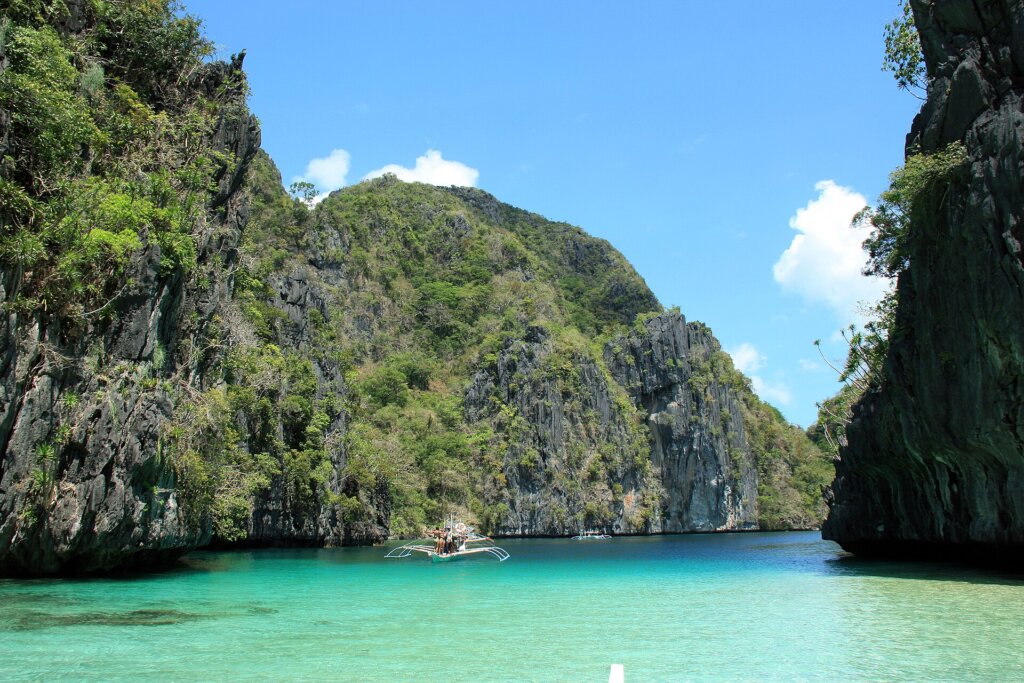
TL;DR: A combo tour packs highlights of two El Nido routes into one day but cuts time at each stop; if you have two days, splitting the tours is calmer, fuller and safer in bad weather.
El Nido’s classic island-hopping routes, Tours A, B, C and D, are usually sold as separate full-day trips. Short on time, many travellers ask whether they can squeeze two tours into one day. Some operators sell “combo” routes, and private boats can often build a custom mix. This guide focuses on combining two El Nido tours in one day specifically for travellers with only one or two days for island hopping, comparing a combo day against doing two tours on separate days.
Our unique angle: rather than ranking the tours themselves (see our Tour A vs B vs C vs D guide for that), we look at the trade-offs of time, cost, crowds, permits and weather when you try to merge them.
What Is a Combo Tour in El Nido?
A combo tour is an island-hopping day that takes highlights from two standard routes, for example a few lagoon stops from Tour A plus beaches or viewpoints from Tour C. They come in two forms:
- Shared combo tours: a fixed route sold by some agencies to groups. Availability varies by season and operator.
- Private custom routes: you charter a boat and agree a stop list with the operator, within municipal rules and the boat’s permitted route. Our private boat charter guide explains how charters are priced.
Combo routes cannot override protected-area rules. Some sites, such as the Big Lagoon and Small Lagoon, have visitor limits, fees or scheduled slots, and operators must follow them. Always confirm which stops are actually included and whether all fees are covered.
Combo Day vs Two Separate Days: Comparison
| Factor | Combo in one day | Two separate days |
|---|---|---|
| Number of stops | Usually 4–6 highlights, fewer per route | Full stop list on both tours |
| Time at each stop | Shorter, more boat time | Longer, more relaxed |
| Cost | Often higher than one tour, lower than two (private boats vary) | Two full tour prices and two lunches |
| Fees | Must check which site fees apply | Clear, standard per route |
| Weather risk | All-or-nothing on one day | Two chances; can reschedule one |
| Fatigue and seasickness | Higher; longer crossings | Lower per day |
| Best for | Very short trips, strong swimmers, private groups | Most first-timers and families |
Popular Two-Route Combinations
Tour A + Tour C highlights
This is the combination people ask about most: lagoons from Tour A with beaches and the shrine viewpoint associated with Tour C. It packs the most “postcard” stops into one day, but Tour C’s exposed stops are more weather-sensitive and may be skipped when seas are rough. Read our Tour A vs Tour C comparison first.
Tour A + Tour D highlights
Tour D’s calmer beaches and lagoons sit closer to the mainland, so pairing them with Tour A stops can mean shorter crossings. This is often the most realistic combo for families or nervous swimmers.
Tour B + Tour D highlights
A quieter, less crowded mix of caves, snorkelling spots and beaches. Good for repeat visitors who have already done Tour A.
Who Should Choose a Combo Day?
- Travellers with only one day for island hopping who want variety over depth.
- Groups chartering a private boat who can set the pace and skip crowded stops.
- Confident swimmers who do not mind longer boat rides.
Who Should Split It Into Two Days?
- First-time visitors who want to enjoy each lagoon and beach without rushing.
- Families with young children and older travellers.
- Anyone prone to seasickness (see our seasickness guide).
- Visitors in the Habagat months (roughly June to October), when splitting gives a weather buffer.
How to Book a Combo Safely
- Ask for the exact stop list in writing, including which lagoons or beaches are included and in what order.
- Check fees: confirm whether the eco-tourism development fee, any site-specific entrance fees and lunch are included.
- Confirm permits and slots: for sites with visitor limits, ask how the operator secures entry.
- Use a licensed operator: follow our verification checklist.
- Agree on timing: confirm departure and expected return time, and what happens if weather forces changes.
- Get a refund policy: know what happens if the coast guard suspends trips.
Cost Thinking: Is a Combo Actually Cheaper?
For shared tours, a combo may cost somewhat more than a single standard tour because of extra fuel and longer hours, but less than two separate tours. For private boats, the price depends on boat size, distance and hours; splitting a charter among a group can make a custom combo good value (see how to split a private boat). Remember that two separate days also mean two lunches and two sets of transport, but they also give you more hours on the water overall.
Sample Combo Day Timeline
Every operator runs its own schedule, but a private A + D style combo might look like this:
- 8:00AM – Meet at the beach or pier, register and pay any outstanding fees.
- 8:30AM – Depart and head first to a lagoon stop to beat the mid-morning crowds, if your slot allows.
- 10:00AM – Second lagoon or snorkelling stop.
- 12:00PM – Beach lunch prepared by the crew.
- 1:30PM – Cross to calmer inner-bay beaches for swimming and kayaking.
- 3:00PM – Final beach or snorkel stop.
- 4:30PM – Return to town or your hotel beach.
Compared with a standard tour, expect slightly longer crossings and less lingering. If you want more time at a particular stop, agree on it before departure rather than negotiating on the water.
Combo Day vs Two Private Half-Days
There is a third option many travellers overlook: two private half-day trips on consecutive days, each focusing on one area. Half-days avoid the long midday crossings, let you spend afternoons at the beach or resting, and still cover the highlights of two routes. They usually cost more than shared tours but give the most comfortable pacing, which is ideal for families, older travellers and photographers who prefer morning light.
What to Pack for a Long Combo Day
- Reef-safe sunscreen and a rash guard; you will spend more hours in direct sun than on a standard tour.
- Water shoes for rocky lagoon entrances and coral-strewn beaches.
- A dry bag with phone, cash and a small power bank.
- At least 1.5 litres of water per person plus snacks between stops.
- Motion-sickness tablets taken before departure if you are sensitive.
- A light long-sleeved layer for the windy return crossing.
Questions to Ask Before You Pay
When you visit a tour desk, ask the same questions to two or three operators so you can compare like for like: Which exact stops are included, and in what order? Is the lagoon entry scheduled or first-come? How many passengers will be on the boat? Is kayak rental included? What time do we return? What happens if one stop is closed because of weather? The answers often reveal which operators are organised and transparent, which matters more than a small price difference.
Crowds and Timing: The Hidden Cost of Combos
Standard tours follow well-worn sequences, so boats tend to arrive at the same lagoons and beaches at similar times. A combo can work in your favour here: because it does not follow the usual order, a good boatman can reach some stops when the standard tour groups have already left. The flip side is that combo routes sometimes reach the most popular lagoons at peak hours, when kayaks and swimmers queue at the entrance. Ask your operator how they plan around the crowds and whether they adjust the order on the day based on what other boats are doing.
Season matters too. In the December to April peak, popular stops are busiest and scheduled entry slots fill early, so a combo planned the night before may not secure every site. In the shoulder months of May and November, crowds thin and combos become easier to arrange. During the Habagat months, exposed outer-island stops may be closed for days at a time, which reduces the value of any route that relies on them.
Is a Combo Right for You? A Quick Test
Answer three questions. Do you have only one day for island hopping? Are you comfortable on a small boat for six or more hours? Is the weather forecast calm? If you answered yes to all three, a combo is a sensible choice. If you answered no to any of them, plan two separate tours or two half-days instead, and use the extra time to enjoy El Nido’s beaches on land.
Key Takeaways
- Combo tours trade depth for variety: more highlights, less time at each.
- Protected-area limits and fees still apply; always confirm the stop list and inclusions.
- A + D is the gentlest combo; A + C is the most scenic but most weather-sensitive.
- Two separate days are better for first-timers, families and rainy-season trips.
- Private boats give the most control over a custom route.
Final Thoughts
If you only have one day, a well-planned combo with a licensed operator can show you the best of El Nido. If you can spare two days, splitting the routes almost always gives a better, calmer experience and a backup if the weather turns.
Sources and further information: Philippine Department of Tourism, Philippine Coast Guard advisories, and PAGASA weather.
Frequently Asked Questions
Can you do two El Nido tours in one day?
Yes, some operators sell combo routes and private boats can build custom routes, but you will visit fewer stops from each tour and spend more time on the boat.
What is the best El Nido combo tour?
Tour A plus Tour C highlights is the most scenic, while Tour A plus Tour D is gentler with shorter crossings.
Is a combo tour cheaper than two tours?
Usually it costs more than one tour but less than two. Private boat prices depend on boat size, distance and hours.
Are lagoon fees included in combo tours?
It depends on the operator. Always confirm whether the eco-tourism fee and site-specific fees are included before paying.
Should I book a combo tour in the rainy season?
It is riskier. From roughly June to October, splitting tours across two days gives you a backup if weather cancels trips.
About the Author
This guide was compiled by the El Nido Hotels Ranking editorial team, with input from local operators and ongoing on-the-ground updates.