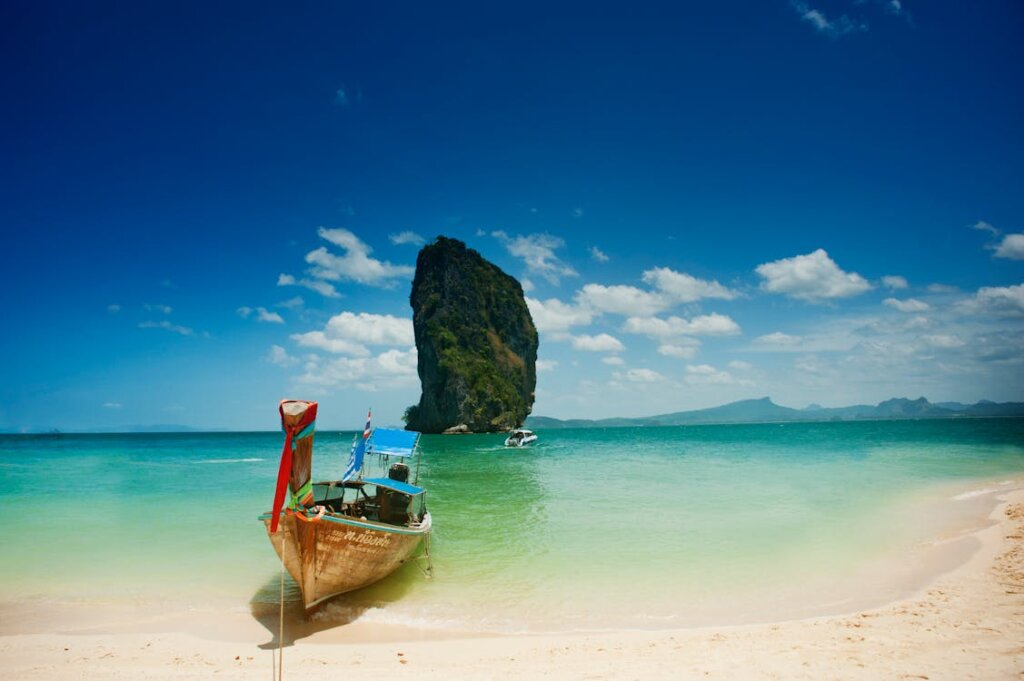

El Nido sits within the El Nido-Taytay Managed Resource Protected Area — one of Southeast Asia’s most important marine ecosystems. Sustainable tourism choices here directly protect the reefs, wildlife, and indigenous communities that make El Nido extraordinary. This guide covers responsible travel from accommodation to activities to reef care.

Table of Contents
Understanding El Nido’s Protected Status
The Bacuit Bay Marine Sanctuary covers over 10,000 hectares of coral reef, seagrass beds, mangroves, and open water. It is managed under a multi-stakeholder system involving local government, the DENR (Department of Environment and Natural Resources), and the indigenous Tagbanua community who hold ancestral domain rights over significant portions of the bay. The ecotourism fee (PHP 200/person) funds this management — it is mandatory and legitimate, not a tourist trap.
Reef-Safe Behaviour on Tours
- Reef-safe sunscreen only: Zinc oxide or titanium dioxide-based. Chemical sunscreens (oxybenzone, octinoxate, octocrylene) bleach coral and are effectively prohibited in the marine sanctuary. Bring from home — options in El Nido are limited and expensive (PHP 400–800).
- Never touch coral: One touch can kill decades of growth. The karst formations make accidental contact easy — stay aware of your body position while snorkelling.
- Don’t chase or touch sea turtles: Stay 3+ metres away and let them approach you (they often will). Chasing causes stress and disrupts feeding and breathing patterns.
- No shell or organism collection: Taking shells, coral fragments, or living organisms from the water is illegal in protected areas and depletes the ecosystem.
- Stay on designated paths at sensitive sites: Some lagoon and lagoon entry areas have marked paths to protect seagrass and coral beds.
Choosing Responsible Operators
When selecting island-hopping operators, look for:
- Wildlife briefing before entering the water (guides who explain the rules are practicing responsible tourism)
- Proper waste management (boats that carry all trash back to shore)
- No overloading of boats (max capacity respected)
- Operators who actively enforce reef-safe sunscreen
- Community benefit: operators affiliated with Tagbanua community programs share revenue with indigenous custodians of Bacuit Bay
The El Nido Tourism office on Real Street can recommend certified eco-responsible operators. See the El Nido eco tours guide for specific operator criteria.
Sustainable Accommodation
Look for properties that:
- Generate solar power (Pangulasian Island Resort is fully solar)
- Collect rainwater and have greywater systems
- Have eliminated single-use plastics
- Source food locally (reduces food miles and supports local farmers)
- Employ local staff and pay fair wages
The El Nido luxury resorts guide notes which properties have strong sustainability credentials.
Community-Based Tourism
Tagbanua Community Engagement
The Tagbanua people are the indigenous custodians of Bacuit Bay and much of the surrounding forest. Some operators include community-benefit sharing in their tour pricing. Look for tours explicitly mentioning Tagbanua revenue sharing or ask operators directly. The El Nido Tourism office facilitates some community-based tourism programmes.
Local Economic Support
The most impactful sustainable tourism choice: eat at local carenderias (not just international restaurants), hire local guides for inland activities, buy from local market vendors not souvenir factory chains, and use locally-owned accommodation when possible. Every peso spent at a local business circulates in the community rather than leaving it.
Waste and Plastics
- Bring a reusable water bottle with a filter — refill at your accommodation rather than buying plastic bottles daily
- Carry a reusable bag for market shopping
- Bring a dry bag to contain your waste on tour boats (don’t rely on shared boat facilities)
- Do not release balloons or paper lanterns (common at celebrations) — marine animals mistake them for food
Conservation Activities
- Reef cleanup dives: Several dive operators run regular cleanup dives where participants collect debris from the seafloor during their dive. See the diving guide for operators offering this.
- Mangrove restoration: Community-based planting programmes operate in Bacuit Bay — enquire at the El Nido Tourism office.
- Sea turtle monitoring: The PAWB (Protected Areas and Wildlife Bureau) runs nesting site monitoring — ask about volunteer opportunities during nesting season (March–August).
Responsible Photography
- Never use flash photography near sea turtles, rays, or other wildlife — it causes stress and disorientation
- Don’t rearrange natural objects (shells, coral, starfish) for photos — “move for my photo” behaviour damages both the environment and social media norms
- Drone photography requires CAAP permit — fly responsibly and avoid disturbing wildlife or other visitors. See the photography guide.
Frequently Asked Questions
Is El Nido environmentally protected?
Yes — El Nido sits within the El Nido-Taytay Managed Resource Protected Area, managed by DENR with ecotourism fees funding reef monitoring, conservation, and ranger programmes. The Tagbanua indigenous community holds ancestral domain rights over significant bay areas. Protection is meaningful but threatened by the pace of tourism growth — individual visitor choices matter.
What sunscreen is allowed in El Nido?
Only reef-safe mineral sunscreens (zinc oxide or titanium dioxide-based) should be used in El Nido’s waters. Chemical sunscreens containing oxybenzone, octinoxate, or octocrylene damage coral and are effectively prohibited in the marine sanctuary. Bring reef-safe sunscreen from home — availability in El Nido is limited and prices are PHP 400–800.
Can I volunteer for conservation work in El Nido?
Yes — reef cleanup dives, mangrove planting, and sea turtle monitoring programmes operate in El Nido. Contact the El Nido Tourism office on Real Street, the El Nido Eco-Tourism Association, or the DENR Palawan office. Some programmes run seasonally; advance inquiry is recommended. Dive operators also organise ad-hoc cleanup dives that visitors can join.
How does the El Nido ecotourism fee help conservation?
The mandatory PHP 200 ecotourism fee (per person, per visit to tour stops) funds: ranger salaries for protected area management, reef health monitoring programmes, waste collection on uninhabited islands, conservation education, and infrastructure at controlled visitor sites. It is one of the Philippines’ more effective conservation funding mechanisms.
| Platform | Best For | El Nido Deals |
|---|---|---|
| Booking.com | Hotels, resorts, free cancellation | View deals → |
| Agoda | Best Asia prices, loyalty rewards | View deals → |
| Klook | Tours & activities | Browse tours → |