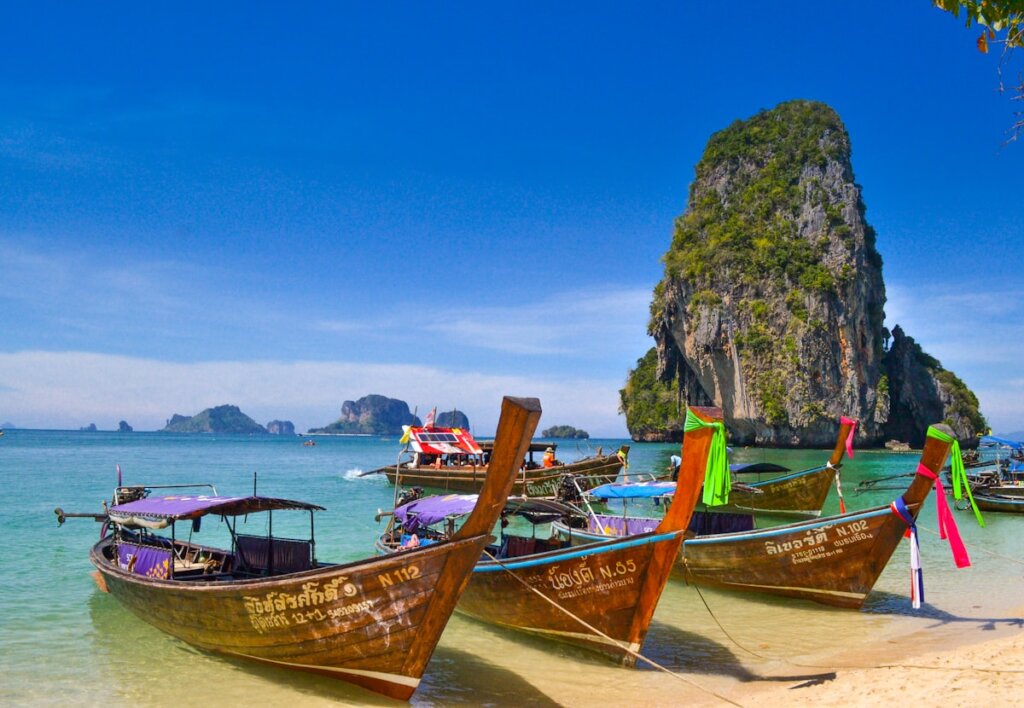

Everyone knows about Nacpan Beach and the Big Lagoon, but El Nido has a secret side that most tourists never discover. Tucked behind limestone cliffs, accessible only by kayak, or hidden at the end of jungle trails, these seven beaches offer the kind of unspoiled paradise that El Nido was famous for before the crowds arrived. If you’re willing to venture off the beaten path, these hidden gems will reward you with pristine sand, turquoise water, and blissful solitude.
Why Seek Out Hidden Beaches in El Nido?
El Nido receives over 500,000 visitors annually, and popular spots like Big Lagoon and Small Lagoon can get crowded, especially during peak season (December–April). Hidden beaches offer a dramatically different experience — imagine having an entire stretch of white sand to yourself, with nothing but the sound of waves and birdsong. These lesser-known spots also tend to have healthier coral reefs and more abundant marine life, making them ideal for freediving and snorkeling.
7 Secret Beaches Only Locals Know About
1. Nagkalit-kalit Beach
Located about 20 minutes north of El Nido town by tricycle, Nagkalit-kalit requires a short river crossing and a scramble over some rocks to reach. The effort pays off with a wide stretch of golden sand framed by dramatic rock formations. The beach faces west, making it one of the best sunset spots in the entire municipality. During low tide, tidal pools reveal starfish, small crabs, and colorful sea anemones. There’s no commercial development here — bring your own food and water.
2. Dimalanta Beach
This pocket beach on the eastern side of Cadlao Island is rarely visited because it’s not included in any standard tour. You’ll need to hire a private boat from the town pier (₱2,500–₱3,500 for a half-day). The powdery white sand slopes gently into calm, shallow water that’s perfect for swimming. The surrounding jungle is home to monitor lizards, hornbills, and long-tailed macaques. The snorkeling here is exceptional, with healthy table corals and schools of tropical fish just meters from shore.
3. Papaya Beach
Named after the wild papaya trees that line its edge, this crescent-shaped beach sits on a private island northeast of El Nido. It’s occasionally included in customized Tour C itineraries, but most operators skip it in favor of more famous stops. Ask your boat operator specifically to include Papaya Beach — it adds only 15 minutes to the route. The water here has an almost unreal blue-green color, and the sand is so fine it squeaks underfoot.
4. Maremegmeg Tide Pools
While the main stretch of Maremegmeg Beach (also called Las Cabanas) is well-known, very few visitors walk to the far southern end where a series of hidden tide pools and mini-beaches hide behind the rocky outcrop. At low tide, you can walk along the rocks for about 10 minutes to find secluded coves perfect for swimming. The beach bars are far enough away that you’ll feel completely isolated.
5. Pasandigan Beach
Accessible by a moderate 45-minute jungle trek from Corong-Corong, Pasandigan is home to a stunning waterfall that cascades directly onto the beach during rainy season (June–November). Even in dry season, the freshwater stream creates a natural pool at the base of the cliff. The hike itself is beautiful, passing through coconut groves and primary forest. Hire a local guide (₱500–₱800) for the safest experience, as the trail isn’t well-marked.
6. Tagbao Beach
This beach on the mainland coast south of El Nido is a favorite among local fishermen. Reach it by motorcycle (30 minutes from town) followed by a short walk through a coconut plantation. Tagbao offers something rare in El Nido — a long, empty beach with consistent small waves suitable for bodyboarding. There’s a small sari-sari store near the access point where you can buy cold drinks, but otherwise it’s completely undeveloped.
7. Secret Beach (Matinloc Island)
Not to be confused with the well-known Secret Beach on Tour C, this different hidden cove is on the backside of Matinloc Island. Accessible only by swimming through a narrow gap in the limestone wall (about 5 meters), it opens into a stunning enclosed lagoon with a tiny white sand beach. Only experienced swimmers should attempt this during calm conditions. The turquoise water inside the lagoon is shallow and incredibly warm — it feels like a natural infinity pool.
Hidden Beach Comparison Table
| Beach | How to Get There | Difficulty | Crowd Level | Best For |
|---|---|---|---|---|
| Nagkalit-kalit | Tricycle + short hike | Easy–Moderate | Very Low | Sunset, tide pools |
| Dimalanta | Private boat | Easy | Almost None | Snorkeling, wildlife |
| Papaya Beach | Custom boat tour | Easy | Very Low | Swimming, photography |
| Maremegmeg Tide Pools | Walk from Las Cabanas | Easy–Moderate | Low | Privacy, exploring |
| Pasandigan | 45-min jungle trek | Moderate | Very Low | Waterfall, adventure |
| Tagbao | Motorcycle + walk | Easy | Low | Bodyboarding, solitude |
| Secret Beach (Matinloc) | Swim through rock gap | Hard | Almost None | Adventure, lagoon |
How to Plan Your Hidden Beach Adventure
Best Time to Visit
The dry season (November–May) offers the calmest seas and easiest access. However, the shoulder months of June and November can be ideal — fewer tourists but still manageable weather. Always check tide schedules before visiting beaches that require rock-hopping or swimming through gaps.
What to Bring
Pack reef-safe sunscreen, a dry bag for electronics, plenty of water (at least 2 liters per person), snacks, and a first-aid kit. Water shoes are essential for rocky beaches like Nagkalit-kalit and the Maremegmeg tide pools. A waterproof phone case is worth the investment for capturing these stunning locations.
Hiring Local Guides
For jungle treks and remote beaches, always hire a local guide. They know the safest routes, the best timing for tides, and can share stories about the area’s ecology and history. Guides typically charge ₱500–₱1,000 per trip. Ask at your hotel or the El Nido tourism office for recommendations. You can also arrange custom kayaking excursions to reach some of these beaches independently.
Responsible Tourism at Hidden Beaches
These beaches remain beautiful precisely because they’re not heavily visited. Help keep them that way by following Leave No Trace principles. Carry out all trash, don’t disturb coral or marine life, avoid stepping on live coral while snorkeling, and respect any signs or barriers. Some of these beaches are near marine protected areas where fishing and collection of shells or coral is strictly prohibited.
Frequently Asked Questions
Are hidden beaches in El Nido safe to visit?
Yes, but preparation is key. Always tell someone your plans, check weather and tide conditions, bring sufficient water and supplies, and hire local guides for unfamiliar trails. Avoid swimming through rock gaps during rough seas.
How much does it cost to visit hidden beaches?
Costs vary widely. Beaches accessible by tricycle and foot (like Nagkalit-kalit) cost ₱100–₱300 for transport. Private boat hires to island beaches range from ₱2,500–₱5,000 for a half-day. Local guides add ₱500–₱1,000.
Do I need to pay entrance fees at hidden beaches?
Most hidden beaches don’t have entrance fees since they’re not commercially managed. However, beaches on islands within the El Nido Marine Reserve may require the standard Eco-Tourism Development Fee (ETDF) of ₱200 per person.
Can I camp at these hidden beaches?
Camping regulations vary. Some mainland beaches like Nagkalit-kalit allow camping with proper permits. Island beaches generally don’t permit overnight stays. Always check with the El Nido tourism office before planning to camp.