Phone photos of limestone cliffs are lovely, but a good photographer turns a trip into pictures you will frame. This guide focuses on hiring a local photographer specifically for couples, honeymooners and small families who want a relaxed session without wasting precious holiday time. You will learn the main session formats, how to choose the right hour and place, what questions to ask before paying, how to prepare outfits, and how to protect the environment while you shoot.
- Is a Professional Photo Session Worth It?
- Types of Sessions You Can Book
- Choosing the Right Time of Day
- Locations That Photograph Well
- How To Vet a Photographer
- Budgeting and Payment
- Solo, Couple, Family or Group: Matching the Session
- Backup Plans for Weather and Sea Conditions
- What To Wear and Bring
- Posing Without Feeling Awkward
- Shooting Responsibly
- After the Shoot: Delivery and Printing
- Frequently Asked Questions
Is a Professional Photo Session Worth It?
A session costs time and money, and it will not suit everyone. It is worth considering if you are celebrating an engagement, honeymoon, anniversary or family milestone, or if you are tired of handing your phone to strangers. A photographer also knows the light, the tide and the quiet corners, so you spend less time searching and more time enjoying.
If you only want a few casual shots, a self-timer, tripod and a patient friend may be enough. But for a polished set of pictures with natural poses, a professional is hard to beat. Treat the session as an activity in itself, not an interruption of your holiday.
Types of Sessions You Can Book
Most photographers in the area offer a few formats. A short sunrise or sunset shoot on a beach near town is the simplest choice. A longer shoot can follow a private boat to a quieter island, and some photographers also join island-hopping trips to capture candid moments on the water. Prices and inclusions vary widely, so compare quotes rather than assuming a standard rate.
Decide which style you prefer before you inquire. Candid documentary photography follows you around, while posed portraits use classic compositions. Many couples ask for a mix, and a good photographer will guide you gently without making you feel awkward.
| Session type | Typical length | Best for | What to ask |
|---|---|---|---|
| Beach sunrise or sunset | 1 to 2 hours | Couples and proposals | Meeting point and weather backup |
| Town and street candid | 1 to 2 hours | Families and solo travelers | Number of edited photos |
| Private boat shoot | Half day | Honeymooners and groups | Boat cost included or separate |
| Tour companion photographer | Full day | Friend groups | Whether they swim and carry gear |
| Proposal shoot | 1 hour plus planning | Surprise engagements | Privacy and hidden shooting |
Choosing the Right Time of Day
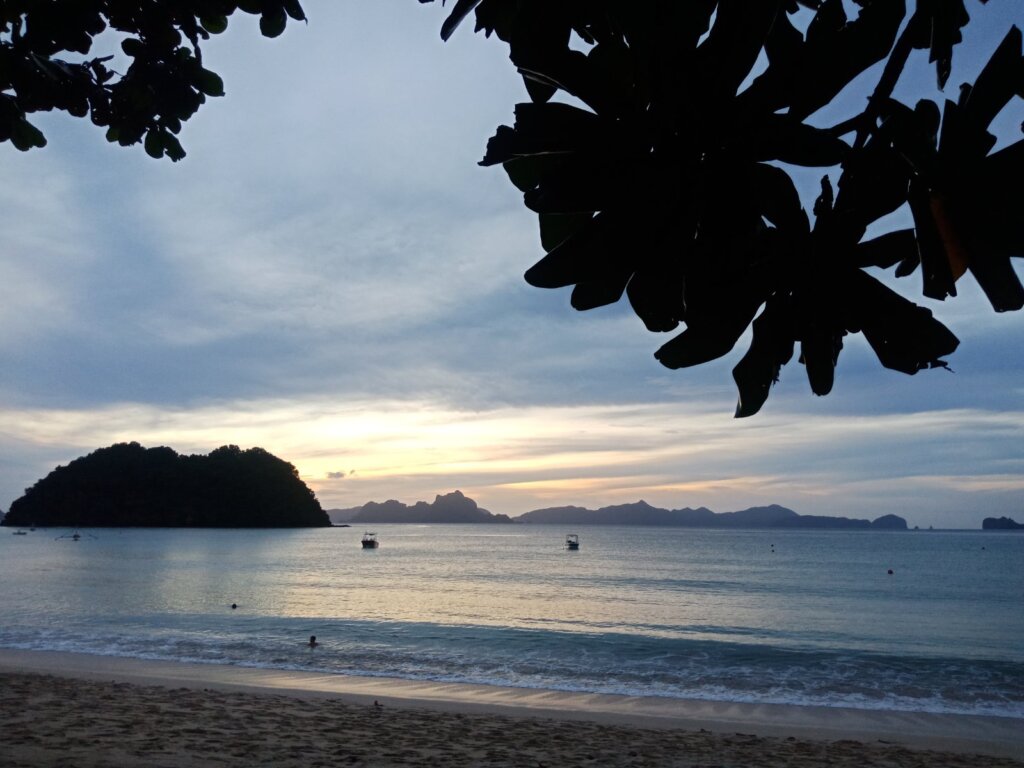
Light decides the look of your photos. The first hour after sunrise and the hour before sunset give soft, warm light and flattering skin tones, while midday sun creates harsh shadows. Sunrise has the extra advantage of empty beaches. Our list of the best sunrise spots in El Nido shows good locations to suggest to your photographer.
Check the tide as well. A low tide may reveal reflective sand, while a high tide hides it. The national mapping agency NAMRIA publishes tide predictions, and our guide to low tide beach walks explains how to read them. Always have a backup date in case of rain.
Locations That Photograph Well
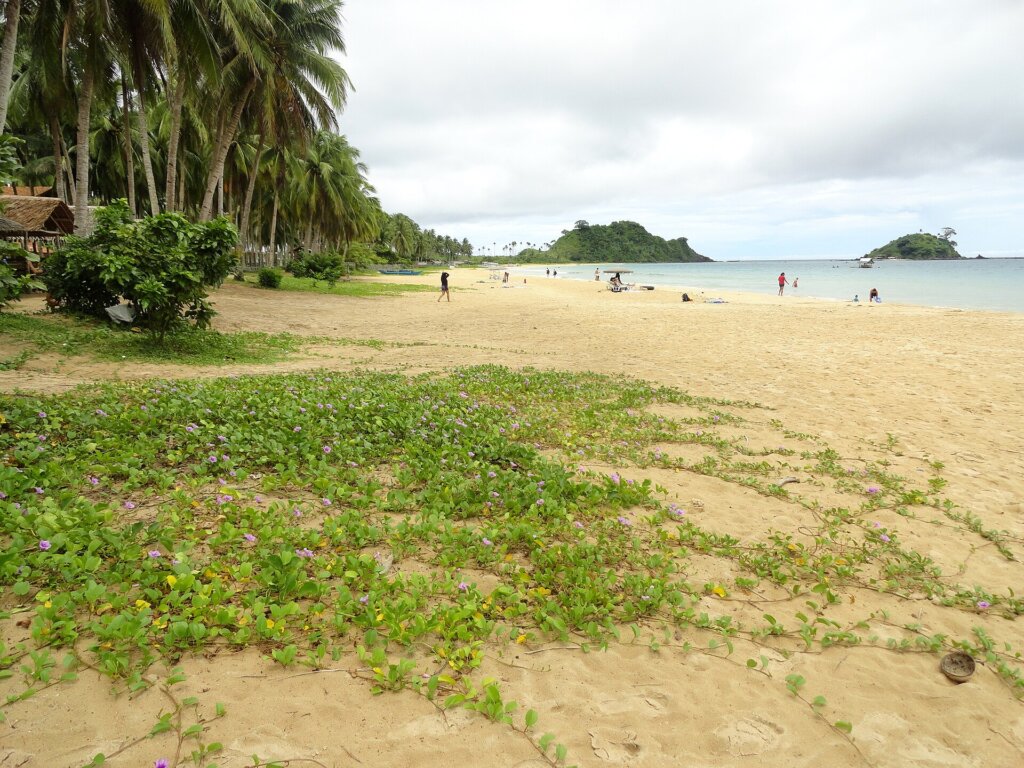
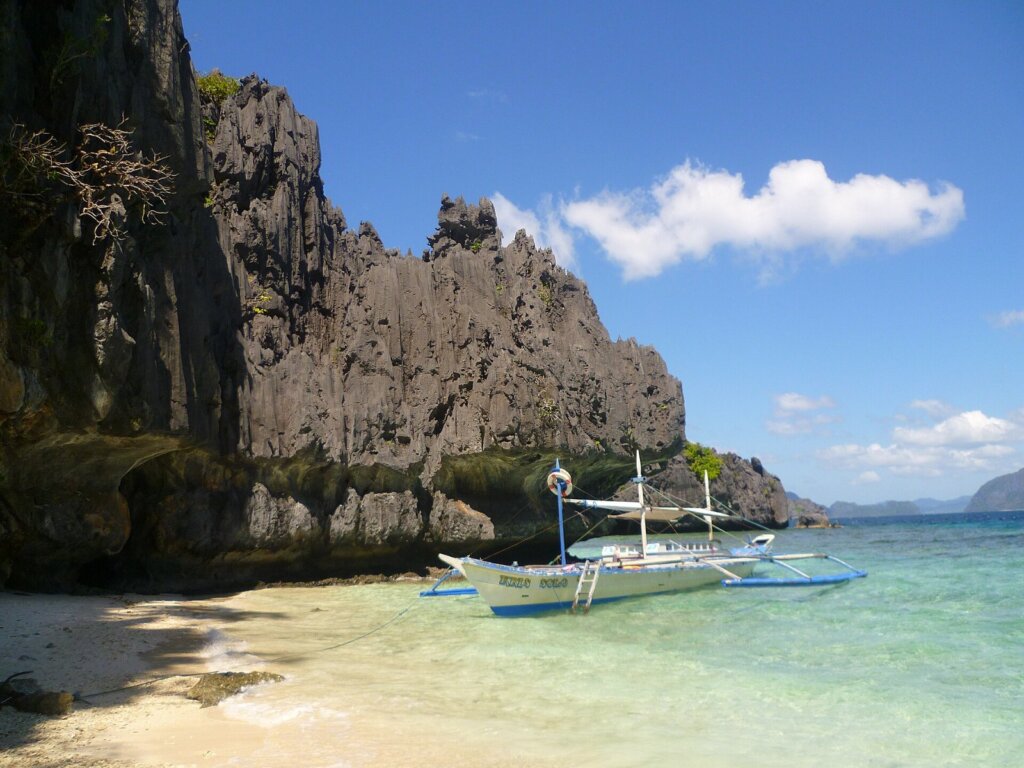
Limestone cliffs, clear lagoons and quiet beaches are the signature backdrops. Near town, rooftops, jetties and the shoreline offer easy access with little travel time. Further away, secluded beaches give privacy but need a boat and more budget. Ask your photographer to propose two or three options based on your date, the tide and the expected crowds.
Remember that some places charge entrance or environmental fees and may restrict commercial photography or drone use. Local rules change, so ask your photographer to confirm permissions. If you want aerial shots, read about drone regulations with the national aviation authority, the Civil Aviation Authority of the Philippines.
How To Vet a Photographer
Start with the portfolio. Look for consistency across several sessions, not just a few highlights, and check that the style matches what you want. Read reviews, message through a platform that keeps a record and ask for references from recent clients. A professional will respond clearly and promptly and will describe what is included.
Ask how many edited photos you receive, how long delivery takes, whether usage rights are included and what happens in bad weather. Confirm the full price, the deposit and the cancellation terms in writing. Be careful with anyone who insists on full cash payment in advance without a receipt.
Questions to ask before booking
What is included in the price? How many edited images? How long until delivery? Do you have backup gear? What is the rain policy?
Red flags
No portfolio, vague pricing, pressure to pay fully in advance and no written confirmation.
Budgeting and Payment
Rates depend on duration, distance, boat costs and the number of edited photos. Get at least two or three quotes and make sure each lists the same inclusions. Remember extra costs such as private boat charges, fees at specific sites and tips for assistants. Many freelancers accept bank transfers or e-wallets; see our guide to paying with GCash and e-wallets for options.
Pay a modest deposit to secure the date and settle the balance after the shoot or on delivery. Keep screenshots of messages and receipts, and agree on a delivery format such as an online gallery with downloadable high-resolution files.
Solo, Couple, Family or Group: Matching the Session
The best format depends on who is in front of the camera. Couples usually enjoy a quiet sunrise or sunset session with a mix of posed and candid frames. Families with young children do better with a short, flexible shoot close to the hotel, because naps, snacks and sudden bursts of energy are part of the plan. Friend groups often prefer a shoot on a private boat, where jumping, splashing and laughing produce lively images.
Solo travelers can book a smaller session, often an hour, and use it to capture a portrait series in several outfits. A photographer can also double as a local guide, suggesting viewpoints and cafés you might miss. Whatever your group, tell the photographer who is coming, their ages and any mobility or swimming concerns so the plan is realistic.
If you are planning a surprise, such as a proposal, share the details privately and agree on signals in advance. A good photographer will blend into the background, scout the spot early and keep the secret until the moment arrives.
Backup Plans for Weather and Sea Conditions
Weather in Palawan can change quickly, and wind or rain can cancel a boat-based session. Check forecasts from PAGASA the day before and keep a second date free. Ask the photographer whether they offer a covered option, such as a café, a hotel balcony or a town backdrop, that still produces good pictures when the sky is grey.
Overcast skies can actually flatter skin tones, and wet sand reflects colors beautifully after a shower. Embrace the mood instead of fighting it, and bring a light rain jacket or umbrella for dramatic shots. Your safety comes first, so if the crew advises against going out, accept the postponement gracefully.
What To Wear and Bring
Choose clothes that move well in wind and look good against blue and green backgrounds. Light, flowing fabrics, solid colors and soft earth tones photograph beautifully, while busy patterns and tiny stripes can look messy. Bring one or two outfit changes and dress layers that you can remove quickly. Avoid pure white if you plan to enter the water, since it becomes see-through when wet.
Pack sunscreen, a hat for waiting time, a towel, water, flip-flops and a small dry bag. Wear reef-safe sunscreen and avoid chemical products that can harm marine life. If you have long hair, bring a brush and ties, and ask your photographer about hair and makeup help.
Posing Without Feeling Awkward
Most people feel stiff at first. Relax by walking, laughing and moving with your partner instead of standing still. Let the photographer direct small actions such as holding hands, whispering or looking away, which create natural expressions. Bring a playlist or simply talk about your trip, and treat the first ten minutes as a warm-up.
For families, keep sessions short and playful, with snacks for children. Our family travel guide has advice for pacing activities with young ones. For solo travelers, a shoot can be a fun and safe way to document a trip; see our solo travel guide for safety tips.
Shooting Responsibly
Beautiful places stay beautiful only if visitors protect them. Do not stand on coral, trample vegetation or leave props behind. Avoid disturbing wildlife for a better photo, and keep a respectful distance from nesting areas. The DENR manages protected areas, and breaking its rules can lead to fines and closures.
Respect local residents as well. Ask permission before photographing people, keep noise low near homes and tip staff who help carry equipment or set up. A responsible session leaves no trace and often earns smiles from boat crews and passers-by.
After the Shoot: Delivery and Printing
Expect a gallery within a few days to a couple of weeks, depending on the season and the number of edits. Review the images promptly and request small corrections early. Back up the files to cloud storage and a second device, then choose a few favorites for printing at home. A framed print or a small album makes a lasting souvenir of your trip.
If the photographer posts your photos publicly, discuss this in advance. Agree on whether you are comfortable with social media use and whether you prefer to keep a private gallery. Clear expectations keep everyone happy.
Frequently Asked Questions
How far in advance should I book a photographer in El Nido?
Book a few weeks ahead for peak months and at least a few days ahead otherwise, so you can pick the best sunrise or sunset slot.
What is the best time for photos in El Nido?
The first hour after sunrise and the last hour before sunset give soft light and quieter beaches.
Can a photographer join my island-hopping tour?
Many can, but confirm the extra boat seat, the gear they carry and whether it changes your tour price.
Are drones allowed for photo sessions?
Rules apply and sites may restrict drones, so ask your photographer to confirm permission and follow national aviation regulations.
What if it rains on the day of the shoot?
Ask in advance about their rain policy. Most photographers offer a reschedule or a covered location instead.