Labor Day on May 1 lands at the hottest, driest, busiest end of the Philippine summer, and El Nido feels it. This guide focuses on the Labor Day weekend specifically for Filipino and foreign travelers who have a short holiday window and want to avoid sold-out boats, surprise surcharges and sunburn. You will find a realistic picture of crowds and prices, a booking timeline, a two-day and a three-day plan, and practical tips for heat and sea conditions.
- Why Labor Day Weekend Is Different in El Nido
- What to Expect at a Glance
- Crowds, Prices and Minimum Stays
- A Smart Booking Timeline
- Heat, Sun and Sea Conditions
- Two-Day Labor Day Plan
- Three-Day Plan With More Breathing Room
- Getting There and Getting Out
- Budgeting a Holiday Weekend Trip
- Tips for Families and Larger Groups
- Respecting the Environment During Peak Days
- What to Pack for a Hot Holiday
- Safety Reminders for Busy Days
- Ways to Avoid the Worst of the Crowds
- If You Can Move Your Dates
- Frequently Asked Questions
Why Labor Day Weekend Is Different in El Nido
May 1 is a national holiday in the Philippines, observed as Labor Day. When it falls on or next to a weekend, it creates a short break that many Manila and Cebu residents use for a quick island escape. Because it arrives right after the Holy Week rush and in the middle of the dry season, demand is concentrated into a few days, and El Nido’s compact town, small airport and limited boat fleet feel the squeeze.
The date also falls near the end of the school year in many places, so family groups join couples and backpackers. In 2027 May 1 falls on a Saturday, so confirm with the government’s official holiday proclamations whether any additional day off is declared, because that changes how long the peak lasts.
What to Expect at a Glance
This snapshot compares a Labor Day weekend with an ordinary May weekday and with a typical wet-season weekend.
| Factor | Labor Day weekend | Ordinary May weekday | Wet-season weekend |
|---|---|---|---|
| Crowds | High, busiest at lagoons and viewpoints | Moderate | Low to moderate |
| Hotel availability | Tight; many stays sell out weeks ahead | Good with some notice | Very good |
| Room rates | Peak pricing and minimum stays common | Standard high-season | Often discounted |
| Sea conditions | Usually calm and clear | Usually calm | Variable; cancellations possible |
| Temperature | Hot and humid | Hot and humid | Warm with rain |
| Tour slots | Fill early; join-in tours sell out | Easy to book | Plenty available |
Crowds, Prices and Minimum Stays
Many accommodations apply holiday surcharges, require two- or three-night minimums, or stop accepting free cancellations over a long weekend. Rates vary widely by property, so compare total cost rather than the headline nightly price. Read our explanation of holiday minimum stays and surcharges before you book so you know which fees are normal.
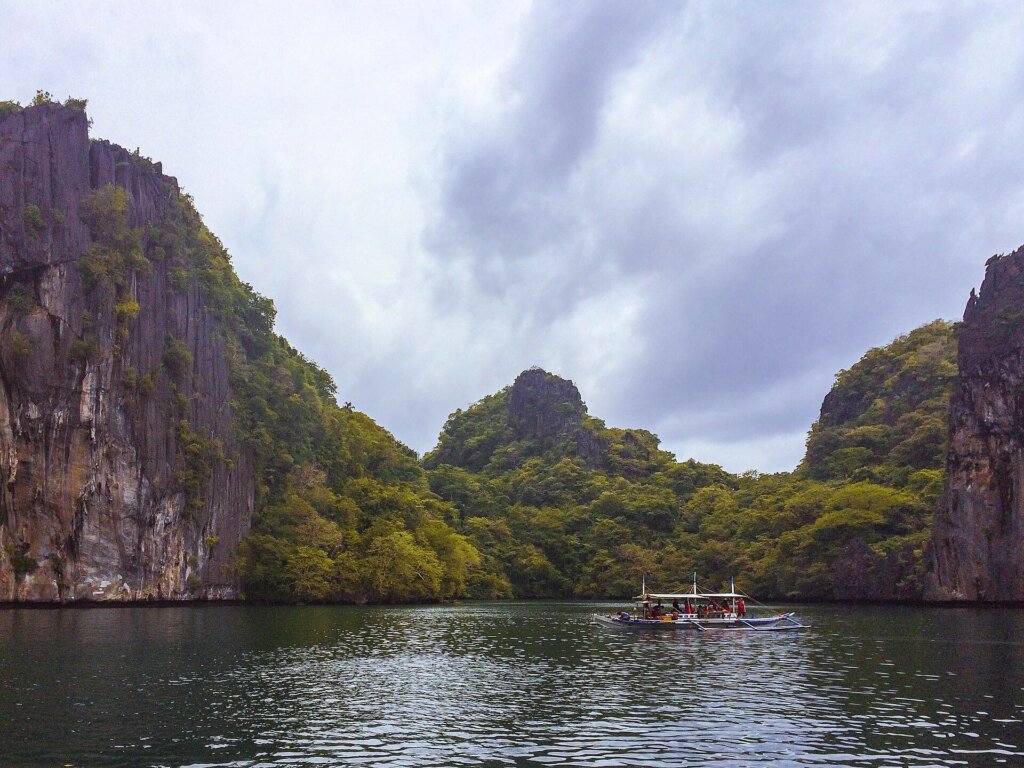
Tour operators also raise demand-based prices or cap the number of join-in slots. If your priority is the famous lagoons, book a morning departure and choose a route that visits less crowded stops first. Read our island hopping comparison guide to see which routes fit your timing.
A Smart Booking Timeline
Because supply is limited, the order in which you book matters more than the exact week.
- 10 to 12 weeks out: Reserve flights or van tickets and your first two nights of accommodation.
- 6 to 8 weeks out: Book the remaining nights and any special stays such as beachfront or overwater rooms.
- 3 to 4 weeks out: Pre-book your preferred island-hopping tour, ideally a private or small-group option.
- 1 week out: Confirm all transfers, save offline copies of bookings and check the weather outlook.
- On arrival: Reconfirm tour times with your operator and ask about any local advisories.
Heat, Sun and Sea Conditions
Late April and May are among the hottest months in the Philippines. Expect strong midday sun, high humidity and warm sea water. National forecasts and heat advisories come from PAGASA, and you should check them before long outdoor activities. Plan hikes and viewpoint climbs for early morning, swim and snorkel in the late morning, and rest during the early afternoon.
Seas are normally calmer than in the wetter months, so boat cancellations are rare, but afternoon thunderstorms can develop quickly. Wear life jackets, drink water regularly and carry electrolytes. Our health and vaccination guide covers heat illness symptoms and basic first aid.
Two-Day Labor Day Plan
If you only have a Saturday and Sunday, keep logistics tight and prioritize one big tour.
Day 1: Island Hopping
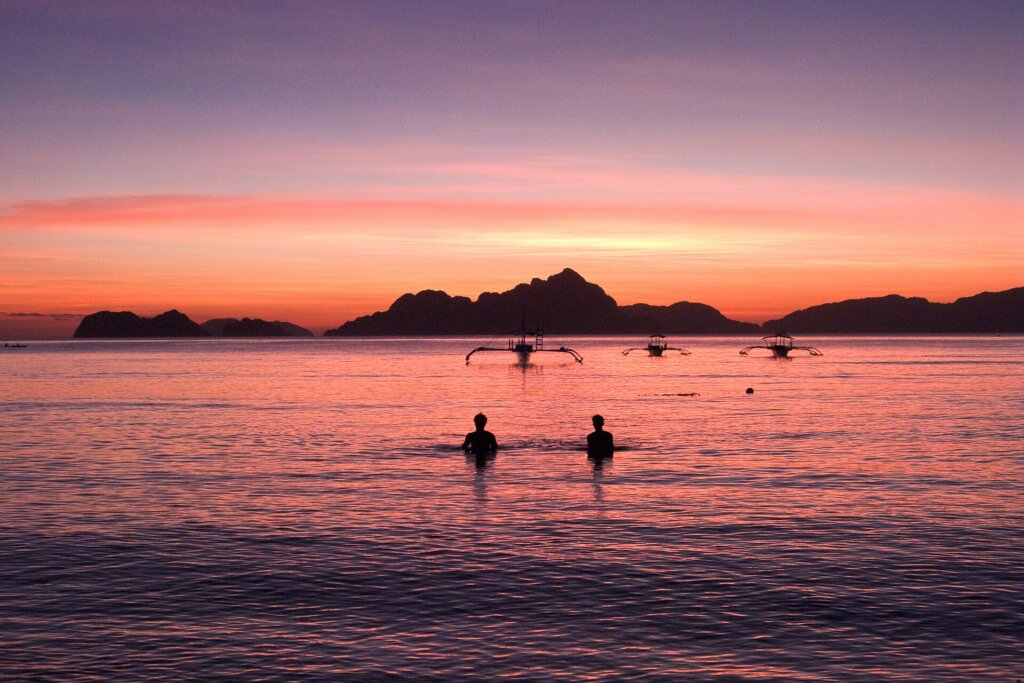
Take an early tour that includes a lagoon, a beach and a snorkeling stop. Return by mid-afternoon, rest, and walk to a sunset spot. Dinner at a seafood grill keeps the day relaxed.
Day 2: Beach and Departure
Spend the morning at a nearby beach or a kayak session, then leave several hours before your flight or van because traffic and check-in lines are longer on holiday days.
Three-Day Plan With More Breathing Room
With three days you can add a second tour or a half-day hike. Combine one of the popular routes with a quieter alternative so you are not always in the busiest places. Add an evening activity such as a firefly outing or stargazing; our El Nido stargazing guide explains how to find dark skies. Keep the last afternoon free for packing and unexpected delays.
Getting There and Getting Out
Flights into Lio Airport and vans from Puerto Princesa fill up quickly on long weekends. Book both directions at once, and avoid tight connections if you are flying in from Manila or Cebu. If you can, arrive a day early and leave a day late, because road and airport delays on holiday dates are common. Our payday weekend from Manila guide offers timing tips that apply equally to Labor Day trips.
Allow extra time at the airport and keep your documents handy. If you rely on a ferry, confirm schedules locally because holiday timetables can differ.
Budgeting a Holiday Weekend Trip
Holiday travel rewards planning. Start by listing the fixed costs: transport in both directions, accommodation for each night, one main tour and the local fees that apply to visitors. Then add a flexible layer for meals, snacks, tricycle rides, kayak rentals and small purchases. A common mistake is budgeting for ordinary days and forgetting the holiday premium on rooms and tours, which can add a noticeable share to the total.
To keep costs sensible, share a private boat among friends instead of booking several individual seats, eat at local eateries for at least one meal a day, and bring a refillable bottle. Our El Nido budget travel guide breaks down typical daily spending, and the official Philippines tourism website lists regional advisories and accredited accommodations.
Tips for Families and Larger Groups
Labor Day brings many multi-generation groups, and logistics decide whether the trip is relaxed or stressful. Choose accommodation with family rooms or adjoining units, and book tours that offer shorter boat rides and shaded rest stops. Bring child-sized life jackets if you have young children, because supplies on boats can be limited. Agree on a meeting point and a simple communication plan for crowded beaches.
Large groups should book as early as possible and confirm headcounts with operators in writing. Ask whether lunch is included, whether vegetarian or allergy-friendly meals are available, and what the cancellation rules are if weather turns. Stagger activities so grandparents and toddlers can rest while others hike or kayak.
Respecting the Environment During Peak Days
Holiday crowds strain fragile lagoons and reefs. Use reef-safe sunscreen, never stand on coral, and keep a respectful distance from marine life. Carry out all trash and refuse single-use plastics wherever possible. The national environment agency, DENR, publishes guidance on protecting coastal and forest areas, and local rules in El Nido are enforced by tourism and marine officers.
Choosing smaller groups, quieter routes and locally owned operators helps spread income and reduces pressure on the busiest sites. If you see rule-breaking, politely tell your guide or report it to the town tourism office rather than confronting people yourself.
What to Pack for a Hot Holiday
Pack light because boat storage is limited and baggage allowances on small planes are strict.
- Reef-safe sunscreen, a hat, UV-protective sunglasses and a light long-sleeve shirt.
- A dry bag, water shoes and a quick-dry towel for tour days.
- Electrolyte sachets, a reusable bottle and basic medicines.
- Cash in small bills, a power bank and offline copies of bookings.
- A light rain jacket for sudden afternoon storms.
Safety Reminders for Busy Days
Crowded beaches and boats raise the odds of small accidents, so keep your valuables in a waterproof pouch, wear a life jacket whenever you are on or in open water, and never swim alone at sunset. Heat can exhaust you faster than you expect, so rest in the shade, eat regularly and stop activities if you feel dizzy or nauseated. If you rent a kayak or paddleboard, check conditions with the staff, stay close to shore and avoid areas with boat traffic.
Finally, keep emergency numbers and your accommodation address saved offline, and tell someone your plan for the day. A calm, prepared traveler enjoys the long weekend far more than one who is scrambling to fix preventable problems.
Ways to Avoid the Worst of the Crowds
Respect local rules and fees, and carry your trash out. Holiday crowds put extra pressure on beaches and waste systems.
- Start tours at the earliest slot and reverse the usual route if your operator allows.
- Choose small-group or private boats to control the pace.
- Visit popular viewpoints at sunrise or late afternoon.
- Spend one day away from the main beaches, exploring quieter coastlines.
- Eat early or late to avoid dinner queues.
- Stay slightly outside the busiest part of town if you value sleep.
If You Can Move Your Dates
Flexibility is the most powerful money-saving tool. A midweek trip in early May, or the first week of June, often brings the same weather with fewer people. See our month guide at El Nido in May for details on conditions, and compare with the national holiday that follows at Independence Day on June 12. International visitors may also like our May holiday plan for travelers from India, which covers a similar window.
Frequently Asked Questions
Is El Nido crowded on Labor Day weekend?
Yes. May 1 combines a national holiday with peak dry-season weather, so hotels, flights and tours fill earlier than usual.
How far ahead should I book for Labor Day?
Aim for two to three months for flights and accommodation, and at least three to four weeks for tours.
Are hotel prices higher on May 1?
Often yes. Many properties add holiday surcharges or minimum-night requirements, so compare the total price.
Is the weather good in early May?
It is usually hot, dry and sunny with calm seas, but afternoon thunderstorms are possible.
What is the best way to avoid crowds?
Book early-morning tours, choose small boats, visit viewpoints at sunrise and consider traveling midweek.
Do I need cash during the holiday?
Yes. Carry enough cash for small purchases, fees and tricycle rides because ATMs can run low on busy weekends.