Most El Nido food guides stop at grilled fish, yet the town’s best splurge is shellfish: spiny lobster, tiger prawns and mud crab landed by small Bacuit Bay boats. This guide focuses on crustaceans specifically for travelers who want a proper seafood feast without being overcharged, and it explains how to choose, weigh, order and cook them. You will learn the Filipino names, the cooking styles worth ordering and the checks that separate a great dinner from a disappointing one.
- Why Crustaceans Deserve Their Own Guide
- Know the Names: A Quick Filipino Seafood Glossary
- Where to Eat and Buy: Four Options Compared
- How to Choose Fresh Lobster, Prawns and Crab
- The Cooking Styles Worth Ordering
- Pricing: How to Avoid Bill Shock
- Best Time of Day, Season and Conditions
- Allergies, Safety and Food-Handling Tips
- Sample Plans for Three Budgets
- Frequently Asked Questions
Why Crustaceans Deserve Their Own Guide
Fish dominates menus in El Nido, but lobster, prawns and crab are sold differently. They are priced by weight, kept alive or on ice, and judged by freshness in ways that a grilled snapper is not. Understanding this saves money and prevents the classic mistake of agreeing to a dish without knowing what the bill will look like.
Bacuit Bay and the surrounding waters of northern Palawan have long supported small-scale fishing. Boats go out in the evening and early morning, so the freshest catch appears at restaurants and on the beachfront around the same hours. If you want the widest selection, plan your seafood dinner for the evening of a day when the sea was calm enough for boats to go out. You can check conditions using our guide to reading the El Nido sea forecast and our roundup of weather apps for El Nido.
A second reason to treat these as a category is that the vocabulary is confusing. The same animal can appear under three names on a single menu, and staff may quote prices in a way that sounds cheap per 100 grams but is expensive per kilo. A little preparation goes a long way.
Know the Names: A Quick Filipino Seafood Glossary
Menus and market vendors in Palawan mix English, Tagalog and local terms. Learn these and you will order with confidence.
- Ulang: a general word for lobster or large freshwater and saltwater prawns. Ask whether it is spiny lobster or a large prawn.
- Sugpo: tiger prawn, usually the biggest prawn on offer and ideal for grilling.
- Hipon: smaller shrimp, good for sinigang (sour soup) and garlic dishes.
- Alimango: mud crab, meaty and often sold alive with tied claws.
- Alimasag: blue swimmer crab, sweeter but with less meat per piece.
- Pa-luto: literally “have it cooked”; you choose or bring the seafood and the kitchen cooks it for a fee.
Knowing pa-luto matters because many beachfront places allow you to buy at a stall and pay a small cooking charge. Always confirm that charge before you hand over the seafood.
Where to Eat and Buy: Four Options Compared
There are four realistic ways to get crustaceans in town. Each has trade-offs in price, freshness, and convenience. Prices change with season, weather and demand, so treat the ranges below as relative guidance and confirm every figure on the spot.
| Option | Best for | Price level | Freshness | Main risk |
|---|---|---|---|---|
| Restaurant with live tank | Easy, sit-down dinner | Highest | Very good | Weight surprises at billing |
| Beachfront grill (choose-your-catch) | Atmosphere and variety | Medium to high | Good to very good | Unclear cooking and side charges |
| Market stall plus pa-luto | Value and a hands-on experience | Lowest to medium | Depends on stall | Extra cooking fees, finding a willing kitchen |
| Island-hopping lunch add-on | Convenience on tour days | Medium | Good if pre-ordered | Limited choice, must order the day before |
If this is your first time, the beachfront grill gives the best balance. Experienced budget travelers often prefer the market-plus-pa-luto route. Anyone short on time can pre-order seafood for a tour lunch; see our comparison of Tours A, B, C and D to decide which itinerary leaves room for a seafood stop.
How to Choose Fresh Lobster, Prawns and Crab
Lobster and large prawns
Look for clear, glossy shells with no black patches along the joints. The tail should curl back when picked up. A limp tail or an ammonia smell means it has sat too long. Heads on prawns should be firmly attached to the body, because loose heads are an early sign of aging.
Mud crab
A good crab feels heavy for its size. Lift it: a light crab is likely a “water crab” with little meat. Check that it is still moving. Vendors often tie the claws, so ask to see the underside, where a firm, wide shell plate suggests a mature, meaty animal.
What to avoid
Do not buy egg-bearing females if you can help it. The Philippines’ fisheries agency, the Bureau of Fisheries and Aquatic Resources, discourages taking berried crustaceans and undersized animals because it harms local stocks. Choosing a restaurant that avoids them supports a healthier bay for the next visitor.
The Cooking Styles Worth Ordering
Lobster, prawns and crab take well to several Filipino and coastal preparations. Order according to the animal rather than the restaurant’s default.
- Grilled with garlic butter: best for lobster and sugpo. The shell protects the meat while the butter seeps in.
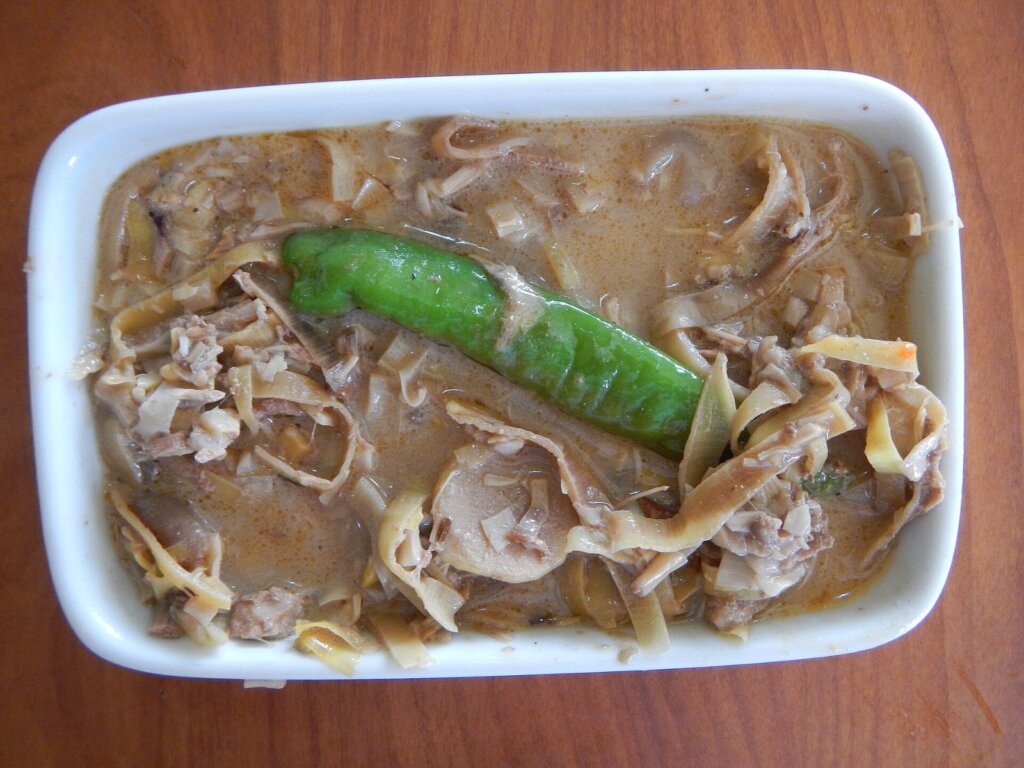
- Ginataang alimango: mud crab simmered in coconut milk with chili and ginger. Rich, slightly sweet and ideal over rice.
- Sweet-and-sour or chili crab: bold sauces that suit the larger mud crab.
- Sinigang na hipon: tamarind-sour shrimp soup, comforting after a hot day on the boat.
- Steamed with lemon and calamansi: the purest way to taste ultra-fresh prawns.
Ask for sauces on the side if you are unsure. Pair the feast with plain rice, a green vegetable and fresh calamansi juice. For a lighter, cheaper side, consider our guide to sisig varieties and prices if some in your group prefer pork over shellfish.
Pricing: How to Avoid Bill Shock
The most common complaint about crustacean dinners is not quality but the final bill. Follow this routine and you will rarely be surprised.
- Ask whether the price is per kilo or per 100 grams before you point at anything.
- Watch it being weighed on a scale, and ask for the weight in grams to be said aloud or written down.
- Confirm whether the weight is raw, with shell, which is normal and expected.
- Ask the cooking fee separately if the item is not from the restaurant’s own tank.
- Check for service charge and tax on the menu before ordering.
Share large crabs and lobsters. A single mud crab of around a kilo generally feeds two people when paired with rice and a vegetable dish. Tipping is not mandatory, but a small gratuity for good service is appreciated; see our El Nido tipping guide for norms.
Best Time of Day, Season and Conditions
Dinner is the best time to eat crustaceans because boats unload in the late afternoon and evening. Lunch menus often rely on stock that is a day old. Seasonally, the dry months from roughly December to May usually bring calmer seas, more boats at work and a wider choice. During the southwest monsoon and typhoon periods, supply thins and prices can rise. Always check the official advisories from PAGASA and the Palawan tourism office at philippines.travel if you are planning around weather.
Evening is also the best time to combine seafood with a walk through town. If you enjoy street snacks beforehand, take a look at our night market guide, then save room for the main event.
Allergies, Safety and Food-Handling Tips
Shellfish is a leading cause of severe food allergy. If anyone in your group is allergic, tell the kitchen clearly and avoid shared grills and fryers, because cross-contact can happen even when you do not order shellfish. Carry any prescribed emergency medication, and know where the nearest clinic is before dinner.
For everyone else, choose busy restaurants with high turnover, avoid seafood that has been sitting warm, and make sure crab and prawns are cooked through. If your stomach is sensitive, begin with a smaller portion. Wash your hands before eating, because shell-cracking is messy and you will touch your face more than you realize.
If you want a milder alternative, local dried fish makes a good salty side and a reasonable souvenir; our guide to danggit and tuyo explains what to buy.
Sample Plans for Three Budgets
Splurge dinner
Choose a restaurant with a live tank, order a lobster and a mud crab for two, add garlic rice and a vegetable, and request sauces separately. Book ahead on busy nights.
Mid-range grill
Pick a beachfront grill, choose sugpo prawns by weight, and add a grilled fish to share. This keeps the bill manageable and the variety high.
Budget hands-on
Visit a market stall earlier in the day, buy a modest quantity of hipon or alimasag, and ask a nearby kitchen about pa-luto. Bring your own rice order and enjoy a long, relaxed meal.
Frequently Asked Questions
What is the best month for lobster in El Nido?
Supply is usually best in the dry months from about December to May, when seas are calmer and boats go out more often. Availability and prices still vary by week.
Is it cheaper to buy seafood at the market and have it cooked?
Often yes, because you skip restaurant markup, but you pay a cooking fee and must find a kitchen that agrees. Confirm the fee before handing over the seafood.
How do I know a mud crab is meaty?
It should feel heavy for its size, still move, and have a firm, wide shell plate underneath. A light crab usually has little meat.
Should I tip for a seafood dinner?
Tipping is optional. A small amount for good service is welcome, especially if the restaurant does not add a service charge.
Can I eat seafood on an island-hopping tour?
Yes. Many tour operators will grill seafood if you pre-order it the day before. Choice is limited compared with a restaurant, so confirm the options and the extra cost.
What if someone in my group has a shellfish allergy?
Tell the kitchen clearly, avoid shared grills and fryers, carry prescribed medication and know the nearest clinic. Consider ordering fish for allergic guests at a separate table setting.