TL;DR: If you spend most days on island-hopping boats, pay for sleep quality, cooling, showers and location rather than resort extras; luxury makes sense mainly for privacy, beach access and on-site dining.
Choosing between a luxury resort and a budget guesthouse is the first big decision of any El Nido trip. This guide focuses on luxury versus budget stays specifically for travelers who plan to spend most of their days on island-hopping boats, so we judge each tier by what you actually use: sleep quality, showers, power, location and food, not by marketing photos.
- The Short Answer: Where Your Money Really Goes
- Comparison Table: Budget vs Mid-Range vs Luxury
- Budget Stays: What You Get and What to Check
- Mid-Range Stays: The Sweet Spot for Most Travelers
- Luxury Stays: When the Splurge Makes Sense
- Location Matters More Than Star Rating
- Hidden Costs to Compare Across Tiers
- Booking Strategy by Season
- How to Choose: A Simple Decision Framework
- Who Should Pick Which Tier
- Key Takeaways
- Frequently Asked Questions
- Final Thoughts
The Short Answer: Where Your Money Really Goes
El Nido sits at the edge of Bacuit Bay, and most of its magic happens on the water rather than in your room. Because tours leave early and return in the late afternoon, the room is essentially a place to shower, charge devices and sleep. That changes the math. A very expensive room is hard to justify if you are only in it for ten hours, yet a poor budget room can quietly ruin a trip if it is noisy, hot or damp.
In practice there are three tiers. Budget stays are fan rooms and hostel beds in or near the town centre. Mid-range stays are air-conditioned rooms with private bathrooms, often with a small pool or garden. Luxury stays are resorts with private beach frontage, restaurants, spa services and sometimes their own boats. Prices vary by season and change often, so treat any figure as a rough guide and check current rates before you book.
Comparison Table: Budget vs Mid-Range vs Luxury
| Factor | Budget | Mid-Range | Luxury |
|---|---|---|---|
| Typical room | Fan room or dorm bed, shared or basic private bathroom | Air-conditioned room, private bathroom, hot shower | Villa or suite, often with sea view and terrace |
| Location | Town centre, walkable to tour offices and restaurants | Town edge or Corong-Corong, short tricycle ride | Private cove, island or beachfront, may need a boat or shuttle |
| Power and water | Occasional outages, weaker water pressure | Usually backup generator, steadier water | Backup power and filtered water as standard |
| Food | Self-catering or eat in town | Breakfast often included | On-site restaurant, set dinners, private dining |
| Best for | Backpackers, long stays, tight budgets | Couples and families who tour daily | Honeymoons, milestone trips, quiet seekers |
Budget Stays: What You Get and What to Check
Budget accommodation is where El Nido shines for flexibility. Staying in town means you can walk to the pier, compare tour operators, grab breakfast and return for a midday rest without paying for transport. Hostels also make it easy to join shared tours and split boat costs with new friends.
Questions to ask before you book a budget room
- Is there air-conditioning, or only a fan? In the hot months a fan alone can feel tough.
- Does the room have window screens or a mosquito net? Our guide to sandflies and insect bites explains why this matters.
- How noisy is the street at night, and does the property have quieter rooms at the back?
- Is there a secure place for passports, cash and electronics?
Budget does not have to mean uncomfortable. Read recent reviews and look for comments on cleanliness, hot water and host responsiveness, which are better predictors of a good stay than a star rating.
Mid-Range Stays: The Sweet Spot for Most Travelers
For many visitors, mid-range hotels offer the best balance. You get reliable cooling, a private bathroom and often a simple breakfast, usually for a fraction of resort pricing. Properties in Corong-Corong give you calmer evenings and sunset views, while those near the centre keep you close to dinner options and the beach.
If you are planning several tours, the money saved against a luxury resort can fund an extra private boat day or a premium tour. Our tour prices guide explains what each route costs so you can plan that trade-off properly.
Luxury Stays: When the Splurge Makes Sense
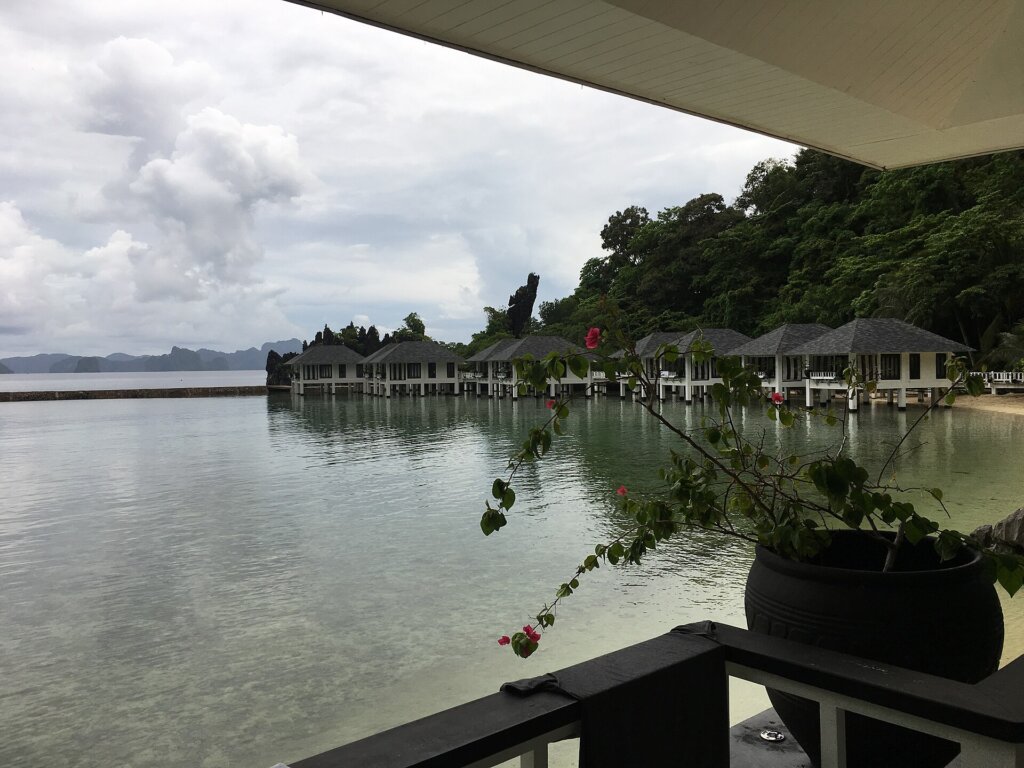
Luxury resorts around El Nido are often built on secluded coves or small islands. The appeal is privacy: a quiet beach, a house reef you can snorkel from the sand, and staff who arrange everything from airport transfers to private lagoon visits. Many guests choose them for honeymoons, anniversaries and wellness-focused holidays.
Remember the trade-offs. Remote resorts can mean a boat or shuttle ride to town, set meal times and higher food and drink prices, because supplies must be brought in. Ask whether transfers are included and whether the resort can accommodate early tour departures. If you want the resort experience but also plan many day tours, compare it with our budget versus luxury tour comparison.
Location Matters More Than Star Rating
El Nido town is compact, but the bay is wide. Town centre puts you steps from the pier and restaurants. Corong-Corong is quieter with sunset views and a handful of beachfront bars. Further out, areas toward Nacpan and Las Cabanas feel remote and beachy, and you will rely on tricycles or scooters. If you plan a beach day at the long stretch of sand, read our Nacpan Beach guide before choosing a base far from town.
Hidden Costs to Compare Across Tiers
The nightly rate rarely tells the whole story. Budget guests spend more on eating out and transport, while luxury guests spend more on resort meals and activities. Add up the likely extras: breakfast, drinking water, laundry, transfers, and tour pickup fees. For eating on a budget, our street food guide shows how to eat well for much less than resort dining.
Power, water and connectivity
Power interruptions can happen in the area, so a hotel with a backup generator is worth the premium if you work remotely. Pack a power bank and check our plug adapter and voltage guide so your devices charge safely wherever you stay. For official travel advisories and visitor information, consult the Philippine Department of Tourism and check forecasts from PAGASA before travelling in the wetter months.
Booking Strategy by Season
Demand in El Nido follows the weather. The dry months bring the calmest seas and the highest prices, and the best small hotels and cove resorts can sell out weeks ahead around Christmas, New Year and Holy Week. In the wetter months, rates soften and many properties offer discounts for longer stays, but boat tours can be cancelled when conditions are rough, so choose a flexible cancellation policy. If your dates are fixed, book the room first and the tours second, since good rooms disappear faster than tour seats. If your dates are flexible, shoulder periods often deliver the best mix of price, weather and space on the beach.
How to Choose: A Simple Decision Framework
- Count your tour days. Four or more tour days usually favours mid-range or budget.
- Decide how much you value an hour of quiet. Light sleepers should look beyond the busiest town streets.
- Check your travel month. Peak season fills the best rooms quickly, so book earlier.
- Price the whole stay, not just the room, including transfers, breakfasts and extras.
- Read the most recent reviews, not the oldest ones.
A sample split-stay plan
A common strategy is to split your stay: spend the first three or four nights in a comfortable town hotel so you can book tours, eat well and recover from travel, then finish with one or two splurge nights at a resort to rest before your flight. This keeps costs controlled while still giving you the postcard experience. Solo travelers can flip the plan, starting in a social hostel to find tour partners and ending in a private room. Couples celebrating a special occasion may prefer the resort first, so the best memories come early and the budget nights follow. Responsible travelers can also ask hotels about waste reduction and refill stations, in line with guidance from the Department of Environment and Natural Resources and local protected area rules.
Who Should Pick Which Tier
Families with young children usually appreciate a mid-range room with air-conditioning, a private bathroom and reliable hot water, because naps and early bedtimes are easier when the room is cool and quiet. Divers and keen snorkelers often choose practical town hotels near dive shops and the pier, since they spend almost no time in the room. Digital nomads should prioritise a hotel with backup power and a quiet desk space, even if that means paying more than a basic fan room. Honeymooners and anniversary travelers are the group most likely to feel the luxury premium is justified, especially if the resort arranges private dinners, sunset boat rides or spa treatments. Finally, travelers with limited mobility should check access to the room, steps, and the walk from the road before booking any cove resort.
Key Takeaways
- Most of El Nido’s appeal happens on the water, so judge rooms by what you actually use.
- Budget stays in town offer flexibility and walking access to the pier and tour shops.
- Mid-range hotels are the sweet spot for most travelers, with reliable cooling and private bathrooms.
- Rates usually peak in the dry season from roughly December to May and around holidays.
- Most luxury resorts do not include island-hopping tours in the room rate, so confirm before booking.
Frequently Asked Questions
Is a luxury resort in El Nido worth the extra cost?
It is worth it if you value private beach access, reliable air-conditioning and power backup, and on-site dining after a long boat day. If you will be out on tours from morning to late afternoon, a mid-range room often delivers better value.
Can I find a clean, safe budget room in El Nido town?
Yes. Many guesthouses and hostels in the town centre offer private fan or air-conditioned rooms. Check recent reviews for water pressure, noise and mosquito screens before booking.
Where should I stay for the best sunsets?
Corong-Corong on the western side of the bay is known for sunset views, while town-centre stays put you closer to restaurants and tour offices.
Do hotel prices change by season?
Yes. Rates usually peak in the dry season from roughly December to May and around holidays, and soften during the wetter months from June to October.
Do luxury resorts include island-hopping tours?
Some resorts run their own boat trips or packages, but most do not include tours in the room rate. Always confirm what is bundled before you pay.
Final Thoughts
The best El Nido stay is the one that matches how you will actually spend your days. If you are on the water from morning until late afternoon, prioritise a clean, cool, quiet room in a convenient location and put saved money into better tours. If your trip is about slowing down, a luxury cove resort can turn the room itself into the highlight. Whichever tier you choose, book early for peak season, confirm what is included, and keep a little flexibility for weather days. For broader planning help, our day trips guide shows how to fill your itinerary around wherever you decide to sleep.
About the Author
This guide was researched by the El Nido editorial team — on-the-ground coverage of Palawan, updated regularly.