
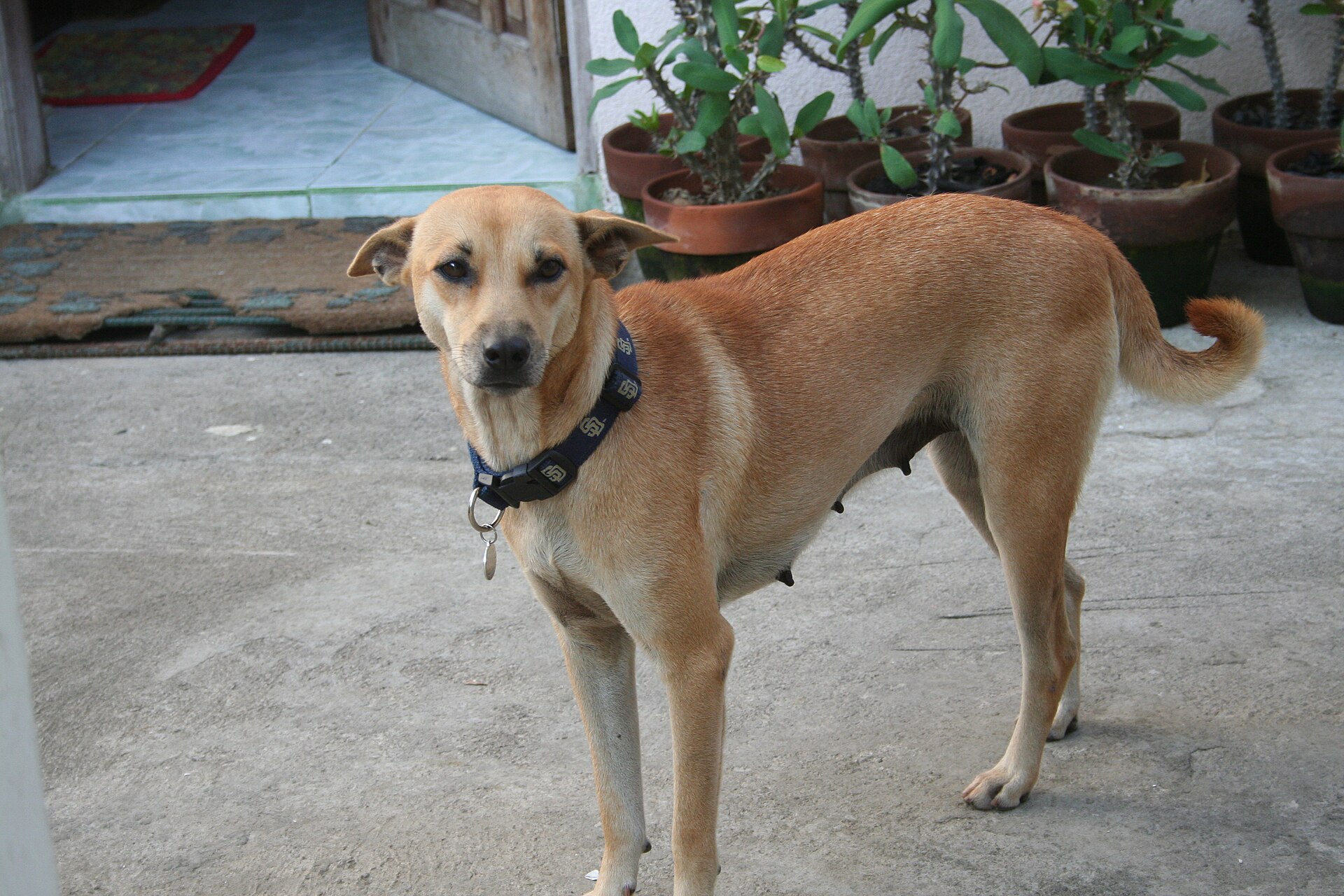
Dogs are everywhere in El Nido. They nap in the shade of tricycles, trot along the beach at sunrise and wait patiently outside carinderias. Most are friendly, many have owners, and almost none will bother you. But the Philippines is one of the countries where rabies is still endemic, and a single scratch from the wrong animal needs to be taken seriously.
This guide focuses on rabies and animal-bite safety specifically for travellers in El Nido, including families with children, runners and anyone who loves to pet street animals. It is not meant to scare you. Our unique angle is practical: what to do in the first 15 minutes after a bite, how the Philippine bite-treatment system works, and how a two-minute decision before your trip (pre-exposure vaccination) can simplify everything. This is general information, not medical advice; always follow a doctor’s guidance.
The Rabies Picture in the Philippines
Rabies is a viral disease that is almost always fatal once symptoms appear, and almost entirely preventable with prompt treatment after exposure. According to the World Health Organization rabies fact sheet, dogs cause the vast majority of human rabies cases worldwide. The Philippines records hundreds of human rabies deaths each year, most in people who did not get treatment after a bite. The national Anti-Rabies Act (Republic Act 9482) requires dog vaccination and registration, and the Department of Health runs a network of Animal Bite Treatment Centers (ABTCs) across the country.
Palawan has made progress on rabies control, and the risk to an average tourist is low. Low is not zero, though, and the treatment rules are the same everywhere: any bite or scratch that breaks the skin from a dog, cat or monkey should be assessed.
Which Animals to Watch in El Nido
- Dogs. Mostly free-roaming “askal” or “aspin” (asong Pinoy) dogs, many with owners who let them wander. They are the main rabies risk.
- Cats. Common around restaurants. Scratches count as exposures.
- Long-tailed macaques. Found in forested areas of Palawan. Never feed them; bites and scratches are a rabies and infection risk.
- Bats. Present in caves and forest; avoid handling any bat, alive or dead.
- Monitor lizards and other wildlife. Not a rabies risk, but bites cause serious infections. Our El Nido wildlife guide covers what you may encounter.
How to Avoid Bites in the First Place
- Don’t pet unfamiliar animals, however cute. Ask the owner first if there is one, and let children know the rule before you arrive.
- Don’t feed strays at restaurant tables. It creates competition and scuffles near your feet.
- Give sleeping and eating dogs space. Startled or guarding dogs are the most likely to snap.
- Running and cycling. Dogs may chase moving runners at dawn. Slow to a walk, avoid eye contact and don’t turn your back abruptly. Carrying a small stick or umbrella helps confidence.
- Night walks. Use a torch; groups of dogs are more territorial after dark on unlit lanes.
- Beach dogs. They often lie in shade under boats and loungers. Look before you sit.
What to Do Immediately After a Bite or Scratch
The first minutes matter. The CDC Yellow Book chapter on rabies and WHO guidance agree on these steps:
- Wash the wound immediately with soap and running water for at least 15 minutes. This dramatically reduces the amount of virus. Bottled water and any soap are fine.
- Apply an antiseptic such as povidone-iodine or alcohol if you have it.
- Don’t close the wound with tight bandages or stitches before a doctor sees it.
- Note details about the animal: where it was, whether it had an owner, collar or obvious illness. If owned, ask the owner about vaccination records.
- Get assessed the same day at a clinic, hospital or Animal Bite Treatment Center. Do not wait to see whether the animal gets sick.
Exposure Categories and What Treatment Looks Like
Philippine health workers use the WHO exposure categories to decide treatment. The table summarises how they apply.
| Category | Example | Typical action (unvaccinated traveller) | Typical action (had pre-exposure vaccine) |
|---|---|---|---|
| I | Touching or feeding an animal; licks on intact skin | No treatment needed; wash area | No treatment needed |
| II | Nibbles on uncovered skin; minor scratches without bleeding | Wound care plus rabies vaccine series | Wound care plus two booster doses |
| III | Bites or scratches that bleed; licks on broken skin; any bat contact | Wound care, vaccine series plus rabies immune globulin (RIG) | Wound care plus two booster doses; RIG usually not needed |
| Monkey bite | Any bite or scratch from a macaque | Treated as category III; also assess for other infections | Boosters plus infection assessment |
The vaccine series involves several injections over a few weeks, so you may need to continue doses in another town or after you fly home. Keep the vaccination card you are given and show it to the next clinic.
Where to Get Treatment from El Nido
For any bite, start at the nearest medical facility in El Nido town; staff can assess the wound, give a tetanus shot if needed and refer you. Ask specifically for the Animal Bite Treatment Center or the Rural Health Unit, which coordinates rabies post-exposure care locally. Availability of rabies immune globulin can be limited in smaller towns, in which case you may be referred to Puerto Princesa, about five to six hours by road, where the provincial hospital and private hospitals have larger stocks. Act quickly: start treatment wherever you can and continue the schedule. For other medical issues, see our guide to dental emergencies in El Nido, which also covers how local clinics operate.
Pre-Exposure Vaccination, Myths and Kids
Pre-exposure prophylaxis (PrEP) is a short course of rabies vaccine given before travel. It doesn’t remove the need for treatment after a bite, but it means you need only two booster doses and usually no immune globulin, which can be scarce in rural areas. Travel clinics commonly recommend it for:
- Long stays or digital nomads spending months in the Philippines.
- Children, who are more likely to touch animals and less likely to report a scratch.
- Runners, cyclists, cavers and anyone working with animals.
- Travellers heading to remote islands far from medical facilities.
Talk to a travel clinic four to six weeks before departure. Check that your travel insurance covers post-exposure treatment and medical evacuation if needed.
Common Myths About Rabies and Street Dogs
- “The dog looked healthy, so I’m fine.” Animals can transmit rabies before they show obvious symptoms. Appearance is not a reliable test.
- “It was only a small scratch.” Any break in the skin can transmit the virus. Size doesn’t determine risk.
- “I’ll wait and see if the dog dies.” The 10-day observation rule is used by doctors alongside treatment, not instead of it. Start treatment and let the doctor decide whether to stop.
- “Local remedies will work.” Applying herbs, garlic or chilli, or sucking the wound, does nothing against rabies and can worsen infection. Soap, water and vaccine are what work.
- “Beach dogs are all vaccinated.” Some owned dogs are, many are not. Unless you can see a vaccination record, assume the status is unknown.
Keeping Children Safe
Children are bitten more often than adults, are more likely to be bitten on the face and hands, and sometimes hide a scratch for fear of getting in trouble. Before your trip, agree on a simple family rule: no touching any animal without asking a parent first, and tell a grown-up immediately about any bite, scratch or lick on broken skin. Check little hands and legs at the end of each beach day. If you’re travelling with young kids, pre-exposure vaccination is worth discussing with your doctor, and keeping a small first-aid kit with soap, bottled water and antiseptic in your day bag means you can start wound care within seconds.
Traveling with Your Own Pet
If you bring a dog or cat to El Nido, make sure its rabies vaccination is current and carry the certificate; domestic transport and some accommodations require it. Keep your pet leashed around free-roaming dogs to avoid fights. Our pet-friendly El Nido guide lists practical tips for travelling with animals in Palawan.
The bottom line: enjoy El Nido’s relaxed beach dogs from a respectful distance, wash any wound thoroughly and immediately, and get assessed the same day. Those three habits make rabies a very manageable risk, and let you focus on what you came for: lagoons, beaches and long, slow sunsets over Bacuit Bay.
Frequently Asked Questions
Is rabies common in El Nido?
The risk to tourists is low, but rabies is endemic in the Philippines, so any bite or bleeding scratch from a dog, cat, monkey or bat should be assessed by a medical professional the same day.
What should I do right after a dog bite in El Nido?
Wash the wound with soap and running water for at least 15 minutes, apply antiseptic, avoid closing the wound, and go to a clinic or Animal Bite Treatment Center the same day.
Can I get rabies treatment in El Nido?
Initial assessment and wound care are available locally, and the Rural Health Unit coordinates post-exposure care. Rabies immune globulin may require referral to Puerto Princesa if local stock is limited.
Do I need a rabies vaccine before visiting El Nido?
It is not required, but travel clinics often recommend pre-exposure vaccination for children, long stays, runners and remote travel. Discuss it with a travel clinic four to six weeks before departure.
Is a cat scratch a rabies risk?
Yes. Scratches that break the skin count as exposures. Wash thoroughly and get assessed, even if the cat looks healthy.