
TL;DR: El Nido rewards creators who shoot lagoons at first light, beaches at golden hour, and respect the rules: drones need CAAP-compliant flying and often local permission, commercial shoots may need permits, and people should never be filmed without consent.
El Nido is one of the most photographed places in the Philippines, and for good reason. Towering limestone karsts, turquoise lagoons and sunset-facing beaches deliver dramatic frames almost everywhere you point a camera. That popularity also brings crowds, rules and local sensitivities that creators need to understand before arriving with a drone, gimbal and lighting kit.
This guide focuses on El Nido specifically for content creators – YouTubers, Instagram and TikTok creators, travel bloggers and small production teams – who want to plan shoots efficiently and stay on the right side of local regulations. It goes beyond generic photography tips to cover timing, permissions, etiquette, gear protection and the logistics of uploading from a small island town.
Best Light and Timing by Location
El Nido’s light changes dramatically through the day. Plan around it rather than around tour schedules alone.
| Location | Best Time | Why | Crowd Level |
|---|---|---|---|
| Big and Small Lagoon (Tour A) | Early morning departures | Calm water, soft light, fewer boats | High by late morning |
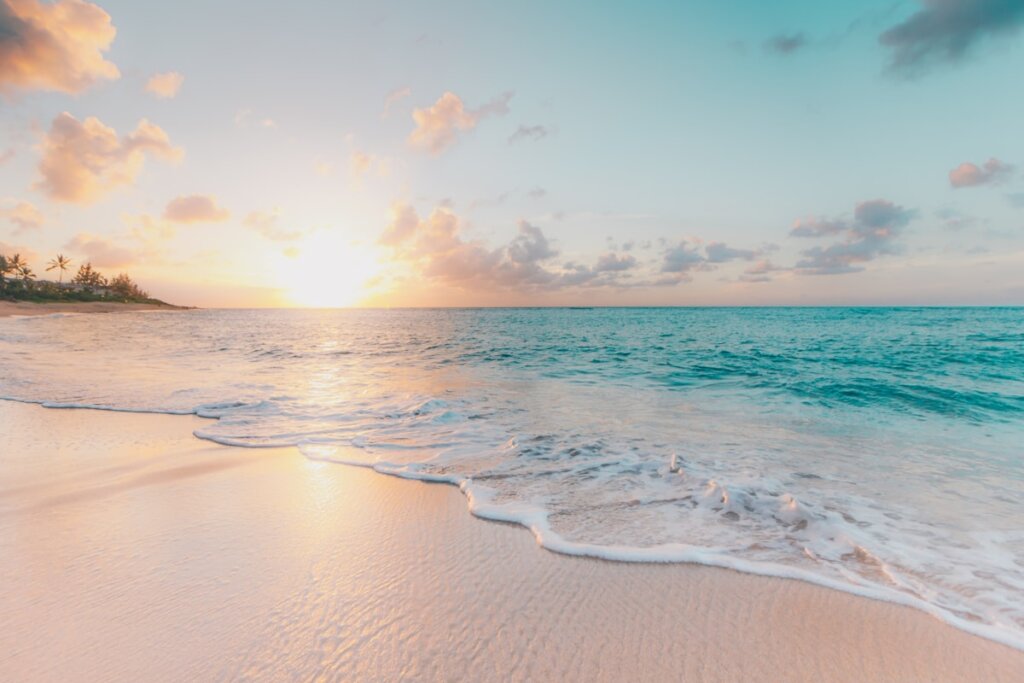
| Las Cabanas Beach | Golden hour to sunset | West-facing sunset behind islands | Busy at sunset |
| Nacpan Beach | Late afternoon | Long sweep of sand, warm side light | Moderate |
| Taraw Cliff viewpoint | Early morning or late afternoon | Panorama over town and bay | Limited by guided climbs |
| El Nido town waterfront | Blue hour | Boats, lights and karst silhouettes | Moderate |
Midday sun turns lagoon water a brilliant turquoise from above but creates harsh shadows on faces. If you want both, film aerial or wide water shots around late morning and save people-focused content for golden hour. Our general El Nido photography tips cover settings and composition in more depth.
Seasonality changes the color palette too. The dry months from about December to May bring clearer skies and the most consistent turquoise water, while the wetter months from June to October deliver moody storm clouds, dramatic sunsets and far fewer people in frame. Many experienced creators actually prefer the shoulder months of November and early June for this mix of good light and thinner crowds. If you are building a sunset series, remember that the sun sets roughly between 5:30 and 6:15 PM through the year, so arrive at least 45 minutes early to claim a spot and set up.
Drone Rules and Permissions
Drones are the biggest source of confusion for visiting creators. National rules are set by the Civil Aviation Authority of the Philippines (CAAP), which regulates unmanned aircraft. In general terms, recreational pilots are expected to fly within visual line of sight, keep a safe distance from people and airports, and avoid restricted areas; commercial operations require additional certification.
On top of national rules, El Nido is a protected area, and local authorities and tour operators may restrict drone use at specific sites, particularly crowded lagoons. Rules change, so treat the following as practical habits rather than legal advice:
- Ask your boat captain or guide before launching at any island stop.
- Never fly directly over swimmers, kayakers or other tour groups.
- Keep clear of Lio airport and the flight paths around it.
- Respect any “no drone” signs at resorts, beaches and lagoons.
- Check with the municipal tourism office if you are filming for a client or brand.
We maintain a dedicated, frequently updated El Nido drone rules guide with the latest local details.
Commercial Shoots and Permits
A solo creator filming vlogs for a personal channel is treated differently from a brand campaign with models, crew and lighting. If you are being paid by a client, working with a production team, or using professional equipment that blocks paths or beaches, contact the El Nido municipal tourism office in advance. Private resorts set their own rules and usually require written permission for any commercial filming on their property.
Keep in mind that tours to the lagoons and beaches operate under visitor caps and time limits. Our explainer on lagoon rules, kayaks and timing outlines how these limits affect how long you can stay at each spot – essential when you are planning a shot list.
Practical courtesy matters as much as paperwork. Tripods and light stands on narrow beaches or at viewpoints can block other visitors who also paid to be there, so keep setups compact and brief. If you need a clean frame without people, wait for gaps or reframe rather than asking strangers to move. Booking a private boat tour gives you control over timing and stops, which is often the most efficient way for a production team to work without disrupting shared tour groups, and many operators can adjust routes to reach popular spots before or after the main rush.
Filming People: Consent and Etiquette
El Nido is home to fishing families, boat crews and small business owners whose daily lives are not props. Basic etiquette protects both them and your channel:
- Ask before filming identifiable people, especially children. A smile and a gesture toward the camera usually works; respect a “no”.
- Do not stage poverty or hardship for engagement. It is disrespectful and increasingly called out by audiences.
- Credit and compensate local guides, captains and artisans who appear prominently, and tag their businesses where appropriate.
- Be mindful of privacy law. The Philippines has a Data Privacy Act, and brands are increasingly cautious about using identifiable people without releases.
For a deeper look at respectful street and portrait photography, read our guide to photographing locals in El Nido.
Protecting Gear in Heat, Salt and Rain
Salt spray, sand, humidity and sudden downpours are hard on cameras. A creator-ready kit for El Nido should include:
- A roll-top dry bag large enough for your camera body, lenses and drone.
- Silica gel packets and a sealed pouch for overnight storage in humid rooms.
- Lens cloths and a blower for salt spray, which dries into a hazy film.
- A floating strap for action cameras and phones on boat days.
- Spare batteries – boats rarely have charging, and tours last most of the day.
Rinse gear with fresh water after each boat day and let it dry in air-conditioned rooms rather than outdoors in the humidity. Our waterproof gear guide compares dry bags and phone cases. Wet-season creators should also expect afternoon storms; morning shoots are more reliable from June to October.
Underwater content is a highlight here, from reef snorkeling to coral gardens near the islands. Use a proper housing or a rated action camera, avoid touching or standing on coral to get a shot, and choose reef-safe sunscreen; the marine ecosystem is a big part of what draws audiences to your content in the first place.
Connectivity, Uploads and Workflow
Mobile data in El Nido town is generally usable for posting stories and photos, but uploading long 4K videos can be slow, and signal drops quickly once you are out among the islands. Plan your workflow accordingly:
- Shoot during the day and back up to two drives each evening.
- Use hotel or café Wi-Fi for large uploads, ideally early morning when networks are quieter.
- Carry a local SIM from a major network as a backup to your hotel connection.
- Expect occasional power interruptions; a power bank and a small surge-protected adapter help.
Many creators schedule posts rather than publishing in real time, which also avoids announcing exact locations while crowds are present. If you are building a longer trip, the Bacuit Bay islands offer weeks of material; rotating between Tours A to D and land-based spots keeps your feed varied without revisiting the same crowded frames.
Finally, think about how your content shapes the place. Geotagging fragile spots, encouraging people to climb restricted rocks or promoting drone flights over swimmers can create real problems for a small community. Creators who highlight responsible tour operators, local food businesses and eco-conscious practices tend to build more trust with their audiences – and with the hotels and operators who may want to partner with them on future trips.
Key Takeaways
- Shoot lagoons on early departures and beaches at golden hour for the best light and fewest crowds.
- Follow CAAP drone rules and always ask guides or resorts before launching.
- Paid or crewed shoots may need permission from the municipal tourism office and private properties.
- Ask before filming identifiable people, especially children, and credit local collaborators.
- Protect gear from salt and humidity with dry bags, silica gel and nightly freshwater rinses.
- Back up footage nightly and plan large uploads on hotel or café Wi-Fi.
Frequently Asked Questions
Can I fly a drone in El Nido?
Recreational drone flying is possible in many places if you follow CAAP rules, but specific sites, resorts and lagoons may restrict drones. Always ask your guide or the property first.
Do I need a permit to film in El Nido?
Personal vlogging usually does not require a special permit, but commercial or crewed shoots should contact the municipal tourism office, and private resorts require their own permission.
What is the best time of day to film the lagoons?
Early morning, when water is calm and fewer boats are present. Midday light gives vivid color from above but more crowds.
Is internet fast enough to upload videos?
It is workable for photos and short clips in town. Large 4K files upload best on hotel or café Wi-Fi, ideally early in the morning.
How do I protect my camera on island hopping tours?
Use a roll-top dry bag, carry spare batteries, wipe salt spray often and rinse gear with fresh water each evening.
About the Author
This guide was compiled by the El Nido Hotels Ranking editorial team, with input from local operators and ongoing on-the-ground updates.