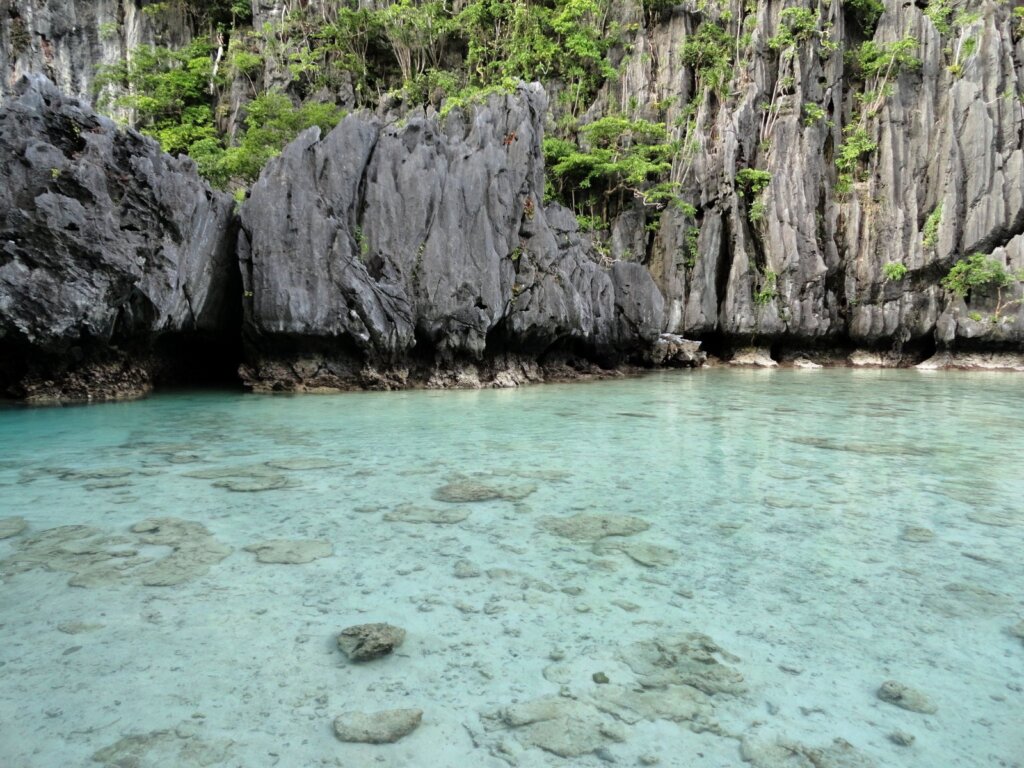
Everyone photographs El Nido’s lagoons, but the bay’s sandbars — those ribbons of white sand that appear and vanish with the tide — are where you find space to breathe. This guide focuses specifically on El Nido’s sandbars rather than its beaches, aimed at travellers who want the emptiest, most photogenic patches of sand and need to know when the tide reveals them, how to reach each one, and which island-hopping route includes it.
- Why Sandbars Are Different From Beaches
- Snake Island (Vigan Island) Sandbar
- Nacpan and Calitang Twin Beach Sandbar
- Pasandigan and Cadlao Sandbars
- Seven Commandos Sandbar
- Pinagbuyutan Approach Sandbar
- Sandbar Comparison at a Glance
- How to Time Your Visit With the Tides
- Protecting These Fragile Sand Formations
- What to Pack for a Sandbar Day
- How Sandbars Fit Into Each Island-Hopping Tour
- Photographing El Nido Sandbars
- Combining Sandbars With Nearby Highlights
- Which Sandbar Should You Prioritise?
- Frequently Asked Questions
Why Sandbars Are Different From Beaches
A sandbar is a low bank of sand exposed at low tide and often submerged at high tide, which is exactly why it feels so exclusive. Unlike a fixed beach, a sandbar changes shape daily and can only be walked at the right hour, so timing your visit around the tide table is essential. Because they sit offshore, most El Nido sandbars are reached only by boat, usually as part of a joiner or private island-hopping tour. Check conditions before you go using a marine forecast such as weather.com, since wind and swell affect both access and how much sand is exposed.
Snake Island (Vigan Island) Sandbar
The most famous sandbar in the area is the S-shaped strip at Snake Island, officially Vigan Island, on Tour C. At low tide the sand snakes between the island and the mainland mangroves, and a short climb to the viewpoint gives you the postcard shot looking down the curve. Arrive early; by late morning the joiner boats converge here. Our dedicated Snake Island sandbar guide covers the viewpoint hike and best photo times in detail.
Nacpan and Calitang Twin Beach Sandbar
North of town, the twin beaches of Nacpan and Calitang meet at a slender neck of sand you can walk across, a natural sandbar dividing two bays. It is reached by land rather than boat, making it a rare sandbar you can visit independently by tricycle or motorbike. Climb the small headland between the two beaches for the classic aerial-style view. If you are basing yourself nearby, see where to stay around Nacpan and Corong-Corong.
Pasandigan and Cadlao Sandbars
Tucked below the towering cliffs of Cadlao Island, the sheltered coves of Pasandigan hide small sandbars that emerge at low water, backed by calm, swimmable shallows. These stops are quieter than the Tour A headliners and pair well with a paddle into the nearby lagoon. Cadlao is the largest island in the bay, and its leeward side stays calm even when the open water is choppy.
Seven Commandos Sandbar
The long beach at Seven Commandos, a Tour A staple, extends into a shallow sandy shelf that reads as a sandbar at low tide, with a beach bar for fresh coconuts. It is one of the easiest sandy stretches to enjoy without a hike, which is why it appears on so many itineraries. Read our Seven Commandos Beach guide for the best time to arrive ahead of the crowds.
Pinagbuyutan Approach Sandbar
The dramatic tower of Pinagbuyutan Island, often photographed as El Nido’s most striking silhouette, is fronted by a pale sandy landing that shelves gently into turquoise water. It is a Tour B and private-tour stop, less trafficked than the Tour A lagoons, and the snorkelling just off the sand is excellent. Bring reef-safe sunscreen and follow low-impact habits from our shore snorkelling guide.
Sandbar Comparison at a Glance
Use this table to match each sandbar to how you are travelling and how much effort you want to spend reaching it.
| Sandbar | How to Reach | Best Tide | Crowd Level |
|---|---|---|---|
| Snake Island (Vigan) | Tour C boat | Low tide | High by midday |
| Nacpan-Calitang Twin | Land (tricycle/bike) | Any; best low | Moderate |
| Pasandigan / Cadlao | Tour A / private | Low tide | Low |
| Seven Commandos | Tour A boat | Low tide | High |
| Pinagbuyutan | Tour B / private | Mid to low | Low to moderate |
How to Time Your Visit With the Tides
Sandbars are a tide game. At high tide many shrink to nothing, so check a Palawan tide table the night before and aim your boat departure so you reach the sandbar within two hours of low tide. Morning low tides are ideal because the light is soft and the joiner fleet has not yet arrived. If you are on a private tour, ask your boatman to reverse the standard route so you hit the sandbar stops first.
Wind matters too. A stiff afternoon breeze churns the shallows and makes the sand look grey rather than white in photos. Calm, early conditions during the dry season give the clearest turquoise. For a month-by-month sense of sea state, our weather guide shows when the water is calmest.
Protecting These Fragile Sand Formations
Sandbars sit within a protected seascape, and their surrounding reefs and seagrass are easily damaged. Never anchor on coral, take only photos, and carry out everything you bring. Much of Bacuit Bay is managed under national environmental law overseen by the DENR, and local rules from the Palawan provincial government cap visitor numbers at sensitive sites. Respecting them keeps these vanishing strips of sand open for the next traveller.
What to Pack for a Sandbar Day
Bring a dry bag, reef-safe sunscreen, water shoes for the occasional sharp shell, a wide hat and plenty of water — sandbars offer no shade. A polarising filter or simple phone-lens cloth helps cut glare for photos. Because you will be wading, keep valuables in a waterproof pouch. Our boat tour packing guide has a full checklist tailored to island-hopping days.
How Sandbars Fit Into Each Island-Hopping Tour
El Nido’s four standard routes each touch different sandy formations, so choosing the right tour is the difference between seeing your target sandbar and missing it entirely. Tour A leans on lagoons and beaches, with Seven Commandos as its sandiest highlight. Tour C is the sandbar tour thanks to Snake Island’s S-shaped strip, and it also visits hidden beaches framed by cliffs. Tour B is the quietest, taking in Pinagbuyutan and lesser-known coves, while Tour D focuses on nearer islands with gentle shallows good for families. If your priority is sandbars specifically, Tour C first, then a private trip that mixes Tour B and C stops, gives the best coverage.
Private tours are worth the premium for sandbar hunters because you control the timing. A private boatman can leave at first light, reverse the usual order, and linger while the sand is still empty. On joiner tours you move with the group, so you reach each sandbar on the operator’s clock rather than the tide’s. When crowds are your main concern, that flexibility often matters more than the price difference.
Photographing El Nido Sandbars
Sandbars reward patience and a little planning. The strongest images come from elevation, so take any viewpoint climb on offer, as at Snake Island and the Nacpan headland, to capture the sand curving through blue water. Shoot in the first two hours after sunrise for soft light and calm, reflective shallows; midday sun flattens the scene and the wind usually rises. A polarising filter deepens the turquoise and cuts surface glare, and even a cheap clip-on filter for a phone helps.
Keep people small in the frame to convey scale, and include the karst cliffs or an island tower in the background to anchor the location. Protect your gear with a dry bag between stops, and rinse salt off lenses at the end of the day. Because sand reflects strongly, dial in slight negative exposure compensation so the whites do not blow out.
Combining Sandbars With Nearby Highlights
Most sandbars sit minutes from a lagoon, snorkelling reef or cliff viewpoint, so plan them as part of a fuller day rather than a single destination. Snake Island pairs naturally with the mangrove kayaking and hidden beaches on Tour C. Pinagbuyutan’s sandy landing sits beside some of the bay’s best off-the-boat snorkelling. Seven Commandos works as a relaxed final stop where you can watch the sunset colours build before heading back to town. Building your day around the tide first and the extras second means you never arrive at a sandbar to find the sea has swallowed it.
Which Sandbar Should You Prioritise?
If you have only one boat day, make it Tour C and prioritise Snake Island for the iconic curve and viewpoint. With a spare afternoon on land, add the Nacpan-Calitang twin beach, which needs no boat and photographs beautifully from the headland. Travellers chasing solitude should book a private tour that reaches Pinagbuyutan and the Cadlao coves early, before joiner boats appear. Families are best served by the calm shallows at Seven Commandos, where a beach bar and gentle water make a low-effort, high-reward stop. Match the sandbar to your energy, your budget and above all the tide, and you will come home with the empty-sand photos most visitors never manage to capture.
Frequently Asked Questions
What is the most famous sandbar in El Nido?
The S-shaped sandbar at Snake Island (Vigan Island) on Tour C is the most photographed, thanks to the viewpoint that overlooks its curving shape at low tide.
Can I visit a sandbar without joining a boat tour?
Yes. The Nacpan-Calitang twin beach sandbar is reachable by land via tricycle or motorbike, so you can visit it independently without booking a boat.
When is the best time of day to see a sandbar?
Aim for within two hours of low tide, ideally in the morning when the light is soft and the joiner fleet has not yet arrived. Check a Palawan tide table the night before.
Are sandbars safe for swimming?
The shallows around most sandbars are calm and shallow, making them family-friendly, but watch for sudden drop-offs and currents at the edges and always wear a life vest if unsure.
Do sandbars disappear at high tide?
Many do. Sandbars are exposed at low tide and can be fully submerged at high tide, which is why timing your visit around the tide table is essential.