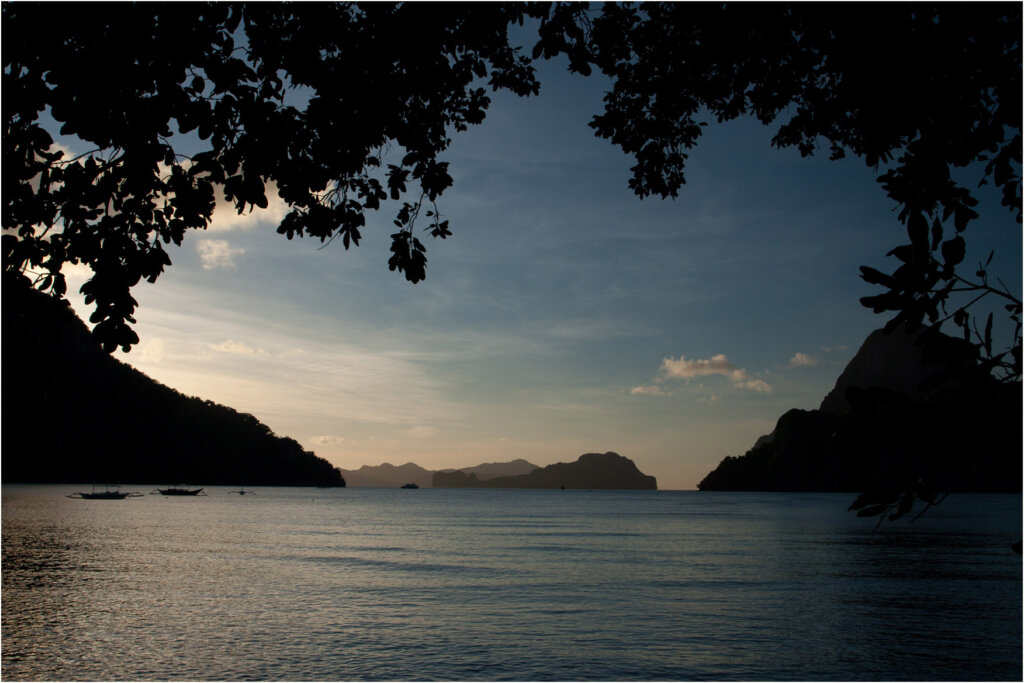
Few things spoil a sunset on the sand like a cloud of tiny insects and a week of itchy ankles. This guide focuses on sandflies and other beach biters specifically for travelers who plan long beach evenings, camping or dinners at barefoot beach restaurants in El Nido. You will learn when bites are most likely, which repellents and clothing work, how to treat bites, and when to see a doctor.
What Actually Bites You on El Nido Beaches
Visitors often use “sandflies” as a catch-all term for any small biting insect near the shore. In reality several creatures may be involved. Biting midges, sometimes called no-see-ums, are tiny flies whose bites itch within hours and can last for days. True sandflies are found in some tropical areas. Mosquitoes bite around dusk and in vegetation behind the beach. Ants and fleas can also bite near dry vegetation and animals.
Because the culprit is hard to see, the most useful approach is prevention that works against all of them: timing, clothing, repellent and location. Mosquitoes carry more serious risks than midges, so also read our mosquito and dengue prevention guide.
How to tell which insect bit you
Midge bites usually appear as clusters of small, intensely itchy red dots on ankles, legs and exposed arms, and the itch often peaks a day later. Mosquito bites tend to form larger puffy welts that itch right away. Flea bites commonly appear in lines or groups around the ankles and waist. Ant bites sting immediately and may form a small blister. You do not need a perfect identification to treat the bite, but patterns can help you decide where to avoid sitting next time. If many people in your group have bites from the same beach, consider moving to a breezier spot or leaving earlier.
When and Where Bites Are Most Likely
Biting midges are most active around dawn and dusk, in calm and humid conditions, and in sheltered spots behind the beach where vegetation meets sand. A breeze reduces them substantially because they are weak fliers. Beaches with mangroves, damp sand or dense palms behind them tend to have more insects than open, windy stretches.
| Situation | Bite risk | Why |
|---|---|---|
| Windy midday on open beach | Low | Breeze keeps insects away |
| Calm sunset near vegetation | High | Dusk activity, still air |
| Beach restaurant at night | Medium to high | Light attracts insects |
| Island hopping boat day | Low | Constant movement and sea breeze |
| Camping or hammock near trees | High | Prolonged exposure at dusk and dawn |
Rainy periods and the weeks after rain can raise insect numbers. For seasonal planning see Tours A to D by month, and check forecasts on PAGASA.
Choosing a better beach spot
If you are choosing where to watch the sunset, pick an open stretch of sand with a steady breeze rather than a sheltered corner behind a line of palms. Sit closer to the waterline where the sand is firm and wind is stronger, and avoid digging into damp, shaded sand where insects rest. At beach bars, sit near fans or open sides. Long, pale beaches that catch the breeze usually feel better than small coves ringed by mangroves, although conditions vary daily. If you notice insects the moment you sit down, it is perfectly fine to move.
Repellents That Work (and What to Skip)
Repellents containing DEET, picaridin or oil of lemon eucalyptus are generally recommended by public health agencies for biting insects. Guidance from the US CDC and the World Health Organization explains the differences. Picaridin is often preferred by travelers because it feels less greasy and does not damage plastics. Natural oils such as citronella may offer short protection but usually need frequent reapplication.
Apply sunscreen first and repellent second. Because El Nido has fragile reefs, wash off repellent before swimming and choose mineral sunscreen; see the reef-safe sunscreen guide. Baby oil and coconut oil are folk remedies sometimes recommended for sandflies, but they can also trap heat and increase sunburn, so use them cautiously.
Smart ways to apply
Focus on ankles, feet, wrists, neck and the area behind the knees, because midges tend to attack exposed lower legs. Reapply after sweating and after toweling off. Avoid applying repellent to cuts, irritated skin or around eyes and mouth.
Clothing, Gear and Behavior
Light long sleeves and trousers in breathable fabrics offer good protection at dusk. Midges can slip through loose netting, so a tight weave matters. Closed sandals or socks help if you sit on the sand after sunset. Pack a thin sarong that can serve as a ground cover and shoulder wrap.
Choose a table away from vegetation at beach restaurants, ask for a fan, and avoid bright overhead lights where possible. Many restaurants have fans or coils to help. Keep drinks covered. If you sleep in a fan room, avoid sleeping with windows open at dusk unless there are screens.
On tours, the sea breeze usually keeps insects at bay, but the beach lunch stops may have a few. Follow the packing advice in rent or bring snorkel gear and bring a small repellent in your dry bag.
Lighting and food
Insects are drawn to bright white lights and warm bodies. Soft, warm-toned lighting attracts fewer insects than bright cool bulbs, so a candle or dim lantern at your table helps. Strong perfumes and sweet lotions can also attract biting insects, so keep fragrance minimal on beach evenings. Cover food and drinks, and shake out towels and sarongs before bringing them into your room, because small insects can hitch a ride.
Treating Sandfly and Insect Bites
Resist scratching, because broken skin can become infected in tropical heat. Wash the area with clean water and mild soap, apply a cold compress, and use over-the-counter hydrocortisone cream or calamine lotion for itching. Oral antihistamines can help with widespread itching, though some cause drowsiness, so ask a pharmacist before using them. Do not use them with alcohol.
Bites may itch for a week or longer. If you see spreading redness, warmth, pus, fever or swollen lymph nodes, seek medical care. Our first aid and pharmacy guide lists what to carry, and coral cuts first aid is relevant for any broken skin that will meet sea water.
| Symptom | Home care | See a clinician if |
|---|---|---|
| Mild itch and red dots | Cold compress, hydrocortisone | Lasts over two weeks |
| Blisters from scratching | Clean, cover, antiseptic | Pus or increasing pain |
| Swelling around eyes or lips | Stop and seek care | Immediately |
| Fever after bites | Rest and fluids | Same day, to rule out dengue |
Soothing options you can find locally
Pharmacies in town sell hydrocortisone, calamine lotion and antihistamines, although stock varies. Aloe vera gel is a gentle option for hot, itchy skin. A cold compress made from a clean cloth and cold water works well in the evening. Avoid hot showers right after bites, because heat can intensify itching. Keep your fingernails short and clean, and consider covering heavily scratched areas with a light bandage overnight so you do not scratch in your sleep. If an area stays swollen and painful, visit the local clinic rather than waiting.
Packing Checklist
A compact kit is enough: picaridin or DEET repellent, mineral sunscreen, hydrocortisone cream, antihistamine tablets, antiseptic wipes, adhesive bandages, a thin long-sleeve shirt, light trousers, and a sarong. Add a small battery fan if you plan evenings outdoors. Keep the kit in a zip bag so you can move quickly when insects appear.
Pack the kit in your carry-on if you are flying, and note that some aerosol repellents have flight restrictions. Pump sprays and wipes are easier to take on small domestic aircraft. Replace anything that has expired, because old creams lose effectiveness.
Special Cases: Kids, Pregnancy and Sensitive Skin
Children can react more strongly to bites and are more likely to scratch. Use age-appropriate repellents, keep nails short, and dress them in light long sleeves at dusk. Pregnant travelers should discuss repellent choices with their doctor before the trip, especially because mosquito-borne illnesses are a separate concern. If you have eczema or very sensitive skin, test repellent on a small patch first and carry a prescribed treatment if recommended by your doctor.
Teenagers and adults who are camping or staying in beachfront huts should consider a mosquito net even if the room has a fan, since fans do not stop every insect. Check that the net has no holes and tuck it under the mattress. If you are traveling with a baby, a stroller or carrier net is a practical layer. Ask your hotel about screens on windows and doors before you book, and mention any health concerns so staff can recommend a suitable room away from dense vegetation.
Frequently Asked Questions
Are there sandflies in El Nido?
Biting midges and other small insects can be present on some beaches, mostly at dawn and dusk and in still air. Many people notice them only after the itch appears.
Do sandfly bites carry diseases?
Biting midges mainly cause itchy irritation. Mosquitoes are the greater health concern in the area, so protect against both.
What is the best repellent for the beach?
DEET, picaridin or oil of lemon eucalyptus are widely recommended. Choose one suitable for your age and health.
How long do the bites itch?
Often several days to over a week. Avoid scratching to reduce infection risk.
Is coconut oil a good repellent?
It is a folk remedy with limited evidence and can increase sun exposure. A proven repellent is a safer choice.
When should I see a doctor?
If you notice spreading redness, pus, fever, severe swelling or symptoms that do not improve.