
El Nido’s tropical climate is part of its magic, but the same warmth and rain that grow the jungle also breed mosquitoes. Dengue fever is present across the Philippines, including Palawan, and sensible prevention matters — especially in the rainy season. The risk is very manageable: cover up at dawn and dusk, use an effective repellent, and choose accommodation with screens or nets. This guide explains when and where mosquitoes are worst in El Nido, how to protect yourself and your family, and what to know about dengue symptoms. It is general travel information, not medical advice — consult a travel clinic or doctor for guidance specific to you.
Mosquito and Dengue Risk in El Nido
The mosquito that spreads dengue, Aedes aegypti, bites mainly during the day, with peaks in the early morning and late afternoon — different from the nighttime malaria mosquitoes many travelers expect. Dengue occurs year-round in the Philippines but rises during and just after the rainy season, roughly June through November, when standing water gives mosquitoes places to breed. Malaria risk in the main tourist areas of Palawan is low, but dengue is the one to plan around.
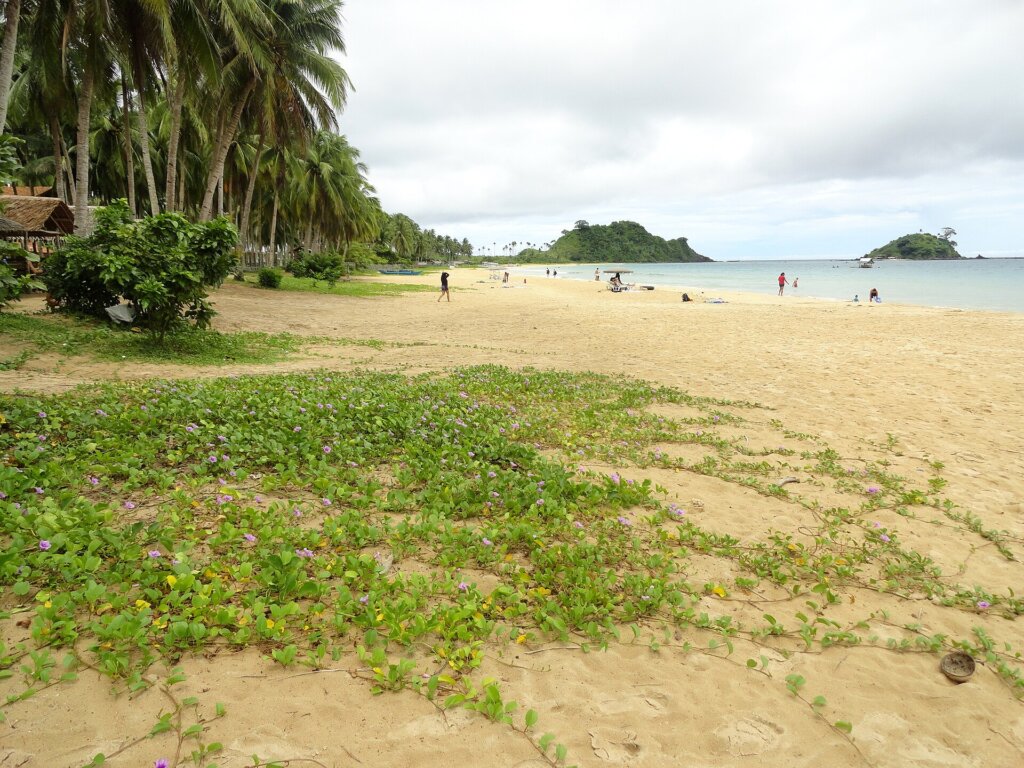
In El Nido specifically, mosquitoes are most noticeable inland, in shaded gardens, and around vegetation rather than on breezy open beaches and boats, where sea wind keeps them down. Evenings in town and jungle-backed accommodation are when you will feel them most.
When and Where You’ll Encounter Mosquitoes
| Setting | Mosquito level | Why |
|---|---|---|
| Open beaches & boats | Low | Sea breeze keeps them away |
| Town at dusk | Moderate | Peak biting hours |
| Jungle/garden accommodation | Higher | Shade and vegetation |
| Rainy season (Jun–Nov) | Higher | Standing water breeds them |
| Dry season (Dec–May) | Lower | Less breeding water |
If you are choosing when to travel partly around comfort, our best time to visit El Nido guide and rainy season travel guide explain the seasonal trade-offs, of which mosquitoes are one.
How to Protect Yourself
Effective prevention is simple and layered. No single step is perfect, but combined they make bites rare:
- Use a proven repellent. DEET (20–30%) or picaridin repellents are the most reliable. Apply to exposed skin, reapply after swimming and sweating.
- Cover up at dawn and dusk. Lightweight long sleeves and trousers during peak biting hours cut exposure dramatically.
- Choose screened rooms or use a net. Confirm windows have screens, or bring a lightweight travel mosquito net for open-air accommodation.
- Use a fan or air-con. Mosquitoes struggle in moving air and cool rooms.
- Avoid standing water around your accommodation and empty anything that collects rainwater.
Repellent and long-sleeved layers are easy to forget when you are focused on swimwear; both are on our El Nido packing list. Reef-safe sunscreen and repellent are applied in a specific order — sunscreen first, then repellent — so pack both.
Traveling with Children and Families
Families should take extra care because children are more exposed and more attractive to mosquitoes. Use repellents formulated and approved for kids, dress little ones in light long sleeves at dusk, and prioritize screened or air-conditioned rooms. A stroller or cot net adds easy protection for babies. If you are planning a family trip, our first-timer mistakes guide covers other family-friendly planning points worth reading before you go.
Dengue Symptoms and What to Do
Dengue symptoms typically appear 4–10 days after a bite and can include high fever, severe headache, pain behind the eyes, joint and muscle aches, and a rash. Most cases resolve with rest and fluids, but dengue can become serious, so if you develop a high fever during or shortly after your trip, seek medical care and mention your travel. Do not self-medicate with certain painkillers such as aspirin or ibuprofen, which can worsen bleeding risk — paracetamol is generally preferred, but confirm with a professional. El Nido has clinics and pharmacies for initial care, with hospitals in Puerto Princesa for anything serious.
Frequently Asked Questions
Is there dengue in El Nido?
Yes, dengue is present throughout the Philippines including Palawan, with higher risk during and after the rainy season (June–November). The risk is manageable with repellent, covering up at dawn and dusk, and screened accommodation.
When are mosquitoes worst in El Nido?
The dengue mosquito bites mainly by day, peaking in early morning and late afternoon. Mosquitoes are worst inland and in shaded, vegetated areas, and during the rainy season. Open beaches and boats stay breezy and low-risk.
What repellent works best in El Nido?
Repellents with 20–30% DEET or with picaridin are the most reliable. Apply to exposed skin and reapply after swimming or heavy sweating. Apply sunscreen first, then repellent on top.
Do I need anti-malaria tablets for El Nido?
Malaria risk in El Nido and the main Palawan tourist areas is low, and most travelers do not take prophylaxis, but this depends on your itinerary and health. Consult a travel clinic for advice specific to your trip.