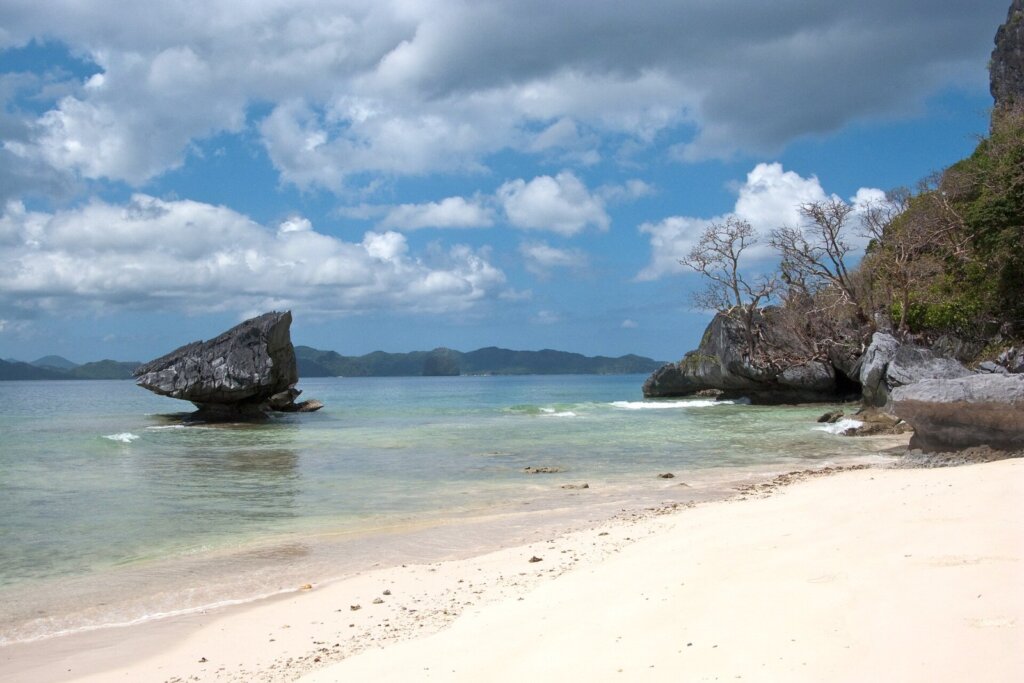
Few things ruin an island hopping day faster than a queasy stomach. The bangka rolls, the sun climbs, the snorkel mask fogs, and suddenly the Big Lagoon feels very far away. This guide focuses on seasickness specifically for first-time boat passengers in El Nido who tend to get motion sick on buses, ferries, or even swings. It explains why the Bacuit Bay swell behaves the way it does, which tours are gentlest, and what actually works before, during, and after the boat ride.
- Why Seasickness Happens in Bacuit Bay
- Which Tours Are Gentlest on the Stomach
- Before the Trip: Preparation That Actually Helps
- On the Boat: Seat, Gaze, and Breathing
- Timing Your Day Around the Sea
- What to Pack in a Small Motion Sickness Kit
- A Seasick-Proof Sample Day
- Common Myths About Seasickness
- If You Start to Feel Sick Anyway
- Special Cases: Kids, Pregnancy, and Frequent Sufferers
- Final Tips for a Comfortable Day
- Frequently Asked Questions
Why Seasickness Happens in Bacuit Bay
Motion sickness is a mismatch between what your eyes see and what your inner ear feels. On a bangka, your eyes lock on a stable deck while your inner ear registers rolling and pitching. Your brain reads the conflict as a sign of poisoning and triggers nausea. Bacuit Bay is mostly sheltered by limestone cliffs, so mornings are usually calm, but the open channels between islands can produce a long, lazy swell, especially when the northeast monsoon (amihan) blows from roughly November to March.
Wind is the real culprit, not rain. A cloudy, windless day can be glassy, while a bright, breezy afternoon produces choppy crossings. Checking the forecast from the PAGASA weather service and the marine outlook on weather.com the evening before gives you a realistic picture of what to expect. Our guide to typhoon season disruptions explains how to read these advisories.
Which Tours Are Gentlest on the Stomach
Not every route involves the same amount of open water. Tour A and Tour C stay largely inside the bay, hopping between close islands, while Tours B and D include longer crossings. The table below compares typical sea exposure so you can pick a route that suits a sensitive stomach.
| Tour | Longest Open Crossing | Typical Chop | Best For Sensitive Stomachs? |
|---|---|---|---|
| Tour A | About 20 minutes | Low to moderate | Yes, very good first tour |
| Tour B | About 25 to 30 minutes | Moderate | Okay on calm days |
| Tour C | About 25 minutes | Low to moderate | Yes, shorter hops |
| Tour D | 30 minutes or more | Moderate to high | Only if you are confident |
| Private boat | Customizable | You choose | Best, you control the pace |
If you are very sensitive, book a private boat and ask the captain to stay within the sheltered side of the bay. Our comparison of catamarans versus bangkas shows that wider hulls roll less, which can make a real difference.
Before the Trip: Preparation That Actually Helps
Preparation starts the night before. Heavy, greasy food and alcohol are the classic triggers, and El Nido’s bars make the second one easy to forget. Aim for a light dinner, plenty of water, and a full night of sleep. Dehydration and tiredness both lower your tolerance, and a hangover turns a mild wobble into a miserable day.
Eat a light breakfast
An empty stomach is not your friend. Eat something bland and dry such as toast, rice, bananas, or crackers about 45 minutes before departure. Avoid coffee-heavy breakfasts and oily fried options. Many guesthouses can pack a simple breakfast box if your boat leaves early.
Consider medication timing
Over-the-counter options such as meclizine or dimenhydrinate are widely used for motion sickness, and they work best when taken 30 to 60 minutes before you board, not after symptoms begin. Some cause drowsiness, so test them at home first. Scopolamine patches are prescription-only in many countries. Talk with your doctor or pharmacist about what is suitable, particularly if you take other medications; our article on bringing medication to El Nido covers customs and availability. This is general information, not medical advice.
Try drug-free options
Ginger candies, ginger tea, and peppermint can calm mild nausea. Acupressure wristbands have mixed evidence but are harmless and cheap, so many travelers swear by them. Sour candies and cold water also help some people.
On the Boat: Seat, Gaze, and Breathing
Where you sit matters more than most people realize. The center of the boat, low and near the middle, moves least. Avoid the bow, where every wave is amplified, and avoid the enclosed engine area where fumes build up. Sit facing forward, ideally in the shade and in the fresh breeze.
- Fix your gaze on the horizon. This gives your eyes the same information your inner ear is getting.
- Do not read or stare at your phone. Looking down is the fastest way to trigger symptoms.
- Get fresh air. Fumes and stuffy air make nausea worse.
- Sip water slowly. Small frequent sips beat gulping.
- Stay calm and breathe slowly. Anxiety feeds nausea.
When the boat anchors, get in the water. Floating in the sea removes the visual and motion conflict almost instantly, and many people who feel awful on deck feel perfectly fine while snorkeling. Just keep a life jacket on and let the crew know if you feel faint.
Timing Your Day Around the Sea
Mornings are calmer in nearly every season because the wind typically builds after late morning. Request the earliest pickup available and ask the crew to do the longest crossing first, while the water is flattest. On a shared tour you rarely control the order, but a private boat or a quiet word with the boatman can change the route. Our sunrise and sunset times by month page helps you plan an early start in every season.
Seasonally, the calmest months are typically April to early June, when the winds drop between monsoons. The roughest conditions often appear during amihan from December to February and during typhoon passages from August to October. None of these are absolutes, since Bacuit Bay’s microclimate can surprise you, so always treat the forecast as a guide rather than a guarantee.
What to Pack in a Small Motion Sickness Kit
A small kit takes up almost no room in your dry bag. Pack ginger chews, a few plain crackers, a small bottle of water, a bag for emergencies, wet wipes, and your chosen medication. Bring a hat and sunglasses too, since squinting into glare worsens nausea. Our island hopping snacks and hydration plan suggests foods that sit well on a rocking boat.
A Seasick-Proof Sample Day
Here is how a cautious traveler might structure a day. Book the earliest departure, usually around 8:30 am, and eat a bland breakfast at 7:45. Take your preferred remedy at 8:00, well before boarding. Sit midship, face forward, and keep your eyes on the cliffs. At the first lagoon stop, swim and reset. Eat lunch on the beach rather than on the rocking boat, since the lunch stop is usually on solid sand. For the afternoon crossing, which tends to be choppier, stay seated, sip water, and keep your gaze on the horizon. Plan an easy evening with a light dinner and no heavy drinking, so your body recovers fully before the next day on the water.
Common Myths About Seasickness
Many travelers believe that seasickness means they are weak or that they will simply get used to it within an hour. In reality, susceptibility varies with genetics, hormones, sleep, and even migraine history. Some people adapt after a day or two on the water, which is why an experienced traveler often feels fine on the second tour. Another myth is that drinking alcohol numbs nausea; in fact it worsens dehydration and balance. A third myth is that you should avoid all food. A little bland food gives your stomach something to work on and tends to reduce nausea compared to total fasting.
If You Start to Feel Sick Anyway
Do not suffer in silence. Tell the crew early, because they deal with this daily and can adjust speed or move you to a better seat. Lie down on your back if there is space, close your eyes, and breathe slowly. Cool your neck and forehead with a damp cloth. If you vomit, do it downwind, rinse your mouth, and rehydrate with small sips. Oral rehydration salts help if you lose a lot of fluid.
If symptoms persist after returning to land, rest in an air-conditioned room, drink fluids, and eat bland food. Seek medical attention if you cannot keep any liquid down for many hours, feel dizzy or confused, or show signs of dehydration. The Philippine Department of Tourism lists emergency contacts for visitors.
Special Cases: Kids, Pregnancy, and Frequent Sufferers
Children aged roughly two to twelve are the most prone to motion sickness. Keep them well fed with light snacks, keep their eyes up and out, and choose Tour A or C. Consult a pediatrician before giving any medication. Pregnant travelers should check with their doctor before using any remedy and should consider a short private trip rather than a full-day tour. If you are a chronic sufferer who gets sick even on calm lakes, a half-day private boat or land-based activities like the ones in our indoor and land-based activity guide may be the better choice.
Final Tips for a Comfortable Day
Choose a gentle route, travel early, eat lightly, sit in the middle, watch the horizon, and get in the water when the boat stops. With those habits, most travelers who dread the boat end up enjoying the lagoons. Combine them with a quick check of the forecast and a small kit, and seasickness becomes a manageable detail rather than a trip-ruiner.
Frequently Asked Questions
Does seasickness medication work after I feel sick?
It works much better when taken 30 to 60 minutes before boarding. Once nausea is established, absorption slows and relief is limited, so prevention is the better strategy.
Which El Nido tour is best for people who get seasick?
Tour A and Tour C stay mostly inside Bacuit Bay with shorter crossings, and a private boat gives you the most control over the route and pace.
Is the sea rougher in some months?
Conditions are often rougher during the northeast monsoon from December to February and during typhoon passages. April to early June is usually calmer.
Should I eat before an island hopping tour?
Yes, a light dry breakfast such as toast, rice, or bananas about 45 minutes before departure helps. Avoid greasy food and alcohol the night before.
Does swimming help with nausea?
Many people feel better almost immediately once in the water because the visual and motion conflict disappears. Wear a life jacket and tell the crew if you feel faint.