TL;DR: A gap year stint in El Nido works best as a 1–3 month base between November and May, on a budget of roughly PHP 45,000–75,000 per month if you rent monthly, cook some meals and limit paid tours to one or two a week.
Most El Nido guides assume you have five days and a fixed flight home. This guide focuses on El Nido specifically for gap year travelers — school leavers, career breakers and long-haul backpackers who want to stay for weeks or months rather than days. The unique angle here is pacing: how to stretch money, keep your visa legal, find something meaningful to do between island hops and avoid the burnout that hits long-stayers around week three.
- Why El Nido Works as a Gap Year Base
- Monthly Budget: What a Gap Year in El Nido Really Costs
- Visas, Entry Rules and Staying Legal
- Meaningful Things to Do Beyond Island Hopping
- Where to Stay for a Month or More
- Best Months for a Long Stay
- Health, Safety and Avoiding Long-Stay Burnout
- Key Takeaways
- Frequently Asked Questions
Why El Nido Works as a Gap Year Base
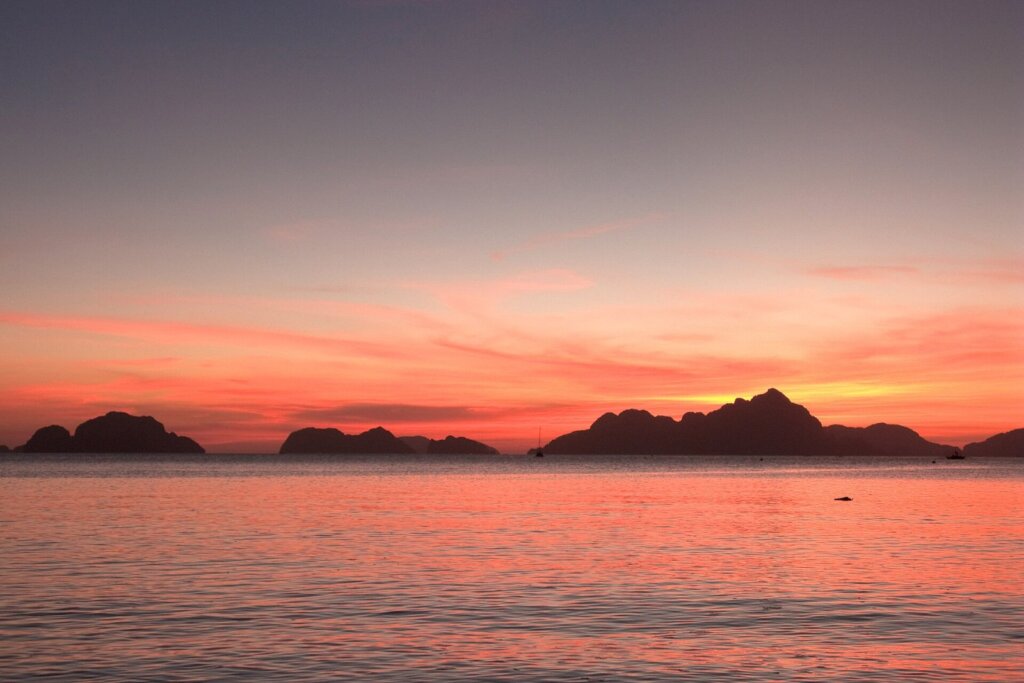
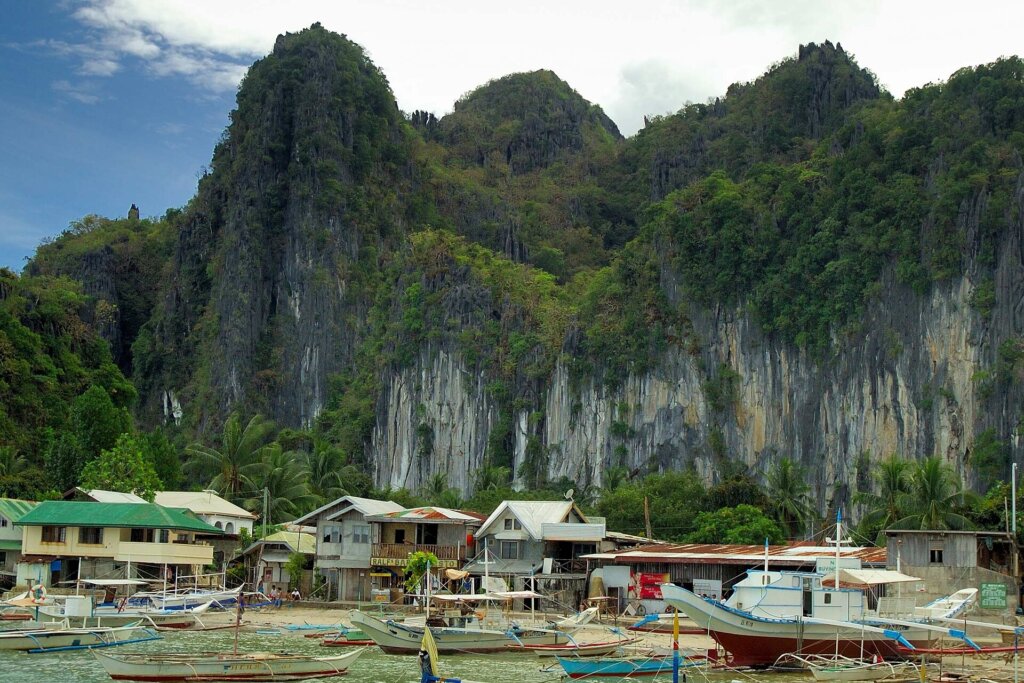
El Nido is compact, walkable and social. Within a 15-minute tricycle ride of the town proper you have Corong-Corong for sunsets, Marimegmeg (Las Cabanas) for beach days and Caalan for quieter guesthouses. Hostels run nightly social events, dive shops recruit for multi-week courses, and the Bacuit Bay tours give you a reason to stay outdoors almost every day in dry season.
The trade-offs are real, though. Internet can be patchy during storms, prices are higher than in most of provincial Palawan, and the town gets crowded from mid-December to Easter. Gap year travelers who thrive here usually treat El Nido as a home base and take side trips to Port Barton, Coron or Puerto Princesa when the crowds peak. If you are planning remote study or freelance work, read our guide to satellite internet and remote work in El Nido before committing to a long stay.
Monthly Budget: What a Gap Year in El Nido Really Costs
Costs swing heavily with season and with how often you book boat tours. The table below shows realistic monthly ranges for a single traveler in 2026. Treat them as planning numbers, not quotes — always confirm current rates locally.
| Expense | Shoestring (PHP/month) | Comfortable (PHP/month) | Notes |
|---|---|---|---|
| Accommodation | 15,000–20,000 (dorm or basic monthly room) | 25,000–40,000 (private room with A/C) | Monthly rates beat nightly rates by 30–50% off-peak |
| Food | 9,000–12,000 | 15,000–22,000 | Carinderias and the public market keep this low |
| Island hopping and activities | 4,000–6,000 (3–4 tours) | 8,000–15,000 | Eco-tourism fee is paid separately and covers several days |
| Transport in town | 1,500–3,000 | 4,000–7,000 (scooter rental) | Tricycles for short hops, scooters for Nacpan and beyond |
| SIM, data and laundry | 1,500–2,500 | 2,500–4,000 | Laundry is usually priced per kilo |
| Total | ~31,000–43,500 | ~54,500–88,000 | Peak season can add 20–40% |
For a deeper breakdown of food prices, see our El Nido public market price guide. If you are choosing between dorms and private rooms, our hostel dorm vs private room comparison walks through the trade-offs.
Visas, Entry Rules and Staying Legal
Many passport holders can enter the Philippines visa-free for an initial period (commonly 30 days) and then apply for extensions with the Bureau of Immigration. Rules differ by nationality, so check the current list on the Department of Foreign Affairs website before you fly. Every arriving traveler must also complete the free eTravel registration; our eTravel registration how-to covers it step by step.
Extensions are processed at Bureau of Immigration offices; Puerto Princesa has the nearest full-service office to El Nido. Our El Nido visa extension guide explains timing and documents. Two common gap-year pitfalls:
- Paid work: taking a paid job at a hostel, bar or dive shop on a tourist visa is not permitted. Work-for-accommodation arrangements sit in a grey area — ask the Bureau of Immigration rather than relying on what other travelers say.
- Remote work: the government has moved toward a dedicated digital nomad visa framework, but implementation details change. Check official DFA announcements before relying on it.
Meaningful Things to Do Beyond Island Hopping
Tours A–D are brilliant, but you will not want to repeat them every week. Long-stay travelers usually build a rhythm around one skill and one cause:
- Get dive certified, then go further. An open water course takes three to four days; advanced and rescue courses can fill a second and third week. Choose a shop with clear safety briefings and small groups.
- Volunteer with conservation projects. Beach clean-ups and coral restoration days are the easiest way to give back. See our beach clean-up and coral restoration volunteering guide.
- Learn to cook Filipino food. Market tours and cooking classes teach you skills that keep your food budget down for the rest of your stay — try our cooking class and market tour guide.
- Learn basic Tagalog. Even 50 phrases change how locals respond to you, and many guesthouse owners are happy to trade lessons for English conversation practice.
- Explore by scooter. Nacpan, Duli and the northern barangays reward travelers who have time to go on weekdays when beaches are almost empty.
Where to Stay for a Month or More
Gap year travelers rarely stay in one place for the full trip. A common pattern is a hostel for the first week (to meet people and learn the town), then a monthly room or homestay in Corong-Corong or Caalan. Monthly arrangements are usually agreed directly with owners; Facebook community groups and noticeboards in cafés are where most listings surface.
Before you pay a month upfront, check: water pressure and back-up water tanks, whether the room has a generator or inverter for brownouts, Wi-Fi speed (run a test at night when usage peaks), and the walking distance to a sari-sari store. Get any agreement in writing — even a WhatsApp message listing price, dates and what is included.
A Sample First Week for Gap Year Arrivals
The first seven days set the tone for a long stay, so resist the urge to book a tour every morning. A rhythm that works for most long-stayers looks like this:
- Day 1: Arrive, check into a social hostel, buy a local SIM and walk the town beach at sunset. Note where the nearest ATM, pharmacy and laundry shop are.
- Day 2: Join one group island hopping tour (Tour A is the classic first pick) and pay the eco-tourism fee, which covers several days of tours.
- Day 3: Rest day. Visit the public market in the morning, compare monthly room listings in the afternoon.
- Day 4: Try a discovery dive or snorkel trip to decide whether a full certification fits your budget.
- Day 5: Rent a scooter (only if you are licensed and experienced) and ride to Nacpan Beach on a weekday.
- Day 6: Join a beach clean-up or volunteer orientation, then inspect two or three monthly rooms in person.
- Day 7: Review your spending against the budget table above, sign a monthly agreement and move in.
Tracking your spending honestly in week one is the single best predictor of whether your money lasts. If you are already 20% over budget, cut paid tours before you cut food or safety; El Nido’s free beaches, sunset walks and viewpoints can fill plenty of days at no cost. Many gap year travelers also find that a weekly routine — the same café for study, the same carinderia for lunch — makes the town feel like home and stops the constant small spending that drains long-trip budgets.
Best Months for a Long Stay
The northeast monsoon (Amihan) from roughly November to April brings the most reliable boating weather, while the southwest monsoon (Habagat) from about June to October means more cancelled tours but cheaper rooms. Our explainer on Amihan vs Habagat monsoons goes deeper. For gap year budgets, the sweet spot is often November to mid-December or late April to May: good weather, shoulder-season pricing and enough travelers to keep hostels social. Check PAGASA forecasts weekly during transition months.
Health, Safety and Avoiding Long-Stay Burnout
Week three is when many long-stayers hit a wall: money anxiety, too many late nights and the feeling of “doing nothing.” Build structure — a morning swim, two work or study blocks a week, one tour, one rest day. Keep a small emergency fund (at least PHP 20,000) separate from your daily budget, and buy travel insurance that covers diving if you plan to dive. The WHO travel advice pages are a useful starting point for vaccinations; talk to a travel clinic before you leave home.
Drink filtered or refilled water rather than buying bottles every day — it is cheaper and reduces plastic waste. Wear reef-safe sunscreen and a rash guard; sunburn adds up fast when you are on boats several times a week.
Key Takeaways
- Budget roughly PHP 31,000–43,500 per month on a shoestring, or PHP 54,500–88,000 for a comfortable long stay.
- Start in a hostel for a week, then negotiate a monthly room in Corong-Corong or Caalan.
- Keep your visa legal: extend through the Bureau of Immigration and do not take paid local work on a tourist visa.
- Build your stay around a skill (diving, cooking, language) and a cause (conservation volunteering).
- November–mid-December and late April–May balance weather, prices and social atmosphere.
Frequently Asked Questions
How long can I stay in El Nido on a gap year?
Many nationalities enter the Philippines visa-free for an initial period and can apply for extensions with the Bureau of Immigration, allowing stays of several months. Check the rules for your passport on the DFA website before booking.
How much money do I need for a month in El Nido?
A single gap year traveler typically spends about PHP 31,000–43,500 per month on a shoestring and PHP 54,500–88,000 for a comfortable stay, with peak season adding 20–40%.
Can I work at a hostel in El Nido in exchange for accommodation?
Paid work on a tourist visa is not allowed, and work-for-accommodation arrangements are a grey area. Confirm with the Bureau of Immigration before agreeing to any volunteer-for-board deal.
What is the best month to start a gap year stay in El Nido?
November is a strong start: the dry Amihan season is setting in, prices are still below the December–April peak, and hostels are busy enough to meet people.
Is El Nido good for remote study or freelance work?
Yes, with caveats. Many cafés and guesthouses have usable internet, but outages happen in storms, so pick a room with back-up connectivity and keep deadlines flexible.
About the Author
This guide was compiled by the El Nido Hotels Ranking editorial team, with input from local operators and ongoing on-the-ground updates.