
Paddling is one of the most rewarding and underrated ways to explore El Nido. A kayak or stand-up paddleboard (SUP) lets you slip into lagoons that motorized boats cannot enter, set your own pace, and enjoy Bacuit Bay’s limestone scenery in near silence. This 2026 guide covers the best routes for every skill level, where to rent gear, what it costs, and the safety and tide knowledge you need before you push off from the sand.
Why Paddle in El Nido?
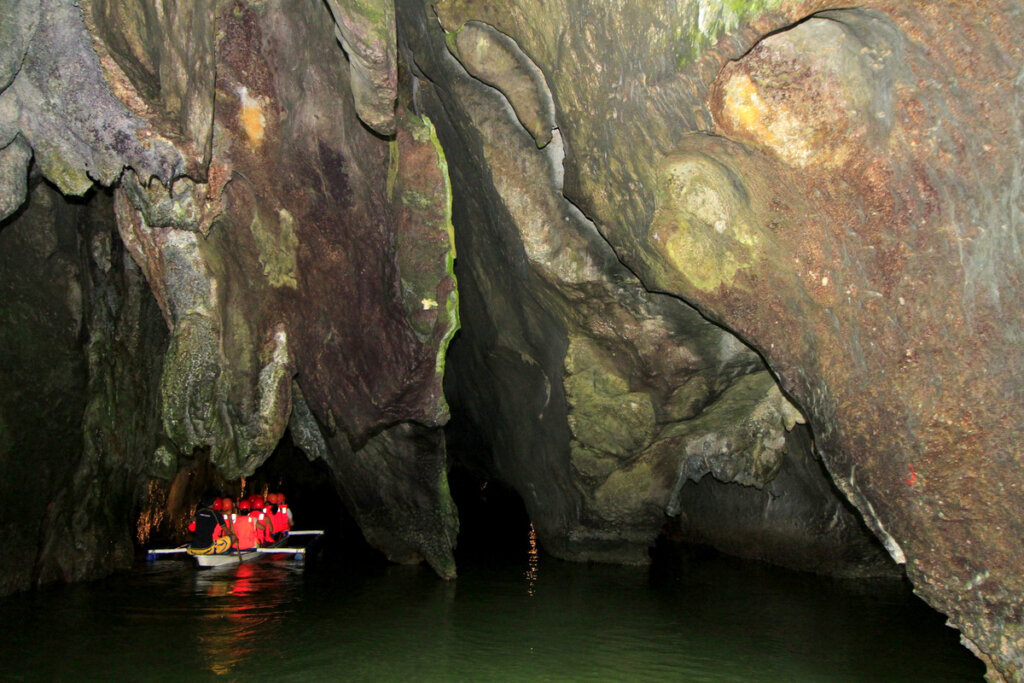
El Nido’s calm, sheltered bays and famous lagoons are tailor-made for human-powered craft. Inside Big Lagoon and Small Lagoon, kayaking is often the only way in, and paddling means you avoid the noise and fumes of engines while getting closer to cliffs, mangroves, and hidden beaches. It is also flexible: you can go for a gentle 30-minute float near town or commit to a half-day expedition. For many visitors, a quiet dawn paddle becomes the most memorable hour of the whole trip.
Best SUP and Kayak Routes by Skill Level
Choosing a route that matches your ability keeps the experience fun and safe. Beginners should stay in protected water close to shore, while confident paddlers can tackle open crossings, always with an eye on wind and current.
| Route | Level | Highlights |
|---|---|---|
| Corong-Corong Bay | Beginner | Calm water, sunset views |
| Big Lagoon | Beginner–Intermediate | Towering cliffs, shallow turquoise water |
| Small Lagoon | Intermediate | Narrow entrance, caves |
| Las Cabanas to Papaya Beach | Intermediate | Coastline, snorkel stops |
| Open-bay island crossings | Advanced | Distance, exposure to wind |
Note that access rules for the lagoons change periodically and some require an official environmental fee or a kayak booking through the tour system, so confirm current regulations locally before planning a self-guided lagoon paddle.
Where to Rent and What It Costs
Kayaks and SUPs are widely available from beachfront operators in the town center, Corong-Corong, and Las Cabanas, as well as from many resorts. Rentals are usually priced by the hour or half-day, and most include a paddle and a life vest; confirm that a leash and a dry bag are included for SUPs. Inside the lagoons, kayaks are rented separately at the entrance. Bring cash, as card payments are unreliable on the beach.
| Gear | Typical rental basis | Usually included |
|---|---|---|
| Single kayak | Per hour / half-day | Paddle, life vest |
| Double kayak | Per hour / half-day | Two paddles, vests |
| Stand-up paddleboard | Per hour | Paddle, leash, vest |
Reading the Wind, Tide and Water
The single most important skill for paddling in El Nido is timing your outing with the conditions. Mornings are usually calmest, with wind building through the afternoon, and tides affect both lagoon access and how hard you have to work to get back. Always check conditions first using our El Nido tides and sea conditions guide, and plan to paddle out against any breeze so the return leg is with the wind at your back. If whitecaps appear, come in; open-bay crossings are for strong, experienced paddlers only.
Watersports here are seasonal, and the same wind that challenges paddlers is a draw for other sports; if breezy afternoons appeal to you, see our El Nido windsurfing and kitesurfing guide.
What to Bring on a Paddle
Pack light but smart. A dry bag protects your phone and cash, a leash keeps your board with you if you fall, and reef-safe sunscreen plus a hat and rash guard prevent a brutal burn on the exposed water. Bring more drinking water than you think you need, secure your footwear, and consider water shoes for rocky landings. Much of this overlaps with a standard boat-tour kit; our El Nido boat tour packing guide is a useful checklist. If you plan to snorkel from your kayak, our shore snorkeling guide pairs well with a paddling day.
Safety Essentials
Always wear your life vest, tell someone your route and expected return, and never paddle alone if you are inexperienced. Stay clear of motorized boat lanes, keep to the edges of busy channels, and be honest about your fitness on longer routes. Heat and dehydration cause more trouble than the water itself, so pace yourself, rest in shade, and abandon a plan the moment conditions turn. A cautious paddler who turns back early always has a better day than one who pushes into rising wind.
A Sample Half-Day Paddling Itinerary
A relaxed half-day is the sweet spot for most visitors. Start at first light from Corong-Corong or Las Cabanas while the bay is glassy, paddle along the coastline for 30 to 45 minutes, and pull onto a quiet beach for a swim and a snack before the day-tour boats arrive. Return before mid-morning, when the wind and boat traffic pick up, and you will have the water almost to yourself. If you are a stronger paddler, extend the route toward Papaya Beach, adding a snorkel stop over a shallow reef, but keep a close watch on the breeze so the return leg does not become a slog. Budget extra time for photos; the low morning sun on the limestone cliffs is unforgettable, and there is no reason to rush a route you chose specifically for its calm.
Whatever route you pick, treat the first outing as a test run. Rent for a single hour, gauge your comfort and the day’s conditions, and only commit to a longer half-day once you know how the board or kayak handles and how your arms feel. This staged approach turns an ambitious plan into a series of good decisions rather than one big gamble.
Protecting the Bay While You Paddle
Human-powered craft are already among the lowest-impact ways to see El Nido, but a few habits make them gentler still. Keep well clear of coral in shallow water, since a dragging fin or paddle can snap fragile colonies that took decades to grow. Carry out every scrap of trash, avoid disturbing nesting birds on rocky outcrops, and give turtles and fish space rather than chasing them for a photo. Choose reef-safe mineral sunscreen and apply it well before you launch so it has time to bind to your skin instead of washing into the water. Paddling quietly through a lagoon is a privilege, and leaving it exactly as you found it is the price of admission that keeps these places worth visiting.
Frequently Asked Questions
Do I need experience to kayak in El Nido?
No. Beginners can enjoy calm, sheltered spots like Corong-Corong Bay and the shallow water of Big Lagoon. Narrow entrances, caves, and open-bay crossings are better left to intermediate and advanced paddlers who can read wind and current.
Can I paddle into Big Lagoon and Small Lagoon on my own?
Kayaks are the main way to explore both lagoons, but access rules, environmental fees, and booking requirements change periodically. Confirm the current regulations locally, as self-guided entry is sometimes restricted and kayaks are often rented at the lagoon entrance.
When is the best time of day to paddle?
Early morning is best, when the water is calmest and the light is beautiful. Wind typically builds through the afternoon, so plan longer routes for the morning and check tide times before you set out.
Is stand-up paddleboarding or kayaking better for beginners?
Kayaking is generally easier for first-timers because it is more stable and less tiring in wind. SUP is rewarding on very calm water but demands more balance, so beginners should start on a flat, windless morning close to shore.