Choosing between Palawan and the Visayas is one of the most common planning dilemmas for first-time visitors to the Philippines. This guide focuses on El Nido versus Bohol and Panglao specifically for travelers who only have one island slot in a 7 to 10 day itinerary and want the best match for their interests, budget and energy level. We compare scenery, island hopping, wildlife, food, transport and costs, then finish with simple rules for deciding.
The Short Answer: Limestone Drama or Easy Variety?
El Nido is about dramatic limestone karst cliffs rising straight out of turquoise water, hidden lagoons and boat days that feel like entering a postcard. Bohol, together with its resort island Panglao, is about variety: white-sand beaches, the famous Chocolate Hills, rainforest rivers, historic churches, tarsiers and some of the best easy diving in the country.
If your main wish is to wake up, board a bangka and spend the whole day hopping between lagoons, El Nido wins. If you want a mix of beach time, inland sightseeing, wildlife and relatively simple logistics, Bohol is the more flexible base. Neither choice is wrong, and many travelers eventually do both, but the details below should help you decide which one deserves your limited days first.
For wider context on how El Nido stacks up against other destinations, see our comparisons of El Nido vs Boracay and El Nido vs Cebu.
Scenery and Beaches
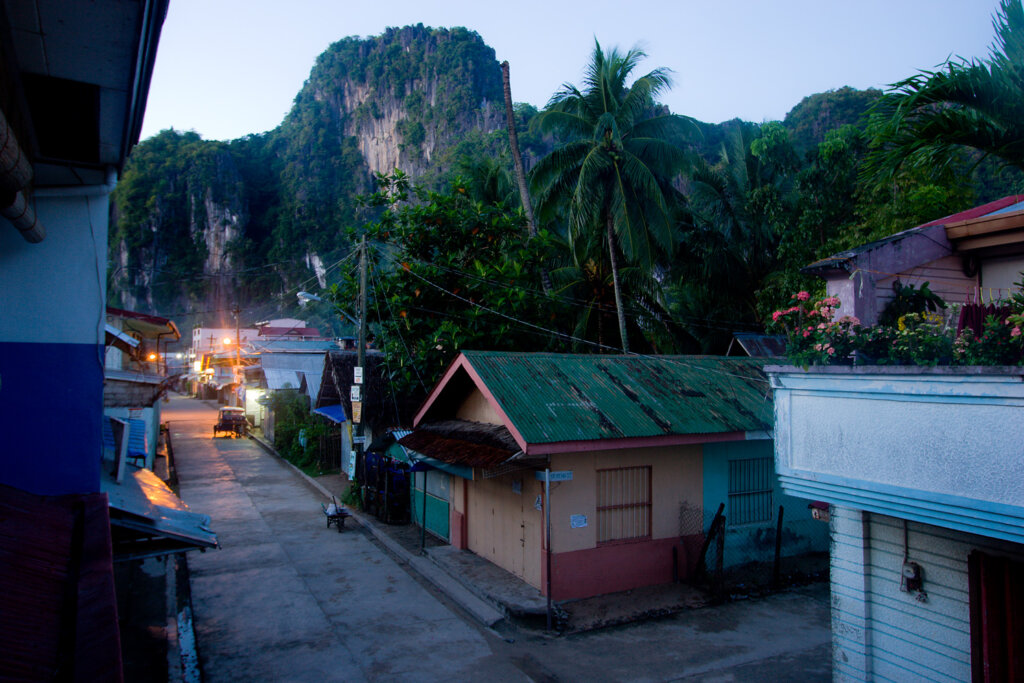
El Nido sits on Bacuit Bay, where more than 40 islands and islets create a maze of lagoons, coves and sandbars. The beaches are often small and tucked beneath cliffs, which is why photographs of the area look so cinematic. The trade-off is that the mainland beaches near town are modest, and the best scenery is reached by boat.
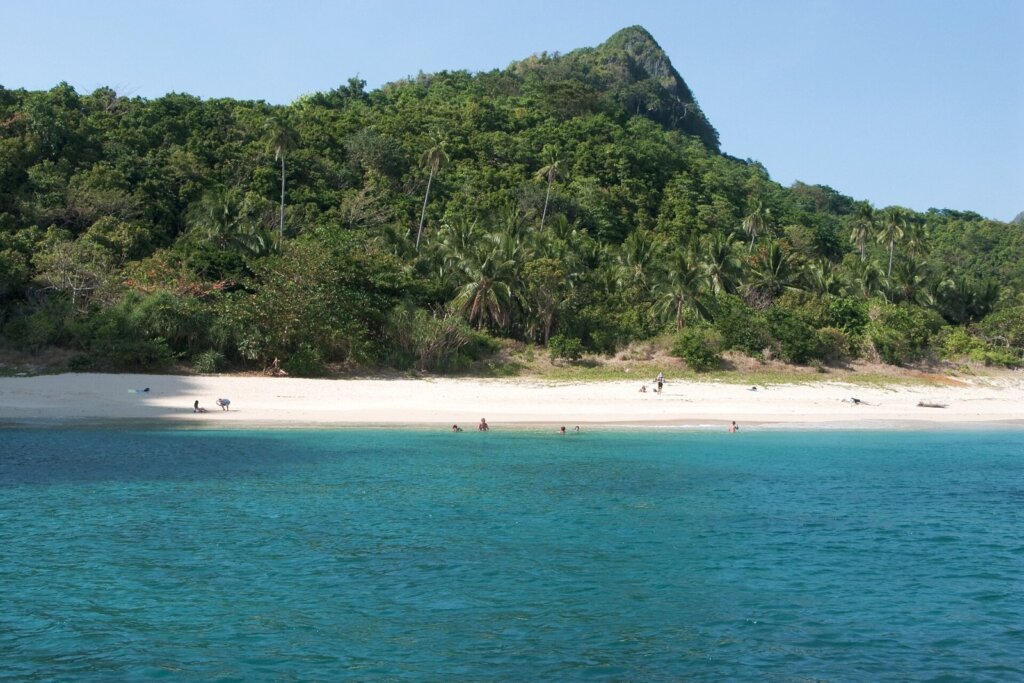
Bohol offers the opposite arrangement. Panglao has long, easy beaches such as Alona and Dumaluan where you can walk from your hotel to the sand, swim and watch sunsets without a boat. Inland, the Chocolate Hills, a field of grass-covered limestone mounds that turn brown in the dry season, give the island its signature image.
Best for Beach Lounging
Panglao is the stronger choice if you want long days on sand with sunbeds, restaurants and water sports within a short walk. Resorts line the beach and the sea is calm for most of the year.
Best for Wow-Factor Landscapes
El Nido has the more dramatic backdrop. Big Lagoon, Small Lagoon, Secret Lagoon and Shimmering Lagoon are all within a day or two of boat tours and are hard to match anywhere else in the country.
Island Hopping and Tours
Island hopping is the core activity in El Nido. Standard tours are lettered A, B, C and D and typically include lunch on a beach, snorkeling stops and kayaking in lagoons. Because the routes are well established, you can book on the day through almost any agency in town, and the environmental fee is collected at the pier. You can read more in our environmental fee guide and our tour safety briefing article.
Bohol also has island hopping, but it is smaller in scale. The classic Panglao tour visits Balicasag Island and Virgin Island, with snorkeling among turtles and sea walls, plus a stop to feed fish or look for dolphins in the early morning in season. It is a half-day or full-day activity rather than the main event of your trip.
| Feature | El Nido (Palawan) | Bohol / Panglao |
|---|---|---|
| Main attraction | Limestone lagoons and hidden beaches | Beaches, Chocolate Hills, wildlife |
| Island hopping | Excellent, multi-day options | Good, mostly half-day trips |
| Beach walking from hotel | Limited, Corong-Corong and Las Cabanas | Excellent, Alona and Dumaluan |
| Inland sightseeing | Hiking Taraw Cliff, waterfalls | Chocolate Hills, Loboc River, churches |
| Diving | Good, wrecks and reefs further out | Excellent, Balicasag and Pamilacan |
| Access | Flights from Manila or long van ride | Direct flights to Panglao, short transfer |
Wildlife and Nature
Bohol is the clear winner for wildlife encounters that are easy to arrange. The Philippine tarsier, one of the smallest primates in the world, is seen at sanctuaries near Corella, and ethical visitors should choose places that keep lights off, forbid flash photography and do not handle the animals. Loboc River cruises, firefly watching at dusk in some areas and whale and dolphin watching in the early morning also add variety.
El Nido is stronger for marine life you meet while snorkeling. Reefs around the bay hold colourful hard corals, parrotfish and sometimes sea turtles. Palawan also has a wider range of endemic birds and rainforest, which you can explore with guides if you add hiking days. For responsible interactions, follow the official guidance from the Department of Environment and Natural Resources and avoid touching coral or feeding wildlife.
Food and Nightlife
Both destinations offer a good spread of Filipino and international restaurants. El Nido town leans toward beachfront seafood grills, pizza, cafes and small bars that quieten down by midnight. Bohol Panglao has a bigger resort dining scene, with Alona Beach offering a wide mix of cuisines and live music venues. Locals in Bohol are proud of calamay, a sticky coconut sweet, and peanut kisses, while El Nido is known for fresh catch and kinilaw.
If nightlife matters, Panglao has a slight edge in the number and variety of venues, though neither island is a party hub. If you prefer sunsets with a drink and early nights before big boat days, El Nido is perfectly suited.
Costs and Value
Costs depend on season and style rather than on island alone. In general, budget travelers find hostels, guesthouses and tours in both places at comparable rates, while mid-range and high-end resorts cost more in El Nido during peak months because supply is smaller. Tours in El Nido are priced per person at set rates, and these have crept upward as visitor numbers grow. Bohol day tours are often arranged per vehicle, so they become cheaper per person for groups.
Do not forget transport. A trip to El Nido usually involves a flight to Puerto Princesa or El Nido airport, then a transfer by van if you do not fly directly, while Bohol Panglao International Airport is close to the main beaches. Budget extra time and money for connections if you are crossing between regions.
Getting There and Getting Around
El Nido is remote. Flights operate from Manila and some other hubs to the small local airport, with the alternative being a long van ride from Puerto Princesa. Our bus and van guide explains the route, and our Manila layover article helps with connections.
Bohol is simpler. The Panglao airport receives domestic flights, and ferries connect Tagbilaran to Cebu and other islands. Once on the island, you can hire a car with driver for the inland loop, rent a scooter on Panglao or use tricycles for short hops.
Best Time to Visit
Both islands are best in the drier months from roughly December to May, with March to May being hot and bright. Palawan has a more pronounced wet season, with rough seas occasionally canceling boat tours between July and October. Bohol still gets rain in that period but weather rarely shuts the whole island down. Always check forecasts from the national weather service PAGASA before booking non-refundable activities.
Sample Four-Day Plans for Each Island
A four-day El Nido plan might use day one for arrival and a sunset walk along the beach, day two for a lagoon-focused island tour, day three for a second tour that covers beaches and snorkeling spots, and day four for a slow morning, a short hike up to a viewpoint and an afternoon flight or van transfer. Keep a buffer day if your flight departs from a smaller airport, because weather delays can happen.
A four-day Bohol plan could start with a beach afternoon on Panglao, followed by a full inland day covering the Chocolate Hills, a tarsier sanctuary and a Loboc River lunch cruise. Day three works well for Balicasag and Virgin Island, and day four can be left for diving, spa time or a ferry to Cebu. This pace suits travelers who like a mix of activity and rest.
Who Should Choose Which?
Choose El Nido if you are a photographer, a snorkeling fan, a couple chasing a romantic setting or a traveler who values scenery above convenience. Choose Bohol and Panglao if you travel with children or grandparents, want diving, enjoy wildlife and inland excursions, or prefer a place where logistics are simple.
If you have two weeks, consider combining both with a flight via Manila or Cebu, and read our El Nido vs Coron comparison if you are also weighing Palawan alternatives.
Finally, read official visitor information from the Philippine Department of Tourism and local government notices for any changes in fees, rules or closures before you finalize bookings.
Frequently Asked Questions
Is El Nido better than Bohol?
It depends on what you value. El Nido has more dramatic lagoons and hidden beaches, while Bohol offers easier logistics, wildlife, inland sights and longer beaches.
Which is cheaper, El Nido or Bohol?
Budget costs are similar, but El Nido can be pricier for mid-range stays in peak season and has higher transport costs because of its remote location.
How many days do I need in each place?
Plan three to four nights in El Nido to enjoy several island tours, and three nights in Bohol to cover Panglao, the Chocolate Hills and a river cruise.
Which island is better for diving?
Bohol, especially Balicasag and Pamilacan, is often preferred for easy reef diving, while El Nido offers good reefs and wrecks for more experienced divers.
Can I visit both on one trip?
Yes. Fly via Manila or Cebu and allow at least ten days so you are not spending most of your time in transit.
Which is better for families with young kids?
Bohol is usually easier, with calm beaches near resorts and short transfers, though El Nido works well for families who are comfortable with boat days.