
Northern Palawan gives you two very different beach bases: the well-developed limestone playground of El Nido and the quieter, more spread-out coast of San Vicente to the south. This guide focuses on that choice specifically for travelers who have limited days on Palawan and want to decide where to sleep, not just where to visit. We compare the scenery, tours, beaches, costs, transport and crowds so you can commit with confidence.
Two Palawan Bases, Two Very Different Personalities
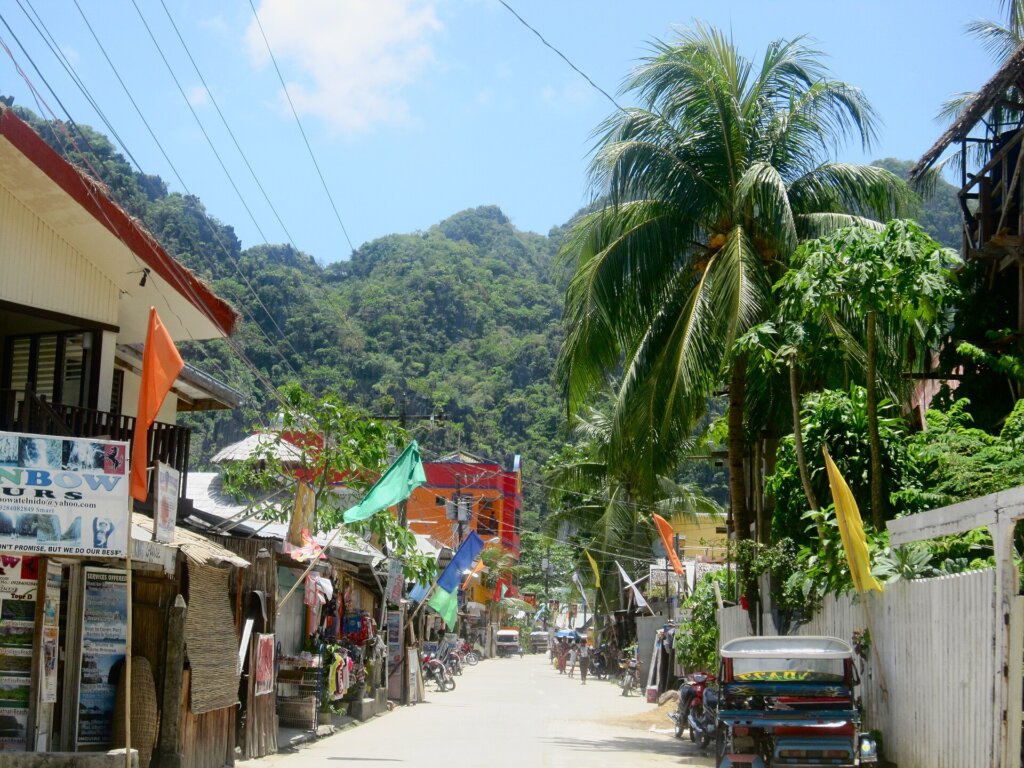
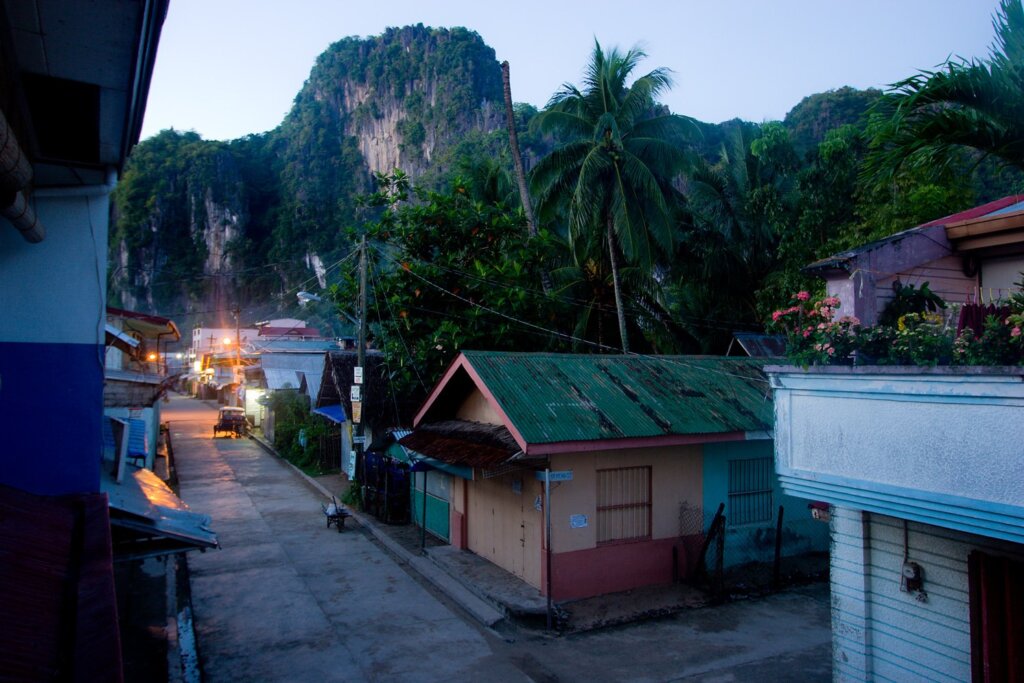
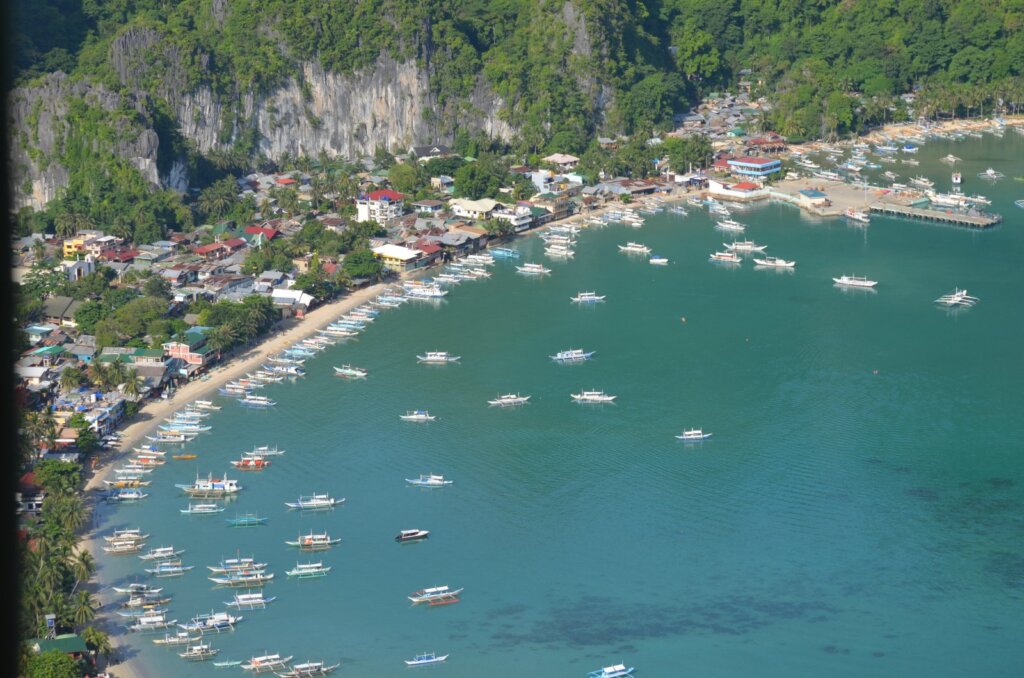
El Nido sits on Bacuit Bay, where sheer limestone karst rises straight out of turquoise water. The town is compact, walkable and full of restaurants, dive shops, tour offices and places to stay at almost every budget. Its main appeal is the sheer density of things to do: lagoons, hidden beaches, snorkeling spots and viewpoints are all reachable in a single day on the classic boat routes.
San Vicente is a large municipality on the western coast, best known for its very long, gently curving shoreline and for being the district that contains the laid-back village of Port Barton. Development is lighter and the pace is slower. Instead of one dense town, you find a handful of small resort clusters, quiet beaches and a lot of empty space between them. If El Nido feels like a festival, San Vicente feels like a long exhale.
Neither is objectively better. The right one depends on how much activity you want, how much you are willing to spend, and how many hours you can spare for transfers. If you are still building the wider itinerary, our El Nido vs Coron comparison covers the other classic Palawan decision.
Scenery and Beaches
El Nido wins on drama. The karst cliffs, hidden lagoons and pocket beaches of Bacuit Bay are the reason most visitors come, and they photograph beautifully at almost any hour. Many of the best beaches are only reachable by boat, which keeps some of them feeling remote even though the routes are popular.
What San Vicente Does Better
San Vicente offers something El Nido cannot: long, open stretches of sand where you can walk for a long time without meeting another group. The coast faces west, so sunsets are wide and unobstructed. Waters are often calm enough for easy swimming right from the shore, which suits families and anyone who would rather relax than tour.
What El Nido Does Better
El Nido offers variety within a very small area. In a single week you can snorkel over coral gardens, kayak into a lagoon, hike to a viewpoint and swim below cliffs. Nothing in San Vicente matches that concentration of scenery, so if landscape is your top priority, El Nido is the stronger base.
Island Hopping, Activities and a Side-by-Side View
Island hopping in El Nido is organized and predictable. Operators run standard lettered routes, and you can compare them in our Tour A vs Tour B and Tour C vs Tour D guides. Prices are broadly regulated by the local tourism office, which makes budgeting simple. You can also decide between shared and private trips with our guide to island hopping vs a private boat charter.
San Vicente and Port Barton offer their own boat trips, typically to nearby islands, sandbars and snorkeling spots. They are smaller in scale, with fewer boats on the water and a more informal feel. Expect calmer, shorter days rather than a checklist of landmarks. Land activities such as hiking, waterfall visits and village walks fill the gaps.
Divers and snorkelers should note that both areas have reef and marine life, but El Nido has the larger dive industry and more choice of operators. Certified divers can review training standards through PADI before booking either location. The table below summarizes the practical differences; treat it as general guidance, because prices, schedules and services change from season to season.
| Factor | El Nido | San Vicente |
|---|---|---|
| Scenery | Dramatic karst cliffs, lagoons, hidden beaches | Long open beaches, wide sunsets |
| Island hopping | Organized lettered routes, many operators | Smaller, informal trips from Port Barton |
| Nightlife and dining | Broad range of restaurants and bars | Limited, mostly resort or village dining |
| Accommodation | Budget to luxury, dense choice | Fewer options, quiet beachfront resorts |
| Crowds | Busy in peak months | Generally quiet |
| Getting around | Walkable town, tricycles for beaches | Spread out, transfers or motorbikes |
| Best for | First-timers and sightseers | Relaxation and slow travel |
Getting There and Getting Around
Most visitors reach El Nido through Lio Airport or by road from Puerto Princesa. Our guide to Lio Airport vs Puerto Princesa Airport explains the trade-offs, and the transport guide covers tricycles, vans and rentals once you arrive.
San Vicente is generally reached by road from Puerto Princesa, and the journey is usually shorter than the trip to El Nido, though schedules and road conditions vary. Between El Nido and San Vicente or Port Barton you should plan for a long road day rather than a quick hop, so check current van times before locking in a plan. Our El Nido to Port Barton guide walks through the route and what to expect.
Within San Vicente, distances between beaches and resorts are larger, so you will rely on tricycles, motorbikes or pre-arranged transfers. In El Nido, most of what you need is within walking distance of the town center.
A practical tip for split trips: travel in the morning, leave a buffer before any onward flight, and carry cash for the smaller villages where card machines and ATMs are scarce. Pack light, because minivans fill quickly and luggage space can be tight during busy weeks. Bring a light rain jacket and keep electronics in a dry bag, since road trips can pass through sudden showers even in the drier months.
Costs, Food and Accommodation
El Nido has the widest range of places to stay, from simple guesthouses to boutique and luxury resorts. Competition keeps standards fairly high, and you can compare styles in our guesthouse vs resort guide or look at beachfront resorts on Bacuit Bay. The trade-off is that peak season pushes prices up quickly.
San Vicente tends to have fewer options but often better value for a quiet beachfront setting. Some resorts are isolated, which means you may eat most meals on site. That is convenient but can add up, so ask about meal plans before you book.
Food variety is a clear El Nido advantage, with seafood grills, cafes, international kitchens and bars in a short stretch of town. San Vicente restaurants are more limited but often serve fresh catch and simple Filipino dishes in relaxed surroundings.
Health and safety planning also differs. El Nido has a wider choice of clinics, pharmacies and ATMs, which reassures families and older travelers, whereas remote parts of San Vicente may be an hour or more from the nearest well-equipped facility. Bring a basic first-aid kit, any prescription medication, reef-safe sunscreen and enough cash for the days you spend away from town. Travel insurance that covers boat transfers and medical evacuation is a sensible precaution for either destination, and worth reading closely before you leave home.
Crowds and Best Time to Visit
Both areas follow Palawan’s two main seasons: a drier period roughly from late in the year through spring, and a wetter period during the southwest monsoon. Check forecasts through PAGASA before you travel, because rough seas can cancel boat trips at either destination. Our ber months guide covers the transition into peak season.
El Nido gets busy, especially around holidays, and the main lagoons can feel crowded by late morning. San Vicente rarely feels crowded at all. If you value solitude over sights, that difference alone can settle the decision.
Responsible travel matters in both places. Protected marine and forest areas are managed with input from agencies such as the DENR and the Department of Tourism, so follow local rules on fees, waste and wildlife.
Which Base Should You Choose?
Choose El Nido if you have a week or less, want the famous lagoons and beaches, enjoy a lively evening scene and prefer having tours, food and services in one place. It is the safer choice for first-time visitors who want a proven itinerary.
Choose San Vicente if you already have a few days in hand, value calm and space, and would rather swim from an empty beach than join a boat convoy. It suits couples, families with young children and slow travelers who do not mind limited nightlife.
If you have ten days or more, do both. Spend the first half in El Nido for the highlights, then move south for a quieter finish. Splitting the trip also softens the effect of any weather delays, since a cancelled boat day in one place can be replaced by a beach day in the other. Compare with other destinations in our El Nido vs Boracay guide if you are still weighing Palawan against the wider Philippines.
Frequently Asked Questions
Is San Vicente cheaper than El Nido?
It can be for accommodation, especially outside peak months, but remote resorts often push you to eat on site, so total spending depends on how you travel.
Can I visit both in one trip?
Yes. Many travelers combine them, but plan a full travel day between the two and confirm current van or transfer schedules.
Which is better for families with young children?
San Vicente’s calmer beaches suit small children well, while El Nido works for families who want organized boat tours and easy access to restaurants and clinics.
Do I need to book island hopping in advance?
In peak season it is wise to book a day or two ahead in El Nido. In San Vicente and Port Barton, trips can usually be arranged locally at short notice.
Which has better snorkeling?
Both have reefs and marine life. El Nido offers more spots within easy reach, while San Vicente has fewer boats and quieter water.