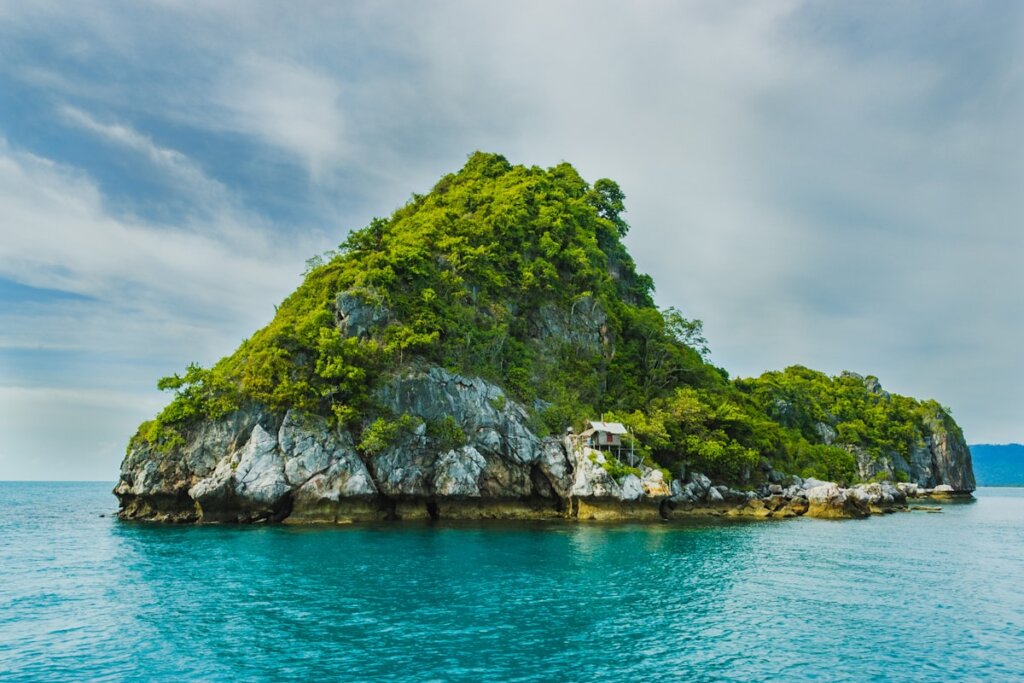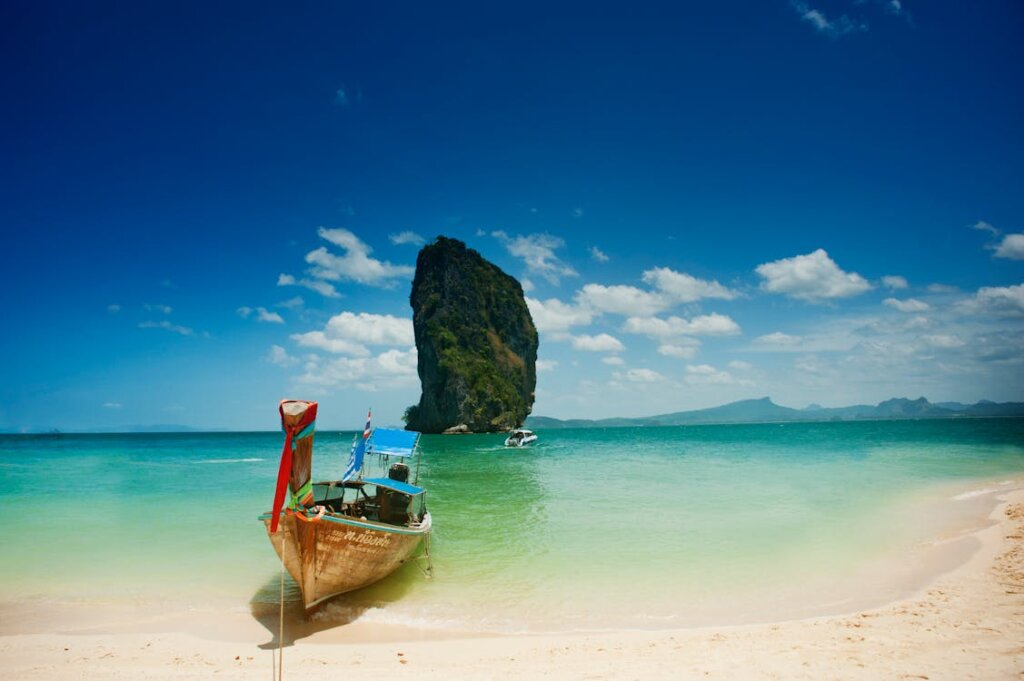

If you only have time to book one or two island-hopping trips in El Nido, the choice usually comes down to Tour A versus Tour B. This guide focuses on Tour A versus Tour B specifically for first-time visitors trying to decide which route to book first when a full four-tour circuit is not realistic on their schedule.
What Tour A and Tour B Actually Cover
El Nido’s island-hopping trips are split into four standardized routes – Tour A, B, C, and D – each covering a different cluster of islands inside Bacuit Bay. Tour A is generally considered the “lagoon tour,” built around the calm, photogenic lagoons closest to El Nido town. Tour B leans more toward caves, sandbars, and a wider stretch of open water, which makes it a slightly different day on the boat.
Tour A typically stops at Big Lagoon, Small Lagoon, Secret Lagoon, Shimizu Island, and Seven Commandos Beach. Tour B typically stops at Snake Island (also called Vigan Island), Cudugnon Cave, Pinagbuyutan Island, and Entalula Beach. Exact stops can vary slightly by operator and sea conditions, so always confirm the day’s itinerary at check-in.
The lettered system (Tour A through Tour D) was set up years ago by the local tourism cooperative to spread boat traffic across Bacuit Bay rather than funneling every visitor into the same two or three islands. It’s worked well enough that most operators, from budget outfits to higher-end resorts, still use the same four labels today, which makes comparing quotes across different companies much easier than in a lot of other island destinations. If you eventually plan to see all four routes, Tour A and Tour B are the two most people knock out first simply because they run most reliably and rarely get cancelled outright, unlike some Tour D routes that push further from town.
Water, Photography, and Snorkeling: Which Tour Wins Where
Which Tour Has Calmer, More Beginner-Friendly Water
Tour A wins here. Big Lagoon and Small Lagoon sit inside sheltered limestone walls, so the water is usually calm enough for nervous swimmers, kids, and older travelers. Small Lagoon requires a short kayak or swim through a narrow rock opening, which some guests find intimidating but manageable with a life vest. Tour B spends more time crossing open channels to reach Snake Island and Pinagbuyutan, so it can feel choppier, especially in the afternoon when wind typically picks up.
Which Tour Is Better for Photography
Tour B has the edge for dramatic, wide shots – Snake Island’s sandbar and the limestone backdrop at Pinagbuyutan photograph beautifully, especially at low tide. Tour A is better for the moody, enclosed-lagoon look that shows up in most El Nido postcards, particularly the turquoise water inside Big Lagoon in the early morning before other boats arrive.
Snorkeling Quality: Tour A vs Tour B
Tour B generally has the stronger reef life, particularly around Entalula Beach and the channel near Pinagbuyutan Island, where the coral cover tends to be healthier than inside the more heavily visited lagoons on Tour A. If snorkeling is your top priority and you can only pick one tour, Tour B is usually the better call. If you are traveling with someone who does not snorkel, Tour A still gives them plenty to enjoy from the boat or on the beach.
Tour A vs Tour B: Side-by-Side Comparison
| Factor | Tour A | Tour B |
|---|---|---|
| Main draw | Big Lagoon, Small Lagoon, Secret Lagoon | Snake Island sandbar, caves, Pinagbuyutan |
| Water conditions | Calmer, sheltered lagoons | More open channels, can be choppier |
| Best for | Families, first-timers, nervous swimmers | Snorkelers, photographers, active travelers |
| Typical duration | Roughly 7 hours, 8am–3pm | Roughly 7 hours, 8am–3pm |
| Physical effort | Moderate (kayak/swim into Small Lagoon) | Moderate to high (open-water swims, sandbar walk) |
| Crowd levels | Busier, most popular tour | Slightly quieter on average |
Price and Booking Basics
Group tours for both routes are priced similarly by most operators in town, and rates change often enough that we won’t quote a fixed number here – check current listings when you arrive or book a day ahead through your accommodation. Both tours also charge a separate El Nido eco-tourism / environmental fee that is collected once and valid for several days, so keep your receipt if you plan to do more than one tour. If budget flexibility matters to you, our budget vs luxury island-hopping comparison breaks down what you get at each price tier.
When comparing operators, price alone is a poor way to choose. Look at boat capacity (smaller groups mean more time at each stop), whether life vests and snorkeling gear are included and well maintained, and how recent their reviews are. A tour a few hundred pesos cheaper than average is rarely worth it if it means a cramped boat or gear that leaks. Most hotels and guesthouses in town can also book Tour A or Tour B for you directly, often at the same price as walking into an agency yourself, which saves a trip into town on your first morning.
Which One Should You Book First
Book Tour A First If…
Choose Tour A first if this is your first time seeing El Nido’s lagoons, if you’re traveling with kids or older relatives, if you get seasick easily, or if the classic postcard shot of Big Lagoon is non-negotiable for your trip. It is also the easier introduction if you are still building confidence in open water – our island-hopping guide for beginners has more prep tips.
Book Tour B First If…
Choose Tour B first if snorkeling quality matters more to you than calm water, if you want a day that feels less crowded, or if you’re only in El Nido for one or two nights and want variety beyond lagoons. Confident swimmers and anyone prioritizing reef life over Instagram lagoon shots tend to enjoy Tour B slightly more on a first visit.
Getting There and What to Pack
How to Get to the Boat Meeting Point
Almost every operator meets at or near the public beach in El Nido town, a short walk from most guesthouses and hotels in the town proper. If you’re staying further out – say, along Corong-Corong or up toward Nacpan – ask your accommodation about tricycle timing the night before so you’re not rushing at 7:30am. Boats usually assemble life vests, snorkeling gear, and lunch on board before departure, and staff will do a headcount and a short briefing on the day’s stops and any last-minute route changes.
Packing List for Tour A or Tour B
Bring reef-safe sunscreen, a dry bag for your phone and cash, and water shoes if you own a pair – several stops involve walking over coral rubble or volcanic rock where sandals slip easily. A rash guard cuts down on both sunburn and the amount of sunscreen washing into the water. Boats typically supply a simple packed lunch and fresh fruit; if you have dietary restrictions, flag it when booking rather than at the dock. Bring a change of clothes for the ride back, since most guests stay in swimwear for the whole day.
Weather, Cancellations, and Responsible Travel
Weather, Cancellations, and Rescheduling
Bacuit Bay weather can shift quickly, and operators sometimes swap the day’s route or cancel outright when conditions turn, particularly during the wetter months from roughly June to October. Coast guard advisories can ground all boats on short notice, even on days that look fine from the shore. Check the local marine forecast the night before, keep your itinerary flexible, and ask your operator about their rebooking or refund policy in case Tour A or Tour B doesn’t run as planned – our guide on what happens when a boat tour is cancelled for bad weather covers what to expect.
Responsible Island-Hopping in Bacuit Bay
Bacuit Bay sits inside a protected seascape, and small choices add up across the hundreds of boats that pass through each week. Stick to reef-safe sunscreen, avoid standing on coral even in shallow water, and pack out anything you bring in. The environmental fee you pay before your first tour goes toward maintaining trails, mooring buoys, and ranger patrols in the area, a system broadly modeled on guidance from the Department of Environment and Natural Resources for protected coastal zones across Palawan. Traveling this way helps keep both Tour A and Tour B worth doing for the next visitor.
Frequently Asked Questions
Can I do both Tour A and Tour B in one trip?
Yes, and most visitors who stay three or more nights do exactly that. Just avoid stacking them back-to-back if you’re prone to sun fatigue – alternate with a rest day if you can.
Which tour is better for non-swimmers?
Tour A, because Big Lagoon and the surrounding stops offer calmer water and more opportunities to stay on the boat or in shallow areas with a life vest.
Do Tour A and Tour B run every day?
Both generally run daily in good weather, but any tour can be cancelled or rerouted if the coast guard restricts boat travel during rough seas, particularly in the wetter months.
Is Tour A or Tour B more crowded?
Tour A tends to attract more boats since Big Lagoon and Small Lagoon are the most photographed spots in El Nido, so arriving early is worth it if you want quieter water.
Can I book a private version of Tour A or Tour B?
Yes, private boat charters covering the same stops are available at a higher price and let you set your own pace and timing away from the group-boat schedule. This is worth considering if you’re traveling with a large family, have mobility concerns, or simply want fewer boats crowding your photos at each stop.