TL;DR: Choose El Nido for limestone lagoons, boat-based island hopping and a December–May dry season close to Asia. Choose Zanzibar for Swahili culture, Stone Town history, tidal Indian Ocean beaches and easy add-ons to an East African safari.
At first glance El Nido and Zanzibar are just two tropical islands with white sand and turquoise water. In reality they offer very different holidays. One is a karst-studded bay in the western Philippines, built around boat tours. The other is a spice-trade island off Tanzania, where culture, history and safari connections matter as much as the beach. This guide focuses on El Nido vs Zanzibar specifically for long-haul travellers from Europe, the Middle East or North America who are choosing one “big beach trip” this year.
Our angle is fit, not ranking. We compare them on what a typical day feels like, how the seasons line up and how much travel it takes to get there. If you’re weighing other far-flung options too, see El Nido vs Perhentian and our new El Nido vs Tioman comparison.
El Nido vs Zanzibar at a Glance
| Factor | El Nido (Philippines) | Zanzibar (Tanzania) |
|---|---|---|
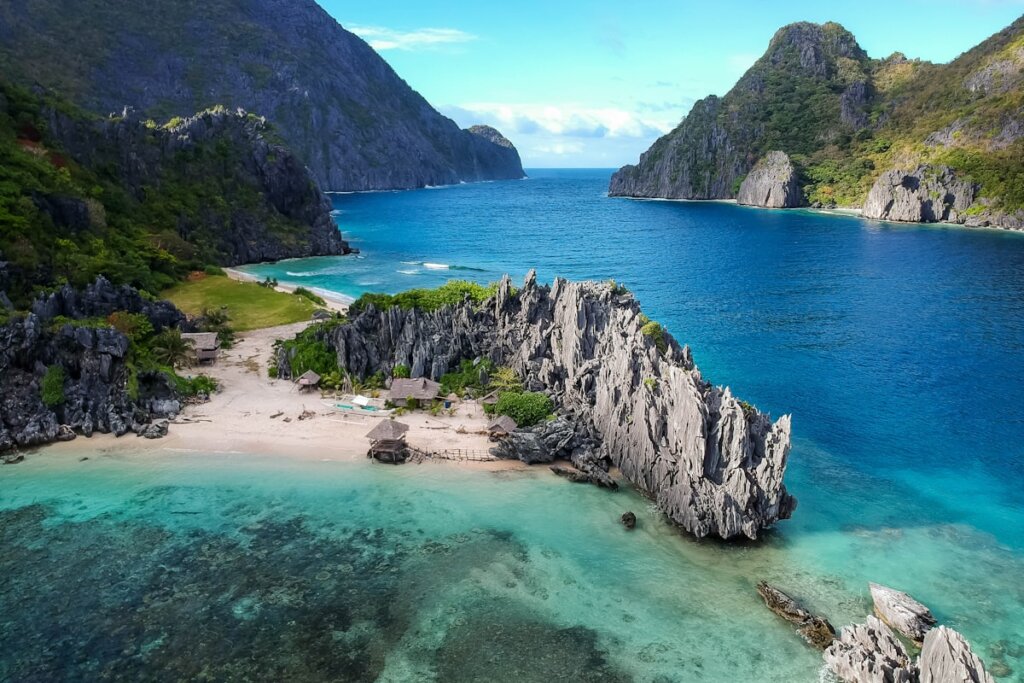
| Signature look | Black limestone cliffs, hidden lagoons, islets | Flat coral-sand beaches, dhows, palm-lined shore |
| Best months (approx.) | December–May | June–October and December–February |
| Wettest periods (approx.) | June–October southwest monsoon | Long rains around March–May; short rains around November |
| Main activity | Island-hopping Tours A–D, kayaking, snorkelling | Beach time, Stone Town, spice farms, Mnemba snorkelling, kitesurfing |
| Culture and history | Fishing town, Filipino island life | UNESCO-listed Stone Town, Swahili and Omani heritage |
| Tides | Modest, rarely limit swimming | Large on the east coast; swimming depends on tide times |
| Typical access | Fly via Manila or Cebu to El Nido or Puerto Princesa | Fly into Zanzibar (ZNZ) via a Gulf, Turkish or East African hub, or ferry from Dar es Salaam |
Seasons and When Each Island Shines
El Nido is at its best from roughly December to May, when the northeast monsoon (amihan) usually brings drier weather and calmer water in Bacuit Bay. From June to October the southwest monsoon can bring rain and swells, and boat tours may be suspended on rough days. Our typhoon season guide explains the risks.
Zanzibar has two dry windows. The long dry season runs roughly June to October and there’s a hot, mostly dry spell around December to February. The heaviest rain usually falls in the “long rains” of March to May, with shorter rains around November. That makes Zanzibar a strong alternative when El Nido is wet, especially in July and August. At Christmas and in February both islands can work, so other factors decide.
Beaches, Water and Tides
This is where the two feel most different. El Nido’s beaches are often small coves tucked between cliffs, and many of the best are reached by boat, from Seven Commandos to the lagoons on Miniloc. On the mainland, long beaches such as Nacpan offer space and surf in season. See our Papaya Beach guide for a typical island-hopping stop.
Zanzibar’s beaches are long, flat and powdery. On the east coast, at places like Paje and Jambiani, the tide goes out a very long way. That’s great for photos, seaweed farms and kitesurfing, but swimming depends on the tide. The northern beaches around Nungwi and Kendwa are usually less tidal and are popular for swimming and sunsets. Snorkelling trips to Mnemba Atoll are the classic water excursion.
In short: El Nido wins on dramatic scenery and lagoon-to-lagoon variety. Zanzibar wins on long beach walks, kitesurfing and an easy, slower pace.
Culture, Food and Things to Do on Land
Zanzibar has the edge on culture. Stone Town, a UNESCO World Heritage Site, is a maze of carved doors, markets and Swahili-Arab architecture that rewards a guided walk. Spice farm tours, Jozani Forest (home to the endemic red colobus monkey) and Forodhani Gardens’ evening food market fill non-beach days.
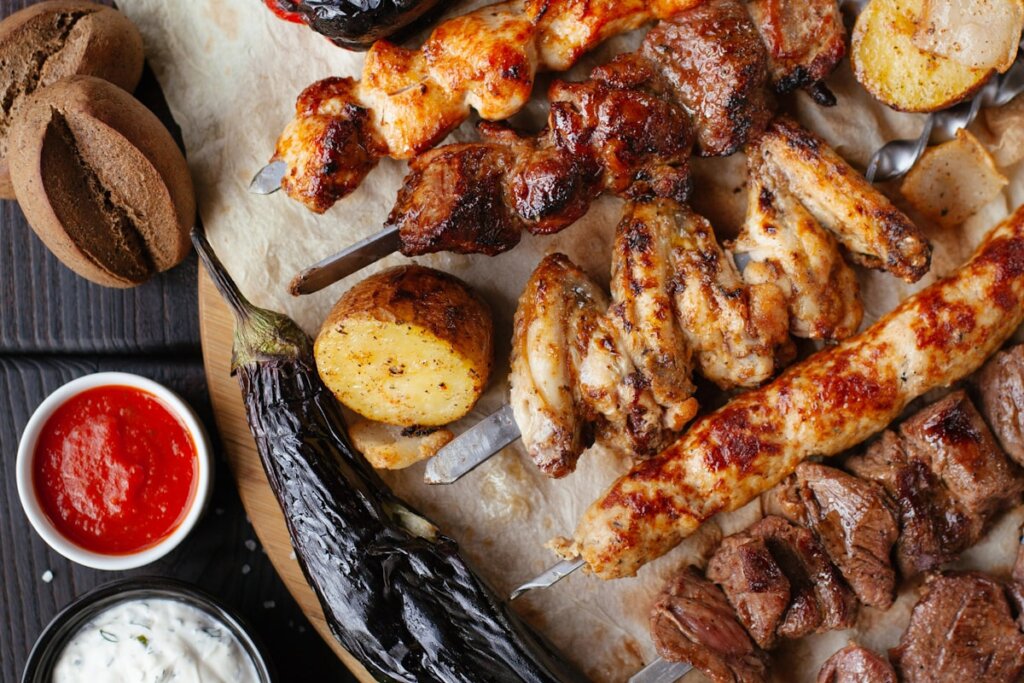
El Nido’s land experiences are more outdoorsy: the Taraw Cliff via ferrata, waterfalls, motorbike loops to quiet northern beaches and sunset sailing. Food is Filipino and international, with fresh seafood, adobo and grilled skewers. Try our 7-day itinerary for a balanced week.
Getting There and Entry Requirements
For most long-haul travellers, both require at least one connection. El Nido usually means a flight to Manila or Cebu, then a short domestic flight into El Nido’s Lio Airport (ENI), now operated under Cebgo, or a flight to Puerto Princesa followed by a 5–6 hour van. Our airport codes guide explains the options.
Zanzibar’s Abeid Amani Karume International Airport (ZNZ) has connections via hubs such as Doha, Dubai, Istanbul, Nairobi and Addis Ababa, plus seasonal charters from Europe. You can also take a fast ferry of around two hours from Dar es Salaam. Many nationalities need a Tanzanian visa or eVisa, and Zanzibar has required visitors to hold a specific inbound travel insurance policy since late 2024. Check the latest rules on the Tanzania Immigration eVisa portal and your government’s travel advice, such as the UK FCDO Tanzania page, before booking.
For the Philippines, most visitors arrive visa-free for short stays and complete the eTravel registration. Check the Department of Tourism for current entry guidance.
Who Should Pick Which?
| You are… | Better fit | Why |
|---|---|---|
| Travelling July–August | Zanzibar | Dry season there; El Nido is in its wetter months |
| Travelling February–April | El Nido | Prime El Nido weather; Zanzibar enters long rains around March |
| Combining with a safari | Zanzibar | Short hop from Serengeti, Kilimanjaro or Dar es Salaam |
| Combining with Southeast Asia | El Nido | Easy to pair with Manila, Coron, Cebu or a wider Asia route |
| Focused on dramatic photos | El Nido | Lagoons and karst cliffs are hard to beat |
| Kitesurfer | Zanzibar | East-coast lagoons and steady trade winds in season |
Costs and Budget Compared
For long-haul travellers, flights usually dominate the budget for either island, so price them first. On the ground, the two are broadly comparable at mid-range level but structured differently. In El Nido, the recurring costs are island-hopping tours, the municipal eco-tourism fee (reported at PHP 400 in 2026; see our environmental fee guide) and tricycles. Accommodation ranges from simple guesthouses in town to private-island resorts. In Zanzibar, many visitors stay in all-inclusive or half-board beach resorts, especially on the northern and east coasts, and spend on excursions such as Stone Town tours, spice farms, Mnemba snorkelling and transfers between coasts. US dollars are widely quoted for tourism services in Zanzibar, while the Philippine peso is the norm in El Nido. Both destinations reward carrying some cash; see our El Nido currency guide for the Palawan side.
Where to Base Yourself on Each Island
In El Nido, the main choice is between staying in town for restaurants and tour departures, Corong-Corong for sunsets, or quieter beaches such as Nacpan and Lio. Our where-to-stay guide breaks this down. In Zanzibar, many travellers split their time between a night or two in Stone Town for history and food, then a beach base. Nungwi and Kendwa in the north suit swimmers and sunset seekers. Paje and Jambiani on the east coast suit kitesurfers and anyone who loves wide, tidal lagoons. Whichever island you choose, allow at least five or six nights on the ground. Both involve long journeys, and squeezing the beach into two or three days rarely feels worth the flights.
Sample One-Week Split
A simple way to compare is to sketch a seven-night plan for each. El Nido: one travel day in, Tour A and Tour C on separate days, a motorbike day to Nacpan, a Taraw Cliff or kayak morning, a free beach day as a weather buffer, and one travel day out. Zanzibar: two nights in Stone Town with a walking tour and a spice farm, four nights on a northern or east-coast beach with a Mnemba snorkel trip, and one buffer day before your flight. If the El Nido plan excites you more, the boat-and-lagoon style is probably your match. If the Zanzibar version does, you’re likely after culture plus slow beach time.
Frequently Asked Questions
Is El Nido or Zanzibar better for beaches?
It depends on the beach you like. El Nido has smaller, dramatic coves and lagoons reached by boat; Zanzibar has long, flat powdery beaches, with big tides on the east coast and better swimming in the north around Nungwi and Kendwa.
When is the best time to visit Zanzibar vs El Nido?
El Nido is generally best from December to May. Zanzibar is generally best from June to October and from December to February, with heavier rain around March to May.
Which is easier to reach from Europe?
Zanzibar often needs one connection via a Gulf, Turkish or East African hub, and some seasonal charters fly direct. El Nido usually needs two flights (to Manila or Cebu, then onward) or a flight plus a long van transfer.
Do I need insurance to visit Zanzibar?
Zanzibar has required visitors to buy a specific inbound travel insurance policy since late 2024. Check current requirements with official Tanzanian sources and your government travel advice before you travel.
Can I combine El Nido or Zanzibar with other trips?
Zanzibar pairs naturally with a Tanzanian safari. El Nido pairs well with Coron, Cebu or a wider Southeast Asia itinerary.
Key Takeaways
- El Nido is about limestone lagoons and boat tours; Zanzibar is about long beaches, culture and Stone Town.
- Seasons differ: El Nido peaks around December–May; Zanzibar around June–October and December–February.
- Zanzibar east-coast tides are large, so check tide times for swimming.
- Zanzibar requires specific entry insurance and often a visa, so check official sources first.
- Safari add-on? Pick Zanzibar. Asia island-hopping? Pick El Nido.
Final Verdict
Your travel month and what you want to pair the beach with will usually decide this. In the Northern Hemisphere summer, or if you want history, food markets and a safari, go to Zanzibar. For winter and spring sun with cliffs and lagoons, go to El Nido. For background reading see UNESCO’s Stone Town listing.
About the Author
This guide was compiled by the El Nido Hotels Ranking editorial team, with input from local operators and ongoing on-the-ground updates.