
Most El Nido packing lists tell you to “bring water shoes” and stop there. That advice skips the real question: which footwear actually works on limestone, coral rubble, wet boat decks and muddy hiking trails? This guide focuses specifically on choosing between water shoes, sport sandals, reef booties and plain flip-flops for island hopping, hiking and town days, so first-time visitors can pack one or two pairs instead of four and avoid the cut feet that end many trips early.
Why Footwear Matters More in El Nido Than on Most Beach Trips
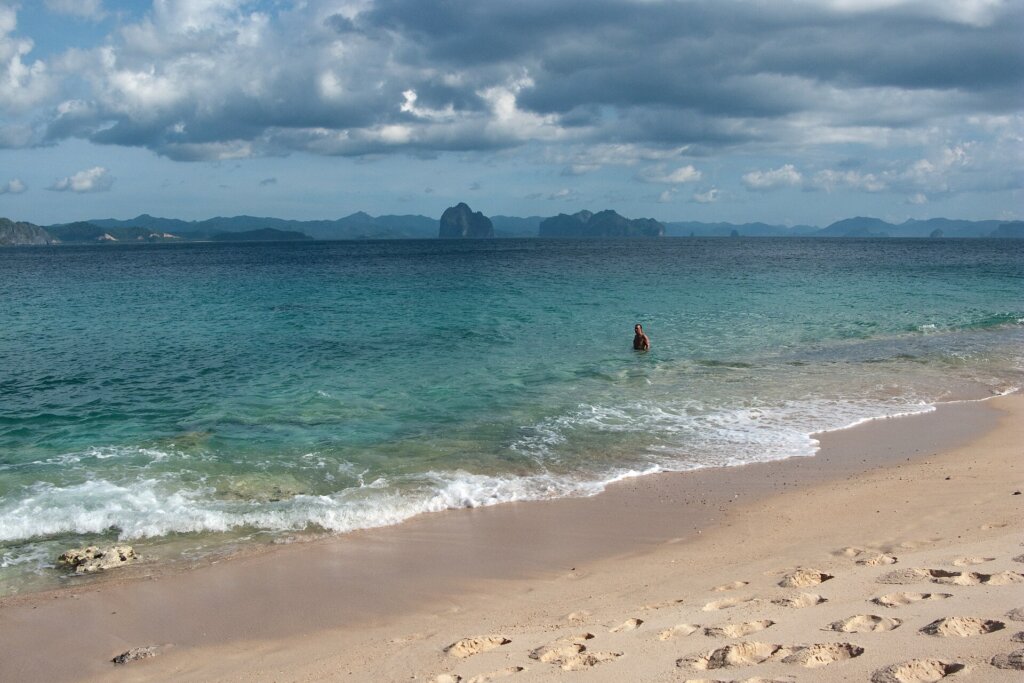
El Nido sits on the northern tip of Palawan, surrounded by the jagged karst islands of Bacuit Bay. That same limestone that makes the scenery famous is sharp, porous and often covered in barnacles. When you step off a bangka onto a beach at Small Lagoon, Secret Lagoon or Helicopter Island, the “sand” at the waterline is frequently a mix of broken shells, dead coral fragments and pebbles. Beaches that look powder-soft in photos can have a rocky entry strip only a few metres wide, and that is precisely where most people get scraped.
Add in the fact that island-hopping boats rarely dock at a pier. You climb down a narrow wooden ladder or jump off the outrigger into knee-deep or waist-deep water, then wade ashore. Your footwear goes from dry to submerged to sandy within seconds, several times a day. Sneakers become heavy sponges, and cheap flip-flops float away or snap.
Finally, small cuts matter more in the tropics. Warm seawater and humid air slow healing, and minor coral scrapes can become infected if ignored. The CDC’s Philippines traveler page is a good reminder to keep wounds clean and to pack a basic first-aid kit. Good footwear is simply the cheapest way to avoid the problem altogether. If you want the full wardrobe picture, see our El Nido what-to-wear guide.
The Four Contenders at a Glance
Here is how the four common options compare across the situations you will actually face in El Nido. Scores are practical judgments based on typical conditions, not lab tests.
| Footwear | Boat entries & wading | Coral / rocky beaches | Hiking (Taraw, viewpoints) | Town & restaurants | Packability |
|---|---|---|---|---|---|
| Water shoes (mesh, thin sole) | Excellent | Good | Fair | Fair | Excellent |
| Sport sandals (strapped, e.g. river sandals) | Very good | Fair (open toes) | Very good | Very good | Good |
| Reef booties (neoprene, ankle-high) | Excellent | Excellent | Poor | Poor | Very good |
| Flip-flops | Poor (slip off) | Poor | Poor | Excellent | Excellent |
The short version: no single shoe wins everywhere. The good news is that the best two-pair combination costs little and fits in a daypack.
Water Shoes: The All-Round Island-Hopping Pick
Water shoes are lightweight, slip-on shoes with a mesh upper and a thin rubber sole. They drain quickly, dry in an hour or two in the sun, and grip reasonably well on wet boat decks. For the classic Tour A and Tour C routes, where you are in and out of the water six or seven times, they are the most practical choice for most people.
Strengths
- Closed toes. Protects against the most common injury: stubbing toes on submerged rocks.
- Snorkel-friendly. Most fit inside full-foot fins poorly, but they work with open-heel fins and you can snorkel in them if you are not using fins at all.
- Fast drying. You can wear them straight back to your guesthouse without squelching.
Weaknesses
- Thin soles. Sharp limestone can still be felt, and a determined sea urchin spine can go through cheap versions.
- Sand gets in. The mesh traps fine sand, which can rub the tops of your feet raw after a full day. Rinse them at every stop.
- Not great for steep hikes. The low-profile sole lacks the traction and support needed for the climb up Taraw Cliff or the rocky scramble at some viewpoints.
Buying tip: choose a pair with a slightly thicker, lugged sole (4–6 mm) rather than the thinnest “barefoot” style. The small weight penalty is worth it on rough beaches.
Sport Sandals: Best for Travellers Who Hike and Explore Town
Strapped sport sandals with a contoured footbed and a rubber outsole are the most versatile single pair you can bring. They handle wading, hold firmly during boat ladders, and give real traction on trails. You can also wear them to dinner in town without looking like you just stepped off a boat.
They shine on land-based adventures: the walk to Nacpan’s quieter end, motorbike trips to waterfalls, and short hikes to viewpoints. If you plan the Taraw Cliff climb, note that the via ferrata-style route involves sharp karst; guides generally recommend closed shoes or sturdy sandals with good grip, never flip-flops.
The trade-off is open toes. On coral rubble beaches you need to watch your step, and you should not stand on any living coral anyway. Sandals also take longer to dry if they have padded straps, so pick a quick-dry webbing model.
Reef Booties: Maximum Protection, Minimum Versatility
Neoprene reef booties are what divers wear under open-heel fins. They cover the ankle, have a thicker sole, and give the best protection against rocks, barnacles and urchins. If you are doing a dive course or several days of diving, you will likely use booties supplied by the dive centre, but many people prefer bringing their own for hygiene and fit. PADI training materials recommend booties with open-heel fins for shore and boat entries.
For regular island hopping, booties are often overkill. They are hot to wear on the boat between stops, slow to dry, and uncomfortable for walking more than a few hundred metres. They make the most sense for:
- Divers and snorkelers who use open-heel fins.
- Travellers with sensitive feet, diabetes or circulation issues who need maximum protection from cuts.
- Kayakers exploring rocky coves where you will be dragging a kayak over stones.
Flip-Flops: Town Only, Never the Boat
Flip-flops (locally called tsinelas) are the default footwear of Palawan, and you will see guides wear them everywhere. That does not mean they are right for you. Guides have years of conditioning on the soles of their feet and know exactly where to step. Visitors do not.
On boats, flip-flops slip on wet decks and often come off when you jump into the water. Many a pair ends up floating out of the lagoon. On beaches with rocky entries they offer almost no protection. Keep them for walking around town, your guesthouse and smooth sandy beaches such as Las Cabañas or Marimegmeg at sunset. They are cheap to buy in El Nido town if you forget yours.
Our Recommended Combinations by Traveller Type
Based on common itineraries, these pairings cover nearly every situation without overpacking:
| Traveller type | Pair 1 | Pair 2 | Why |
|---|---|---|---|
| Classic island hopper (3–4 days) | Water shoes | Flip-flops | Covers boats and town at minimum weight |
| Active explorer (hikes, motorbike, waterfalls) | Sport sandals | Flip-flops | One pair handles trails, water and dinner |
| Diver or freediver | Reef booties | Sport sandals | Booties for fins, sandals for everything else |
| Family with young kids | Water shoes for kids | Sport sandals for adults | Kids are most prone to stubbed toes |
| Older travellers | Sport sandals with heel strap | Water shoes | Stability on ladders plus toe protection |
Travelling with children? Our El Nido family travel guide covers more on keeping little ones safe on boats. Seniors can find pacing tips in the El Nido for seniors guide.
Buying Footwear in El Nido vs Bringing Your Own
You can buy water shoes in El Nido town. Small shops along Calle Hama and Rizal Street, as well as convenience stores near the port, sell basic mesh water shoes and flip-flops, and some tour agencies rent or sell them. Expect simple designs and limited sizes, especially for larger feet (EU 44+ / US men’s 11+). Quality varies, and very cheap pairs can split at the seams within a few days.
If you have a specific size or need arch support, buy before you travel. Break them in on a few walks at home so you discover any rubbing spots early. Sport sandals in particular need a few days to mould to your feet.
Budget-wise, footwear is a small line item compared with tours and the environmental fee. See our El Nido budget guide for the full picture of daily costs.
Foot Care and Reef Etiquette
Whatever you wear, a few habits keep your feet and the reef in good shape:
- Rinse after every stop. A quick dunk and shake removes sand before it rubs.
- Never stand on coral. Even with booties, standing on live coral kills it. The NOAA overview of coral reef threats explains why physical contact is so damaging. Float instead of standing when snorkelling.
- Treat cuts immediately. Clean with fresh water and antiseptic, then keep the wound covered and dry when possible. Watch for redness, swelling or warmth. Our first aid and pharmacy guide lists where to restock supplies.
- Know what stings. Sea urchins and occasional jellyfish are the main hazards; read the El Nido jellyfish guide before peak months.
- Protect the tops of your feet from sun. Sandals leave stripes; apply reef-safe sunscreen, covered in our reef-safe sunscreen guide.
Protected areas in El Nido are managed under the Philippine protected areas framework administered by the DENR, which is why guides will ask you not to touch or step on marine life.
What About Sneakers and Hiking Boots?
Standard running shoes are useful if you plan serious hikes or long motorbike rides, but they are the wrong choice for boat days: they stay wet for a day or more in El Nido’s humidity and start to smell. If you already travel with trail-runners, bring them for land days only and pair them with water shoes for the boats.
Full hiking boots are rarely necessary. El Nido’s trails are short, and boots add bulk and weight to your bag. The exception is if El Nido is part of a longer Palawan trip that includes multi-day treks elsewhere.
Final Verdict
For most visitors, water shoes plus flip-flops is the lightest, cheapest combination that handles island hopping and town life. Active travellers should swap the water shoes for strapped sport sandals, and divers should add reef booties. Whatever you choose, test it before the trip, rinse it often, and remember that the best protection for both your feet and the reef is simply watching where you step.
Frequently Asked Questions
Do I really need water shoes for El Nido island hopping?
Not strictly, but they are strongly recommended. Many beaches have rocky or coral-rubble entry points, and boats usually drop you in the water rather than at a pier, so closed-toe water shoes prevent the most common cuts and stubbed toes.
Can I buy water shoes in El Nido town?
Yes. Shops in town and near the port sell basic water shoes and flip-flops, but sizes above EU 44 can be hard to find and quality varies, so bring your own if you have large feet or need support.
Are flip-flops okay for Tour A or Tour C?
They are fine on the boat for sitting, but they slip on wet decks, come off when you jump in, and give little protection on rocky beaches. Wear water shoes or strapped sandals for the stops.
What shoes should I wear for the Taraw Cliff climb?
Closed-toe shoes or sturdy strapped sandals with good grip. The limestone is very sharp, so thin water shoes and flip-flops are not suitable.
Are reef booties worth bringing if I am not diving?
Usually not. They are hot and awkward for walking. They are worth it for divers using open-heel fins, kayakers on rocky coves, or travellers who need maximum foot protection.