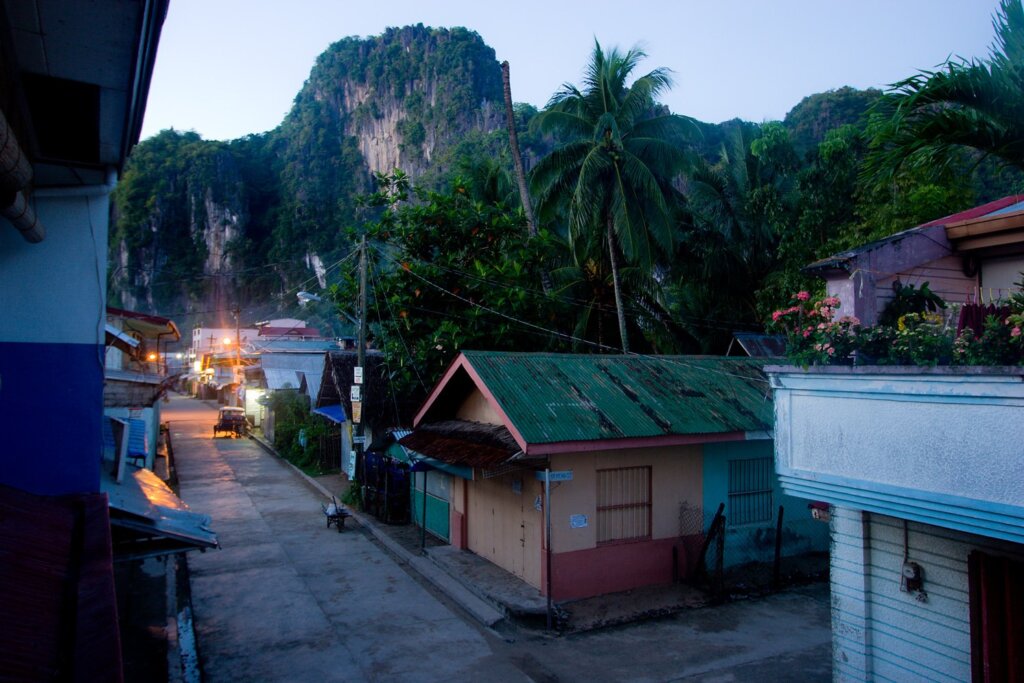

This guide focuses on wheelchair-accessible and mobility-limited travel in El Nido specifically for disabled travelers, seniors, and their companions who worry that a rugged island destination is out of reach. El Nido is undeniably a challenging environment for accessibility — unpaved paths, boat-only beaches, and few purpose-built facilities — but with honest planning, the right accommodation, and realistic expectations, many of its wonders are still within reach. This is a frank, practical look at what works, what does not, and how to make an El Nido trip possible.
- An Honest Accessibility Reality Check
- Getting There: Flights and Transfers
- Choosing Accessible Accommodation
- Island Hopping With Mobility Limitations
- Accessible-Friendly Alternatives to Boat Days
- Practical Essentials on the Ground
- Traveling With a Companion or Assistant
- Resources and Planning Support
- Best Time to Visit for Easier Conditions
- Dining and Getting Around Town
- Setting Expectations for a Rewarding Trip
- Frequently Asked Questions
An Honest Accessibility Reality Check
Let us be upfront: El Nido was not designed with wheelchair users in mind. Sidewalks are uneven or absent, many streets are unpaved, ramps are rare, and the signature attractions — lagoons and island beaches — are reached by boats you must board from the water or a beach. That said, “difficult” is not “impossible.” Travelers with mobility needs do visit and enjoy El Nido every year. Success comes from choosing the right base, traveling with a capable companion, and prioritizing the experiences that suit your mobility rather than expecting full access everywhere.
Getting There: Flights and Transfers
Most accessible-focused itineraries start by minimizing hard transfers. Flying into nearby Lio Airport shortens the overland journey dramatically compared with the long road transfer from Puerto Princesa. If you do come via Puerto Princesa, the multi-hour van ride on winding roads is taxing for anyone with mobility or health concerns — private vehicle hire with space and rest stops is far more comfortable than a shared van. Arrange airport assistance in advance, and confirm vehicle type and transfer times with your provider before booking.
Choosing Accessible Accommodation
Your hotel choice matters more than anything else in El Nido. Look for properties on flatter, central ground to reduce the distance over rough terrain, ground-floor rooms (many small hotels lack elevators), step-free or ramped entries, and bathrooms with space and grab bars — though true roll-in showers are uncommon. Because listings rarely detail accessibility accurately, contact hotels directly and ask specific questions: doorway widths, steps at the entrance, bathroom layout, and distance from the road. A well-chosen base makes daily life manageable even where the wider town is not.
| Experience | Accessibility | Notes for Mobility-Limited Travelers |
|---|---|---|
| El Nido town center | Difficult | Uneven, unpaved streets; flat but rough |
| Beachfront dining | Moderate | Some step-free terraces; sand is the barrier |
| Island-hopping boats | Very difficult | Wet boarding; needs strong assistance |
| Private van tours | Good | Scenic viewpoints reachable by road |
| Sunset viewing | Good | From accessible terraces & cruises |
| Resort pools | Varies | Some have gradual-entry pools |
Island Hopping With Mobility Limitations
Island-hopping is El Nido’s marquee activity, and it is also the hardest to access. Boarding a bangka boat usually means wading through shallow water or stepping over the hull, and disembarking onto beaches is the same in reverse. For wheelchair users this requires strong, willing assistance and a tolerance for being carried short distances — something only you can judge as acceptable. A practical alternative is a private chartered boat, where the crew can move at your pace, choose easier landing spots, and skip stops that do not work for you. Private charters cost more but transform the experience from stressful to feasible. Always prioritize safety, and read our El Nido safety guide for water-safety context that matters doubly for travelers with limited mobility.
Accessible-Friendly Alternatives to Boat Days
You do not have to be on a boat to enjoy El Nido. Consider these road- and terrace-based experiences that are far more manageable:
Private van tours to scenic viewpoints let you take in the karst landscape without boarding a boat. Beachfront restaurants and bars with terraces offer the bay views and sunsets El Nido is famous for from a seated, step-free vantage. A sunset dinner cruise on a larger, more stable vessel can be more accessible than a small island-hopping bangka — ask operators about boarding. And simply basing yourself at a comfortable resort with pool and sea views turns downtime into a genuine highlight rather than a compromise.
Practical Essentials on the Ground
Bring what you rely on: El Nido has very limited medical and mobility-equipment resources, so pack spare parts, a basic repair kit for your chair, and ample medication. Cash is essential — ATMs are few and can be empty, and accessible-friendly private services often want cash. A reliable connection helps you coordinate assistance and transfers, so consider a local SIM; see our El Nido SIM card guide. Everyone entering El Nido pays the environmental fee, so factor it in via our fee guide. Confirm every service’s specifics in advance rather than assuming.
Traveling With a Companion or Assistant
For most wheelchair users, El Nido is realistic with a capable travel companion or hired assistant and much harder solo. A companion can manage rough terrain, help with boat boarding, and handle the many small logistical hurdles that a less-developed destination presents. Some travelers arrange a local guide or assistant for tour days specifically to provide the physical support that boats and beaches require. Being honest with yourself about the level of help you will need — and arranging it before arrival — is the single biggest factor in a smooth trip.
Resources and Planning Support
General accessible-travel organizations offer useful frameworks even where destination-specific info is thin. Communities and directories such as those referenced by accessible tourism resources, plus disability-travel networks like SATH, help you prepare questions and set expectations. For destination logistics and current transport details, the official Philippine Department of Tourism is a starting point, though you should always confirm accessibility specifics directly with individual hotels and operators.
Best Time to Visit for Easier Conditions
Season affects accessibility more than most travelers expect. The dry season, roughly December to May, brings firmer ground underfoot, calmer seas that make any boat transfer safer and steadier, and fewer sudden downpours that turn unpaved paths to mud. For mobility-limited visitors, these conditions meaningfully reduce the physical difficulty of getting around. The wet season, by contrast, adds slippery surfaces, rougher water, and the risk of canceled plans — challenges that compound existing mobility hurdles. If you have flexibility, target the heart of the dry season and avoid the wettest months. Cooler, drier conditions also make the tropical heat — itself a factor for many travelers with health concerns — more bearable.
Dining and Getting Around Town
El Nido’s compact center means many restaurants and shops sit within a short distance, but “short” still involves rough, often unpaved ground. Tricycles are the default local transport; they are not wheelchair-adapted, but a folding chair can often be stowed with help for short hops that spare you the roughest stretches. When choosing where to eat, favor beachfront and ground-level venues with step-free terraces, and call ahead to confirm entry. Sampling the local food is one of El Nido’s great pleasures regardless of mobility — our El Nido delicacies guide points you to dishes worth seeking out at accessible spots. A relaxed pace, with meals and rest built into each day, suits both the terrain and the climate.
Setting Expectations for a Rewarding Trip
The travelers who most enjoy El Nido despite its accessibility gaps are the ones who plan around their needs rather than fighting the destination. That might mean two lagoon-free days of terrace sunsets and a private van viewpoint tour for every one ambitious boat charter, or basing the whole trip at a comfortable resort and treating the sea as a backdrop rather than a daily activity. Approached this way, El Nido rewards mobility-limited visitors with the same jaw-dropping scenery everyone comes for — experienced on terms that work for you.
Frequently Asked Questions
Is El Nido wheelchair accessible?
Only partially. El Nido has uneven, often unpaved streets and boat-only attractions with few accessible facilities. It is challenging but possible with the right accommodation, a companion, and realistic planning.
Can wheelchair users go island hopping in El Nido?
It is very difficult but not impossible. Boarding bangka boats requires wading and strong assistance; a private chartered boat is the most feasible option and lets the crew work at your pace.
What is the easiest way to reach El Nido with mobility limitations?
Flying into nearby Lio Airport minimizes the long, taxing overland transfer. If arriving via Puerto Princesa, hire a private vehicle rather than a shared van.
Are there accessible things to do besides boats?
Yes. Private van tours to viewpoints, step-free beachfront terraces for sunset, stable sunset dinner cruises, and comfortable resorts all offer El Nido’s beauty without boarding a small boat.
Should I travel to El Nido with a companion?
For most wheelchair users, yes. A capable companion or hired assistant makes rough terrain, boat boarding, and daily logistics far more manageable than traveling solo.