
Is El Nido safe for tourists? This guide focuses on safety specifically for first-time visitors and solo travelers heading to Palawan in 2026 — covering petty crime, water and boat safety, health risks, and scams, rather than generic “the Philippines is fine” reassurance. El Nido is a small, tourism-dependent town where the biggest risks are usually the sea and the roads, not other people. Here is exactly what to watch for and how locals and repeat visitors stay out of trouble.
- The Short Answer: How Safe Is El Nido Really?
- Petty Crime and Theft: What to Expect
- Island-Hopping and Water Safety
- Road Safety and Getting Around
- Health, Water, and Medical Care
- Scams and Overcharging
- Is El Nido Safe for Solo and Female Travelers?
- Emergency Numbers and Practical Prep
- Nightlife and Alcohol Safety
- Safety by Season
- Protecting Valuables on Island-Hopping Days
- What to Do If Something Goes Wrong
- Frequently Asked Questions
The Short Answer: How Safe Is El Nido Really?
El Nido is considered one of the safer destinations in the Philippines for foreign tourists. Violent crime against visitors is rare, and the town’s economy depends almost entirely on tourism, which gives the community a strong incentive to keep travelers comfortable. That said, “safe” does not mean “risk-free.” The dangers here are overwhelmingly practical: strong currents on island-hopping tours, unlit roads at night, motorbike accidents, and the occasional overcharging or petty theft in crowded areas.
Most travelers who run into trouble do so because they underestimated the sea, rented a scooter without experience, or ignored basic precautions with valuables. Treat El Nido the way you would any small beach town: relaxed but attentive.
Petty Crime and Theft: What to Expect
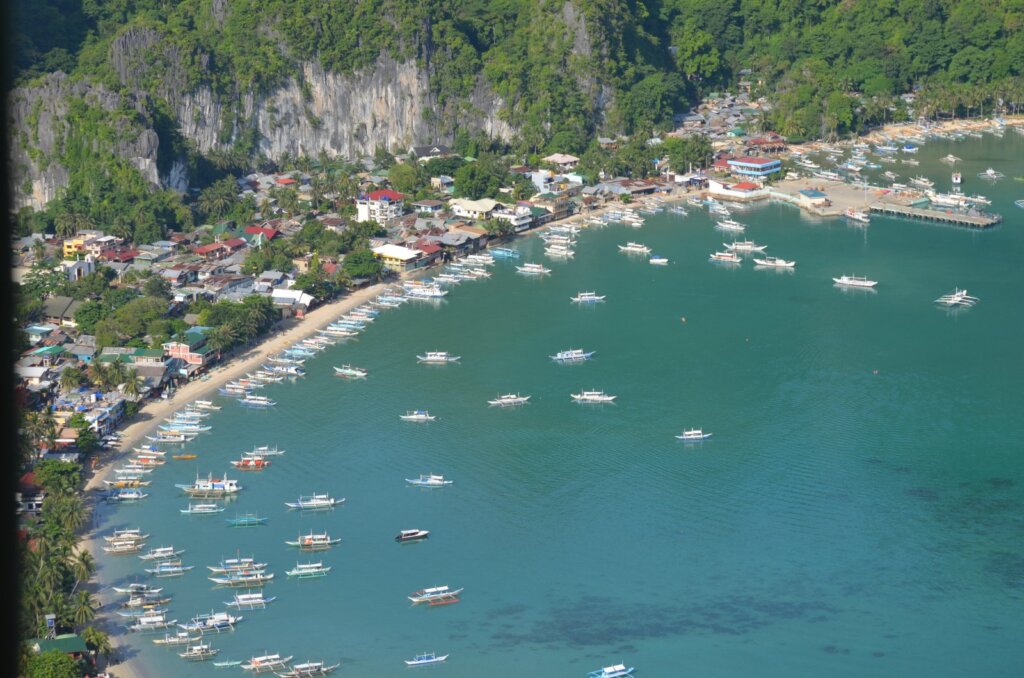
Pickpocketing and bag-snatching are uncommon but not unheard of, especially around the crowded Bacuit Bay beachfront, the market, and busy bars at night. Opportunistic theft — a phone left on a beach towel, an unlocked hostel locker — is the most likely issue you will face.
Practical habits go a long way: use the safety deposit or locker at your accommodation, carry only the cash you need for the day, and keep your phone in a zipped pocket on boats where it can easily slide overboard or get splashed. If you are traveling on a tight budget and staying in shared dorms, bring your own padlock. Our El Nido budget backpacker guide covers hostel security in more detail.
Island-Hopping and Water Safety
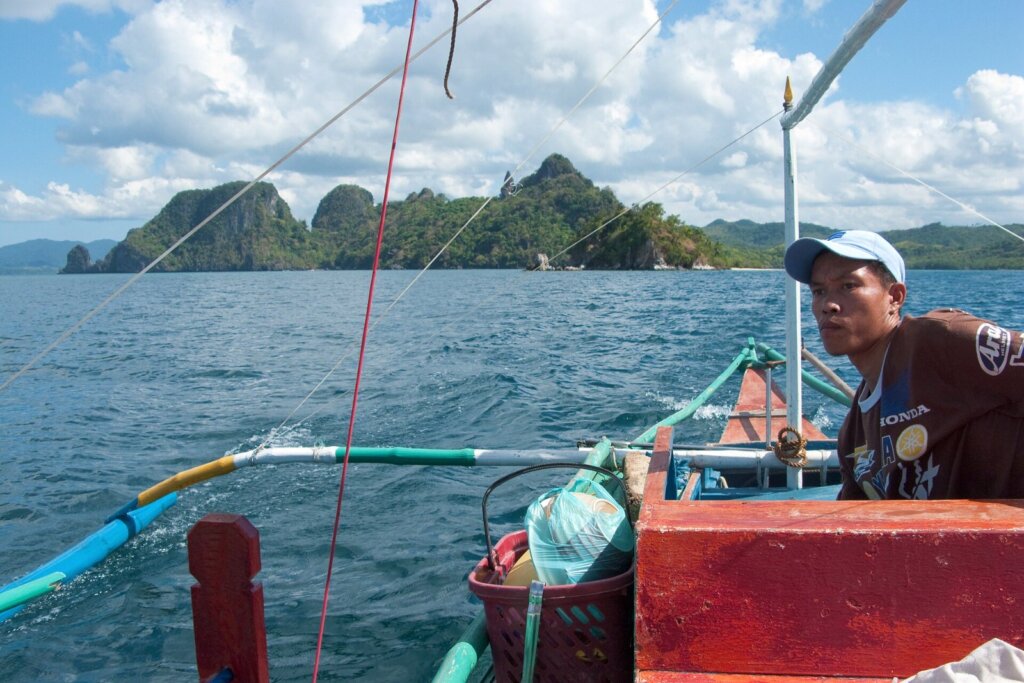
The single most important safety topic in El Nido is the water. Tours A, B, C, and D take you across open bay to lagoons, snorkeling sites, and beaches on wooden bangka boats. Conditions are usually calm in the dry season but can change quickly.
Always wear the life vest provided, even if you are a strong swimmer — currents around the limestone islands and lagoon entrances can be deceptively strong. Listen to your boat crew; they know which spots are safe on a given day. If you plan to snorkel independently, check with your guide first. For reef-heavy trips like the mangrove and lagoon tours, water shoes protect against sharp coral and sea urchins.
Weather matters enormously. During the rainy season and when the coast guard suspends tours, do not pressure operators to sail anyway — suspensions exist for good reason. The Philippine weather service PAGASA publishes storm and typhoon warnings worth checking before you book a boat day.
Road Safety and Getting Around
More tourists are hurt on scooters in Palawan than by any other cause. Roads in and around El Nido are narrow, poorly lit, and shared with tricycles, dogs, and pedestrians. If you have never ridden a motorbike, El Nido is not the place to learn.
If you do rent, always wear a helmet, avoid riding at night, and never ride after drinking. Tricycles are the standard and affordable way to get around town and to nearby beaches like Nacpan — agree on the fare before you set off.
| Risk | Likelihood | Severity | How to Reduce It |
|---|---|---|---|
| Strong currents on tours | Moderate | High | Wear life vest, follow crew, check weather |
| Scooter accident | Moderate | High | Helmet, no night riding, skip if inexperienced |
| Petty theft | Low-Moderate | Low | Use lockers, carry minimal cash |
| Overcharging / scams | Moderate | Low | Agree prices upfront, use official fees |
| Sunburn / dehydration | High | Low-Moderate | Reef-safe SPF, water, shade breaks |
| Stomach illness | Moderate | Low | Bottled water, busy food stalls |
Health, Water, and Medical Care
El Nido has clinics for minor issues, but serious medical emergencies may require transfer to Puerto Princesa (five to six hours away) or Manila. Travel insurance that covers island evacuation is strongly recommended. Bring a basic first-aid kit and any prescription medication you need, since pharmacy stock can be limited.
Tap water is not reliably safe to drink — stick to bottled or filtered water, and be cautious with ice at very cheap stalls. Mosquito-borne illness (dengue) exists in Palawan, so pack repellent, especially at dusk. For general health context, the CDC’s Philippines travel health page lists recommended vaccinations and precautions.
Sun and Reef Safety
The tropical sun is intense. Reef-safe sunscreen protects both your skin and the coral ecosystems you came to see; ordinary sunscreens are increasingly discouraged. Reapply after swimming and take shade breaks between snorkeling stops.
Scams and Overcharging
Outright scams are rare, but overcharging happens. Common ones include inflated tricycle fares for tourists, “sold out” tours steering you to pricier operators, and unofficial “fees.” The legitimate cost you must pay is the El Nido Environmental and Tourism Development Fee — see our environmental fee guide so you know the official amount and are not charged extra.
Booking tours through your accommodation or an established operator reduces friction. Agreeing on prices before service — boats, tricycles, massages — prevents almost all disputes.
Is El Nido Safe for Solo and Female Travelers?
Yes. El Nido is a popular stop on the backpacker trail and solo travelers, including solo women, are common and generally report feeling comfortable. Standard precautions apply: watch your drink at bars, arrange transport back to your accommodation after dark rather than walking unlit roads alone, and trust your instincts. Our dedicated solo female travel guide goes deeper on this. For official guidance, many travelers cross-check their government advisories, such as the U.S. State Department Philippines page.
Emergency Numbers and Practical Prep
Save your accommodation’s contact and location offline, note the nearest clinic, and keep a copy of your passport separate from the original. Mobile signal can be patchy on the islands, so download offline maps before tour days. A local SIM helps — see our El Nido SIM card guide.
Nightlife and Alcohol Safety
El Nido’s bar scene is lively but low-key compared with party islands. The main safety points around nightlife are ordinary ones: pace your drinking in the heat, keep an eye on your drink, and do not accept rides from strangers. Dehydration plus alcohol plus sun is a common cause of feeling unwell here, so alternate drinks with water. If you are heading out to bars along the beachfront, leave expensive valuables at your accommodation and carry just enough cash for the night.
Walking back to your room after midnight is usually fine in the town center, but roads on the outskirts are dark and uneven. A short tricycle ride is cheap insurance against a twisted ankle or worse.
Safety by Season
When you visit changes your risk profile more than most travelers realize. The dry season, roughly December through May, brings calm seas and reliable island-hopping — the safest window for boat tours. The wet season, June through November, brings heavier rain, rougher water, and occasional typhoons that can cancel tours and ferries for days.
Traveling in shoulder months means checking forecasts daily and building buffer days into your itinerary so a canceled boat day does not derail your trip. Never treat a coast guard suspension as an inconvenience to argue around; it reflects real sea conditions. For a month-by-month breakdown of weather and crowds, our seasonal planning resources help you pick the safest and most comfortable window.
Protecting Valuables on Island-Hopping Days
Boat tours are where phones, cameras, and cash are most at risk — not from theft, but from water. Bangka boats have open decks, gear gets splashed, and items slide off benches when the boat rocks. A dry bag is the single best purchase you can make in El Nido; most shops sell them cheaply.
Keep your passport and the bulk of your cash locked at your accommodation and take only a photocopy plus the day’s spending money on tours. Waterproof phone pouches let you photograph the lagoons without risking your device. If you wear a smartwatch or jewelry, consider leaving it behind — lost items rarely resurface from the seabed.
What to Do If Something Goes Wrong
If you are the victim of theft, report it to the local police for your insurance claim and notify your accommodation, who can help you navigate the process. For medical issues, head to the nearest clinic; staff can advise whether transfer to Puerto Princesa is needed. Keep your insurer’s emergency line saved offline. In a genuine emergency at sea, your boat crew and operator are your first line of contact, and the Philippine Coast Guard coordinates rescues in Bacuit Bay.
Above all, keep perspective: the overwhelming majority of El Nido trips pass without incident. Preparation is about turning a rare bad moment into a manageable one.
Frequently Asked Questions
Is El Nido safe to visit in 2026?
Yes. El Nido remains a safe, tourism-focused destination. The main risks are water conditions on tours and road accidents, not crime. Standard travel precautions are enough for most visitors.
Can you drink the tap water in El Nido?
No. Tap water is not reliably potable. Drink bottled or filtered water and be cautious with ice at very cheap stalls.
Is island hopping in El Nido dangerous?
It is generally safe when you wear a life vest, follow your crew, and respect weather suspensions. Currents around lagoons can be strong, so never ignore safety instructions.
Is El Nido safe for solo female travelers?
Yes. Solo women travel here regularly and generally feel comfortable. Take normal precautions after dark and arrange transport rather than walking unlit roads alone.
Do I need travel insurance for El Nido?
It is strongly recommended. Serious medical cases may require evacuation to Puerto Princesa or Manila, so insurance covering island evacuation is wise.