
Every traveler to Palawan has a finite budget, and the trick is knowing which items repay extra spending and which only drain your wallet. This guide focuses on splurge-versus-save decisions specifically for mid-budget travelers who can afford a few treats but do not want to overspend across a five-day trip. We rank the main categories, from boat tours and rooms to meals, transport and gear, and explain why some upgrades transform a trip while others barely register once you are in the water.
The Core Principle: Spend Where Memory Is Made
Think about what you will still remember a year from now. For most visitors it is the lagoon at mid-morning, a quiet beach, a sunset from a good vantage point and a few memorable meals. Almost nobody remembers the thread count of their sheets or the brand of their tricycle. That suggests a simple rule: put extra money into experiences that depend on the environment, such as tour quality, group size and timing, and trim spending on things that are interchangeable.
A second principle is that some savings cost more than they appear. A very cheap tour that crowds twenty people onto one boat may deliver the same lagoons, but you share every viewpoint with a crowd. Likewise, a very cheap room far from town may add daily transport costs and lost hours that erase the saving. Always compare total value, not the sticker price.
Finally, remember that every traveler values different things. A diver might happily spend on boat time and cut the hotel budget, while a couple might do the reverse. Use the lists below as a starting framework rather than a rulebook.
Where to Splurge
Private or Small-Group Island Tours
If you pick only one thing to upgrade, make it your island-hopping. Private boats and small-group options let you start earlier, linger where you like and avoid the midday rush at the busiest lagoons. Because the best light and calmest water usually arrive in the first hours of the day, an early departure can change the entire feel of a tour. Shared tours remain good value, but the experience varies with the crowd and the weather.
Our El Nido versus Coron comparison shows how tour structure differs between the two destinations, which helps if you are choosing where to spend a limited budget. Whatever you book, confirm what is included and the environmental fees, and use operators that provide life jackets and follow the posted rules.
One Memorable Stay Night
You do not need to book a luxury room for the whole trip. Many travelers reserve a single night in a standout property, ideally the final night, then spend the rest of the trip in simpler rooms. This gives you a high point to anchor the trip without multiplying the cost. Look for a place with a view, a pool or direct beach access, then spend the evening there rather than rushing out to dinner. See our homestay versus hotel comparison to judge where each type of stay delivers the best value.
A Special Dinner and a Sunset
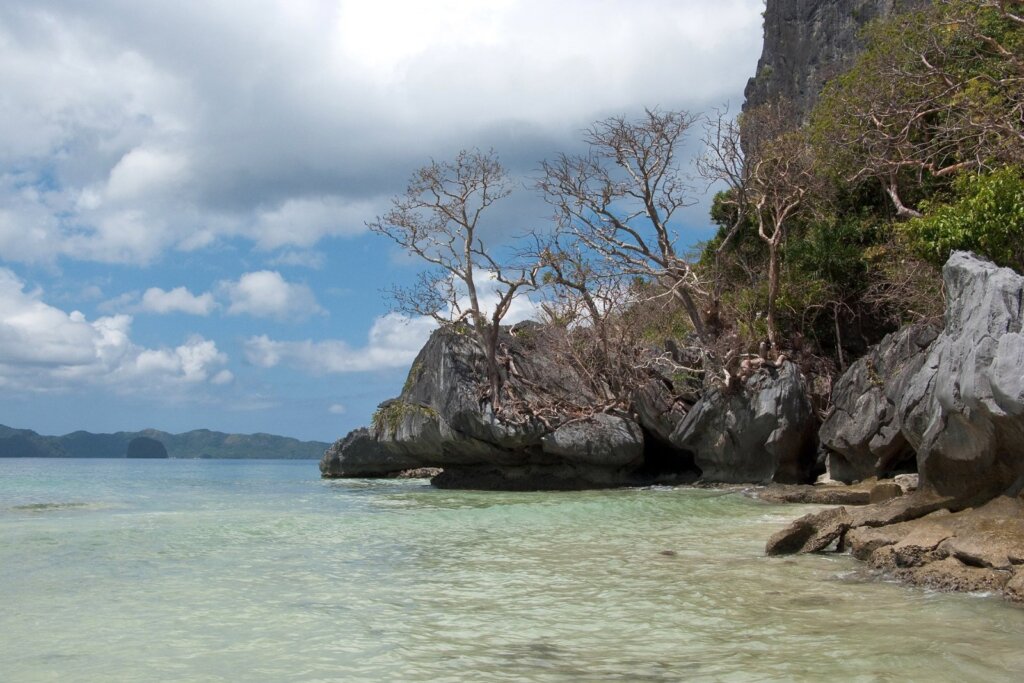
Food in town ranges from inexpensive local dishes to refined seafood dinners. Rather than spreading money across every meal, plan one standout dinner, ideally a seaside table at sunset when the bay turns gold. Book ahead in peak season, since the best tables fill quickly. For one memorable evening, pay for the view and the freshness of the catch, then eat simply on other nights.
A Dive or Snorkel Upgrade
Underwater visibility and a patient guide are worth real money. If you dive, a guided day with a small group and a briefing on reef etiquette gives far more than a rushed trip with a large boat. If you only snorkel, consider paying for a well-fitting mask and a guide who knows where the calm, clear spots are on that particular day. Good guides read tide, wind and current, and that knowledge turns a decent outing into a very good one. Ask how many guests each guide handles and whether the operator uses mooring buoys instead of dropping anchors on coral, a sign of responsible practice.
Where to Save
Accommodation You Barely Use
If you leave at dawn for tours and return at dusk, a basic clean room with air conditioning and a good lock is enough. Spending heavily on facilities you will not enjoy is the most common budget leak. Check recent reviews for cleanliness, noise and water pressure rather than for amenities, and choose location over luxury if the property is within walking distance of the pier. A modest room also makes it easier to stretch your stay by an extra night.
Everyday Meals, Transport and Gear
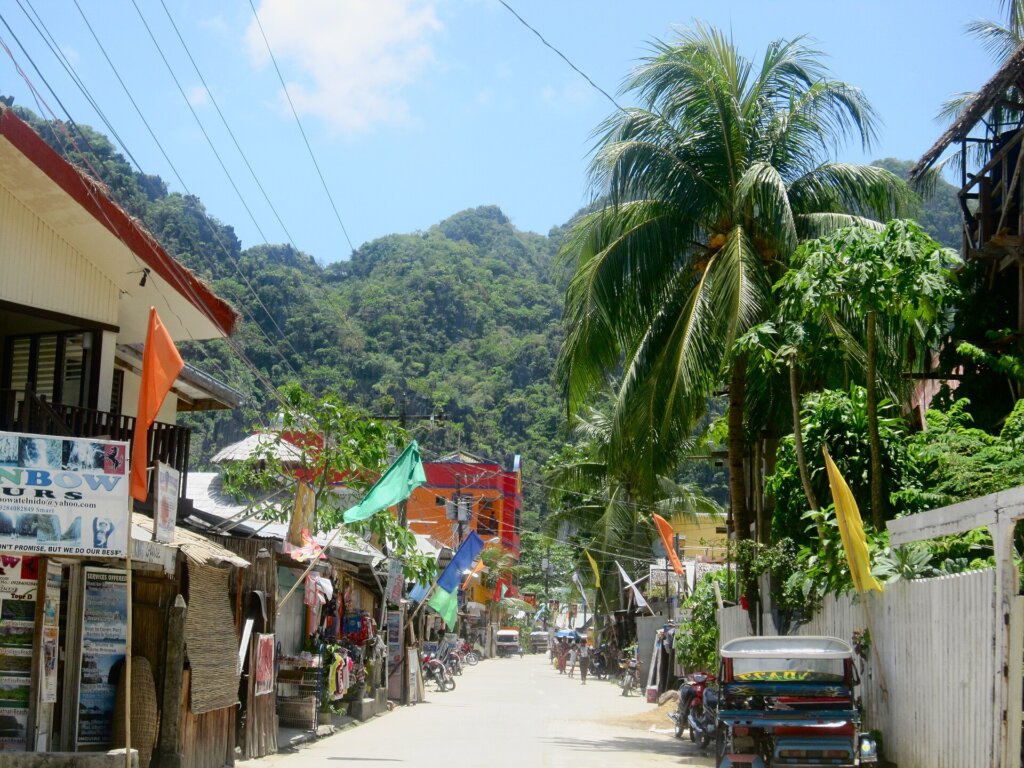
Local eateries, bakeries and market stalls deliver tasty meals at a fraction of tourist-menu prices, and you will not notice the difference at lunch. For transport, short tricycle rides can be shared with other travelers, and walking is often faster in town. Pack a refillable bottle and reef-safe sunscreen instead of buying them at tourist prices; our El Nido packing list covers the items worth bringing from home. Rent snorkel gear only if you do not own a mask, since fit matters and cheap rentals vary in quality.
Souvenirs, Add-Ons and Impulse Buys
Beachfront stalls and boat vendors sell pearl-style jewelry, printed shirts and trinkets that look appealing in the moment and gather dust at home. Decide in advance how much you will spend on souvenirs and stick to it. Local snacks and food items travel better and cost less than novelty goods, and they support small producers. Add-ons such as extra drinks on a boat, photo packages and paid viewpoints can quietly double the cost of a day, so ask what is included before you agree and say no politely when you do not want something.
Splurge vs Save Comparison Table
| Category | Verdict | Why |
|---|---|---|
| Island-hopping tour | Splurge | Smaller groups and earlier starts improve every stop |
| One standout hotel night | Splurge | Creates a trip highlight without a huge total cost |
| Sunset dinner | Splurge | View and fresh catch justify the premium |
| Everyday room | Save | You spend very few waking hours there |
| Daily meals | Save | Local eateries offer excellent value |
| Tricycles and short rides | Save | Share rides or walk in town |
| Gear rentals | Mixed | Bring your own mask, rent the rest |
Money Mechanics: Cash, Fees and Surprises
Wherever you economise, do not be caught short on cash. Many small businesses accept cash only, and machines in town can run empty during busy periods, so withdraw before you need it. Our ATM and cash guide explains the practical steps. Check the current guidance from the Philippine Department of Tourism for visitor information, and note that environmental or entrance fees are usually separate from tour prices. Keeping a small reserve for tips, fees and surprises prevents stress later in the trip.
Sample Budget Split for a Five-Day Trip
A balanced plan might devote the largest share of the budget to tours and experiences, a moderate share to lodging and a smaller share to meals and transport. For example, you could book two guided or small-group island days, one casual self-guided beach day, one night in a nicer property and two simple nights elsewhere. Adjust the ratio to match your priorities: divers may shift money toward equipment and boat time, while relaxers may prefer a better room. Whatever the split, writing the plan down before you travel makes it easier to resist impulse purchases. The PAGASA forecast can also guide which day to schedule your priciest tour, since good weather matters most when you are paying most.
Common Budget Mistakes to Avoid
The most frequent errors are booking too little time, overpaying for last-minute tours in peak season, ignoring weather and underestimating small costs. A tight schedule leaves no room for a rain day, which forces you to rebook at higher prices. Booking everything at the last minute removes your bargaining power, while ignoring the forecast can waste a pricey tour on rough water. Small recurring costs such as bottled water, tricycle rides and snacks add up faster than people expect, so track them for the first two days and adjust. Finally, remember that protecting the environment is also good for your wallet: fines and damage fees apply if you break local rules, and the DENR and local authorities enforce regulations in protected areas. Following the rules costs nothing and keeps the destination worth visiting.
One more habit worth adopting is a short daily check-in with yourself: what did I spend, what did I enjoy most, and what could I skip tomorrow? Travelers who ask this simple question tend to finish the trip with money left over for one more treat, such as a second island day or a farewell dinner. Flexibility is the real luxury, because it lets you say yes to a good opportunity, like a calm-weather boat slot, without worrying about the bill.
Frequently Asked Questions
What is the single best thing to splurge on in El Nido?
For most travelers it is a private or small-group island-hopping tour, because timing and crowd size shape the whole experience.
Can I visit El Nido on a tight budget?
Yes. Simple rooms, local meals, shared tours and walking keep costs down, though you should still budget for entrance fees and boat tours.
Is it worth paying more for a hotel with a pool?
Only if you will use it. If you are out on boats all day, a basic room is usually better value.
Should I book tours in advance?
In peak months, yes, especially private boats. In quieter periods you can often arrange tours locally and compare options.
How much cash should I carry?
Carry enough for several days of small purchases, since cash is widely needed and machines can run out during busy periods.