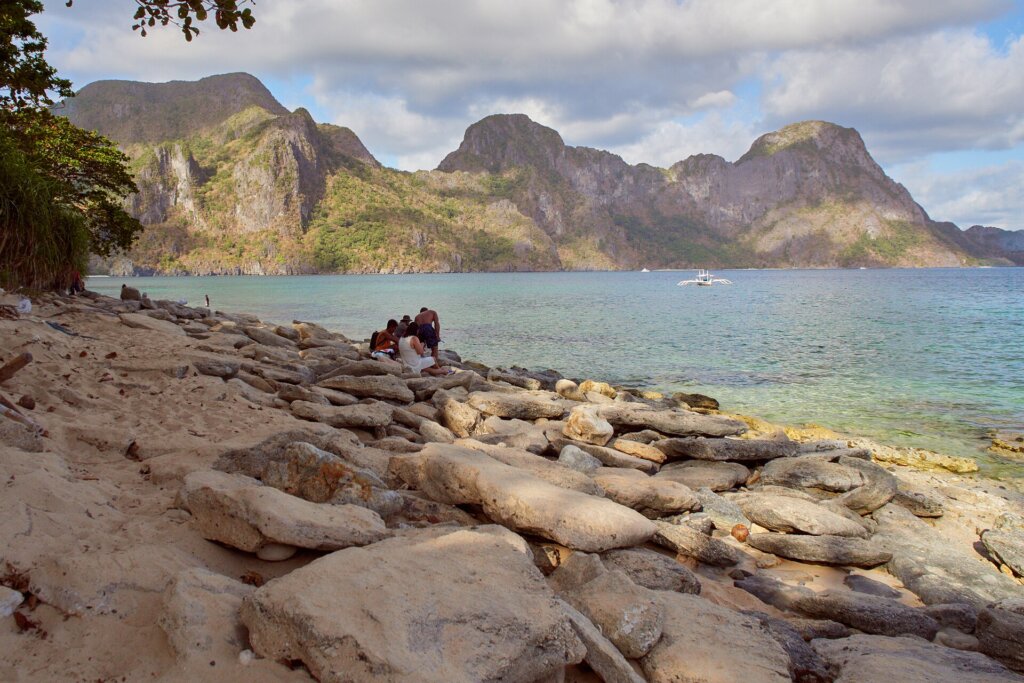
Island hopping is the highlight of El Nido, but a standard tour of seven or eight hours can unravel quickly with a tired two-year-old. This guide focuses on tour scheduling specifically for parents travelling with toddlers aged roughly one to three, built around naps, snacks, shade and safe boat time. You will find ways to shorten tours, choose calmer routes, pack smartly and keep your own sanity, plus a sample day you can adapt to your child’s rhythm.
- Why Standard Island Tours Are Hard on Toddlers
- Private Boat, Shared Tour or Land Day?
- Best Timing Around Naps and Heat
- Choosing Stops and Routes That Suit Little Ones
- Boat Safety Checklist for Parents
- Sun, Heat, Water and Food
- What to Pack: A Toddler Tour Kit
- Questions to Ask Before You Book
- Choosing Where to Stay With a Toddler
- Handling Meltdowns, Sleep and Tummy Troubles
- A Sample Toddler-Friendly Day
- Frequently Asked Questions
Why Standard Island Tours Are Hard on Toddlers
A typical shared tour leaves in the morning, makes four or five stops and returns in the late afternoon. For a toddler that means long periods in the sun, little control over nap time, limited toilet options and crowded boats. Add choppy water or a lunch served late and you have the ingredients for a meltdown. None of this means you should skip the islands. It means choosing the format and timing deliberately.
Start by knowing your child’s usual pattern. If your toddler naps for two hours after lunch, plan for the boat or a shaded beach to double as the bedroom. If your child skips naps but gets overtired, build quiet pauses into the route rather than rushing from stop to stop.
Private Boat, Shared Tour or Land Day?
The biggest decision is boat format. Shared tours are cheaper but run on the group’s schedule. Private boats cost more, yet you control the departure time, stops and pace. Our private boat charter guide explains how to arrange one, and splitting a private boat cost shows how to share the price with another family.
| Format | Pros for toddlers | Cons | Best for |
|---|---|---|---|
| Shared tour | Lowest cost, social | Fixed timing, crowded, limited shade | Older toddlers who nap on the move |
| Private boat | Flexible stops, own pace, own snacks | Higher cost | Most families with under-threes |
| Half-day private trip | Short, fits one nap | Fewer stops | Babies and 1-year-olds |
| Land-based beach day | No boat, easy exits | Less variety | Rough-sea days or very young children |
If you are unsure, start with a half-day private trip to test how your child handles the boat before committing to a full day.
Best Timing Around Naps and Heat
Heat and glare peak late morning to mid-afternoon. A common strategy is leaving soon after breakfast, being at a shaded beach by the time the sun is strongest, and heading home around the usual nap block. If your toddler naps well on the move, schedule the longest boat leg during sleep so waking time is spent at the stops. If naps are fragile, book a late-morning departure after the first nap and return before the evening wind-down.
Check the outlook before you commit; the PAGASA forecasts and operator updates help avoid rough days. Our guide to morning versus afternoon island hopping compares the light and sea conditions at each time of day.
Choosing Stops and Routes That Suit Little Ones
Pick stops with gentle entries and shade. Wide sandy beaches with shallow water are easier than rocky shores or sites needing long swims. Lagoon visits often involve ladders or steps, kayaks and variable depths, so decide which are worth the effort. A short, relaxed route with two or three stops usually beats a packed one with six. Ask the crew about steps on and off the boat, tide levels and toilet availability before you finalise.
If your toddler is curious about marine life, a calm shallow snorkel with a parent in arm’s reach can be a highlight. Use a well-fitting child-size life vest rather than a swim ring, and never leave a toddler unattended near water, even for a moment.
Boat Safety Checklist for Parents
- Insist on a properly fitted child life jacket. If the operator has no toddler size, bring your own.
- Keep your toddler seated or held while the boat is moving, especially when boarding from a beach.
- Confirm the boat has a canopy for shade and a first-aid kit.
- Ask about emergency contact methods and a return plan if the child becomes unwell.
- Avoid tours when the sea is rough; a sick toddler on a long ride is miserable and risky.
See our tips on avoiding seasickness on boat tours and adapt the suggestions to children. Consult a paediatrician before giving any medication to a young child.
Sun, Heat, Water and Food
Toddler skin burns quickly. Use a UV-protective rash guard, a wide-brim hat and shade, and apply reef-safe sunscreen as advised by your paediatrician. Offer water or milk regularly, since little ones dehydrate faster than adults in tropical heat. Bring familiar snacks, soft fruit, rice crackers and a spare bottle in a cool bag, because tour lunches are usually built for adults. Seafood and spicy dishes may not suit small children, so pack a plain meal.
Hand wash is rarely available on islands, so carry sanitiser and wet wipes. Check the WHO travel and health pages for general guidance on hydration and food safety.
What to Pack: A Toddler Tour Kit
A compact dry bag keeps the essentials together. Include spare clothes (two sets), nappies or a potty seat, wipes, a lightweight blanket for naps, a hat, a rash guard, favourite comfort toy, a small first-aid kit, and a towel. Add a foldable play mat or sarong to create a clean shaded spot on a beach. Bring a power bank and offline cartoons for transit, but try to keep screen time modest so the scenery stays interesting. For rainy changes of plan, our indoor and rainy day activities guide has options that work with small children.
Questions to Ask Before You Book
Before paying a deposit, send the operator a short message with your toddler’s age and nap time, then judge the reply. A good operator will answer specifically rather than saying everything is fine. Useful questions include: Do you have a child-size life vest? Is there a canopy covering the seats? How many guests share the boat? Can we start later or finish earlier? Where do we stop for toilets? What happens if my child becomes unwell and we need to return early? Is there a refund or reschedule for bad weather? Keep the replies for reference on the day.
Choosing Where to Stay With a Toddler
A short walk to the beach, a pool with shade and a room with a fridge make toddler travel far easier. Ground-floor rooms avoid stair risks, while a bath or shower with warm water helps with sandy, sunburnt kids. Read our hotels within walking distance of town and beach guide to find places where you can return mid-day for a nap without a long transfer. Ask about cots, high chairs, and whether the hotel can pack an early breakfast for tour mornings.
Handling Meltdowns, Sleep and Tummy Troubles
Even the best plan meets a tired toddler at some point. Keep a calm routine: offer water, move into shade, change their clothes if they are hot or wet, and let them rest on you rather than force play. Many families find that one big activity per day, followed by a quiet afternoon, works better than back-to-back outings. Pack a basic oral rehydration sachet in case of an upset stomach, and ask a doctor or pharmacist at home about what to carry. Know the location of the nearest clinic in El Nido town, and keep your hotel’s contact number on your phone. If your child has a fever, vomiting or signs of dehydration, skip the boat and seek medical advice.
Finally, protect your own energy. Share duties with a partner, accept help from crew who carry bags, and keep expectations modest. A short, happy morning on a quiet beach will make better memories than a long, stressful day chasing every lagoon.
A Sample Toddler-Friendly Day
| Time | Activity | Why it works |
|---|---|---|
| 7:30 | Breakfast and sunscreen at the hotel | Calm start before the heat |
| 8:30 | Private boat departs, first shallow beach | Energetic play while fresh |
| 10:30 | Snack and shaded sand play | Avoids peak sun |
| 12:00 | Early picnic lunch on the boat or beach | Matches usual toddler mealtime |
| 13:00 | Nap on the boat or under shade on the return leg | Uses travel time for rest |
| 14:30 | Back at the hotel pool or room | Quiet recovery before dinner |
If your child is unhappy at any point, shorten the day. Flexibility is the real secret to enjoying El Nido with a toddler.
Tell the crew your plan in the morning so they can time stops with your child’s mood, and keep a spare snack within reach for the return leg.
Above all, remember that your relaxed mood sets the tone for the whole family.
For official visitor guidance, see the Philippine Department of Tourism and DENR pages on protected areas and responsible tourism.
Frequently Asked Questions
At what age can toddlers go island hopping in El Nido?
There is no strict age, but many parents wait until a child can sit calmly in a life vest. Ask the operator about their child policy and always prioritise safety.
Should we book a private boat with a toddler?
Often yes. A private boat gives control over departure time, stops and naps, which makes the day easier.
How long should a toddler tour be?
Half-day trips of three to four hours suit most toddlers. Full days work only for children who nap well on the move.
What gear is essential?
A properly fitted child life vest, sun protection, spare clothes, snacks, water, wipes and a nap blanket.
Is it safe to snorkel with a toddler?
Only in calm, shallow water with a parent within arm’s reach and a properly fitted vest. Never leave a toddler unattended.
What if the sea is rough?
Skip the boat and choose a beach or indoor day. Rough seas are risky and uncomfortable for small children.