
El Nido is sold on its lagoons, but nobody warns you that the ride between them can leave you green. This guide focuses specifically on preventing and managing seasickness on El Nido island-hopping boats — for nervous first-timers, parents travelling with kids, and anyone who has felt queasy on a bangka before — with a practical, step-by-step system you can start the night before and use right up to the moment the swell hits.
- Why El Nido Boat Tours Trigger Seasickness
- Before Your Trip: Preparation That Works
- Medication and Remedies Compared
- On the Boat: Positioning and Behaviour
- Natural and Drug-Free Techniques
- What to Eat and Drink, and What to Avoid
- If You Start to Feel Sick: A Step-by-Step Plan
- Helping Children and Anxious Travellers
- Timing Your Trip Around Calmer Seas
- Turning a Boat Day Into a Positive Experience
- A Quick Pre-Boarding Checklist
- Frequently Asked Questions
Why El Nido Boat Tours Trigger Seasickness
Motion sickness happens when your inner ear senses movement your eyes do not confirm, and the traditional Filipino outrigger boat, or bangka, is a perfect trigger. It is light, rides high, and slaps across chop with a quick, jerky motion rather than a slow ocean roll. On the exposed western side of Bacuit Bay, especially during the southwest monsoon, the water can be genuinely bouncy. Add engine fumes, tropical heat and an empty or over-full stomach, and even seasoned travellers can struggle.
The good news is that boat trips here are short hops of ten to forty minutes between stops, not open-ocean crossings. That means prevention is very achievable, and once you are anchored and swimming, symptoms fade fast. Understanding when the sea is likely to be rough — a quick check of weather.com the night before — lets you prepare rather than be caught out.
Before Your Trip: Preparation That Works
Prevention beats cure with motion sickness, and the most effective steps happen before you board. Sleep well the night before, since fatigue worsens symptoms. Eat a light, plain meal an hour or two ahead — not a heavy, greasy breakfast, and never an empty stomach, both of which make nausea more likely. Stay well hydrated with water, and go easy on alcohol the night before, as a hangover amplifies everything.
If you know you are prone to motion sickness, take any medication at the right lead time, because most tablets need to be in your system before the movement starts. Pack them the night before along with the rest of your day-bag; our boat tour packing guide lists everything else worth bringing.
Medication and Remedies Compared
Several options exist, each with different timing and trade-offs. This table summarises the common choices so you can pick what suits you.
| Remedy | When to Take | Notes |
|---|---|---|
| Antihistamine tablets (e.g. dimenhydrinate) | 30–60 min before | Effective; can cause drowsiness |
| Scopolamine patch | 6–8 hrs before | Long-lasting; needs a prescription |
| Acupressure wristbands | Put on before boarding | Drug-free; mild effect for some |
| Ginger (capsule, tea, candy) | Before and during | Natural; gentle nausea relief |
| Deep, steady breathing | During the ride | Free; calms the nervous system |
For dosing and interactions, follow the packaging or ask a pharmacist, and see general guidance from the NHS on motion sickness. If you take other medication or are pregnant, check with a professional before using anything new. El Nido has pharmacies in town; our first aid and pharmacy guide shows where to find them.
On the Boat: Positioning and Behaviour
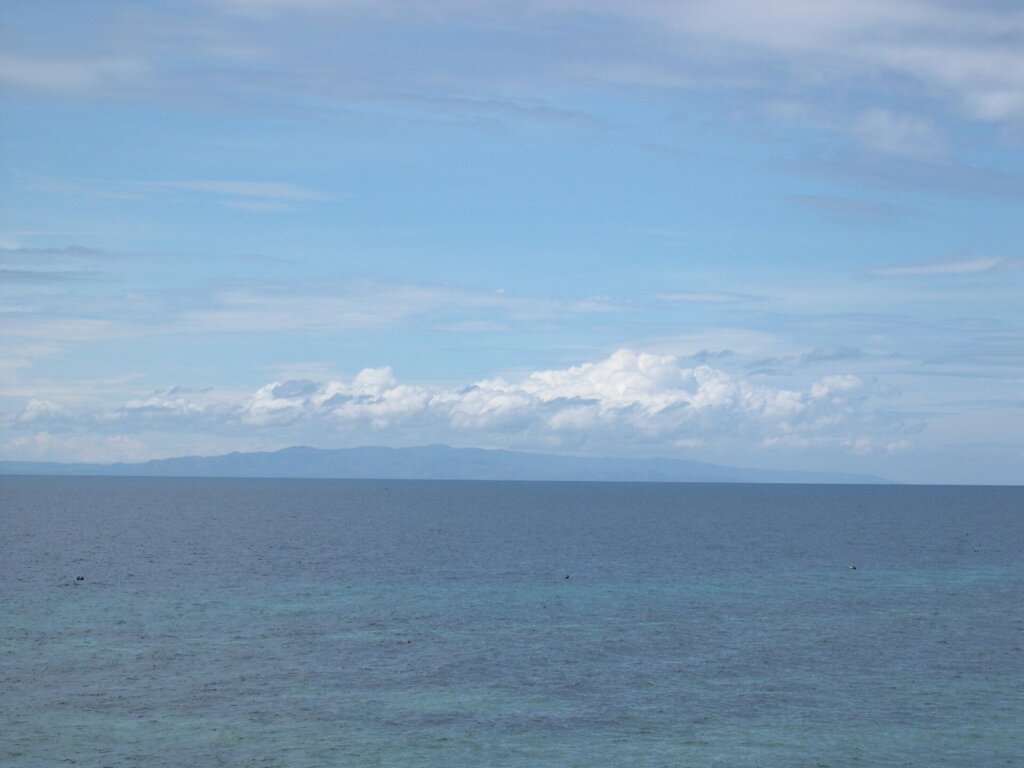
Where you sit matters enormously. Choose a spot near the middle of the boat, where pitching is least, and stay low rather than perched high. Face forward in the direction of travel and fix your gaze on the horizon or a distant island — a stable, far-off reference point helps your brain reconcile the motion. Avoid looking down at your phone, a book, or the churning water beside the hull, all of which worsen the sensory conflict.
Fresh air is your ally, so sit where the breeze reaches you and away from engine fumes at the stern. Loosen tight clothing, keep cool, and if you feel the first flutter of nausea, act immediately rather than waiting to see if it passes.
Natural and Drug-Free Techniques
Not everyone wants to feel drowsy from tablets, and several drug-free methods genuinely help. Ginger, whether as chewable candy, tea or a capsule, has a settling effect for many people and is easy to carry. Acupressure wristbands press on a point on the inner wrist and work well for some travellers. Slow, deliberate breathing — in through the nose, out through the mouth — calms the nervous system and interrupts the panic that can spiral nausea into vomiting.
Sipping cold water, keeping your eyes on the horizon, and simply staying calm are all cost-free and surprisingly effective on the short hops between El Nido stops. Combining a couple of these techniques usually gives better results than relying on any single one.
What to Eat and Drink, and What to Avoid
Plain, dry carbohydrates such as bread, crackers or a banana sit well and keep your stomach from being empty. Sip water steadily through the day. Avoid greasy, spicy or very rich food before and during the tour, skip strong coffee, and do not drink alcohol on the boat — it dehydrates you and destabilises your balance. Bringing your own crackers and a bottle of water means you always have a safe option, since tour lunches are often grilled and oily.
If You Start to Feel Sick: A Step-by-Step Plan
Catching symptoms early is key. At the first sign of queasiness, stop any activity, fix your eyes on the horizon, and breathe slowly and deeply. Move to the middle of the boat and get fresh air on your face. Sip a little cold water and nibble a ginger candy or a plain cracker. Tell your guide — they see this constantly and can slow the boat, adjust your seat, or reach the next calm anchorage sooner. Once you are anchored and can swim, get in the water; floating in the calm shallows almost always settles the stomach quickly. Keep a small bag handy just in case, and remember that relief comes fast once the motion stops.
Helping Children and Anxious Travellers
Kids are especially prone to motion sickness, and anxiety makes it worse for everyone. Prepare children the same way — light food, hydration, a horizon to watch — and consider child-appropriate remedies after checking with a pharmacist. Keep them distracted, cool and reassured, and seat them mid-boat with a clear forward view. For nervous adults, knowing they have a plan and remedies on hand often removes the dread that fuels the nausea in the first place. If seasickness is a serious worry, choosing calmer, sheltered routes like Tours A and C helps; compare formats in our day tour versus overnight camping guide.
Timing Your Trip Around Calmer Seas
One underrated way to avoid seasickness is to travel when the water is naturally calmer. The dry season from December to May generally brings the flattest seas and the smoothest island-hopping, while the southwest monsoon from June to early October makes the western bay bouncier. If you are visiting in a wetter month, morning departures are usually calmer than afternoons, when wind and chop build. For a sense of conditions across the calendar, our guide to El Nido in late September explains how shoulder-season seas behave and why timing your boat day for a calm morning pays off.
On any given day, ask your hotel or operator about the forecast and which routes are running. If the sea is rough, they may steer toward sheltered lagoons and coves, which are far gentler than exposed open-water crossings. General travel-health advice from the CDC Travelers Health service is also worth a look before any boat-heavy trip.
Turning a Boat Day Into a Positive Experience
Seasickness is not a reason to skip El Nido island hopping, which is the whole point of visiting. With preparation, the odds of a miserable ride drop sharply, and most travellers who plan ahead barely notice the motion. Once you are anchored at a stop, the queasiness disappears and you are free to snorkel, swim and explore. Many nervous first-timers finish the day surprised at how manageable it was, and the memory that lasts is the turquoise water, not the crossing.
Build your day so the reward is front of mind: pick a route with early sheltered stops, plan to get in the water quickly, and keep your remedies within reach so you feel in control. If snorkelling is your goal, our shore snorkelling guide lists spots you can even reach from land, giving you a low-motion alternative on the roughest days.
A Quick Pre-Boarding Checklist
Run through this short checklist before every boat day and you will rarely be caught out. The night before, sleep properly, avoid heavy drinking, and lay out your remedies and dry bag. In the morning, eat a light plain meal, drink water, and take any tablet at the correct lead time. As you board, put on an acupressure band if you use one, choose a mid-boat seat, and stash ginger candy and crackers within reach. During the ride, face forward, watch the horizon, breathe slowly, and get fresh air. The moment you anchor, hop into the calm water. Followed consistently, these small habits turn a potentially rough crossing into a non-event, leaving you free to enjoy why you came to El Nido in the first place.
Frequently Asked Questions
How rough are El Nido island-hopping boats?
Rides are short hops of ten to forty minutes, but the light outrigger boats can feel bouncy on choppy days, especially on the exposed western side of the bay during the monsoon. Sheltered routes are gentler.
When should I take seasickness medication?
Most antihistamine tablets need thirty to sixty minutes before boarding, while a scopolamine patch is applied six to eight hours ahead. Always follow the packaging and take it before the motion starts.
Do ginger and wristbands actually work?
They help many travellers and are drug-free with no drowsiness. Effects vary by person, so combining ginger, acupressure and steady breathing usually works better than one method alone.
What is the best seat to avoid seasickness?
Sit near the middle of the boat where pitching is least, stay low, face forward, keep your eyes on the horizon, and stay in fresh air away from engine fumes.
What should I do if I vomit on the boat?
Tell your guide, keep sipping water to stay hydrated, focus on the horizon and breathe slowly. Symptoms ease quickly once you anchor and swim, so you can usually still enjoy the rest of the tour.