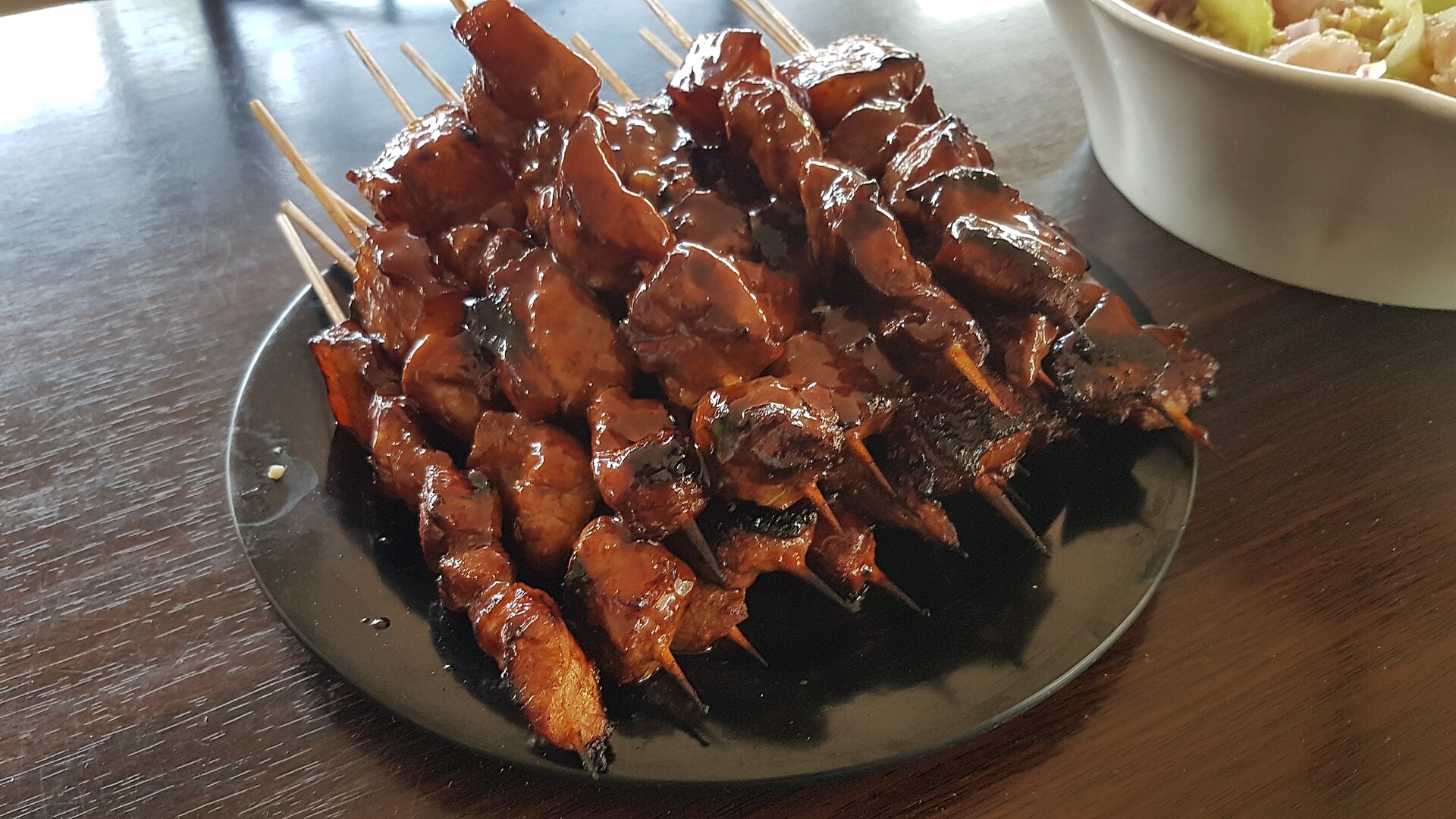
TL;DR: For the most authentic, affordable food in El Nido, follow the charcoal smoke: evening ihaw-ihaw (grill) stalls and inasal joints serve pork barbecue, chicken inasal, liempo and fresh grilled seafood for a fraction of beachfront prices — go after 5 p.m., pick busy stalls, and order with rice and a vinegar dip.
Most El Nido food guides focus on sit-down restaurants and seafood platters. This guide focuses on Filipino barbecue specifically for budget travelers, backpackers and curious eaters who want to eat like locals after a day of island hopping — and for anyone who is tired of paying resort prices for grilled food. We explain the dishes, how to order, where to find grills, how much to expect to pay, and how to eat street-grilled food safely.
What “Filipino BBQ” Means in El Nido
In the Philippines, barbecue usually means inihaw — food grilled over charcoal — rather than slow-smoked American-style barbecue. The flavor is sweet, salty and tangy, built on marinades of soy sauce, calamansi, vinegar, garlic and sugar. Stalls are called ihawan or ihaw-ihaw, and they range from a single grill on a street corner to small restaurants specializing in chicken inasal. The inasal tradition comes from the Visayas, while skewered pork barbecue is found across the country.
In El Nido, grills appear mostly from late afternoon, when the heat drops and workers and tour crews head home. Many sit along the main roads in town, near the market area and along the routes to Corong-Corong. Our night market and street food guide covers the wider evening food scene.
10 Grilled Dishes to Try
1. Pork barbecue skewers
The classic. Thin slices of pork marinated in soy sauce, calamansi or vinegar, garlic, sugar and often a splash of banana ketchup or soda, then threaded on bamboo sticks and basted as they grill. The glaze caramelizes into a sweet, smoky crust. Expect several sticks per person; they are small. Ask for the dipping vinegar on the side.
2. Chicken inasal
Originally from Bacolod in the Visayas, inasal is chicken marinated in vinegar, calamansi, lemongrass, ginger and garlic, then basted with annatto (atsuete) oil that gives it a golden-orange color. Served with rice — sometimes drizzled with chicken oil — plus soy sauce, calamansi and chili for mixing your own sawsawan.
3. Liempo (grilled pork belly)
Thick strips of pork belly grilled until the fat renders and the edges crisp. Usually sold by weight or by piece and eaten with rice and a soy-vinegar-onion dip. Rich and filling — one portion can be enough for two.
4. Isaw (grilled intestines)
Chicken or pork intestines cleaned, boiled, skewered and grilled with a sweet glaze. Chewy, smoky and a rite of passage for adventurous eaters. Buy from busy stalls where turnover is high and the grill is hot.
5. Inihaw na pusit (grilled squid)
Whole squid, often stuffed with tomato and onion, grilled over charcoal and sliced. Because El Nido is a fishing town, squid and other seafood are common on grills, especially in the evening.
6. Inihaw na isda (grilled fish)
Whole fish — such as tuna jaw, tanigue, or reef fish — grilled with just salt or a light marinade. Ask what was caught that day and how it is priced (by weight or by piece) before ordering.
7. Betamax
Cubes of coagulated pork or chicken blood, skewered and grilled. The name is a joke about their resemblance to old video tapes. Mild in flavor and best with spicy vinegar.
8. Adidas (grilled chicken feet)
Marinated chicken feet grilled until sticky. Named — with Filipino humor — after the sportswear brand. Mostly about the texture and the glaze.
9. Grilled hotdog and longganisa
Red Filipino-style hotdogs and sweet native sausages (longganisa) on sticks are crowd-pleasers for kids and picky eaters.
10. Grilled corn and banana
For a sweet finish, look for grilled sweet corn brushed with butter or margarine, or saba bananas grilled or caramelized on sticks (banana cue is usually fried, but grilled versions exist).
How to Order at an Ihawan
Most grill stalls display raw, marinated skewers and pieces on a tray. Ordering is simple:
- Pick your items from the display — point, or put them on the plate provided.
- Hand them to the griller. They will grill and re-baste them for a few minutes.
- Ask for rice (“kanin” or “rice”) if the stall serves it; some sell “puso,” rice cooked inside woven coconut leaves.
- Make your sawsawan (dip) from the vinegar, soy sauce, calamansi and chili on the table. Our guide to Filipino condiments explains the combinations.
- Pay at the end — the vendor counts your sticks. Keep small bills; change can be scarce.
Street Grill vs Inasal Restaurant vs Resort BBQ
| Factor | Street Ihawan | Inasal Restaurant | Resort / Beach BBQ Buffet |
|---|---|---|---|
| Price level | Lowest | Low to moderate | Highest |
| Seating | Stools or take-away | Tables, fans | Beach tables, full service |
| Menu | Skewers, isaw, seafood of the day | Chicken inasal, liempo, rice meals | Mixed grill, seafood, salads |
| Hours | Mostly late afternoon to night | Lunch and dinner | Dinner, often with sunset |
| Best for | Budget travelers, adventurous eaters | A proper, filling local meal | Celebrations, groups, ambiance |
What It Costs
Street grill prices are among the cheapest ways to eat in El Nido, though they run higher than in big cities because ingredients are shipped in. Skewers are priced per stick, rice per cup, and seafood by weight or by piece. Chicken inasal meals with rice are typically priced as a set. Prices change with fuel and supply costs, so check the board or ask before ordering. As a rule, a filling grill dinner costs a fraction of a beachfront seafood platter. If you want to stretch your budget further, our carinderia guide covers other local eateries.
Eating Street-Grilled Food Safely
Street food in El Nido is widely eaten by locals and visitors, and a few habits reduce your risk of an upset stomach:
- Choose busy stalls. High turnover means fresher ingredients.
- Watch it cook. Make sure meat is grilled through, especially pork and chicken; ask for it “well done” if needed.
- Be cautious with ice and raw garnishes if you have a sensitive stomach.
- Carry hand sanitizer — not every stall has a sink.
- Drink bottled or refilled purified water. Use refill stations to cut plastic.
General food-safety guidance from the World Health Organization applies here: cook thoroughly, keep raw and cooked food separate, and eat food while it is hot.
Pairing Your BBQ
Filipinos often pair grilled food with ice-cold local beer or soft drinks. For something non-alcoholic, try fresh buko (young coconut) juice or a calamansi juice. If you want a sweet finish, look for halo-halo or leche flan nearby. And if you are craving more pork, our lechon guide and sisig guide pair perfectly with a BBQ crawl.
A Simple Evening BBQ Crawl
Here is an easy plan for your first night: watch sunset in Corong-Corong or on the town beach, then walk the main streets around 6:30 p.m. when grills are fully fired up. Start with two or three pork barbecue sticks and a cup of rice at the busiest stall you see. Move on to an inasal place for a shared chicken leg-quarter, then finish with grilled squid or fish if you are still hungry. Keep the total modest at first — it is better to go back for more than to waste food. For more on Filipino flavors, the Philippine Department of Tourism features regional cuisine across the country.
BBQ Etiquette and Local Customs
Eating at a grill stall is casual, but a few local customs make the experience smoother. Filipinos commonly eat with a spoon and fork — the spoon does most of the work, and the fork pushes food onto it. At inasal restaurants, eating with your hands (kamayan style) is perfectly acceptable, and many places provide a hand-washing sink. Do not be surprised if rice is unlimited (“unli-rice”) at some inasal chains; it is a beloved Filipino institution, but you only pay for it if the menu says so.
Share tables when it is busy, and greet the vendor with a simple “Magandang gabi” (good evening) — it is always appreciated. Tipping is not expected at street stalls, though rounding up is a kind gesture. Bring your own reusable bag or container if you plan to take food away, since El Nido actively discourages single-use plastics. If a stall is out of something, it is usually because the day’s supply has sold; come earlier the next evening.
Finally, remember that grilling happens over open charcoal. Keep children away from the grills, and watch out for smoke if you are sensitive to it — sitting upwind makes a big difference on a still evening.
Key Takeaways
- Filipino BBQ means charcoal-grilled inihaw: sweet-savory skewers, inasal, liempo and fresh seafood.
- Grills fire up from late afternoon; go after 5 p.m. for the best choice.
- Order by picking from the display, then add rice and make your own vinegar-soy-calamansi dip.
- Street grills are the cheapest; inasal restaurants offer a seated meal; resort buffets cost most.
- Choose busy stalls and make sure meat is fully cooked.
- Bring small bills — vendors count sticks at the end.
Frequently Asked Questions
What is chicken inasal?
Chicken inasal is a Visayan grilled chicken marinated in vinegar, calamansi, lemongrass and garlic and basted with annatto oil, usually served with rice.
When do BBQ stalls open in El Nido?
Most street grills start in the late afternoon and run into the evening. Inasal restaurants typically serve lunch and dinner.
Is Filipino street BBQ safe to eat?
Generally yes if you choose busy stalls, watch the food cook thoroughly and practice basic hygiene.
Is there vegetarian grilled food?
Options are limited, but grilled corn, grilled banana and eggplant are sometimes available. Ask the vendor.
How much does a BBQ dinner cost in El Nido?
A street grill dinner is one of the cheapest meals in town, costing a fraction of a beachfront seafood platter; prices vary by season and vendor.
About the Author
This guide was compiled by the El Nido Hotels Ranking editorial team, with input from local operators and ongoing on-the-ground updates.