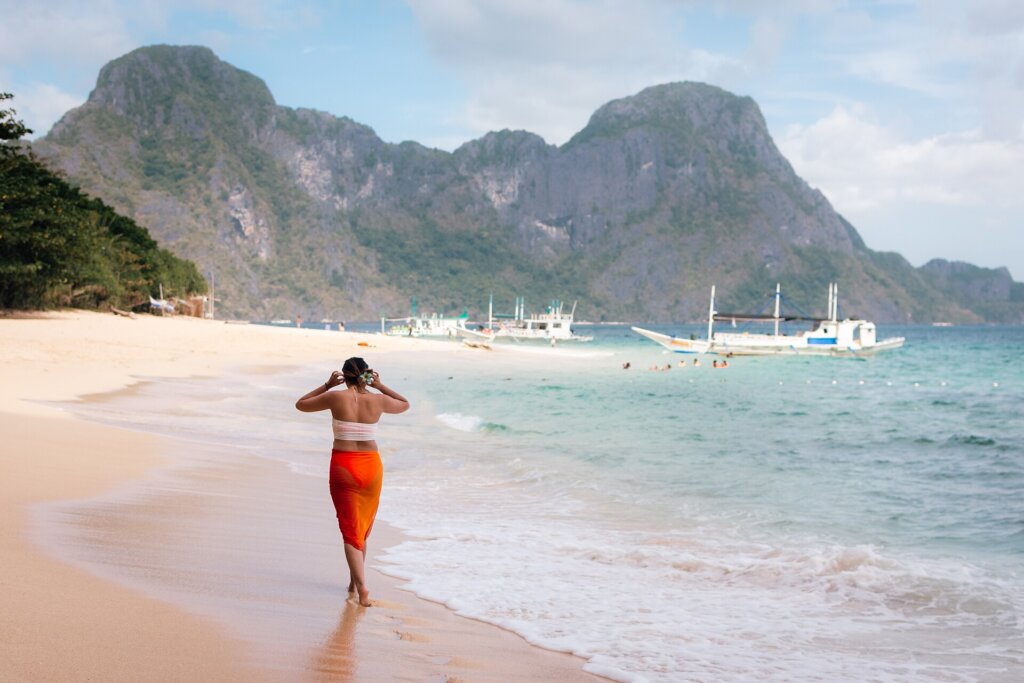
TL;DR: For a DIY writing retreat in El Nido, base yourself in Lio, Corong Corong or a northern beach village, write from early morning to lunch, and visit between January and April for calm seas and fewer power interruptions.
El Nido is usually sold as an island hopping destination, but it also works surprisingly well as a place to finish a manuscript, thesis or long project. This guide focuses on writing spots specifically for novelists, academics, bloggers and other writers planning a self-organized retreat of one to four weeks. Our unique angle is practical: each spot below is judged by noise level, shade, power access and how easy it is to stay for three or four focused hours, not by how photogenic it looks.
Why El Nido Works for Writers
Most writing retreats fail for two reasons: too many distractions or too little stimulation. El Nido balances both. Mornings are quiet outside town, the light is soft until about ten, and the scenery gives you something to think about when you step away from the screen. Afternoons are perfect for a swim, a kayak or a short walk, which resets the mind for evening edits.
It also helps that long stays are affordable compared with many beach destinations. Monthly or weekly rates are common in guesthouses, food is inexpensive if you eat local, and you can treat an island hopping tour as a weekly reward rather than a daily activity. If you are naturally introverted, our guide to quiet ways to travel in El Nido pairs well with this one.
The 7 Quiet Spots to Write
1. Corong Corong Sunset Strip
Just south of town, Corong Corong has a string of small hotels and cafes facing west across Bacuit Bay. Mornings are calm because most visitors leave early for tours. Many places have shaded terraces and power outlets, and you are close enough to town for supplies. Sunset is the busiest time, so do your deep work before lunch and come back to edit with a drink in the evening.
2. Lio and Vanilla Beach
The planned Lio development near the airport is the most “orderly” part of El Nido: paved paths, cafes, reliable power and a long beach. It feels more resort-like, which some writers find comforting. See our guide to Vanilla Beach and Lio for cafes and shops. It is a good choice if you need predictable Wi-Fi and dislike tricycle noise.
3. Las Cabanas in the Late Morning
Las Cabanas is known for sunsets and the zipline, but before noon it is relaxed. A few beachside places offer shade and drinks, and the soft sound of the waves is ideal background. Bring a charged laptop and a power bank, as outlets are not guaranteed on the sand.
4. North End of Nacpan Beach
Nacpan is a four-kilometer curve of sand about 45 minutes north of town. The southern end has most of the activity; walk north and the beach empties out. This is a place for drafting by hand or reading back your work rather than heavy laptop sessions, because shade and power are limited. Staying overnight in the area makes it much easier to use.
5. Duli Beach
Duli Beach is remote and peaceful, with a small surf scene in the northeast monsoon months. It suits writers who want almost total isolation for a few days. Connectivity can be weaker, so plan offline sessions and sync when you return to town.
6. Sibaltan on the East Coast
Sibaltan is a fishing village on the opposite coast, with a slower pace and few tourists. Homestays and small guesthouses offer simple rooms, sunrise views and genuine quiet. It is ideal for a week of deep drafting, though you should expect basic facilities and limited dining.
7. A Hillside Room with a Balcony
Sometimes the best spot is your own room. Hillside hotels above town or in Caalan often have balconies with bay views, catching breezes away from street noise. Ask for a room facing away from the road and check whether the property has a generator; our guide to hotels with backup power lists what to look for.
Writing Spots Compared
| Spot | Noise | Power and Wi-Fi | Best for |
|---|---|---|---|
| Corong Corong | Low in mornings | Good at cafes and hotels | Daily laptop sessions |
| Lio / Vanilla Beach | Low | Most reliable | Long, predictable workdays |
| Las Cabanas | Low before noon | Limited on the beach | Short morning sprints |
| Nacpan (north end) | Very low | Limited | Handwriting and reading drafts |
| Duli Beach | Very low | Weak | Offline deep work |
| Sibaltan | Very low | Basic | Week-long immersion |
| Hillside balcony | Low to medium | Depends on hotel | Evening editing |
Building a Writing Routine
A simple structure keeps a retreat productive. Many writers in tropical places find this rhythm works:
- 6:00 to 7:00: Coffee, light reading, and a review of yesterday’s last page.
- 7:00 to 11:30: Main writing block, before heat and noise build up.
- 11:30 to 15:00: Lunch, rest and a swim. Avoid screen work in the hottest hours.
- 15:00 to 17:00: Light tasks: research, notes, outlines or emails.
- Sunset: Walk, reflect, and jot down ideas by hand.
- Evening: A short editing session or reading.
Plan one “reward day” each week for an island hopping tour or a trip to a waterfall. Treating the tour as a scheduled break stops you from feeling you are missing out and protects your writing days. If you like journaling alongside your main project, our travel journaling guide has prompts that work well on rest days.
A Sample Two-Week Retreat Plan
Days 1 to 2: Arrive, settle into a Corong Corong or Lio base, test the Wi-Fi, buy a SIM, and take one easy beach afternoon to shake off travel fatigue. Set a clear word-count or chapter goal for the stay.
Days 3 to 7: Five full writing days using the morning block, with one island hopping tour as your first reward day. Keep evenings for reading back the day’s pages.
Days 8 to 10: Move north to Nacpan or Sibaltan for three days of offline drafting. A change of scenery mid-retreat often breaks a creative plateau.
Days 11 to 14: Return to a well-connected base to revise, back up everything, and send drafts to editors or supervisors before you fly home.
Power, Wi-Fi and Practicalities
El Nido’s power grid has improved, but short brownouts still happen, especially in the hot months. Always save to the cloud and keep a local copy. A power bank that can charge a laptop is worth packing, and so is a lightweight external keyboard if you write long hours on a balcony.
For connectivity, most visitors buy a local SIM or eSIM on arrival and use it as a hotspot backup. Check your hotel’s speed with a tool such as Speedtest by Ookla on the first day, and if you need video calls, our digital nomad and coworking guide lists stronger options. Other practical points:
- Bring noise-cancelling earbuds for roosters, boats and karaoke.
- Pack a light long-sleeve shirt for air-conditioned cafes.
- Back up drafts daily; humidity and sand are hard on electronics.
- Stay hydrated; long sessions in heat sap concentration quickly.
Entry and visa information for the Philippines is published by the Department of Tourism, which is useful if you plan a stay longer than a standard tourist visit.
When to Go for a Writing Retreat
January to April is the sweet spot: dry weather, calm seas for reward-day tours and a lively but manageable town. Late April and May become very hot, which can make afternoon work harder. From June to October the southwest monsoon brings rain and some cancelled boat trips, but also lower room rates and fewer people, which some writers prefer. Check forecasts from PAGASA before you book a long stay in the wet months.
Avoid the Christmas to New Year period and Holy Week if you want quiet, as rooms are pricier and the town is busier.
Key Takeaways
- Stay in Lio, Corong Corong or a northern village rather than central town for quiet.
- Write in the morning, rest in the heat, and edit in the evening.
- Pack a power bank, earbuds and a cloud backup plan for brownouts.
- Use island hopping as a weekly reward to keep writing days protected.
- January to April offers the best balance of weather and calm.
FAQ
Is El Nido a good place for a writing retreat?
Yes, if you choose a quiet base outside the busiest part of town and travel in the dry season. Calm mornings, cheap long stays and inspiring scenery make it well suited to focused writing.
Where is the quietest area to stay in El Nido for writing?
Lio, Corong Corong and the northern beach villages such as Nacpan and Sibaltan are quieter than El Nido town proper. Town is convenient but has more traffic, music and boat noise.
Is the Wi-Fi in El Nido good enough for writers?
Generally yes for writing, email and cloud backups. Many hotels and cafes offer usable connections, but speeds vary and brownouts happen, so keep a mobile data plan and offline copies of your work.
How long should a writing retreat in El Nido be?
Two weeks is a good minimum. The first few days go to settling in, and a longer stay lets you build a routine and still enjoy a few island hopping tours.
What is the best month for a writing retreat in El Nido?
January to April usually combines dry weather, calm seas and reliable power. Late April and May are hotter, while June to October brings more rain and fewer crowds.
About the Author
This guide was compiled by the El Nido Hotels Ranking editorial team, with input from local operators and ongoing on-the-ground updates.
Featured photo: Vyacheslav Argenberg, via Wikimedia Commons (CC BY 4.0).