
Most El Nido itineraries funnel every traveler onto Tour A, Tour B, or Tour C, which means the mainland’s own beaches get skipped entirely. This guide focuses on Nat Nat Beach specifically for travelers who want a slower, boat-free day without giving up good sand, clear water, and a proper lunch view. We cover the walk or tricycle ride in, what the entrance fee actually covers, and how Nat Nat compares to Las Cabanas and Seven Commandos so you can decide if it earns a spot on your schedule.
- What Makes Nat Nat Beach Different From El Nido’s Famous Lagoons
- Getting to Nat Nat Beach From El Nido Town
- What to Expect When You Arrive
- Who Nat Nat Beach Is Best For (and Who Might Skip It)
- Nat Nat Beach vs Other Mainland Beaches
- Best Time of Day to Visit
- Food, Shade, and Facilities on Site
- Swimming, Snorkeling, and Safety Notes
- Packing List for a Full Day at Nat Nat
- Combining Nat Nat With a Full Mainland Day
- Frequently Asked Questions
What Makes Nat Nat Beach Different From El Nido’s Famous Lagoons
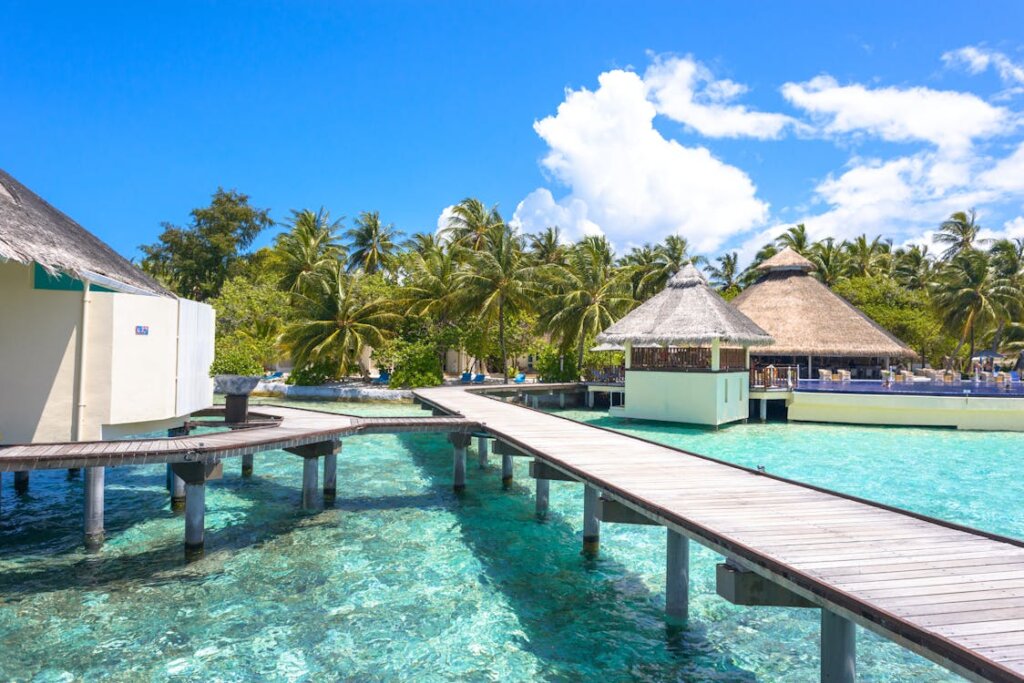
Big Lagoon and Small Lagoon get all the postcards, but they also require a boat, a tour group, and a fixed schedule set by whichever operator you booked. Nat Nat Beach sits on the mainland just south of El Nido town, which means you can walk in, stay as long as you like, and leave whenever the mood strikes. There is no lagoon-style limestone amphitheater here; instead you get a long stretch of pale sand, calm water protected from open-sea swell, and a handful of nipa-roofed restaurants that keep the whole place feeling unhurried rather than packed with tour boats jockeying for a photo spot.
The trade-off is obvious: you will not see the dramatic karst cliffs that make Bacuit Bay famous in every El Nido photo. What you get instead is flexibility, a shorter commute, and a beach that rarely feels crowded even in high season, since most visitors are still queuing for boat tours at the town pier.
Getting to Nat Nat Beach From El Nido Town
Nat Nat Beach is roughly 2 kilometers from El Nido town proper, and there are three realistic ways to get there. Walking takes 25 to 35 minutes along a mostly flat road and is genuinely pleasant before 9am or after 4pm, when the heat is manageable. A tricycle from town costs a small flat fare per person (agree on the price before boarding, since there is no meter) and takes about 10 minutes. If you already have a scooter rented for other errands, the ride is straightforward on paved road the entire way, with a short unpaved stretch near the entrance.
There is no need to book anything in advance. Unlike the boat tours covered in our Tour A vs Tour C comparison, Nat Nat operates on your schedule, not a tour operator’s.
What to Expect When You Arrive
A small barangay-collected environmental and entrance fee applies, generally payable in cash at a table near the entrance path. That fee goes toward beach maintenance and basic facilities, which is a similar model to the environmental fees charged for boat tour destinations inside the DENR-managed protected areas around El Nido. Once inside, you will find a run of beachfront restaurants renting out loungers and umbrellas, usually free with a food or drink order, plus a few independent stalls selling grilled fish, halo-halo, and cold drinks.
Toilets and rinse-off showers exist but are basic, so this is not the spot for a five-star bathroom experience. Bring a dry bag for your phone if you plan to swim, the same way we recommend for boat days in our waterproof gear guide.
Expect a mix of local families on weekends and a steady trickle of tourists on weekdays, but nothing close to the queues you’ll see at the town pier before a Tour A departure. Vendors are generally low-pressure compared to more heavily touristed beaches elsewhere in the Philippines, and haggling over loungers is rarely necessary since the food-purchase-for-shade arrangement is standard and understood by everyone working there.
Who Nat Nat Beach Is Best For (and Who Might Skip It)
Nat Nat suits budget travelers staying in town who don’t want to spend on a boat tour every day, families who need shallow, calm water rather than dramatic scenery, and anyone recovering from a long travel day who just wants an easy swim without logistics. It also works well as a half-day filler between an early flight arrival and a check-in time, since it’s close enough to reach with luggage still in tow if needed.
On the other hand, if your main goal in El Nido is the limestone cliffs and hidden lagoons you’ve seen in photos, Nat Nat will feel plain by comparison, and you should prioritize a boat tour instead. Serious snorkelers and divers should also look elsewhere first; the coral here is patchy compared to the sites covered in our dive sites map, so treat this beach as a relaxation stop rather than a marine-life destination.
Nat Nat Beach vs Other Mainland Beaches
| Beach | Access | Crowd Level | Best For |
|---|---|---|---|
| Nat Nat Beach | Walk, tricycle, or scooter (10-30 min) | Low to moderate | Half-day swimming, no boat needed |
| Las Cabanas Beach | Tricycle (15-20 min) | High at sunset | Sunset bars and ziplining |
| Seven Commandos Beach | Tricycle plus short walk (20-25 min) | Moderate | Longer sand stretch, fewer restaurants |
| Corong-Corong Beach | Walk from town (10-15 min) | Low | Budget stays, quiet mornings |
If sunset cocktails and a zipline are the priority, our beach clubs guide points you toward Las Cabanas instead. Nat Nat wins when you want a calmer, cheaper afternoon without a bar scene.
Best Time of Day to Visit
Mid-morning, from about 8am to 11am, gives you the calmest water and the fewest people, since day-tour boats have already left for the lagoons and afternoon sunset crowds have not arrived yet. Late afternoon, from 4pm onward, is the second-best window: the light softens for photos and the heat drops, though a few tricycle groups do stop by on their way back from other beaches. Midday sun between noon and 2pm is intense with limited natural shade outside the restaurant areas, so pace your visit around the restaurant umbrellas if you are there then. For a broader sense of seasonal weather patterns before you plan the trip, weather.com’s Palawan monthly outlook is a useful starting point, alongside our own guide to El Nido’s best sandbars for comparing conditions across the bay.
Food, Shade, and Facilities on Site
The restaurants lining Nat Nat Beach mostly serve Filipino staples: grilled seafood, sisig, fried rice, and cold San Miguel, priced a little above town rates but still reasonable. Ordering even a single drink typically unlocks a shaded table and loungers for the day, which is the easiest way to structure your visit if you plan to stay more than two or three hours. A few stalls sell fresh buko (young coconut) and halo-halo if you want something lighter than a full meal. There are no ATMs on site, so bring enough cash from town, since most vendors do not accept cards or e-wallets like the GCash options covered in our e-wallet payments guide.
Swimming, Snorkeling, and Safety Notes
The water at Nat Nat is shallow and calm close to shore, making it a comfortable spot for weaker swimmers and families with young kids. Snorkeling is decent but not spectacular; visibility and coral cover are noticeably better at the shore snorkeling spots detailed in our shore snorkeling guide, so treat Nat Nat as a swim-first, snorkel-second destination. Use reef-safe sunscreen to protect the coral that is there; our reef-safe sunscreen guide explains which ingredients to avoid. The Philippine Department of Tourism’s official Palawan travel resources also outline responsible tourism practices worth following at any of the bay’s public beaches.
Packing List for a Full Day at Nat Nat
Pack light: swimwear, a rash guard or cover-up for the walk over, reef-safe sunscreen, a dry bag for electronics, cash in small bills, and a reusable water bottle, since single-use plastic bottles add up fast on a beach with limited waste facilities. Sandals that can get wet are more practical than flip-flops for the short unpaved stretch near the entrance. If you are combining this with other mainland stops that day, our land-accessible beaches guide lays out a few walkable combinations that pair well with Nat Nat.
Hydration matters more than most visitors expect: the walk in, combined with several hours of direct sun exposure on an open beach, adds up quickly in Palawan’s tropical heat. Carry more water than you think you’ll need, and consider timing your walk for the cooler parts of the day described above rather than pushing through the midday sun with a full pack.
Combining Nat Nat With a Full Mainland Day
Because Nat Nat requires no boat and no fixed schedule, it pairs naturally with other mainland activities rather than standing alone as a destination. A common pattern is a morning swim at Nat Nat, lunch back in town, and an afternoon or evening stop at Las Cabanas for the sunset scene once the light turns golden. Travelers without their own transport can string these together with tricycles for a fraction of the cost of a boat tour, and without needing to commit to a specific tour operator’s timetable.
If you’re staying more than three or four nights in El Nido, treating one day as a “no-boat day” built around Nat Nat and nearby mainland stops is a practical way to rest between island hopping trips without losing a full day to being indoors.
Frequently Asked Questions
Is there an entrance fee for Nat Nat Beach?
Yes, a small barangay environmental fee applies, payable in cash at the entrance. It is separate from any tour operator fees you may have paid for boat-based island hopping.
Can I walk to Nat Nat Beach from El Nido town?
Yes, it takes roughly 25 to 35 minutes on a mostly flat, paved road. Early morning or late afternoon walks are the most comfortable given the heat.
Is Nat Nat Beach good for kids?
Generally yes. The water is shallow and calm close to shore, and restaurants offer shaded seating, though there are no lifeguards, so supervise young swimmers directly.
How does Nat Nat Beach compare to Las Cabanas for sunset?
Las Cabanas has more established sunset bars and a livelier atmosphere, while Nat Nat is quieter and better suited to a relaxed midday swim rather than an evening scene.
Do I need to book Nat Nat Beach in advance?
No booking is required. Unlike island hopping tours, Nat Nat is an independent mainland beach you can visit at any time during daylight hours.
Is there snorkeling equipment for rent at Nat Nat?
Some restaurants rent basic masks and fins, but selection is limited. If snorkeling is your main goal, renting gear in town beforehand gives you more reliable equipment.