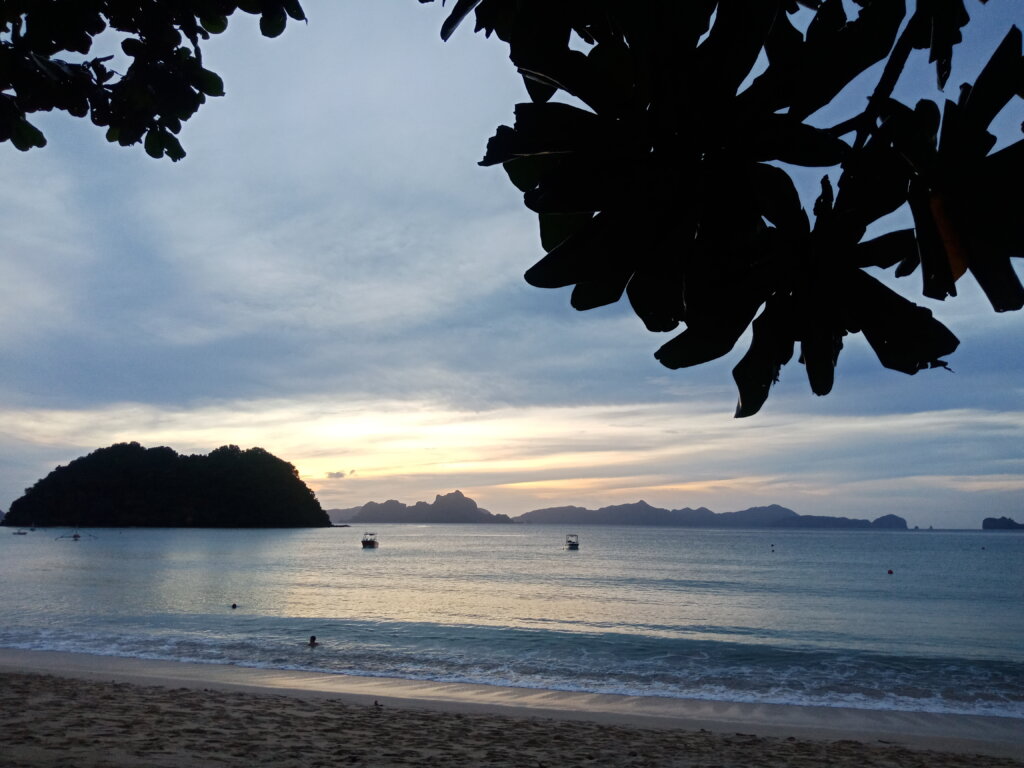
Every year, a few visitors fall so hard for Bacuit Bay that they start browsing property listings before their flight home. This guide focuses on property ownership and long-term retirement options in El Nido specifically for foreign visitors who are seriously considering a move, and it explains what the law allows, what it does not, and which questions to settle before any money changes hands. It is general information, not legal advice, so confirm every detail with a Philippine lawyer.
- The Core Rule: Foreigners Cannot Own Land
- What Foreigners Can Legally Hold
- Why Leasing Is the Realistic Path in El Nido
- Coastal Easements and Protected Area Rules
- Retirement Visa Options
- Try Before You Buy
- Due Diligence Checklist Before Paying Anything
- Taxes, Fees and Hidden Costs
- Living Costs and Everyday Realities
- Frequently Asked Questions
The Core Rule: Foreigners Cannot Own Land
The Philippine Constitution reserves private land ownership for Filipino citizens and corporations at least 60 percent Filipino-owned. A foreign passport holder cannot hold title to a beach lot, a rice paddy or a house lot in El Nido, no matter how long they have lived there. Marrying a Filipino citizen does not change this for the foreign spouse; the land may be titled to the spouse, but the foreigner gains no ownership rights over it.
Natural-born Filipinos who later became citizens of another country are treated differently. Under Philippine law they may acquire limited private land, generally up to 5,000 square metres of urban land or three hectares of rural land. If you fall into this category, speak to a lawyer about your eligibility before searching for lots.
What Foreigners Can Legally Hold
Foreign buyers still have several legitimate routes. The right choice depends on how long you plan to stay, your budget and how much risk you are comfortable with.
| Option | What you hold | Typical duration | Main risk |
|---|---|---|---|
| Condominium unit | Title to the unit itself (foreigners may hold up to 40% of a project) | Permanent | Few condo projects exist in El Nido; association dues and developer delays |
| Long-term land lease | Right to use land, not title | Decades, renewable under the Investors’ Lease Act | Lease must be registered; landlord disputes can arise |
| Own the building only | Structure on leased land | Tied to the lease term | Building value falls to zero if the lease ends |
| Filipino-owned corporation | Minority shares (up to 40%) | Open-ended | Dummy-structure arrangements are illegal and can be voided |
| Long-term rental | Monthly or annual contract | 1 to 5 years | Rent increases; no equity |
Why Leasing Is the Realistic Path in El Nido
Condominium developments are rare in town, so most foreigners end up leasing. The Investors’ Lease Act allows foreign investors to lease private land for an initial term that has been extended by recent legislation, and the term can be renewed. Because the exact maximum has changed in recent years, ask your lawyer to quote the current statute rather than relying on a broker’s summary. The lease should be notarised and registered with the Registry of Deeds so it binds any later owner of the land.
Before signing, confirm that the lessor really holds a clean title. Ask for a certified true copy of the Transfer Certificate of Title from the Registry of Deeds, then compare the owner’s name with the person in front of you. Inherited land in the province is often held by several heirs, and every heir may need to sign. A lease signed by only one of them can be challenged years later, usually right after you have finished building.
Coastal Easements and Protected Area Rules
El Nido sits inside the El Nido-Taytay Managed Resource Protected Area, so building is regulated more tightly than in an ordinary town. National law also keeps a public easement along shorelines: under the Water Code, three metres in urban areas, 20 metres in agricultural areas and 40 metres in forest areas. A “beachfront lot” that has no legal setback may be impossible to build on as advertised. Check zoning with the municipal office and environmental clearance requirements with the Department of Environment and Natural Resources.
Also check the land classification. Some hillside lots are classified as forest land or alienable-and-disposable land awaiting titling, and untitled land cannot be sold cleanly. Tax declarations alone are not proof of ownership. Ask the seller for a recent survey plan, and have a licensed geodetic engineer confirm the boundaries on the ground, because informal fences and coconut trees are poor evidence of where a lot actually ends.
Retirement Visa Options
Owning property is separate from the right to live in the country. Most long-stay visitors begin on a tourist visa with periodic extensions, which is workable for a trial period but expensive in the long run. Retirees who want a permanent arrangement often look at the Special Resident Retiree’s Visa, administered by the Philippine Retirement Authority. Eligibility depends on age, pension and a deposit that varies by category, so read the current requirements directly from the agency rather than from forums.
Whatever visa you hold, keep copies of your passport, visa stamps and any alien registration documents in a waterproof pouch. If you are still testing the idea, our guide to power outages and brownouts shows what daily life infrastructure is really like.
Try Before You Buy
A three-month rental in each season will teach you more than any brochure. The dry months look nothing like the typhoon-affected weeks, and our rainy season guide describes what to expect when boats are cancelled and roads flood. Visit during the quiet months too, and talk to long-term residents about water supply, internet reliability and medical access. For drinking water standards, see our note on tap water and ice safety, because many homes rely on delivered water.
It also helps to compare El Nido with alternatives. Our El Nido versus Coron comparison covers cost of living, pace of life and tourist crowds, which matter a great deal when you live somewhere rather than visit. Spend at least a few weeks in the neighbourhood you are considering, because Corong-Corong, Lio and the town centre each have different noise levels, flood exposure and distances to the market.
Due Diligence Checklist Before Paying Anything
Hire an independent lawyer, not the one recommended by the seller. Ask them to verify the title, tax declaration, real property tax receipts, zoning and any pending cases. Pay by traceable bank transfer, never in cash, and keep every receipt. Insist on a written contract that states who is responsible for taxes, notarial fees and registration. If a deal depends on a Filipino friend holding land “on your behalf”, walk away: arrangements like that are widely treated as unenforceable and can leave you with nothing.
Budget for ongoing costs as well: real property tax, building permits, utility connections, generator or solar backup, and the cost of shipping materials to Palawan. Construction timelines run longer than on the mainland because supplies arrive by road or sea, and contractors in a busy tourist town may be booked months ahead.
Taxes, Fees and Hidden Costs
Buyers and lessees should ask for a written estimate of every transaction cost before committing. Typical items include documentary stamp tax, transfer or registration fees, notarial fees, legal fees and annual real property tax. If you build, add permit fees, inspection costs and the cost of connecting water and electricity. Associations in condominium projects charge monthly dues that can rise. Keep a contingency of at least 15 to 20 percent of your budget for surprises, because delays in a remote location nearly always cost money.
Rental income from a vacation unit raises further questions about business permits, tourism accreditation and tax registration. Operating a short-term rental without proper permits can lead to closure, so speak to the municipal tourism office before listing anything online.
Living Costs and Everyday Realities
Daily life in town is relaxed but not always convenient. Fresh produce arrives in waves, imported goods cost more, and medical care is basic, with serious cases usually transferred to Puerto Princesa or Manila. Expats often keep a small emergency fund and travel insurance that covers evacuation. Information on regional tourism and local regulations is published by the Department of Tourism, and Philippine statutes can be searched through the Lawphil database.
If you are still deciding where to base yourself for a trial stay, our resort comparison is a useful starting point for monthly-rate negotiations, since many properties discount long stays outside peak season. Many long-stayers also join local community groups, volunteer with environmental projects and learn a few phrases of Tagalog or Cuyonon, which goes a long way toward building trust with neighbours and landlords.
Finally, remember that rules change. Before you commit, ask your lawyer for a short written opinion that summarises the current law, so that your decision rests on up-to-date advice rather than on stories from other expats.
Frequently Asked Questions
Can a foreigner buy a house in El Nido?
A foreigner can own the building in some arrangements but not the land beneath it. Most foreigners lease land long term or buy a condominium unit, where available.
Can I put property in my Filipino spouse’s name?
The spouse can hold title as a Filipino citizen, but the foreign spouse gets no ownership rights over the land. Get independent legal advice on how to protect your investment.
How long can a foreigner lease land in the Philippines?
The Investors’ Lease Act sets a long initial term with renewal, and the maximum has been extended by recent legislation. Ask a lawyer to confirm the current figure.
Is it safe to buy from a local broker?
Brokers can help find listings, but you should verify the title independently with the Registry of Deeds and use your own lawyer.
Can I retire in El Nido on a tourist visa?
Tourist visas can be extended for a limited time, but long-term residents usually switch to a retirement or other resident visa. Check current rules with the Bureau of Immigration or the Philippine Retirement Authority.
Photo: Limestone island in Bacuit Bay (CC BY 4.0), via Wikimedia Commons.