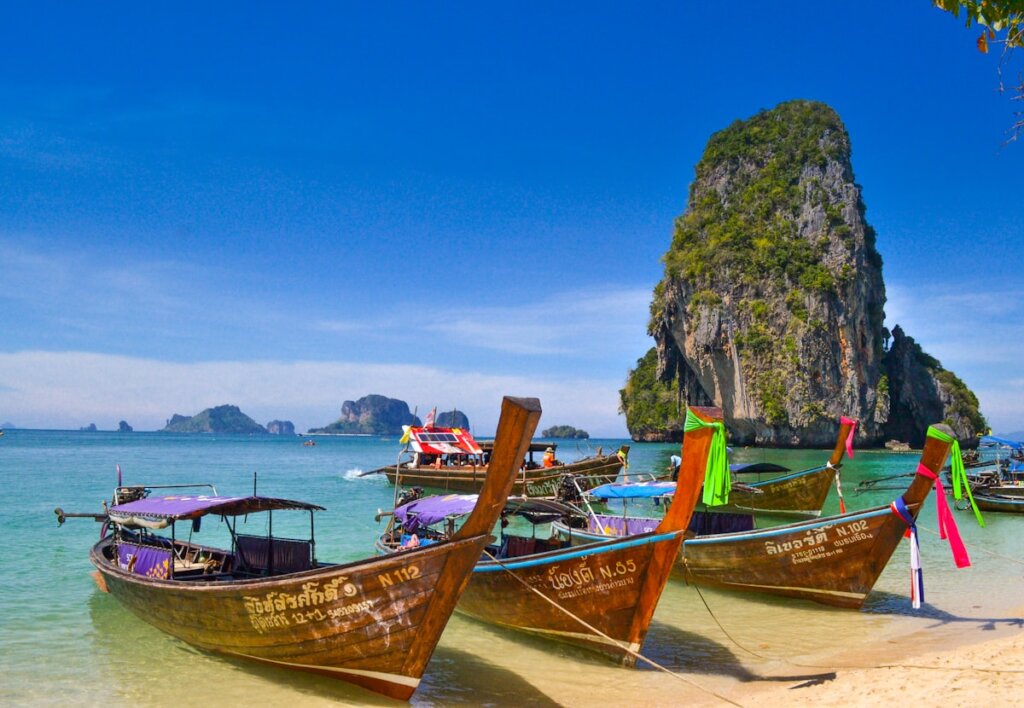

Most visitors travel between El Nido and Coron on a fast ferry in a few hours. The Tao Expedition does the opposite: it turns the crossing into a three-to-five-day slow-boat journey through the remote islands of the Linapacan strait, sleeping on beaches and eating food cooked aboard. This guide focuses specifically on what the Tao trip actually involves — who it suits, what a day looks like, what it costs and how to prepare — for travelers deciding whether to swap a quick transfer for the most talked-about adventure in northern Palawan.
- What the Tao Expedition is
- Tao Expedition vs the standard ferry
- The route and the region
- A typical day on board
- Where you sleep and what you eat
- Who the trip is right for
- Solo travelers and the group dynamic
- Cost and how to book
- El Nido to Coron, or the reverse?
- When to go and weather
- How to prepare and what to pack
- What makes it unforgettable
- Frequently asked questions
What the Tao Expedition is
Tao (from the Filipino word for “human”) runs multi-day sailing trips on traditional-style paraw and bangka boats between El Nido and Coron. Rather than a luxury cruise, it is a rustic, community-rooted expedition: you travel with a small group and crew, stop at deserted beaches and tiny fishing communities, snorkel untouched reefs, and sleep in simple beach camps or aboard the boat. The company grew from a grassroots social enterprise that supports island communities and a farm along the route, so the trip is as much about people and place as it is about scenery. You can read about the operator and its community work directly on the official Tao Philippines site. Crucially, this is not a party cruise or a polished package — it is closer to going camping with a crew who happen to be exceptional cooks and boat handlers.
Tao Expedition vs the standard ferry
The fastest way to understand the trip is to set it beside the conventional crossing. The two share a start and end point and almost nothing else.
| Factor | Tao Expedition | Standard fast ferry |
|---|---|---|
| Duration | 3–5 days | 3–4 hours |
| Style | Beach camping, remote islands | Direct point-to-point transfer |
| Accommodation | Huts, tents or boat bunks | None; you arrive same day |
| Connectivity | Little to none | Normal on arrival |
| Best for | Adventure and disconnection | Speed and convenience |
| Rough cost | Multi-day package price | Single ferry ticket |
If your priority is simply reaching Coron, the ferry wins on every practical measure. The Tao trip only makes sense if the journey itself is the reason you are going.
The route and the region
The expedition threads through the Linapacan and Culion island groups, a stretch of the Palawan archipelago far less visited than Bacuit Bay. This is deliberately off the standard tourist track: no resorts, patchy or absent phone signal, and reefs that see a handful of boats a week rather than a hundred a day. Palawan’s wider region is globally recognized for its marine biodiversity, and the waters you cross on a Tao trip are part of what makes northern Palawan special. For context on how this compares with the conventional crossing, see our El Nido vs Coron comparison.
A typical day on board
Days follow the sun rather than a schedule. You wake on a beach or the boat, eat a hearty breakfast, and set off mid-morning, stopping to snorkel, swim, or explore sandbars and lagoons along the way. Lunch is prepared fresh on board — often just-caught fish, rice, vegetables and tropical fruit — and eaten as the boat drifts. Afternoons bring more stops before you reach the night’s camp, where the crew sets up simple huts or tents, cooks dinner, and the group gathers around rum, a guitar and the stars. There is no Wi-Fi, no itinerary to clock-watch, and no crowds. That enforced disconnection is the whole point, and travelers routinely describe it as the moment their holiday actually began.
Where you sleep and what you eat
Accommodation is basic by design. Depending on the night and the boat, you sleep in open-sided bamboo huts on the beach, in tents, or in simple bunks aboard. Bedding and mosquito nets are provided, but this is camping, not a hotel — expect shared, rustic facilities and cold bucket showers. The food, by contrast, is a highlight almost everyone raves about: abundant, fresh, and cooked with care by the crew, heavy on seafood and Filipino staples, with fruit and even freshly baked bread appearing in the middle of nowhere. Vegetarians and those with allergies should notify Tao in advance, as options on remote islands are limited and resupply is impossible mid-route.
Who the trip is right for
The Tao Expedition suits travelers who value experience over comfort: people happy to unplug, sleep rough, share close quarters with strangers who often become friends, and trade hot showers for genuine adventure. It is ideal for solo travelers, backpackers and open-minded couples. It is not right for those who need reliable connectivity, private bathrooms, air-conditioning or a fixed schedule, nor for very young children or travelers with limited mobility, given the beach landings and basic camps. If that describes you, the standard fast boat — covered in our speedboat and ferry options guide and Coron ferry transfer guide — is the better call.
Solo travelers and the group dynamic
A large share of Tao guests travel solo, and the format is built for connection. With a capped group living, eating and snorkeling together for days, strangers become a tight-knit crew fast, and many travelers cite the people as much as the places when they describe the trip afterward. There is no forced socializing — you can always find a quiet corner of a beach — but the shared meals and campfire evenings naturally draw the group together. Couples fit in easily too, though anyone expecting a private, romantic getaway should understand that privacy is limited and the experience is fundamentally communal.
Cost and how to book
Tao trips are priced per person and typically include all meals, water, accommodation, guides and the boat, though the environmental and terminal fees and your bar tab may be extra. Because group sizes are capped and the trips are popular, they frequently sell out weeks or months ahead, especially in the December-to-May dry season. Book directly through the operator rather than a reseller, confirm the exact departure direction (El Nido to Coron or the reverse), and read the packing and safety notes they send carefully. Trips run only in favorable conditions, so build a buffer day into your onward plans in case weather shifts the departure.
El Nido to Coron, or the reverse?
The expedition runs in both directions, and neither is clearly superior — it usually comes down to how your wider itinerary flows. Many travelers do El Nido first, using it as a base to acclimate, store excess luggage and stock up, then finish in Coron to explore its famous wreck dives and lakes afterward. Others reverse it to end on El Nido’s beaches. Whichever way you sail, plan the days on either end deliberately: arrive in your start town at least a night early so a delayed flight never causes you to miss the boat, and leave a cushion at the finish before any onward flights.
When to go and weather
The expedition runs mainly in the dry season, roughly late October or November through May, when seas are calmest and camps most comfortable. The wet season brings rougher water and more cancellations, and Tao will not sail when conditions are unsafe. Because the route is exposed and remote, weather drives everything — check a reliable forecast such as weather.com before you travel, and review responsible-travel and marine-protection guidance from agencies like the Philippine Department of Environment and Natural Resources. General trip-planning help is also on the Philippine Department of Tourism site.
How to prepare and what to pack
Pack light and practical: reef-safe sunscreen, a rash guard, a quick-dry towel, a headlamp, a dry bag for electronics, a power bank (there is little to no charging), motion-sickness tablets, any personal medication, and cash for fees and drinks since there are no ATMs en route. Leave hard suitcases behind in El Nido storage and bring only a soft bag. Set expectations with anyone at home that you will be off-grid for the duration. If you are stitching this into a larger Palawan plan, our 5-day El Nido itinerary and liveaboard guide can help you sequence the days around it.
What makes it unforgettable
Ask past guests what stayed with them and the answers rarely feature a single beach. They talk about the rhythm of days without a phone, the crew hauling in dinner and turning it into a feast on a deserted shore, snorkeling a reef with nobody else in sight, and a group of strangers ending the trip as friends who still message years later. The Tao Expedition sells discomfort honestly — the cold showers and shared huts are real — and that honesty is exactly why the payoff lands so hard. In an age when almost every corner of Palawan is photographed and reviewed, a genuinely off-grid, community-run journey through islands most travelers never see remains one of the last true adventures in the region.
Frequently asked questions
How many days is the Tao Expedition?
Most trips run three to five days between El Nido and Coron, with the classic itinerary spanning several nights of beach camping and island stops across the Linapacan region.
Is the Tao Expedition worth it?
For travelers who want adventure and disconnection, most say emphatically yes — the remote reefs, fresh food and community feel are memorable. If you need comfort and connectivity, the standard fast ferry is a better fit.
Do I need to be fit or experienced?
No special experience is required, but you should be comfortable with beach landings, basic camping, swimming and shared rustic facilities. It is not suited to those with limited mobility.
Is there Wi-Fi or phone signal?
Largely no. The route is remote with little to no signal, which is part of the appeal. Tell people at home you will be off-grid and bring a power bank for your devices.
When should I book?
As early as possible. Group sizes are limited and dry-season departures often sell out weeks or months ahead. Book directly with the operator and allow a buffer day for weather.