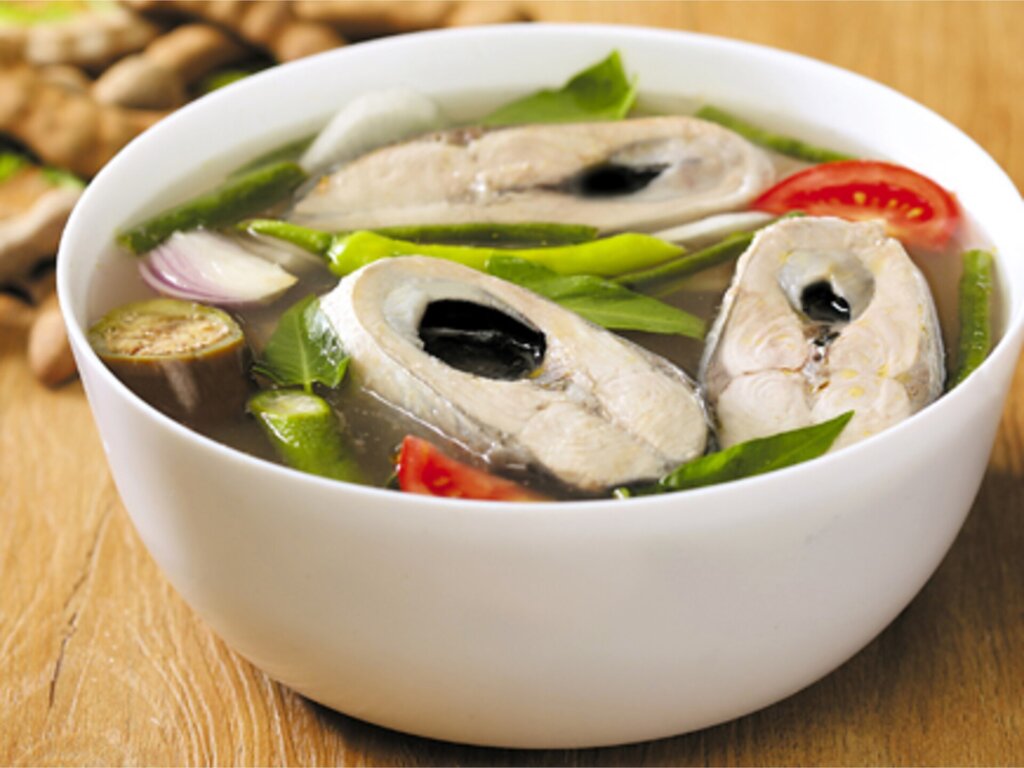
Filipino soup is the quiet hero of an El Nido trip, especially after a salty, sun-baked island-hopping day. This guide focuses on comfort soups specifically for travelers who are tired, slightly sunburned or recovering from a rough boat ride and want one reliable bowl rather than another grilled-fish plate. We compare tinola, bulalo and a few close relatives so you can order with confidence.
- Why Soup Belongs in Your El Nido Itinerary
- Tinola: The Gentle Ginger Chicken Soup
- Bulalo: The Slow-Simmered Beef Bone Soup
- Other Soups You May Meet on the Menu
- Building a Soup Day Around Your Tour Schedule
- Pairings, Sides and Drinks That Work
- How to Order Like a Local
- Food Safety and Practical Tips
- Quick Comparison Table
- Frequently Asked Questions
Why Soup Belongs in Your El Nido Itinerary
Most visitors plan around beaches, lagoons and sunset spots, then default to grilled seafood or pizza at night. Yet in Filipino homes, a hot soup is how people reset after hard travel, a cold, or a long day outdoors. In El Nido, where tour days start early and finish with salt-crusted skin, a bowl of broth is a practical choice as much as a cultural one.
Soups are also one of the safest ways to eat a hearty meal when your stomach is unsettled. They are served piping hot, cooked from raw ingredients in the kitchen, and rarely depend on raw garnishes. If you want a deeper look at one popular sour option, our sinigang guide for El Nido covers it in detail, while this article concentrates on the clearer, gentler broths.
Expect most restaurants in town to list at least one soup under “Filipino favorites”. Smaller eateries along the back streets often cook a single pot of the day, so the choice may be made for you. That is a good sign: it usually means the pot was made fresh that morning.
Tinola: The Gentle Ginger Chicken Soup
Tinola is the soup most Filipinos associate with being looked after. It is built on ginger, garlic and onion sautéed in oil, then simmered with chicken pieces and finished with green papaya or chayote and a handful of chili leaves or malunggay (moringa). The broth is clear, lightly golden and fragrant rather than rich.
In El Nido you will often see a fish version, sometimes called tinolang isda, using fresh catch instead of chicken. Both are mild, which makes tinola the best first-timer soup. It pairs well with plain steamed rice and a small dish of fish sauce with calamansi for dipping the meat.
Order tinola when you feel run down, when you are sensitive to spice, or when you are traveling with children. The ginger is warming without being hot, and the green papaya adds a soft, slightly sweet texture. Portions are typically sized for one hungry traveler or two light eaters, and many kitchens will bring extra broth if you ask politely.
Bulalo: The Slow-Simmered Beef Bone Soup
Bulalo is the heavyweight of the category. It uses beef shank and marrow bones simmered for hours until the broth turns cloudy, rich and slightly sweet from corn on the cob, cabbage and sometimes pechay. The marrow is the prize: scoop it out and stir it into your rice.
Because the cooking time is long, bulalo is not always on the menu. Restaurants that serve it may need advance notice, and some only cook it on cooler or rainy evenings. If you are in town during wetter months, our explanation of the amihan and habagat seasons helps you predict when comfort food demand peaks.
Bulalo suits cooler nights, post-hike hunger and travelers who want a proper sit-down dinner. It is heavier than tinola, so avoid ordering it right before a morning boat departure if you are prone to motion sickness. Expect it to cost noticeably more than chicken soup because beef is not locally abundant on the island and is usually brought in from elsewhere.
Other Soups You May Meet on the Menu
Beyond the two headliners, a few relatives show up around town. Sinigang is the tamarind-sour option, usually with pork, shrimp or fish. Nilaga is a plain boiled beef or pork soup with potatoes and cabbage, similar in spirit to bulalo but lighter. Sopas is a creamy macaroni chicken soup that kids tend to love, and you may see it at breakfast.
Seafood-based soups deserve a mention too. Fish head soup, made with miso or ginger and sometimes sour fruit, is a local favorite because it makes use of the whole catch. If you like shellfish soups, check the red tide shellfish safety notes before ordering clams or mussels, since local advisories occasionally restrict them.
Allergy-conscious travelers should confirm ingredients, since fish sauce, shrimp paste and peanuts can appear in surprising places. Our food allergies dining guide explains how to phrase your request in English and simple Tagalog.
Building a Soup Day Around Your Tour Schedule
Think of soup as part of your recovery plan rather than a random dinner choice. On an island-hopping day you spend hours in sun, salt water and wind, and you often skip a proper lunch in favor of a boxed meal on the boat. By evening your body wants fluid, salt and warmth, which is exactly what a clear broth delivers.
A practical pattern is to order tinola the night after your first big tour, when you are tired but not yet aching. Save bulalo for a rest day or a rainy afternoon, when you can sit for an hour and enjoy the marrow without rushing to catch a boat. If you are heading out early the next morning, keep dinner light and stay away from rich bone broths that may sit heavy in the stomach.
For travelers who are watching their spending, soup is also a quiet budget tool. A bowl with rice is filling enough to replace a full main course, so pair it with a vegetable side or a small grilled fish to share. You will usually spend far less than on a platter-style seafood dinner, and you will still leave satisfied.
If you plan to snack between tours, see our guide to local snacks and street treats for light options that will not spoil your appetite for an evening bowl.
Pairings, Sides and Drinks That Work
Plain steamed rice is the essential partner, but a few sides elevate the meal. Grilled fish or pork with a squeeze of calamansi gives contrast to a mild tinola, while fried dried fish adds salty crunch; you can learn more about it in our danggit and tuyo guide. A simple vegetable dish such as sautéed greens balances the heavier bulalo.
For drinks, skip very sweet sodas and choose water, hot tea or fresh calamansi juice. Cold beer is popular, but heavy drinking on top of sun exposure and dehydration is a poor idea the day before a tour. If you want to explore local drinks on a rest day, read about tuba, lambanog and Tanduay first.
Finish with something light. A small plate of fruit or a few spoonfuls of halo-halo or kakanin makes a pleasant end to a warm bowl without weighing you down. Many diners also appreciate a cup of local coffee afterward, and our list of El Nido coffee shops can help you pick one.
How to Order Like a Local
Soup is traditionally eaten with rice rather than as a starter. Ask for a bowl of plain rice on the side and spoon broth over it as you go. Meat is dipped into a small saucer of patis (fish sauce) with calamansi or chili. Do not be shy about asking for these condiments; every kitchen has them.
Check timing before you commit. Many eateries cook soups in large batches for lunch and early dinner, and the best bowls disappear by mid-evening. Arriving between 11:30 and 1:00 for lunch, or 5:30 and 7:00 for dinner, improves your chance of getting the freshest pot.
Finally, share. Soups are often served family style, and a single large bowl can feed two with rice and a vegetable side. Pair it with a grilled dish, such as the roast pork described in our lechon guide, for a balanced table.
Food Safety and Practical Tips
Choose busy places with high turnover and visible kitchens. The WHO food safety guidance emphasizes cooking food thoroughly and serving it hot, which soup naturally satisfies. Avoid soups that have clearly been sitting lukewarm on a counter. Drink bottled or filtered water rather than tap, and keep your hands clean before eating.
If you are following official travel health advice for the Philippines, the Department of Health publishes public health notices that are worth checking before a long trip. For regional travel conditions and tourism updates, the Provincial Government of Palawan is the authoritative local source.
Carry small bills for modest eateries, since many do not process cards. Soup bowls are inexpensive compared with grilled seafood platters, which makes them a smart way to stretch a daily budget without eating poorly.
Quick Comparison Table
| Soup | Main Protein | Flavor | Best When | Typical Wait |
|---|---|---|---|---|
| Tinola | Chicken or fish | Light, ginger-forward | Tired, sunburned, with kids | 15–25 min |
| Bulalo | Beef shank and marrow | Rich, sweet, meaty | Cool evenings, big appetite | May need advance notice |
| Sinigang | Pork, shrimp or fish | Sour tamarind | Hot days, craving tang | 20–30 min |
| Nilaga | Beef or pork | Mild, savory | Plain-food comfort | 20–30 min |
| Sopas | Chicken and macaroni | Creamy, gentle | Breakfast, picky eaters | 10–20 min |
Frequently Asked Questions
What is the best Filipino soup for first-timers in El Nido?
Tinola is the easiest start. Its ginger and chicken or fish broth is mild, widely available and rarely spicy.
Is bulalo available every day?
Not always. Because it simmers for hours, many restaurants make it in limited batches, so ask in the morning or the day before.
Can vegetarians eat these soups?
Traditional versions use meat, fish or fish sauce. Ask whether a kitchen can make a vegetable version, and confirm that fish sauce is left out.
How much should a bowl of soup cost?
Prices vary by venue and ingredients, with chicken or fish soups generally cheaper than beef bulalo. Check the menu and ask about portion size.
Is soup safe to eat during a sensitive stomach day?
Hot, freshly cooked broths are usually a gentle choice. Avoid shellfish if there are red tide advisories and stop if you feel unwell.